

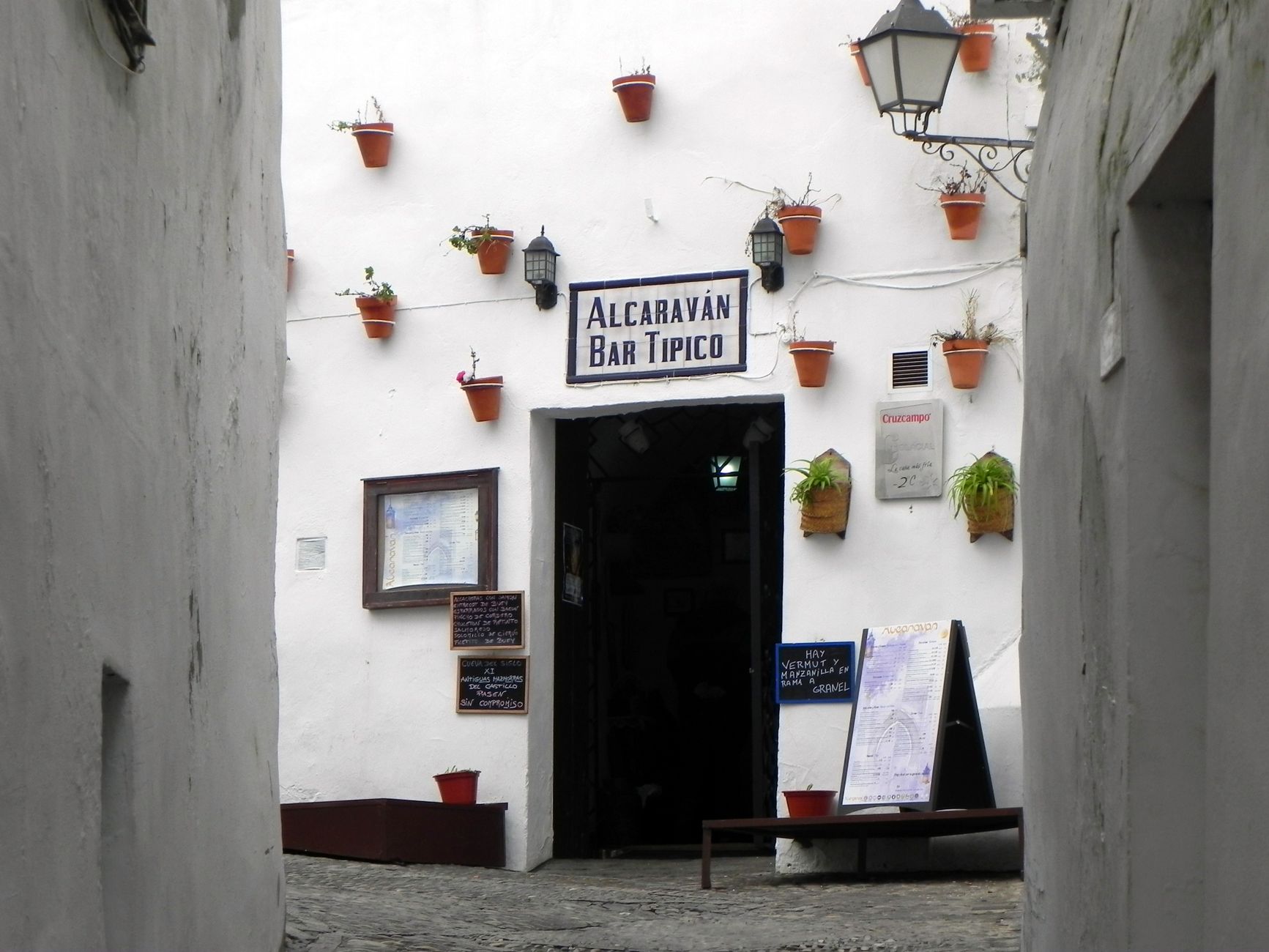


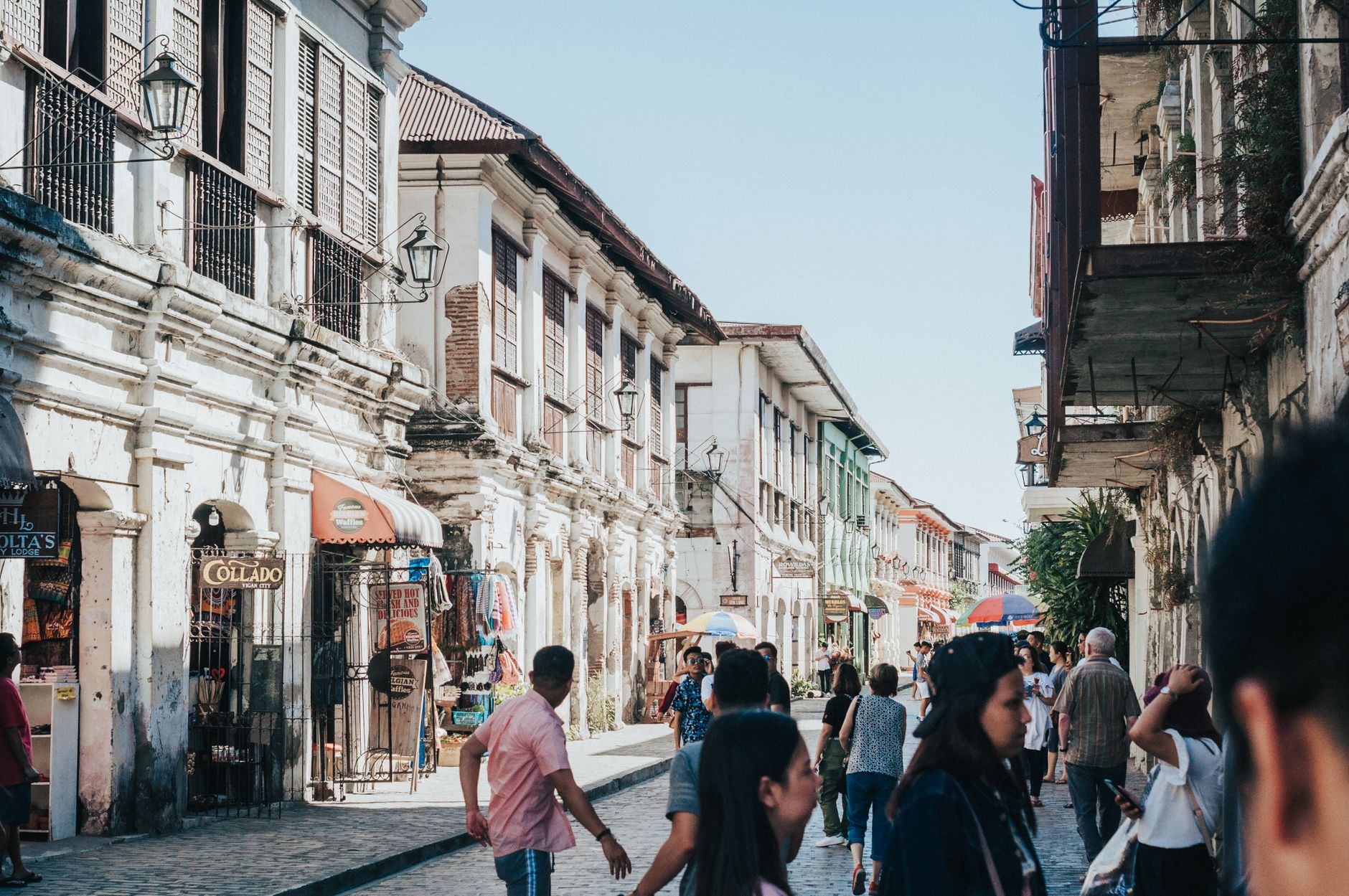
Rising abruptly off the baking floor of the Vega, Carmona hits you with sheer white walls and ancient limestone. You walk past the first-century Roman necropolis and into streets shaped by eighth-century Moorish defensive lines. The smell of fried olive oil and toasted yeast drifts from convent grates where cloistered nuns still sell torta inglesa through a wooden lazy Susan. It is calm, slightly wind-scoured, and built on bedrock that has seen every empire come and go.
Last updated 22 Aug 2026
Build a Carmona itinerary.
Choose up to 4 threads that pull you in. Your plan arrives organised around them.
We'll craft a 3-lens plan for Carmona, one collapsible strand per lens.
Moorish Architecture
Climb the Alcázar de la Puerta de Sevilla, where ninth-century Caliphal masonry meets Christian battlements with clear views over the whitewashed rooftops.
Moorish Architecture
Climb the Alcázar de la Puerta de Sevilla, where ninth-century Caliphal masonry meets Christian battlements with clear views over the whitewashed rooftops.
Walking Mudéjar Rampart Terraces
Alcázar del Rey Don Pedro
Access the courtyard ruins via the Parador entrance. Entry to the open terrace is free; budget forty-five minutes to take in the sheer drop over the plains before the late-afternoon heat settles.
Editor TipBuilt upon Roman foundations and heavily fortified by the Almohad dynasty before Pedro I added his palace, this high redoubt guarded the fertile plain of Los Alcores for centuries. The terrace bar serves a cold Cruzcampo to non-guests without fuss. Sit near the parapet for the breeze.
Walking the Mudéjar Quarters
Barrio de San Blas
Wander the whitewashed lanes between Iglesia de San Blas and Calle Martín López without a map. Allow an hour before dinner; no tickets or planning required.
Editor TipCarmona preserved its eighth-century Islamic street plan after the Christian reconquest, keeping narrow alleys that channel shade and baffle midday heat. Wear rubber-soled shoes; these polished river cobbles have had eight hundred years to practice being slick.
Local Tapas
Order alboronía, the Moorish spiced pumpkin and aubergine stew, alongside crisp puntillitas at traditional bars around the arcaded Plaza de San Fernando.
Local Tapas
Order alboronía, the Moorish spiced pumpkin and aubergine stew, alongside crisp puntillitas at traditional bars around the arcaded Plaza de San Fernando.
Toasted Mollete Breakfast
Bar Goya
Grab an outside table on the circular square. Order a mollete with crushed tomato, virgin olive oil, and jamón serrano with a café con leche. Expect around four euros and zero pretension.
Editor TipThe plaza was Carmona's Roman forum, later repurposed as a square for bullfights. Today it belongs to pensioners debating football over flat white rolls baked from soft wheat in neighboring Antequera. Ask for aceite de oliva virgen extra from Los Alcores. Douse the bread generously before touching the salt.
Sampling Alboronía and Iberian Pork
Mesón La Cueva
Tables line an ancient vault beneath sixteenth-century arches. Walk in around nine to order alboronía stew and grilled Iberian pork shoulder alongside a dry manzanilla.
Editor TipAlboronía is the medieval ancestor of Spanish pisto, brought to Andalusia during Moorish rule and traditionally spiced with cumin, sweet pumpkin, and pimentón. Stand at the front timber counter if the vaulted back dining room is fully booked by local families.
Market Molletes and Coffee
Mercado de Abastos de Carmona
Order a toasted mollete with grated tomato and local olive oil at the bar inside the central courtyard. Budget five euros and stay forty minutes.
Editor TipBuilt inside a sequestered eighteenth-century convent cloister, this market remains the town's social engine where neighbours debate produce before work. Take a perimeter table under the arches to watch the fishmongers set up without blocking the morning foot traffic.
Braised Alboronía and Sherry
Casa Curro
Walk in without reservations for a tall table by the bar. Order the spiced alboronía and a cold glass of Manzanilla; lunch takes an hour and runs under twenty euros.
Editor TipAlboronía is the medieval Andalusian mother of pisto, brought to the peninsula by Arab cooks centuries before New World vegetables altered the recipe. Skip the rear dining room; the real theatre unfolds right by the counter beside the ham stand.
Crisp Wood-Fired Mollete Breakfast
Venta El Junco
Walk up to the zinc bar for a toasted mollete de Alcalá topped with rich manteca colorá and a strong café con leche. Expect to pay under four euros.
Editor TipAlcalá de Guadaíra supplied Seville with bread for centuries, using its river-powered mills and dense, slow-fermented white flour dough that crisps cleanly under charcoal heat. Ask for your bread extra tostado so the crumb holds the spiced lard without turning soggy.
Campiña Stews and Sherry
Bar Cárdenas
Order the braised oxtail and spinach with chickpeas at the bar counter. Budget around 18 euros per person for three tapas and two drinks.
Editor TipTavern kitchens in the Campiña rely on slow braises and wild cumin, anchoring an evening social ritual that turns local harvests into shared plates. Stand near the sherry barrel at the entrance for prompt pours of chilled Manzanilla.
Historic Walks
Trace the gentle downhill walk from Puerta de Sevilla down to the Roman Puerta de Córdoba, passing sixteenth-century palaces along Calle San Ildefonso.
Historic Walks
Trace the gentle downhill walk from Puerta de Sevilla down to the Roman Puerta de Córdoba, passing sixteenth-century palaces along Calle San Ildefonso.
Almohad Bastion Rampart Walk
Alcázar de la Puerta de Sevilla
Buy your four-euro ticket inside the Roman arch. Spend an hour scaling the Torre del Homenaje and ramparts for views across the whitewashed town and the fertile Los Alcores plain.
Editor TipCarthaginians built the foundation, Romans fortified it, and 12th-century Almohad builders engineered the horseshoe gate. It remains one of Andalusia's most imposing surviving Islamic fortifications. Wear shoes with grip; the worn limestone steps on the parapet can be slick even under blazing sun.
Convent Pastries via Torno
Convento de Santa Clara
Ring the bell beside the wooden turnstile on Calle Santa Clara, speak into the grille, and exchange cash for a box of torta inglesa. Spend thirty minutes.
Editor TipFounded in 1460, this Mudéjar cloister preserves Islamic-style artesonado ceilings and centuries-old Andalusian baking traditions maintained by cloistered nuns. Bring exact change in coins, as the turnstile makes handing back complicated change an awkward affair.
Note from the Editor
“Get through the Puerta de Sevilla before the Seville tour buses arrive at eleven. Carmona belongs entirely to the morning light, when the only sound on the cobblestones is the delivery vans and church bells.”
The Bed
Where to stay in Carmona
Which part of town to book, and what each one costs you in walking, noise or quiet.
The Comparison
Carmona, or somewhere near it
The places you are realistically choosing between, and the honest case for each.
The Local Record
Where to read more about Carmona
The blogs, boards, guides and operators worth bookmarking.
What to do in Carmona Andalusia Spain
Perched along a limestone ridge thirty kilometres east of Seville, Carmona is compact, quiet, and easily navigated on foot. Days here move to the clock of morning coffee, long lunches of stewed chickpeas and pork, and evening strolls between defensive gates. It suits independent walkers who appreciate ancient Roman ruins, Moorish ramparts, and unhurried meals without the bus tours crowding your elbow.
24 hours in Carmona Andalusia Spain
Begin at nine at the Roman Necropolis, then walk up Calle Prim to the Puerta de Sevilla. Stop for a late lunch of alboronía and fried boquerones near Plaza de San Fernando. Spend your evening watching the sun drop over the Vega from the Parador terrace, just five minutes across town on foot. Select 1 Day above to see it.
2 days in Carmona Andalusia Spain
A second day lets you wander the quieter San Blas quarter and buy torta inglesa at the Convento de Santa Clara. Walk down to the Roman Puerta de Córdoba before driving ten minutes into the low olive groves along the Corbones valley for lunch of grilled secreto ibérico at an unadorned roadside venta. Choose 2 Days to expand the plan.
3 days in Carmona Andalusia Spain
With three days, venture thirty minutes east to Écija to explore its tiled Baroque bell towers and shaded plazas. Return for a quiet late afternoon inside the Prioral de Santa María and an evening glass of chilled Manzanilla sherry beside the medieval defensive walls.
Carmona Andalusia Spain itineraries by interest
Archaeology in Carmona Andalusia Spain
Descend into the first-century Roman necropolis on Calle Enmedio, where carved rock chambers like the Tomb of the Elephant sit quietly under olive trees.
Pastry Traditions in Carmona Andalusia Spain
Ring the bell at Convento de Santa Clara on Calle Torno for box-fresh torta inglesa, a layered pastry of sponge, puff crust, and spiced pumpkin jam.
Moorish Architecture in Carmona Andalusia Spain
Climb the Alcázar de la Puerta de Sevilla, where ninth-century Caliphal masonry meets Christian battlements with clear views over the whitewashed rooftops.
Local Tapas in Carmona Andalusia Spain
Order alboronía, the Moorish spiced pumpkin and aubergine stew, alongside crisp puntillitas at traditional bars around the arcaded Plaza de San Fernando.
Historic Walks in Carmona Andalusia Spain
Trace the gentle downhill walk from Puerta de Sevilla down to the Roman Puerta de Córdoba, passing sixteenth-century palaces along Calle San Ildefonso.
Local Markets in Carmona Andalusia Spain
Wander the nineteenth-century Plaza de Abastos, built inside a former convent courtyard, for cured jamón ibérico, olives, and seasonal wild asparagus.
Panoramic Views in Carmona Andalusia Spain
Settle onto the south terrace at the Parador, set within the ruins of Pedro the Cruel's palace, gazing across miles of sunlit sunflowers and grain fields.
Sacred Art in Carmona Andalusia Spain
Step into the fifteenth-century Prioral de Santa María to see its soaring late-Gothic vaults and a tranquil courtyard of Roman and Visigothic relics.
Olive Oil in Carmona Andalusia Spain
Sample peppery cold-pressed extra virgin oil pressed from local Manzanilla and Picual olives over toasted mollete bread for breakfast at Bar Goya.
Cured Meats in Carmona Andalusia Spain
Pull up a wooden stool for hand-carved jamón de bellota and seared presa ibérica seasoned with sea salt at neighbourhood bars near Calle Prim.
Town Fortifications in Carmona Andalusia Spain
Walk the perimeter of Alcázar del Rey Don Pedro to inspect sturdy fourteenth-century stone bastions overlooking the steep northern drop of the ridge.
Day Trips in Carmona Andalusia Spain
Catch the local bus thirty minutes west to central Seville, or drive east across the farmland to the Baroque churches and ceramic shops of Écija.