
.jpg)

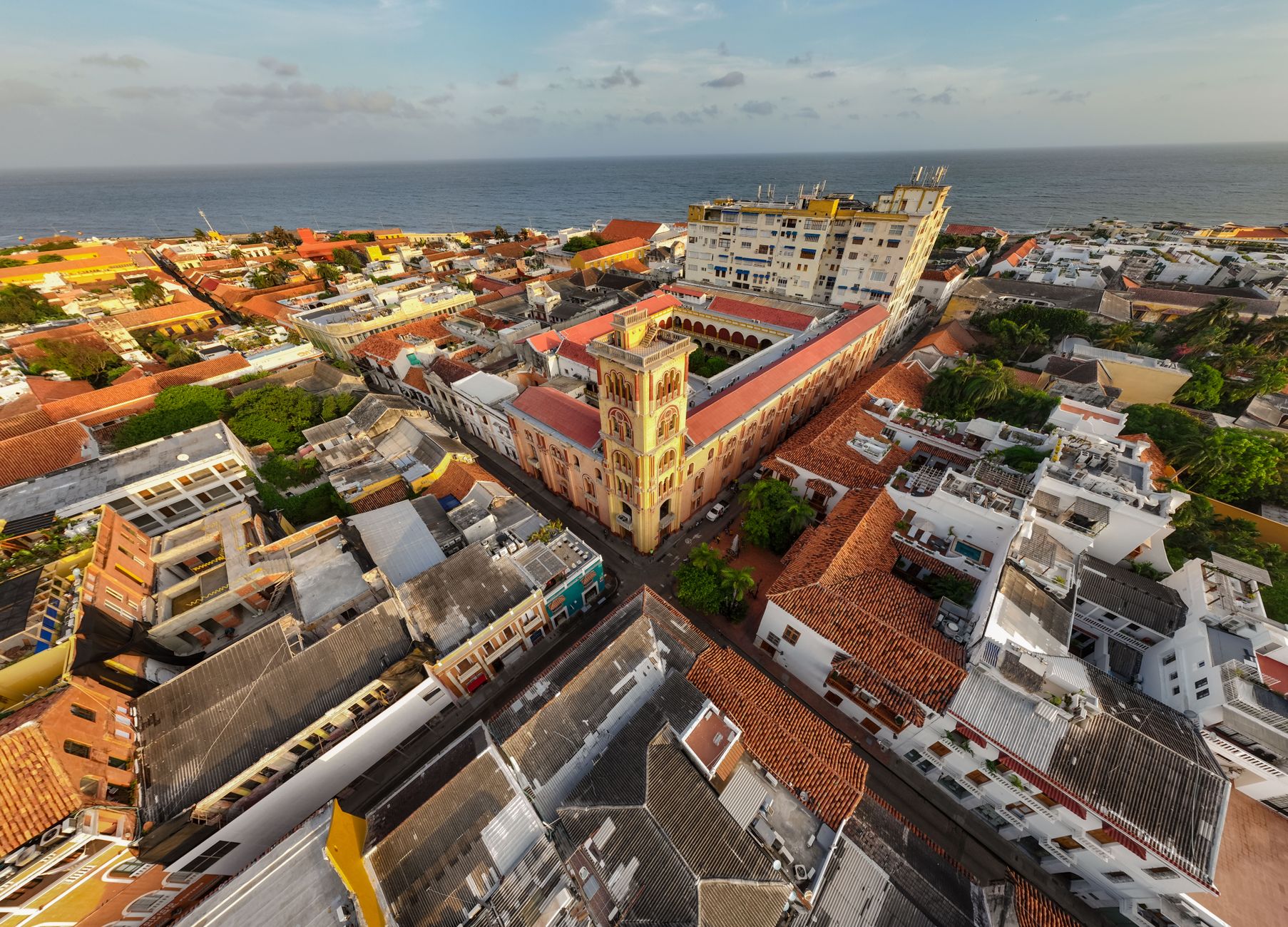
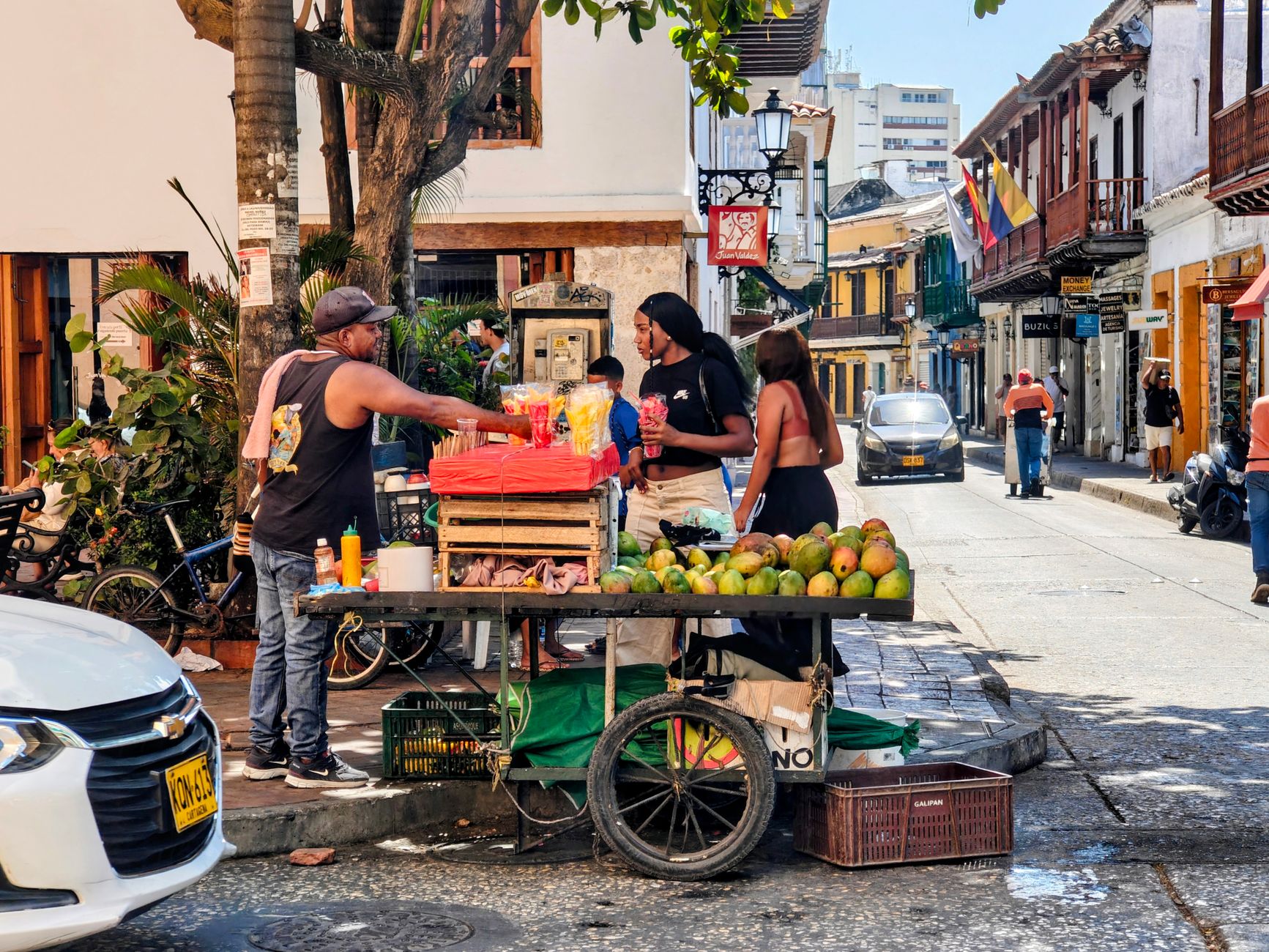
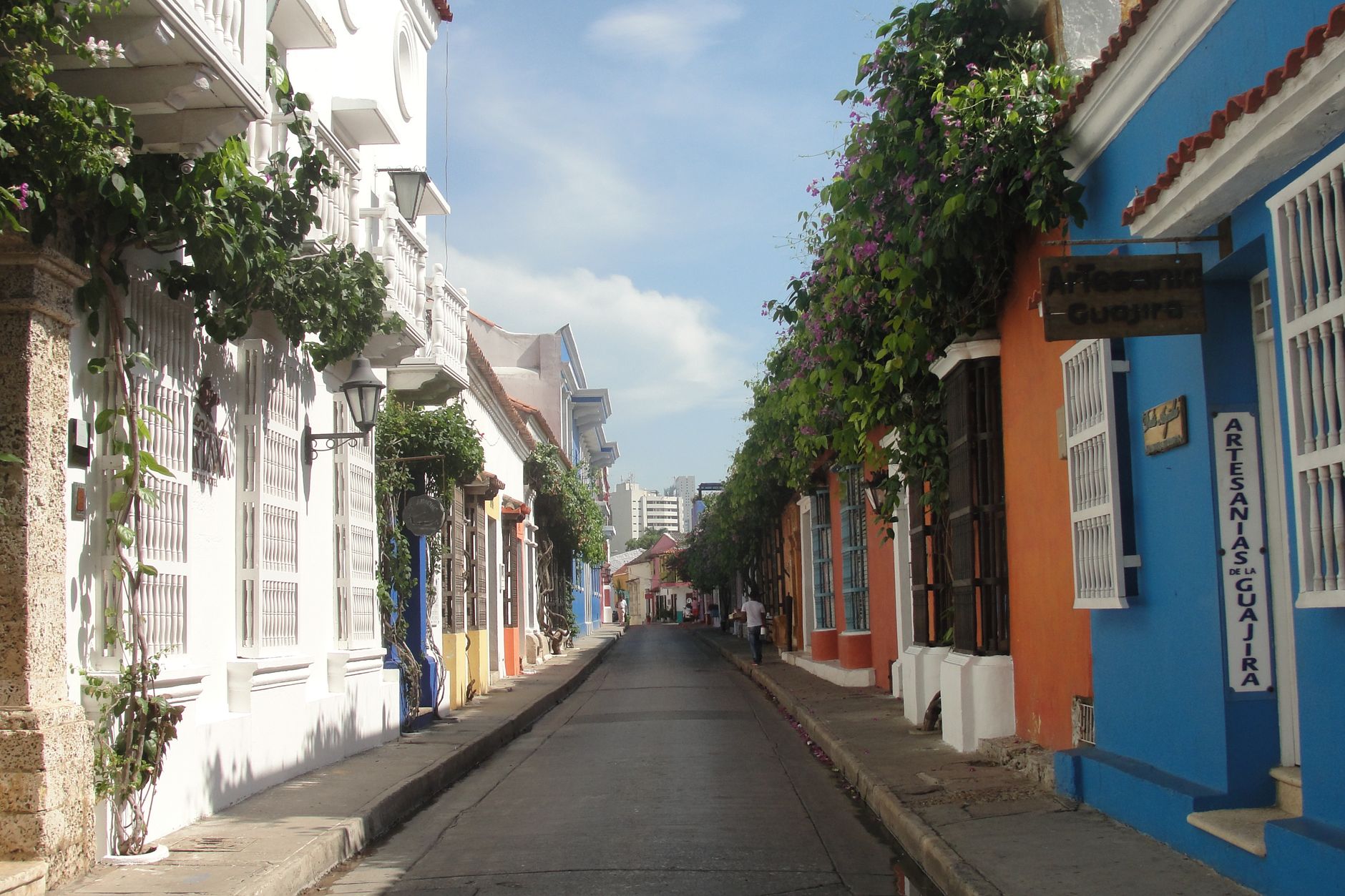
Cartagena sits fifty kilometres south of Murcia, reached in forty-five minutes by regional train or a one-hour drive from Alicante airport. It is a working naval port anchored by a steep Roman theatre, art nouveau merchant facades, and dockside bars that take fried red mullet and salted roe very seriously. Cartagena is worth visiting if you want deep maritime antiquity and unpretentious fish bars without resort crowds. Look elsewhere if you want sandy swimming beaches within walking distance of the historic centre.
Last updated 25 Sept 2026
Build a Cartagena itinerary.
Choose up to 4 threads that pull you in. Your plan arrives organised around them.
The Bed
Where to stay in Cartagena
Which part of town to book, and what each one costs you in walking, noise or quiet.
The Comparison
Cartagena, or somewhere near it
The places you are realistically choosing between, and the honest case for each.
The Local Record
Where to read more about Cartagena
The blogs, boards, guides and operators worth bookmarking.
What to do in Cartagena Murcia Spain
Cartagena is shaped by its deep natural harbour and five rocky hills. Mornings revolve around the pedestrian spine of Calle Mayor and the Roman ruins, while mid-afternoon slows down for rice dishes and cold Estrella de Levante in portside squares. It suits travellers who appreciate layered military history, gritty working dockyards, and unpretentious regional cooking over manicured beach resort polish.
24 hours in Cartagena Murcia Spain
Start early at the Roman Theatre before the tour buses arrive, then climb up to Concepción Castle for the harbour view. Walk down Calle Mayor for an asiático coffee and an afternoon caldero rice at Plaza San Francisco. Finish with an evening stroll along the Alfonso XII waterfront as the naval dockyard lights reflect on the water. Select 1 Day above to see it.
2 days in Cartagena Murcia Spain
Dedicate your second morning to the ARQUA underwater archaeology museum on the port, then walk through the Santa Lucía fishing quarter for grilled sardines and garlic shrimp. In the afternoon, take a taxi up to the stone batteries of Cabo Tiñoso or explore the Roman Forum district along Calle San Fernando before tapas. Choose 2 Days to expand the plan.
3 days in Cartagena Murcia Spain
A third day allows an easy trip east to the unpaved coastal trails and golden sands of Calblanque Regional Park, or inland to the historic silver mines of La Unión. Return to Cartagena for evening Monastrell wines and cured tuna belly at a low-key neighbourhood tavern near Plaza del Rey.
Cartagena Murcia Spain itineraries by interest
Local Seafood in Cartagena Murcia Spain
Order caldero del Mar Menor simmered with rockfish and ñora peppers, followed by crisp fried salmonetes and salted mojama at the dockside tabernas.
Roman Antiquity in Cartagena Murcia Spain
Walk the excavated first-century Roman Theatre built into the hillside, then head underground to the Roman Forum district on Calle San Fernando.
Maritime History in Cartagena Murcia Spain
Inspect Isaac Peral's 1888 submarine at the Naval Museum, then view Phoenician shipwrecks at the National Museum of Underwater Archaeology along the quay.
Modernist Architecture in Cartagena Murcia Spain
Walk Calle Mayor to admire Victor Beltrí's zinc-domed Gran Hotel and ornate Palacio Consistorial, funded by nineteenth-century La Unión silver mines.
Coastal Fortifications in Cartagena Murcia Spain
Hike up to Batería de Castillitos on Cabo Tiñoso to see enormous 1930s Vickers guns guarding the steep cliffs above the Mediterranean.
Coffee Culture in Cartagena Murcia Spain
Order an asiático at a Calle del Carmen café, layered with condensed milk, brandy, Licor 43, cinnamon, and lemon peel in a heavy ribbed glass.
Markets & Produce in Cartagena Murcia Spain
Browse Mercado de Santa Florentina for hake, artichokes from the Campo de Cartagena, cured tuna cecina, and fresh goat cheese from the hills.
Sacred Architecture in Cartagena Murcia Spain
Visit the ruined thirteenth-century cathedral of Santa María la Vieja beside the Roman theatre, destroyed during the Civil War bombings.
Coastal Walks in Cartagena Murcia Spain
Follow the seaside promenade out to the Curra lighthouse, watching cargo ships clear the breakwater while the afternoon salt mist rolls in.
Scenic Viewpoints in Cartagena Murcia Spain
Take the panoramic lift to Castillo de la Concepción for clear views across the entire bay, the industrial naval dockyards, and the dry hills.
Regional Wine in Cartagena Murcia Spain
Sample robust Monastrell and crisp Merseguera wines from nearby Bullas and Jumilla alongside plates of cured sheep cheese and marcona almonds.
Day Trips in Cartagena Murcia Spain
Drive fifteen minutes east to the mining ghost town of La Unión and Mina Agrupa Vicenta, or head to the wild coves of Calblanque Regional Park.