_Atlas_minor_sive_totius_orbis_terrarum_contracta_delinea_ex_conatibus_Nico._Visscher._(IA_dr_granata-et-murcia-regna-to-accompany-atlas-minor-sive-totius-orbis-terr-11755097).jpg)

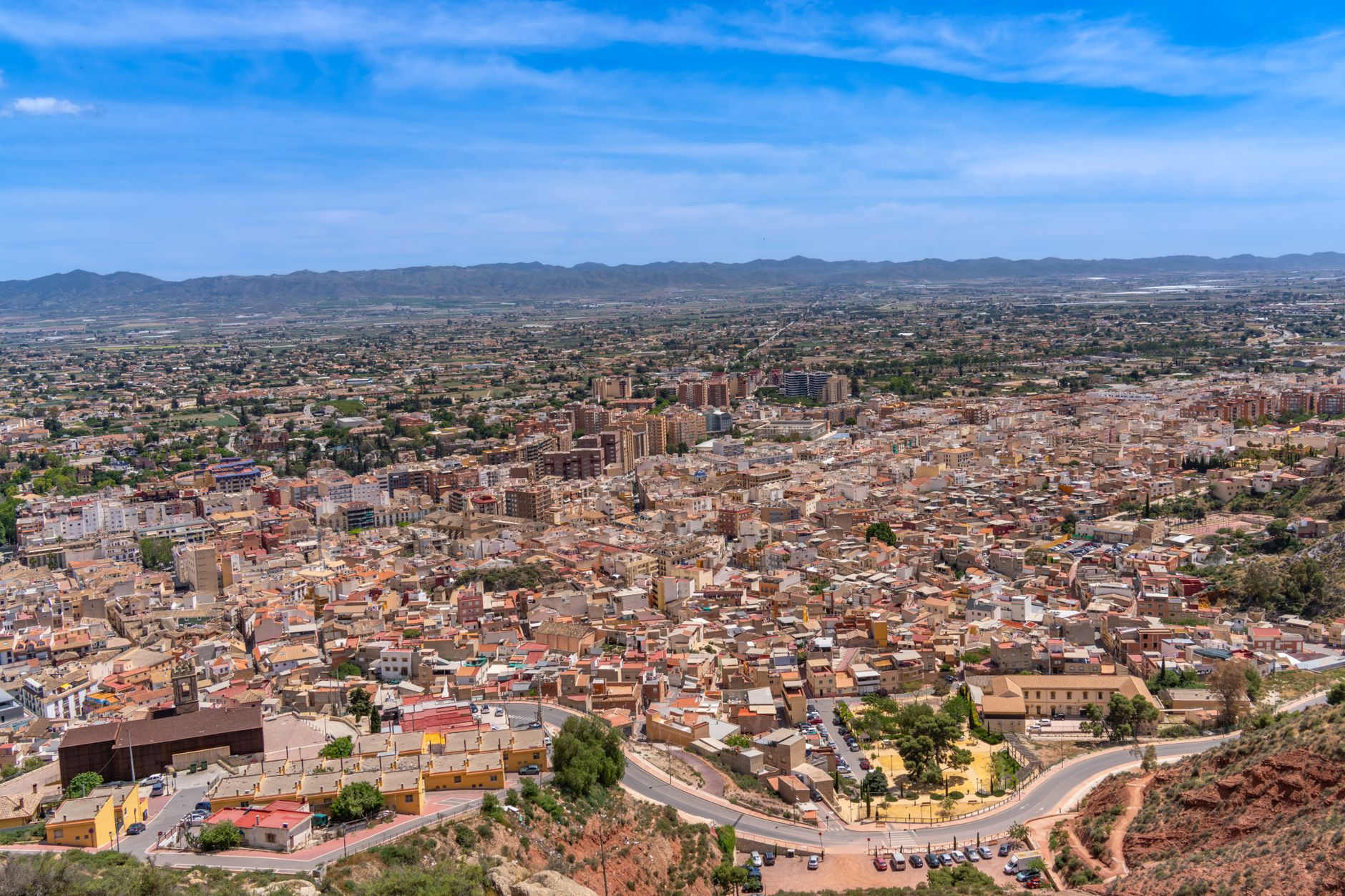
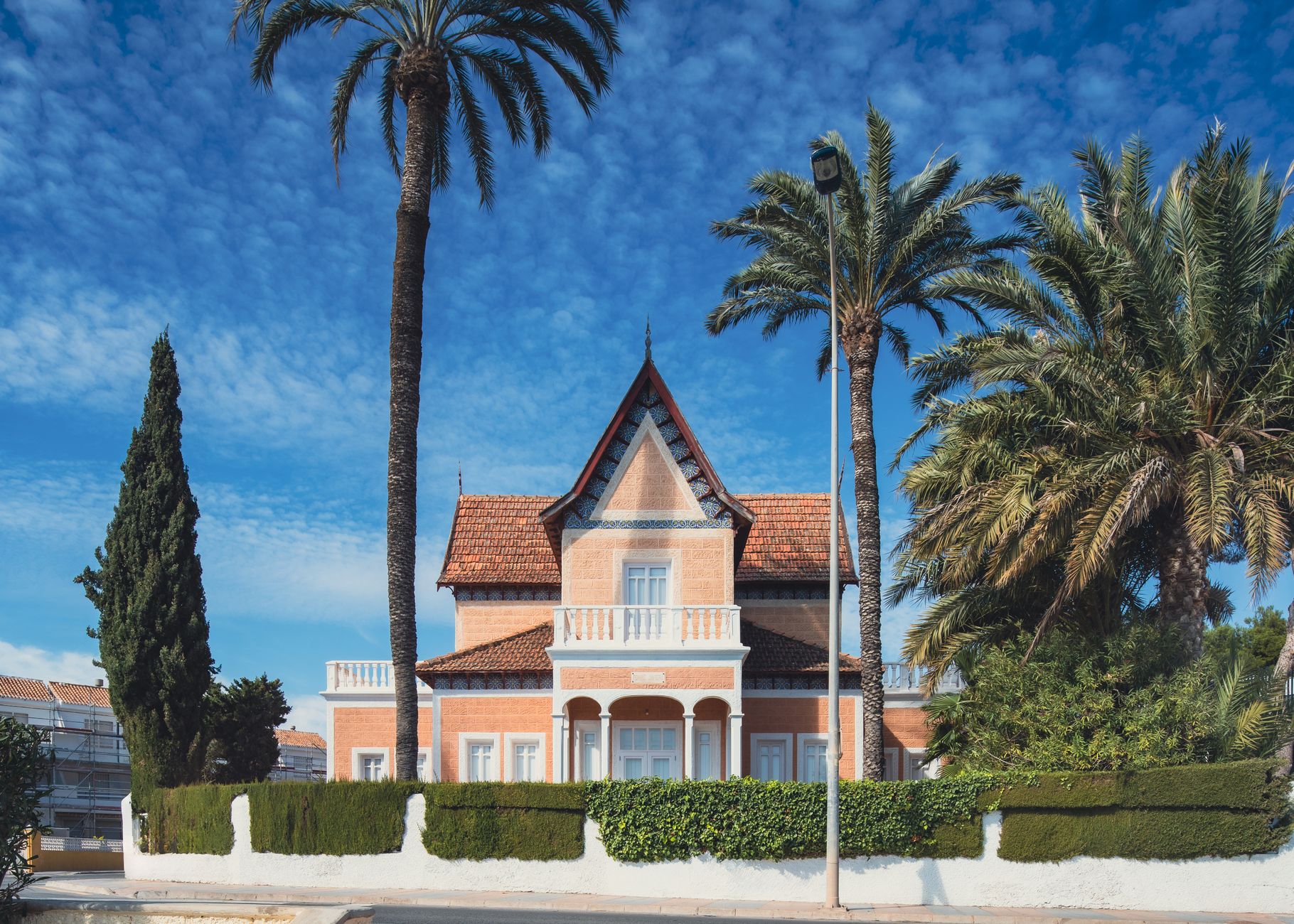
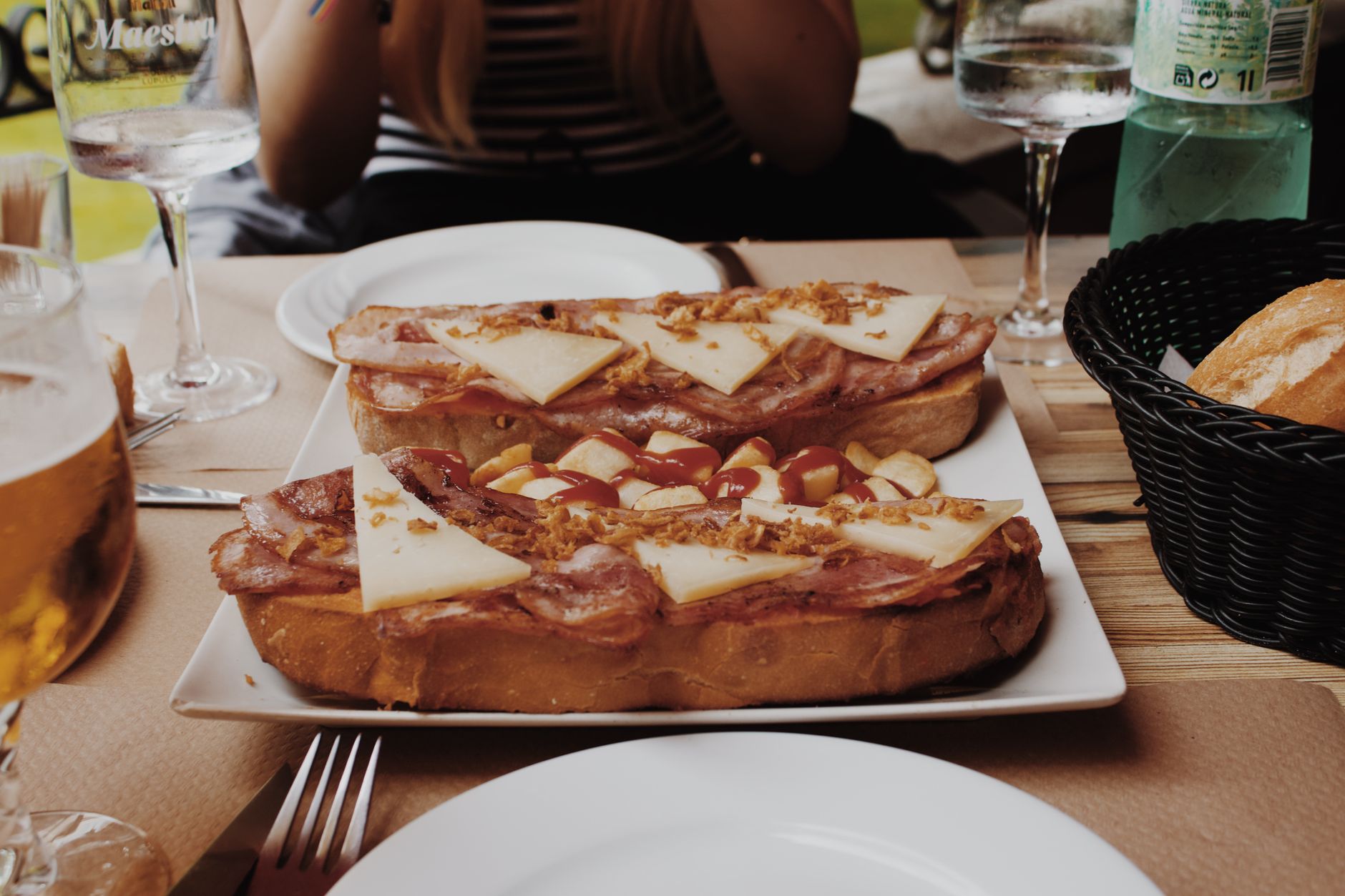
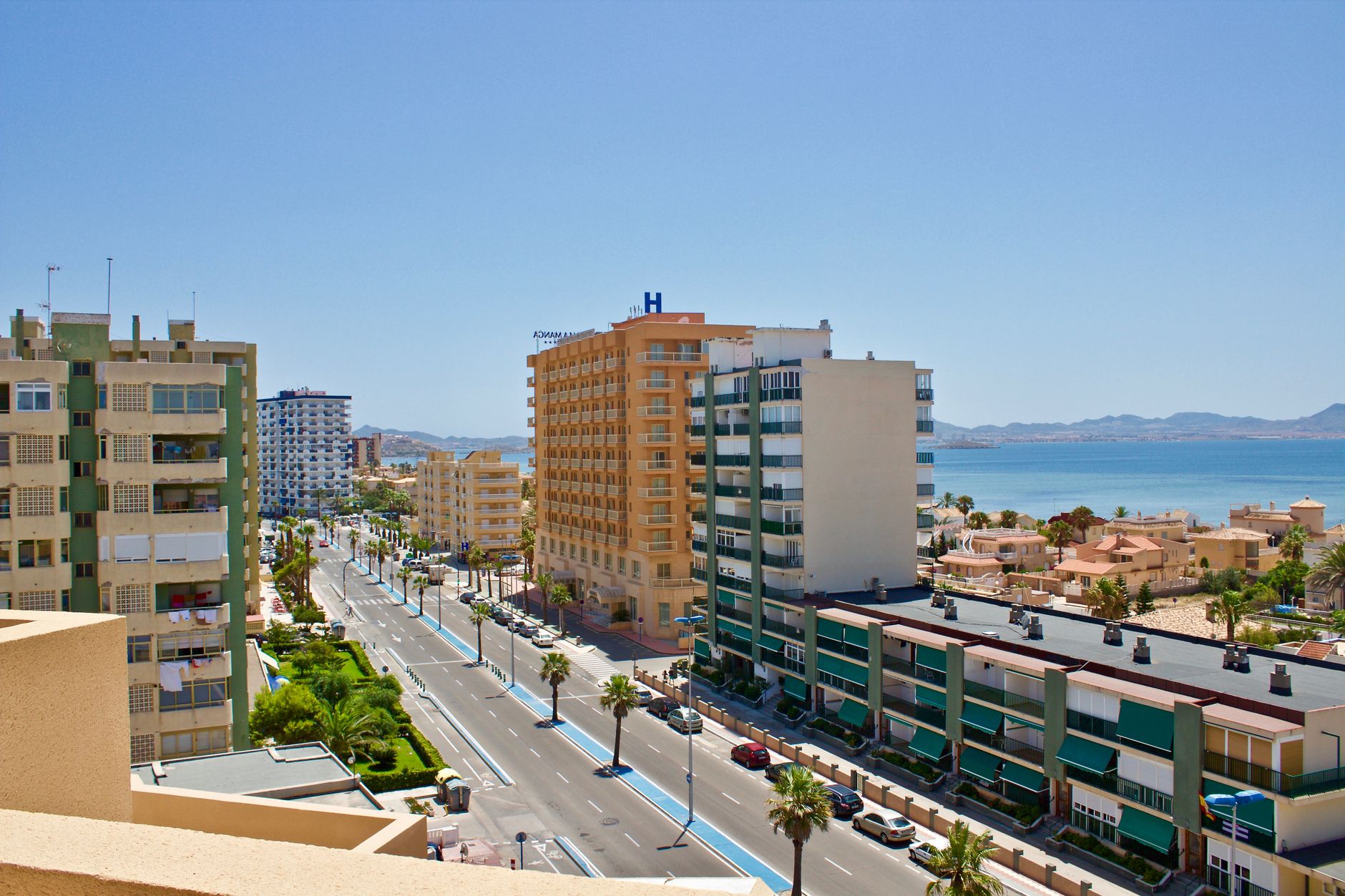
The heat rises off the Segura river by noon, but nobody rushes indoors until plates are cleared. You cross the stone Puente Viejo into pedestrian lanes where clinking glasses drift from Plaza de las Flores. Murcia lives by its orchard valley, turning artichokes, lemons, and paprika into serious bar snacks. At the centre stands the soaring Baroque facade of the cathedral, dramatic enough to halt conversation before you settle into a corner taberna for a cold caña and a crisp marinera.
Last updated 1 Sept 2026
Build a Murcia itinerary.
Choose up to 4 threads that pull you in. Your plan arrives organised around them.
The Bed
Where to stay in Murcia
Which part of town to book, and what each one costs you in walking, noise or quiet.
The Comparison
Murcia, or somewhere near it
The places you are realistically choosing between, and the honest case for each.
The Local Record
Where to read more about Murcia
The blogs, boards, guides and operators worth bookmarking.
What to do in Murcia Murcia Spain
Murcia moves at the unhurried pace of the Spanish south. Mornings belong to the cathedral square and Mercado de Verónicas, afternoons drift into the shaded tapas terraces of Plaza de las Flores, and evenings come alive along Calle Trapería. It suits travellers who prefer walkable old quarters, authentic regional cooking rooted in the fertile huerta, and grand architectural landmarks without tourist queues.
24 hours in Murcia Murcia Spain
Start with morning coffee beside the Cathedral of Santa Maria, then browse the produce at Mercado de Verónicas. Grab a warm pastel de carne at Pastelería Bonache for lunch before exploring the Real Casino. Spend the evening hopping between tapas bars around Plaza de las Flores; everything in the historic centre is reachable within a fifteen-minute stroll. Select 1 Day above to see it.
2 days in Murcia Murcia Spain
Dedicate your second morning to the exquisite sculptures at Museo Salzillo in the San Andrés quarter. In the afternoon, head toward the Mar Menor coast for a slow lunch of caldero murciano at a seaside tavern, then return for evening glasses of Jumilla Monastrell wine along the tree-lined Glorieta de España. Choose 2 Days to expand the plan.
3 days in Murcia Murcia Spain
A third day allows an unhurried drive up the Segura river to the lush Valle de Ricote. Wander among Moorish irrigation canals and date palms in Abarán and Blanca, stop for lamb chops grilled over vine cuttings, and end with a therapeutic soak in the natural thermal baths of Archena before returning to the city.
Murcia Murcia Spain itineraries by interest
Tapas Traditions in Murcia Murcia Spain
Order a classic marinera with ensaladilla rusa on a crunchy rosquilla, paired with a cold caña around Plaza de las Flores and Santa Catalina.
Local Produce in Murcia Murcia Spain
The huerta supplies sweet pimientos, tender zarangollo courgettes, chato murciano pork, and fresh habas served raw with salt and dry sheep cheese.
Sacred Architecture in Murcia Murcia Spain
Examine the 18th-century Baroque facade of the Cathedral of Santa Maria and the ornate gilded chapels inside, built over an old mosque.
Pastry Traditions in Murcia Murcia Spain
Taste pastel de carne, a concentric spiral of puff pastry packed with minced beef, chorizo, and boiled egg, baked fresh at Pastelería Bonache.
Historic Markets in Murcia Murcia Spain
Walk the stalls of Mercado de Verónicas for salt-cured tuna mojama, Marcona almonds fried in olive oil, and regional goat cheeses like al vino.
Wine & Vineyards in Murcia Murcia Spain
Sip bold Monastrell reds from nearby Jumilla, Bullas, and Yecla, celebrated for sun-drenched dark fruit notes and volcanic limestone soil.
Sacred Art in Murcia Murcia Spain
Visit the Museo Salzillo to study Francisco Salzillo's 18th-century polychrome wood figures carved for the solemn Holy Week processions.
City Walks in Murcia Murcia Spain
Stroll from the shady gardens of Glorieta de España along Calle Trapería to the lavish 19th-century ballroom inside Real Casino de Murcia.
Day Trips in Murcia Murcia Spain
Drive thirty minutes inland to the Valle de Ricote to explore mudéjar waterwheels, date palms, and thermal springs beside the Segura river.
Coastal Dining in Murcia Murcia Spain
Head toward the Mar Menor for caldero del Mar Menor, a rich rice simmered in rockfish stock and dried ñora peppers, served with alioli.
Festival Traditions in Murcia Murcia Spain
Experience the Bando de la Huerta and the Entierro de la Sardina, when locals wear regional huertano dress and parade through the plazas.
Historic Fortresses in Murcia Murcia Spain
Climb to the 9th-century Castillo de Monteagudo, crowned by an imposing statue, where Muslim rulers once surveyed the irrigated valley.