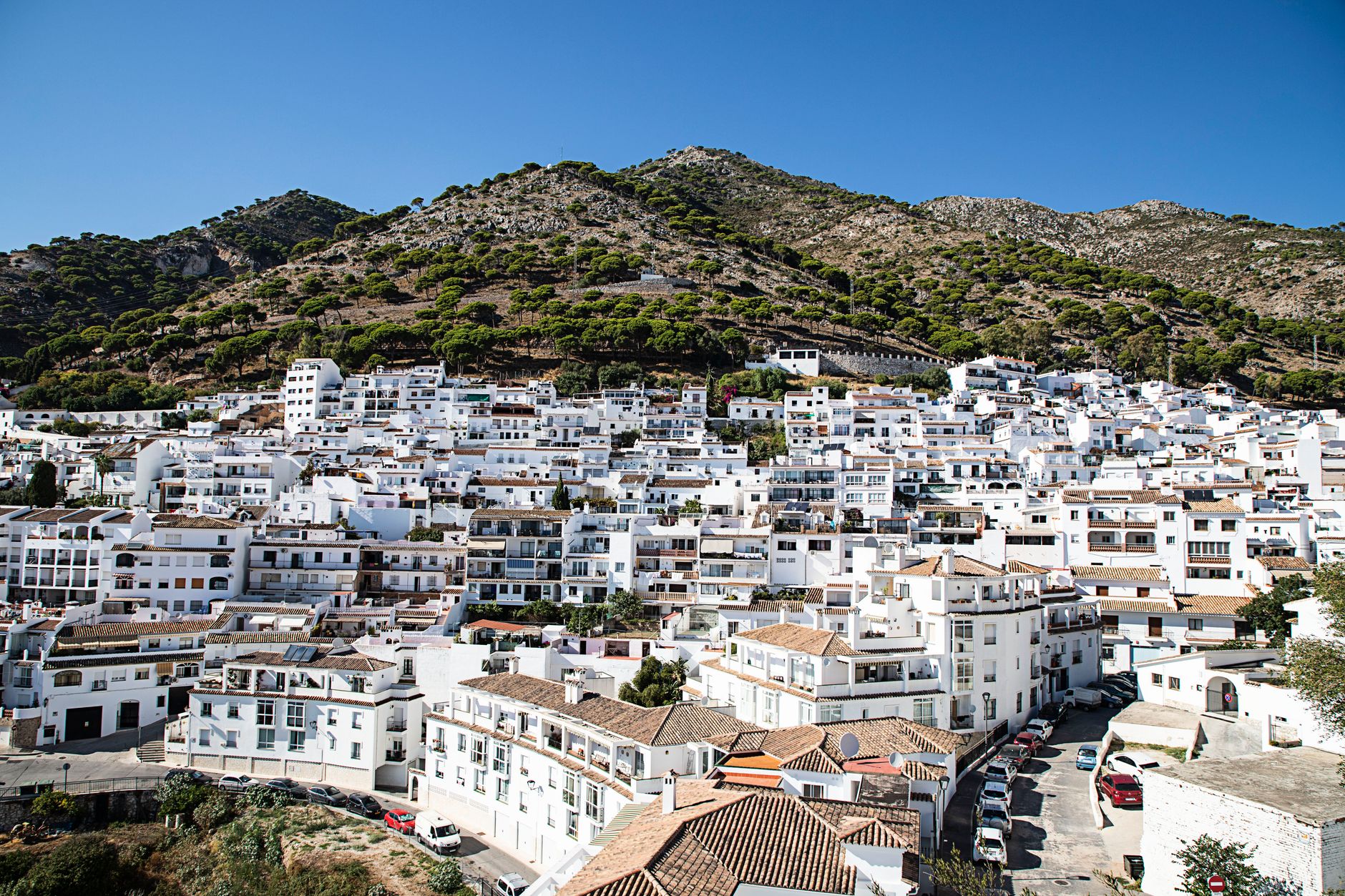
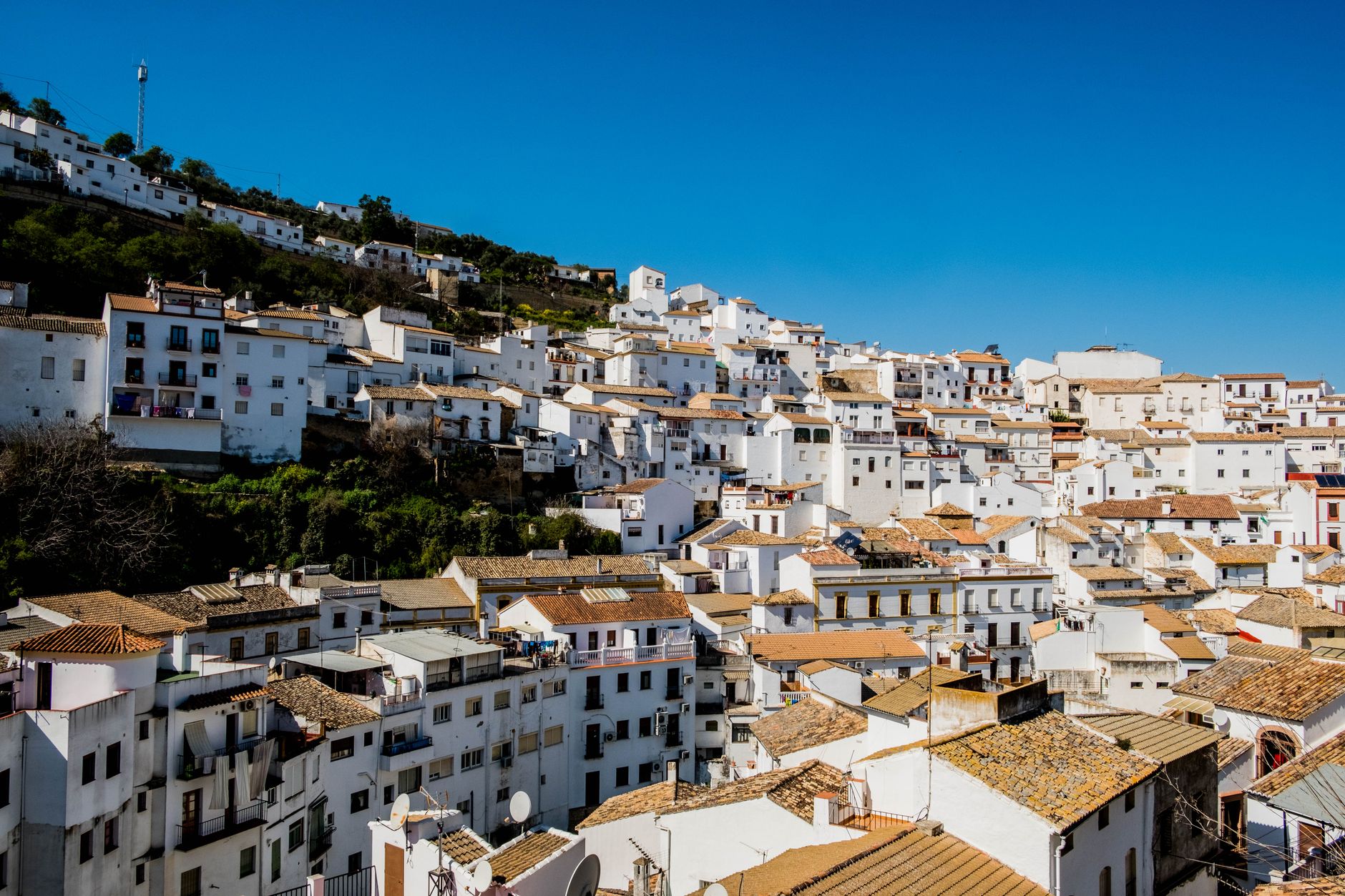

Casares clings to a limestone ridge nine miles inland from the sea, painted stark white against raw grey crags. The climb from Plaza de España up Calle Arrabal tests your calves immediately, rewarding you with the smell of woodsmoke, wild thyme, and toasted bread. At the summit sit the ruins of the thirteenth-century Moorish fortress and the church of La Encarnación, where kestrels circle overhead. It is a working village founded on olives, mountain pork, and sheer vertical endurance.
Last updated 23 Aug 2026
Build a Casares itinerary.
Choose up to 4 threads that pull you in. Your plan arrives organised around them.
Routes Through Casares
Trips readers have saved that pass through here — the well-worn ones first.
Browse all tripsThe Bed
Where to stay in Casares
Which part of town to book, and what each one costs you in walking, noise or quiet.
The Comparison
Casares, or somewhere near it
The places you are realistically choosing between, and the honest case for each.
The Local Record
Where to read more about Casares
The blogs, boards, guides and operators worth bookmarking.
What to do in Casares Andalusia Spain
Casares is built vertically, rewarding sensible shoes and an unhurried pace. The day revolves around early climbs before the midday heat, followed by leisurely lunches of roasted goat or sopa campera in shaded squares. It suits independent walkers, history enthusiasts, and anyone who appreciates quiet evenings without coastal crowds, where a cold caña on Plaza de España feels earned after tackling the limestone steps.
24 hours in Casares Andalusia Spain
Begin with coffee on Plaza de España before climbing Calle Arrabal to the Moorish castle ruins. For lunch, settle into Venta García on the road up for roast suckling goat and mountain stew. Spend the late afternoon strolling the quiet alleys around Casa Natal de Blas Infante as the sunlight turns the whitewashed walls pale gold. Select 1 Day above to see it.
2 days in Casares Andalusia Spain
A second day lets you hike the marked trails of Sierra Crestellina to spot nesting raptors, followed by a picnic of local Payoya goat cheese and crusty pan de pueblo. In the afternoon, descend to the valley for a quick dip in the Roman sulfur baths of Baños de la Hedionda, then return to the village for tapas along Calle Carrera. Choose 2 Days to expand the plan.
3 days in Casares Andalusia Spain
With three days, venture inland along the winding A-377 to the cliff-edge village of Gaucín, or drive down to the coast for espetos de sardinas at Playa Ancha. You can pace your days around long afternoon siestas, late-night glasses of Manzanilla sherry, and sunset walks to the Mirador del Tajo without glancing at a watch.
Casares Andalusia Spain itineraries by interest
Hilltop Fortresses in Casares Andalusia Spain
Climb the steep path to the 13th-century Moorish alcázar for views across the Campo de Gibraltar, where griffon vultures ride the updrafts beside the fortress walls.
Mountain Cooking in Casares Andalusia Spain
Order chivo lechal malagueño, tender roasted suckling goat seasoned with rosemary and garlic, served with fried potatoes at roadside ventas along the MA-8300.
Historic Trails in Casares Andalusia Spain
Walk the PR-A 162 path down the Gran Senda de Málaga towards the Guadiaro river, passing ancient olive mills, cork oak stands, and limestone gorges.
Thermal Springs in Casares Andalusia Spain
Soak in the sulphurous, milky waters of Baños de la Hedionda in the valley below, Roman dome baths still free to enter with a simple towel and sandals.
Local History in Casares Andalusia Spain
Visit the Casa Natal de Blas Infante on Calle Carrera, the small museum dedicated to the father of Andalusian nationalism, open daily from morning until mid-afternoon.
Traditional Bakeries in Casares Andalusia Spain
Pick up tortas de pellizco, sweet oil-rich sponge pastries, and crusty pan de pueblo from Panadería Sierra Crestellina before the midday closing bells.
Artisanal Cheese in Casares Andalusia Spain
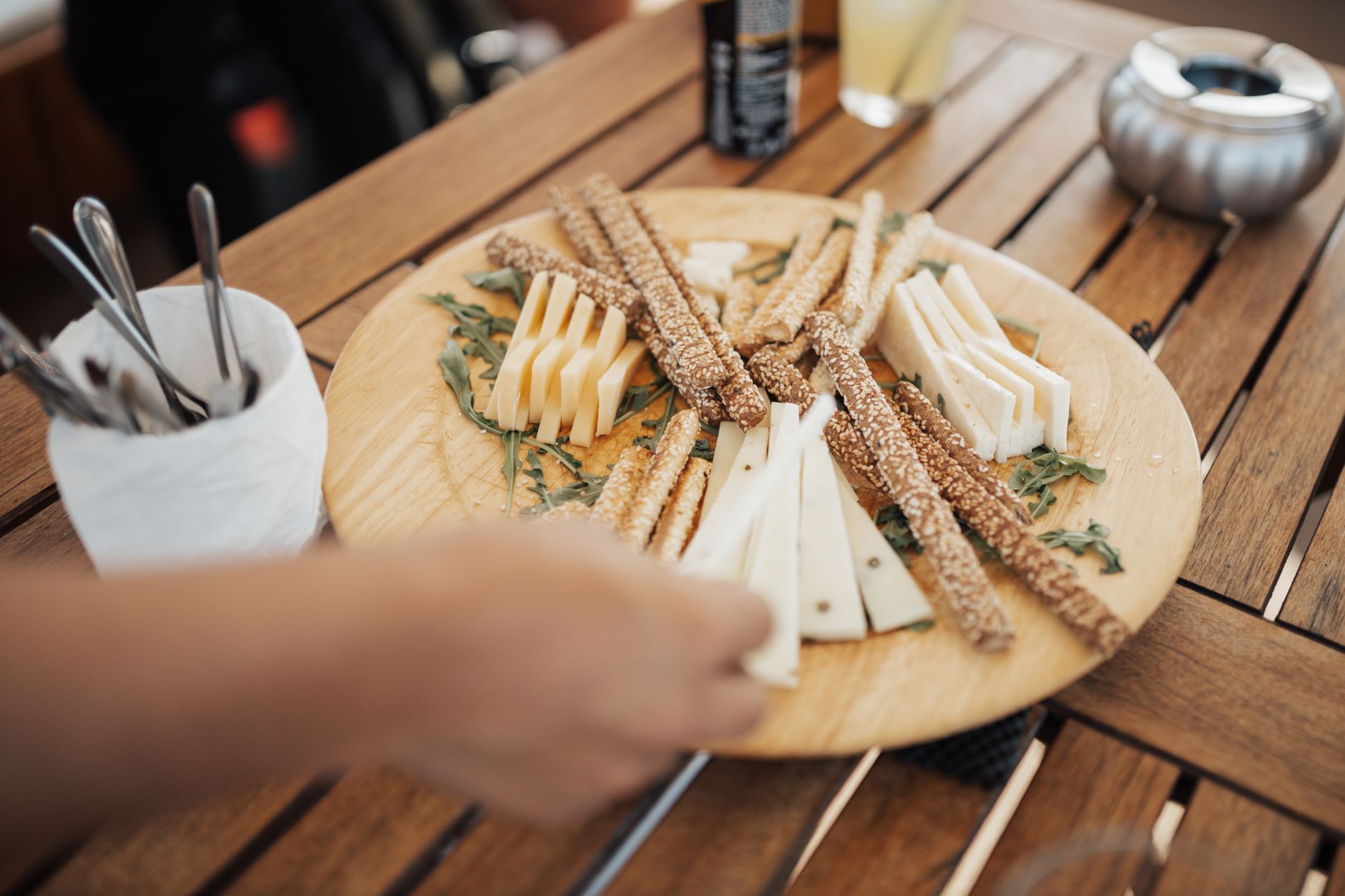
Sample cured and raw Payoya goat cheeses directly from Quesería Sierra Crestellina, seasoned with paprika, mountain herbs, or steeped in local olive oil.
Sacred Architecture in Casares Andalusia Spain
Inspect the 16th-century Church of La Encarnación and the Ermita de la Vera Cruz, whose quiet courtyards offer shaded respite on hot inland afternoons.
Village Plazas in Casares Andalusia Spain
Take an iron chair at Plaza de España for a morning café con leche or a glass of chilled fino alongside plates of local aceitunas aliñadas and cured ham.
Nature Reserves in Casares Andalusia Spain
Trek into the Sierra Crestellina Paraje Natural, where jagged limestone ridges provide roosting ledges for the largest griffon vulture colony in the province.
Coastal Strips in Casares Andalusia Spain
Drive fifteen minutes down to Playa Ancha for grilled sardines cooked over olive wood at beach chiringuitos along the edge of the Mediterranean.
Day Trips in Casares Andalusia Spain
Follow the mountain curves inland to Gaucín and Ronda, winding past chestnut forests and white villages perched above deep Andalusian river valleys.