

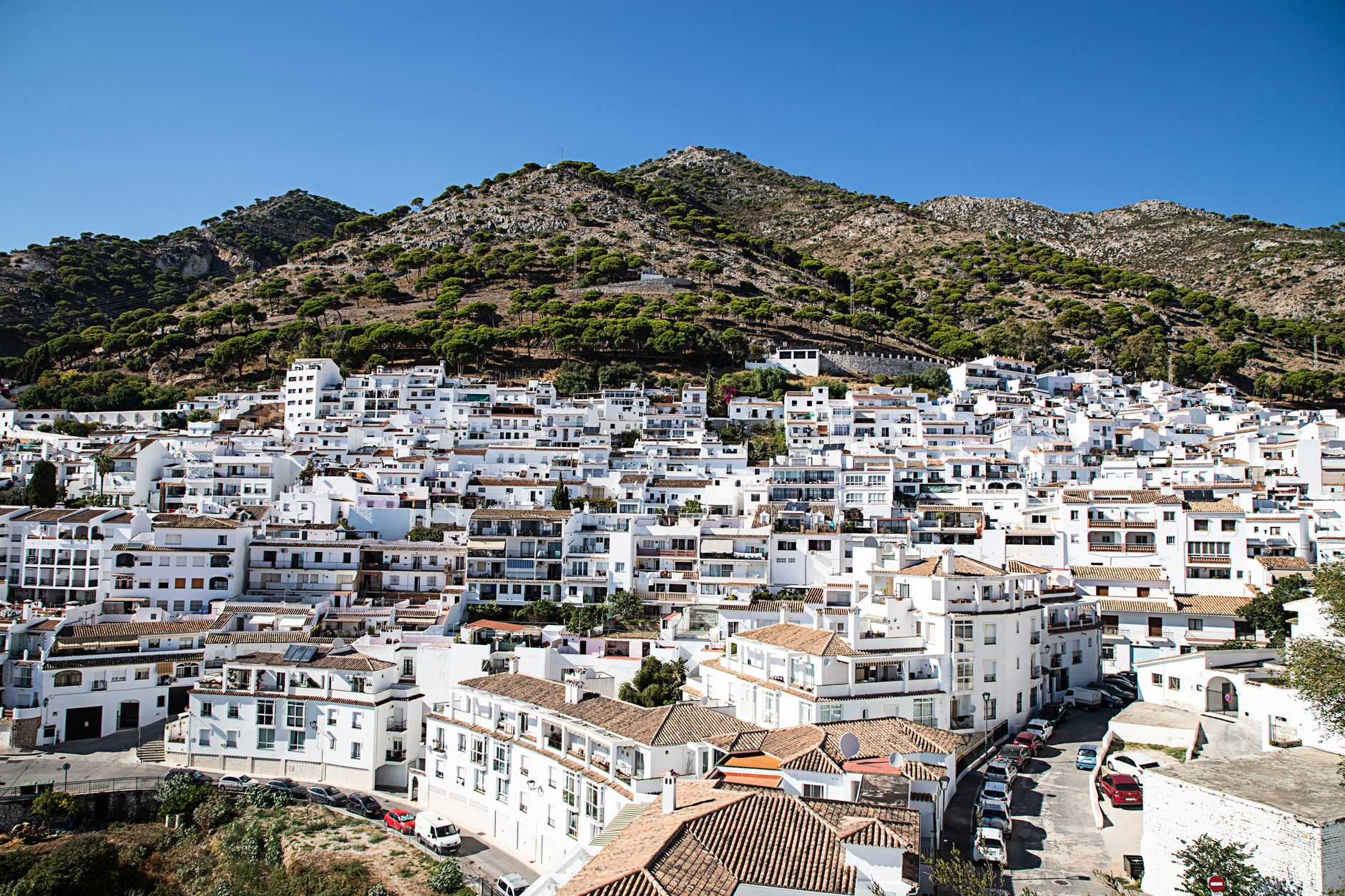
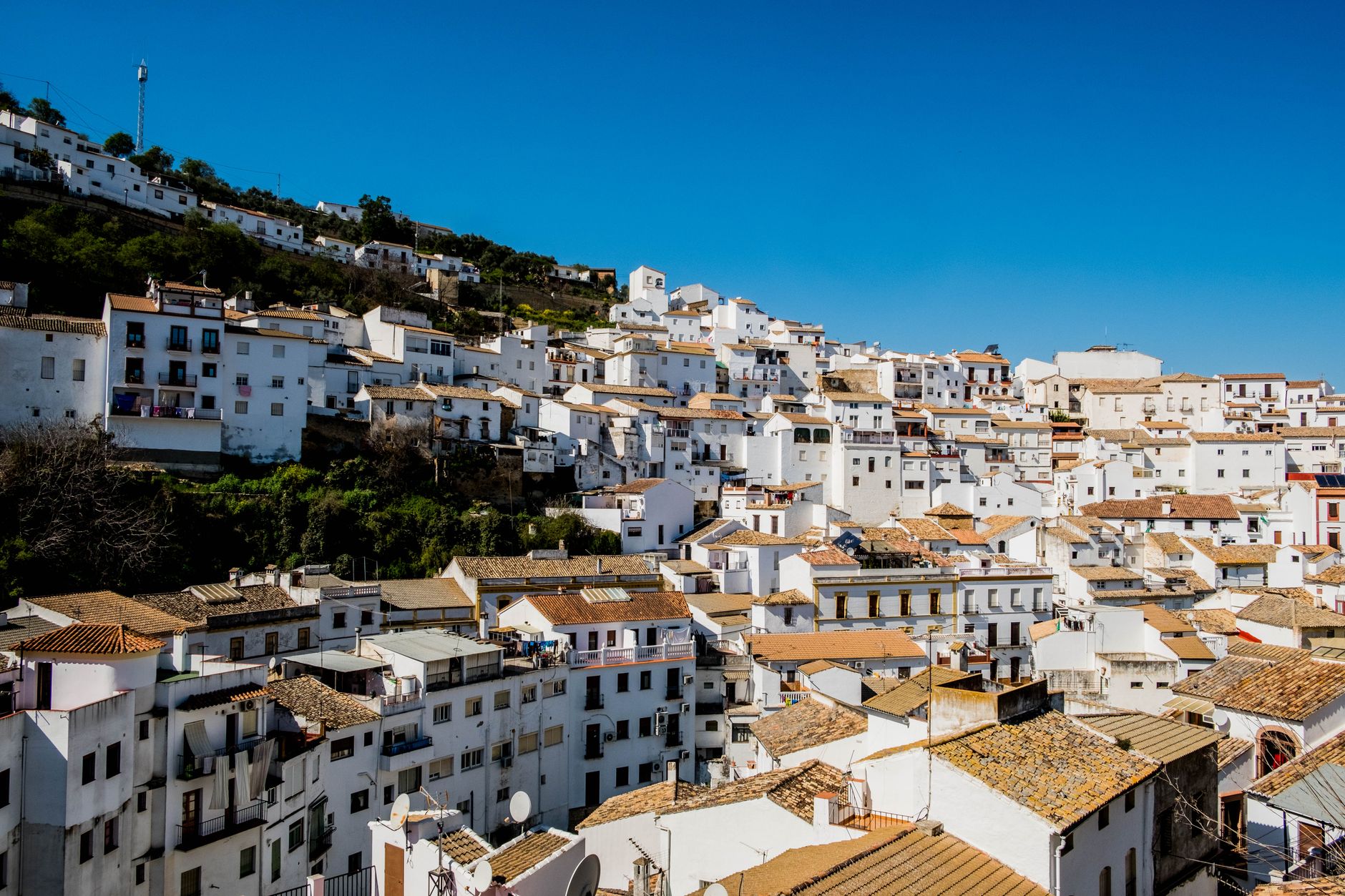
Casares sits in the hills twenty-five minutes inland from Estepona and an hour west of Málaga Airport, known for its sheer cliff-side Moorish fortress and the birthplace of Andalusian nationalist Blas Infante. The streets are essentially outdoor staircases paved in slick river cobbles. Casares is worth visiting if you want steep whitewashed alleys, mountain walking, and rustic roadside stews of garlic kid goat. Look elsewhere if you need level footing, direct beach access, or late-night cocktail bars.
Last updated 16 Nov 2026
Build a Casares itinerary.
Choose up to 4 threads that pull you in. Your plan arrives organised around them.
The Bed
Where to stay in Casares
Which part of town to book, and what each one costs you in walking, noise or quiet.
The Comparison
Casares, or somewhere near it
The places you are realistically choosing between, and the honest case for each.
The Local Record
Where to read more about Casares
The blogs, boards, guides and operators worth bookmarking.
What to do in Casares Andalusia Spain
Casares clings vertically to a limestone bluff, demanding good calves and sturdy shoes. Life here unfolds between the morning coffee on Plaza de España and evening strolls up to the ruined castle plateau. It is a quiet, working village suited to walkers, landscape painters, and travellers who prefer mountain air and slow rustic lunches over coastal resort amenities.
24 hours in Casares Andalusia Spain
Park below the village early to avoid the tight streets. Climb past whitewashed houses to the Moorish castle before midday heat, lunch on braised rabbit at Venta Victoria on the approach road, and spend the cooler evening around Plaza de España with a plate of cured goat cheese. Select 1 Day above to see it.
2 days in Casares Andalusia Spain
A second day lets you hike the rocky crest of Sierra Crestellina to spot nesting vultures. Afterwards, drive fifteen minutes down the valley for a sulphur soak at Baños de la Hedionda, followed by grilled sardines at a beachside chiringuito on Casares Costa. Choose 2 Days to expand the plan.
3 days in Casares Andalusia Spain
Three days allow a slow excursion into the cork oak forests of the Genal Valley or a morning in nearby Gaucín. You can linger over artisanal payoya cheese tastings at Sierra Crestellina and take the quiet walking trail down through the mills of Arroyo Hondo.
Casares Andalusia Spain itineraries by interest
Hilltop Fortress in Casares Andalusia Spain
Climb through the ruined thirteenth-century Moorish alcázar ramparts above town for sweeping vistas across the Strait to the North African coast.
Regional Cheeses in Casares Andalusia Spain
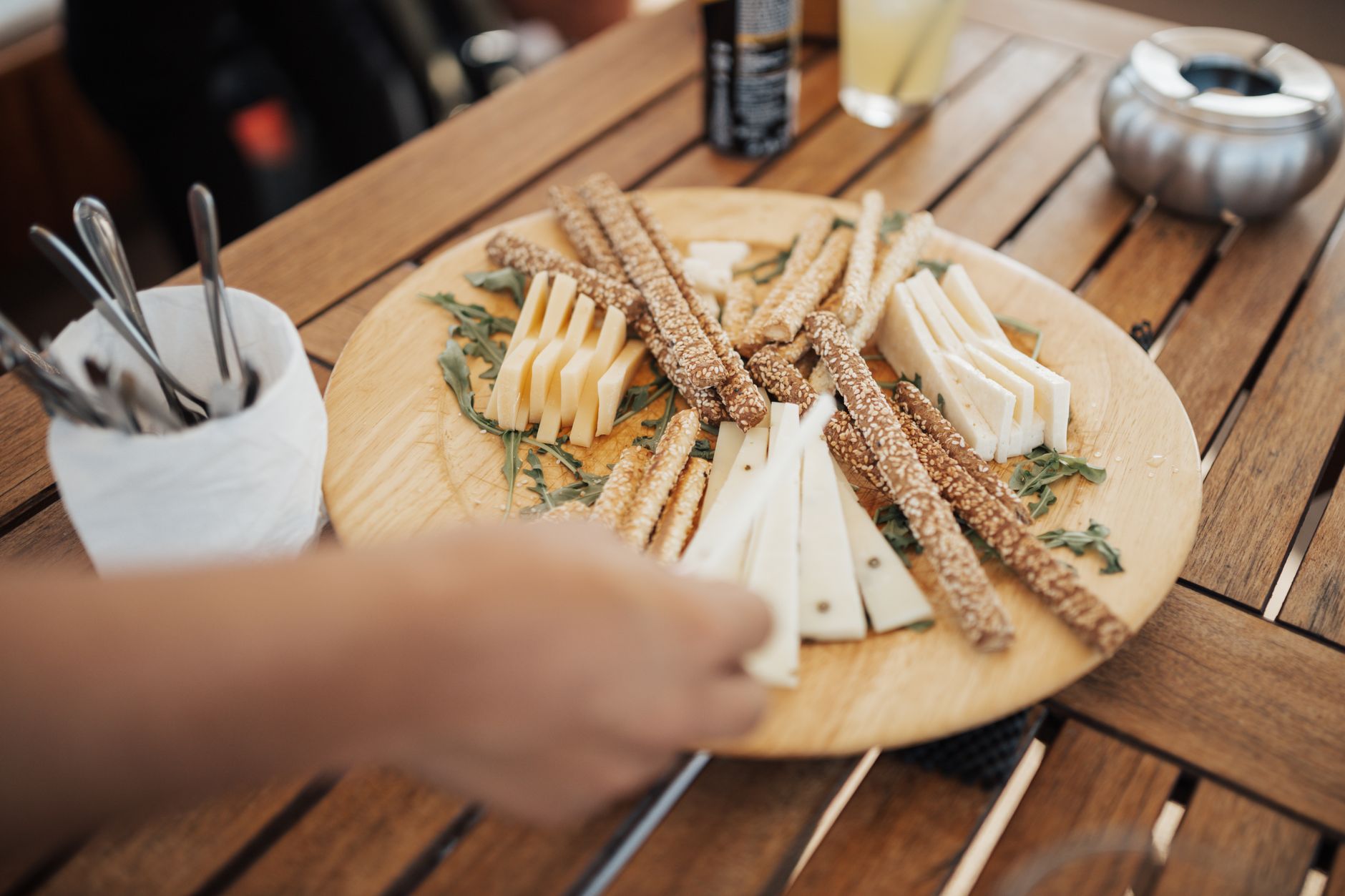
Sample cured and unpasteurised payoya goat milk cheeses made by hand at Sierra Crestellina, paired with local wildflower honey.
Mountain Hiking in Casares Andalusia Spain
Follow the steep circular path around the jagged limestone crest of Sierra Crestellina, watching resident griffon vulture colonies.
Thermal Baths in Casares Andalusia Spain
Soak in the sulphurous waters of Baños de la Hedionda, an open-vaulted Roman bathhouse five miles down the hillside toward Manilva.
Meat & Game in Casares Andalusia Spain
Eat chivo al ajillo and stewed Iberian pork at rustic roadside ventas along the MA-8300, served in bubbling clay cazuelas with crusty bread.
Modern History in Casares Andalusia Spain
Visit Casa Natal de Blas Infante on Calle Carrera to understand the father of Andalusian identity and the rural politics of the 1930s.
Village Squares in Casares Andalusia Spain
Order a cold caña and fried almonds on Plaza de España while watching swallows dive around the eighteenth-century San Sebastián chapel.
Birdwatching in Casares Andalusia Spain
Scan the sheer cliffs of the Crestellina gorge for Eurasian griffon vultures, kestrels, and booted eagles riding thermal updrafts.
Sacred Architecture in Casares Andalusia Spain
Inspect the repurposed sixteenth-century Iglesia Mayor de la Encarnación, now a quiet cultural space crowned by a mudejar bell tower.
Scenic Drives in Casares Andalusia Spain
Navigate the winding curves of the A-377 and MA-8300, which switchback steeply between olive groves and limestone ravines.
Coastal Day Trips in Casares Andalusia Spain
Drive fifteen minutes down to Casares Costa and the sandy coves of Playa Ancha for grilled sardines and quick Atlantic dips.
Rural Trails in Casares Andalusia Spain
Walk the downhill Camino de Jimena path connecting ancient olive terraces, grazing pastures, and old water mills in the valley floor.