


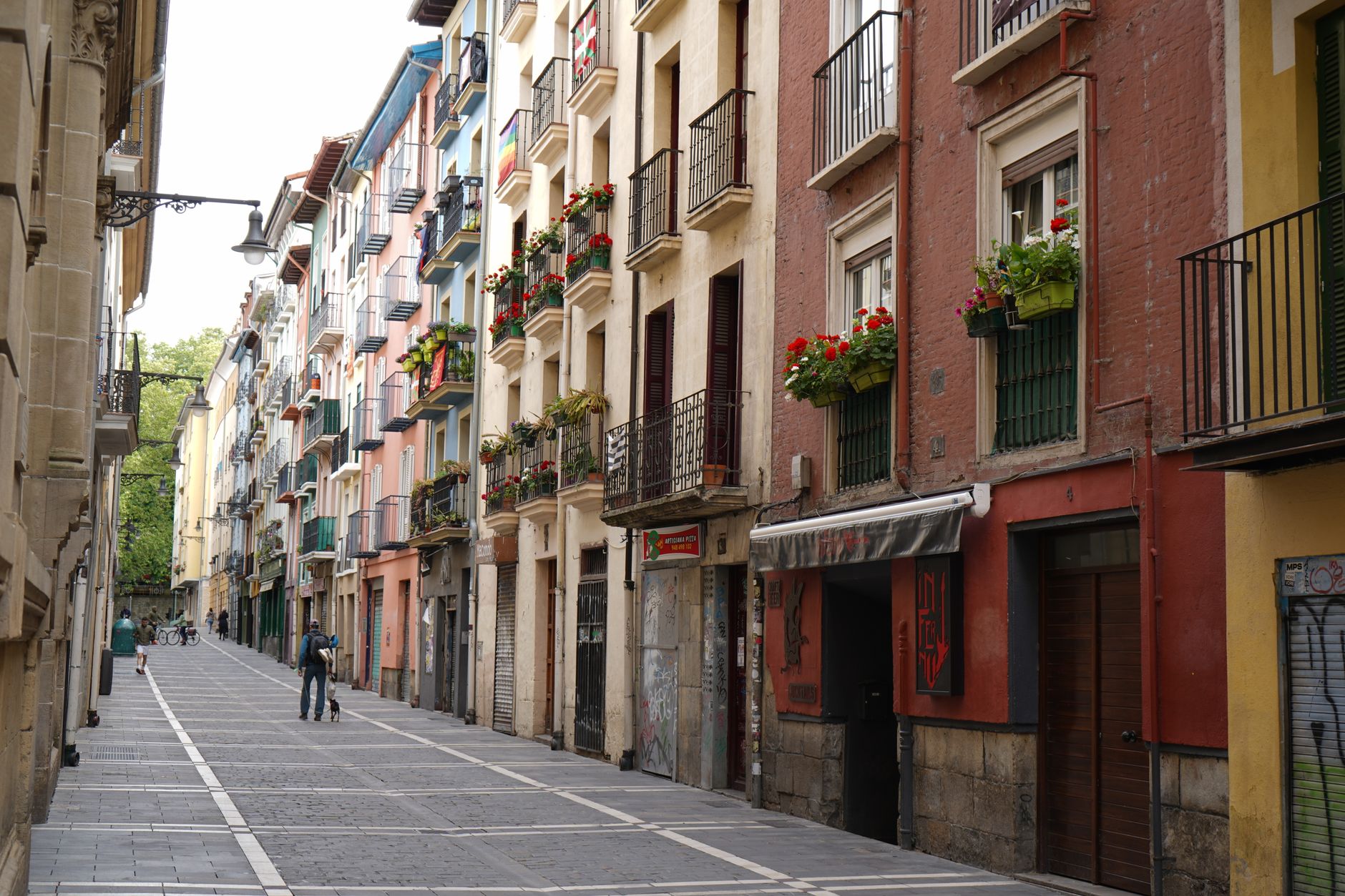
Cazorla clings to a sheer limestone bluff where the olive seas of Jaén collide with the crags of the Sierra de Cazorla. The air smells of woodsmoke, crushed rosemary, and frying oil. You walk straight up from Plaza de Santa María toward the Castillo de la Yedra, your calves burning while swallows cut arcs through the afternoon heat. It is a working mountain town built on Picual harvests, cured wild game, and the cold, roaring waters of the subterranean Cerezuelo river.
Last updated 22 Aug 2026
Build a Cazorla itinerary.
Choose up to 4 threads that pull you in. Your plan arrives organised around them.
We'll craft a 3-lens plan for Cazorla, one collapsible strand per lens.
Tavern Culture
Lean against the tile bar at small taverns around Plaza de la Corredera for draught beer served with complimentary tapas of morcilla and fried kidneys.
Tavern Culture
Lean against the tile bar at small taverns around Plaza de la Corredera for draught beer served with complimentary tapas of morcilla and fried kidneys.
Sampling Lomo de Orza
Taberna Leandro
Walk in without reservations and lean against the timber bar. Order a cold caña and a plate of cured pork loin in olive oil for around eight euros. Budget forty minutes.
Editor TipPreserving fried pork loin in earthenware jars submerged in cold-pressed olive oil was the sierra's winter survival technique, now elevated to classic tavern fare. Ask for an extra basket of crusty pan de pueblo to mop up the spiced oil left on the plate.
Countertop Morcilla And Local Red
Taberna El Choto
Find a spot at the oak counter by half past eight. A caña comes with warm morcilla de caldera; order a glass of Jaén Syrah and spend an unhurried hour.
Editor TipTavern counters in Jaén province maintain the ritual of complimentary tapas, where soft spiced blood sausage is spooned over toasted pan de pueblo. Stand close to the kitchen hatch where hot tapas emerge fresh rather than sitting at the rear dining tables.
Forest Trails
Drive up to the high botanical gardens of Torre del Vinagre before walking the shade of dense black pine and ancient yew groves along the upper valley.
Forest Trails
Drive up to the high botanical gardens of Torre del Vinagre before walking the shade of dense black pine and ancient yew groves along the upper valley.
Walking the Cerezuelo River Trail
Sendero del Río Cerezuelo
The trail starts right behind the ruins of Santa María. It takes about ninety minutes along wooden footbridges and rocky ledges up to the waterfalls. Sturdy trainers are fine; no fee or booking needed.
Editor TipCarved by mountain runoff below the eleventh-century Castillo de la Yedra, this gorge provided Cazorla with drinking water, mill power, and a natural defensive moat for centuries. Turn around at the Cascada de la Malena pool before the sun peaks over the limestone ridge above.
Upper Guadalquivir Gorge Walk
Sendero Cerrada del Utrero
Park beside the San Pedro kiosk. The circular trail takes about ninety minutes, free of charge, hugging narrow stone ledges carved directly into the limestone above the river.
Editor TipCarved by the infant Guadalquivir River, this gorge shelters ancient black pine forest and nesting griffon vultures that circle the morning thermals off the sheer rock faces. Wear shoes with decent rubber grip. The limestone path near the Linarejos waterfall is slicker than it looks.
Local Cured Meats
Sample cured deer cecina, spicy chorizo de monte, and mountain ham cured in the dry upland air, sliced paper-thin and doused in fresh green olive oil.
Local Cured Meats
Sample cured deer cecina, spicy chorizo de monte, and mountain ham cured in the dry upland air, sliced paper-thin and doused in fresh green olive oil.
Breakfast with Sierra Cured Ham
Bar Las Vegas
Grab an outside table on Plaza de la Corredera. Order a media tostada con tomate, local Picual oil, and serrano ham with a café con leche. Cash is easiest; expect to spend four euros.
Editor TipJaén province produces more olive oil than anywhere else on earth, and here the peppery early-harvest Picual is treated as morning fuel alongside mountain ham cured in the dry Sierra air. Pour the green oil first, then the crushed tomato, then drape the ham. Reversing the order earns quiet local despair.
Mountain Charcuterie and Rin-Ran
Taberna Quinito
Order a caña at the zinc bar to receive complimentary cured wild boar or deer cecina. Arrive by nine for a barrel table; expect fifteen euros per head.
Editor TipSierra de Cazorla hunters and shepherds shaped this kitchen around salt-cured venison and rin-ran, a cold mash of dried peppers, potatoes, and flaked cod. Do not pass on the morcilla de caldera. Spread it warm on crusty pan de pueblo.
Mountain Tostada and Wild Game
Venta de Vadillo
Order a toasted mollete with grated tomato and cured wild boar cecina at the timber counter. Breakfast costs under six euros, cash is easiest, and thirty minutes is plenty.
Editor TipMountain ventas across Jaen have sustained loggers and shepherds since the nineteenth century with salt-cured mountain game and intense green Picual olive oil pressed down in the valley. Ask for the local cold-pressed Picual oil rather than the neutral bottle sitting out on the table.
Tasting Cured Sierra Venison
Restaurante Los Parrales
Take an outdoor table overlooking the valley. Order the plate of cecina de ciervo with sheep cheese and fresh bread for fifteen euros; allow an hour.
Editor TipHigh-altitude pine air cures these game meats cleanly without heavy woodsmoke, an autumn butcher tradition preserved across the Guadalquivir valley. Ask the server for the house-cured chorizo de gamo before it runs out during the late lunch rush.
Note from the Editor
“Start early before the midday heat hits the valley floor. Plaza tables fill by nine with loggers and walkers, so claim your corner, order your tostada at the counter, and skip the queue.”
The Bed
Where to stay in Cazorla
Which part of town to book, and what each one costs you in walking, noise or quiet.
Places to stay
Central, well-rated and easy to find again. Distances are from the middle of town.
These links go to Booking.com and earn us a commission. They cost you nothing extra.
The Comparison
Cazorla, or somewhere near it
The places you are realistically choosing between, and the honest case for each.
The Local Record
Where to read more about Cazorla
The blogs, boards, guides and operators worth bookmarking.
What to do in Cazorla Andalusia Spain
Cazorla is built vertically along a rugged ravine, dividing into quiet upper cobblestone alleys and the lively squares below. Mornings begin with toasted mollete bread soaked in robust green Picual oil, followed by steep walks or valley excursions. After midday heat slows the pace, evenings center on tapas crawls around Plaza de la Corredera. It suits active walkers, independent motorists, and travellers who appreciate rustic hospitality over manicured polish.
24 hours in Cazorla Andalusia Spain
Begin at nine with the subterranean vault walk beneath Santa María church, followed by the uphill climb to Castillo de la Yedra. For lunch, order deer stew and rin-ran at a terrace on Plaza de la Constitución. Spend the cooler late afternoon walking the shaded two-hour Cerezuelo river trail, finishing with draught cañas and plates of cured sheep cheese back in town. Select 1 Day above to see it.
2 days in Cazorla Andalusia Spain
A second day takes you into the natural park along the Río Borosa gorge, forty minutes north by car. Pack sturdy shoes for the river footbridges, then head to the village of Arroyo Frío for a hearty lunch of gachamiga and grilled lamb chops. Return to Cazorla to browse local pottery and sample early-harvest olive oils in the lower market shops before dinner. Choose 2 Days to expand the plan.
3 days in Cazorla Andalusia Spain
A third day allows an unhurried excursion to the Renaissance hill towns of Úbeda and Baeza, forty-five miles west through silver olive groves. Spend the morning touring stone palaces designed by Andrés de Vandelvira, then linger over braised oxtail and local wines before driving back up into the quiet mountain air of Cazorla for a final sunset drink at Balcón de Zabaleta.
Cazorla Andalusia Spain itineraries by interest
Mountain Hiking in Cazorla Andalusia Spain
Follow the Río Borosa track past the Cerrada de Elías canyon over wooden footbridges, or climb through pine woods toward the limestone summit of Gilillo.
Regional Olive Oil in Cazorla Andalusia Spain
Taste early-harvest Picual pressed across the Sierra de Cazorla Denominación de Origen, marked by distinct bitter-leaf notes and intense peppery finishes.
Castles & Fortresses in Cazorla Andalusia Spain
Climb through Castillo de la Yedra above town to see the vaulted tower rooms, or seek out the ruined ramparts of Castillo de las Cinco Esquinas on the ridge.
Mountain Cooking in Cazorla Andalusia Spain
Eat slow-braised wild boar in rich gravy, gachamiga crusts fried with dried peppers and pork belly, and rin-ran made with salt cod, potatoes, and olives.
River Canyons in Cazorla Andalusia Spain
Walk beneath the ruined vaults of Santa María church into the vaulted tunnel enclosing the Cerezuelo river, where cool spray rises from the stone bed.
Wildlife Watching in Cazorla Andalusia Spain
Scan the limestone crags near El Chorro for griffon vultures circling thermal drafts, or watch for Spanish ibex and red deer along quiet forestry tracks.
Tavern Culture in Cazorla Andalusia Spain
Lean against the tile bar at small taverns around Plaza de la Corredera for draught beer served with complimentary tapas of morcilla and fried kidneys.
Sacred Architecture in Cazorla Andalusia Spain
Inspect the Renaissance shell of Iglesia de Santa María, designed by Andrés de Vandelvira in the sixteenth century over a raging subterranean riverbed.
Village Traditions in Cazorla Andalusia Spain
Walk the whitewashed lanes of the historic quarter on autumn evenings when locals roast chestnuts and harvest walnuts along the riverbanks of the Cerezuelo.
Forest Trails in Cazorla Andalusia Spain
Drive up to the high botanical gardens of Torre del Vinagre before walking the shade of dense black pine and ancient yew groves along the upper valley.
Local Cured Meats in Cazorla Andalusia Spain
Sample cured deer cecina, spicy chorizo de monte, and mountain ham cured in the dry upland air, sliced paper-thin and doused in fresh green olive oil.
Scenic Drives in Cazorla Andalusia Spain
Follow the A-319 through the Tranco de Beas reservoir gorge, threading hairpin turns between sheer limestone faces and panoramic mountain overlooks.