.jpg)

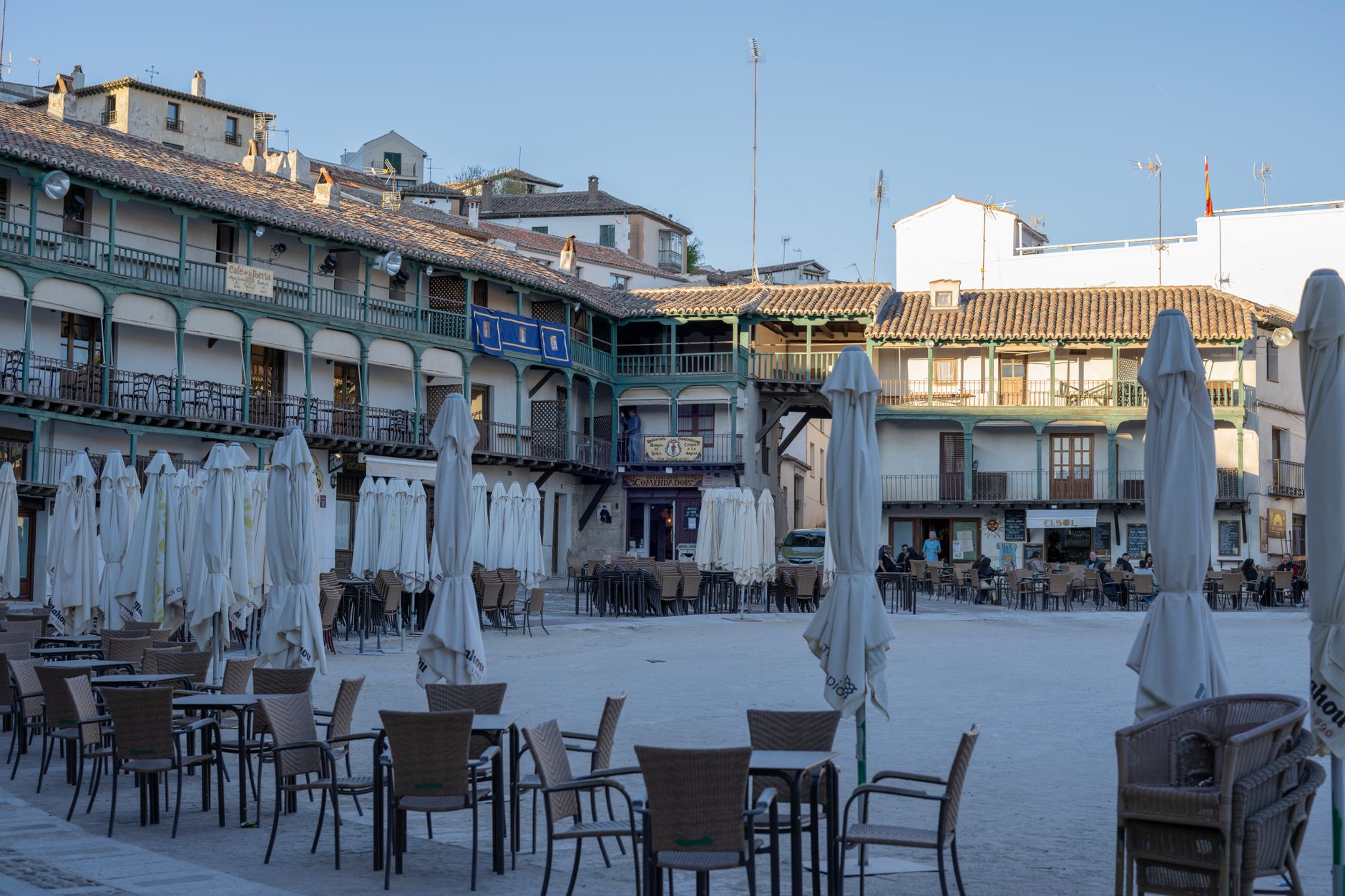
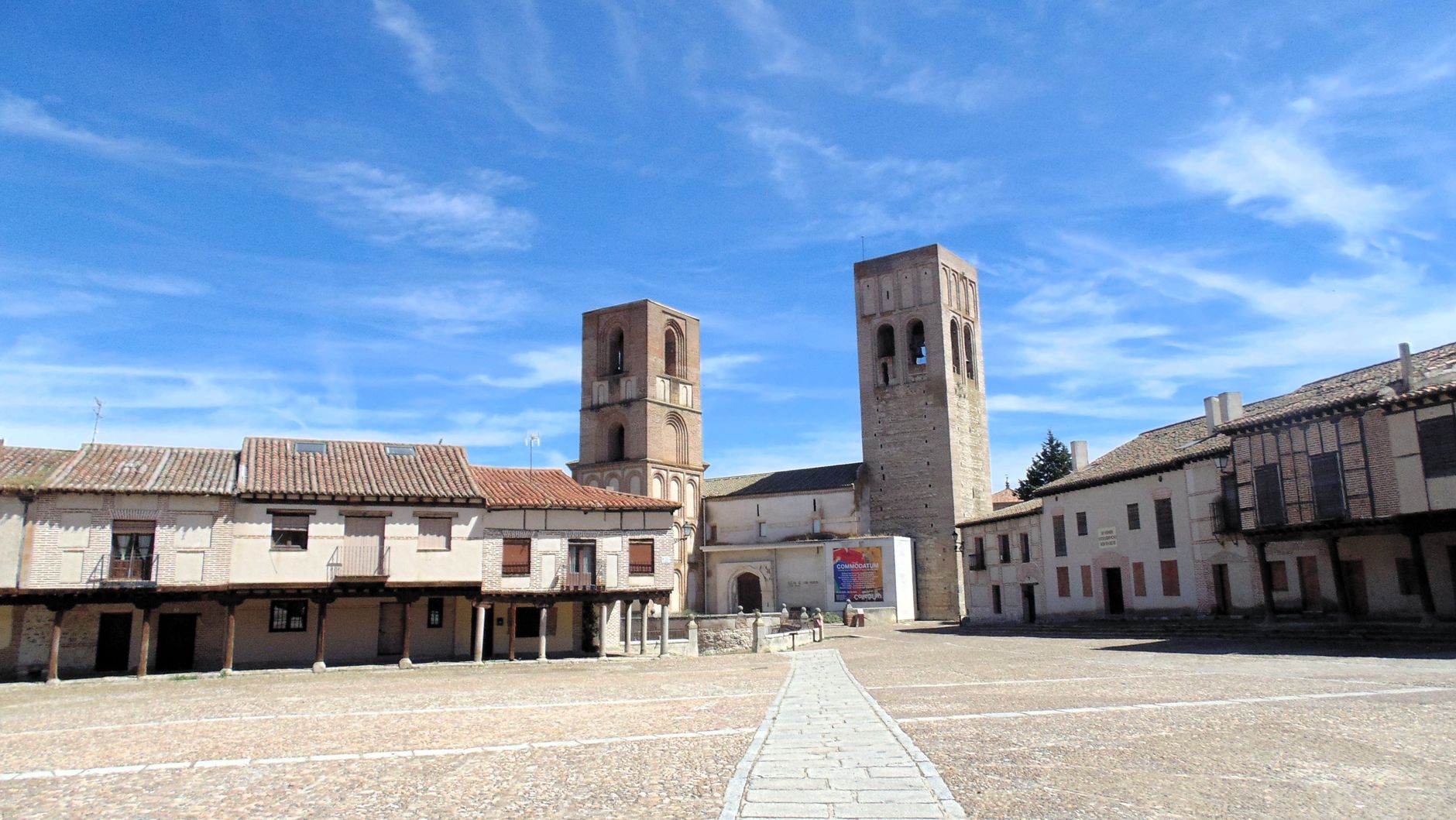
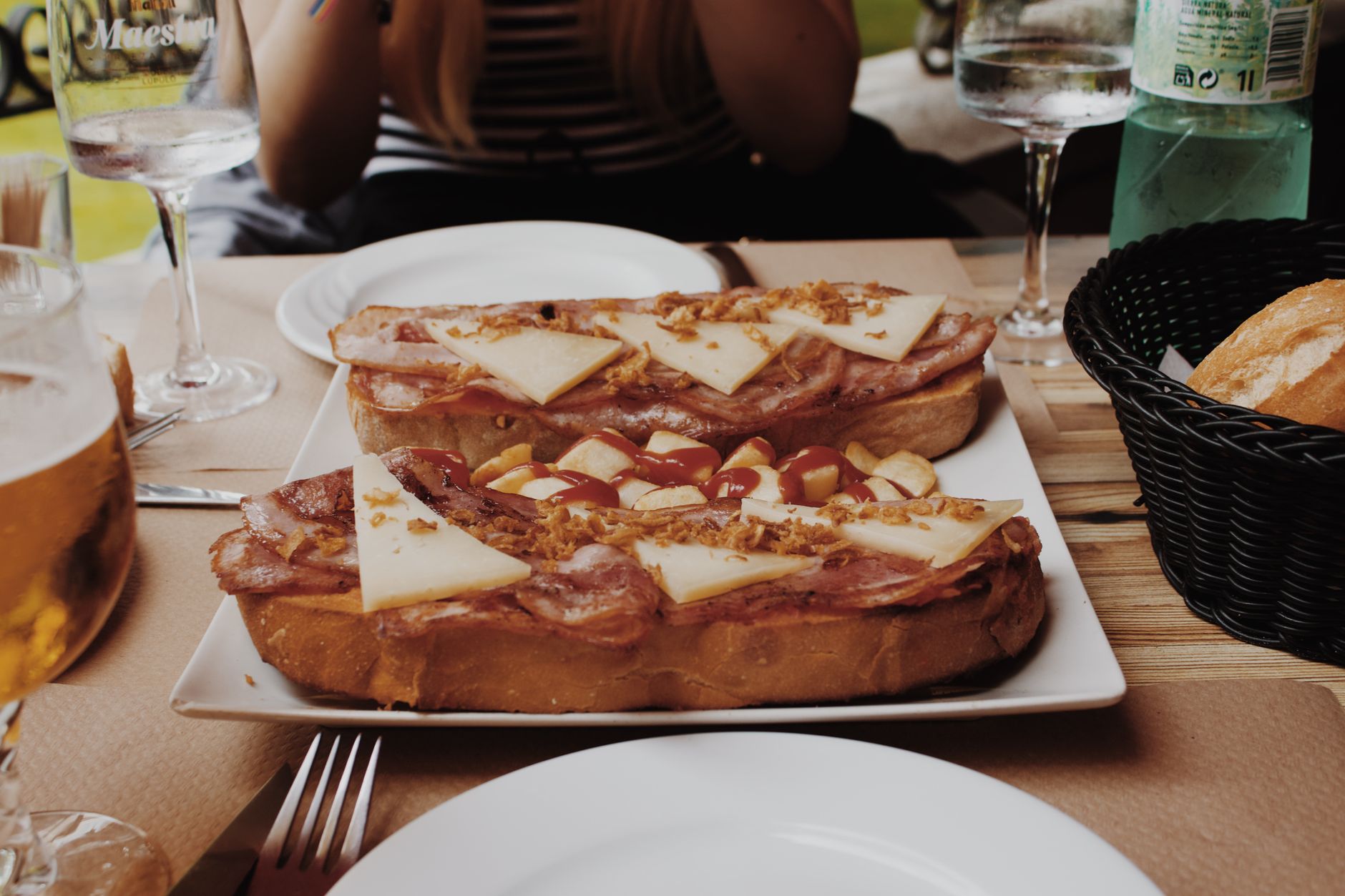
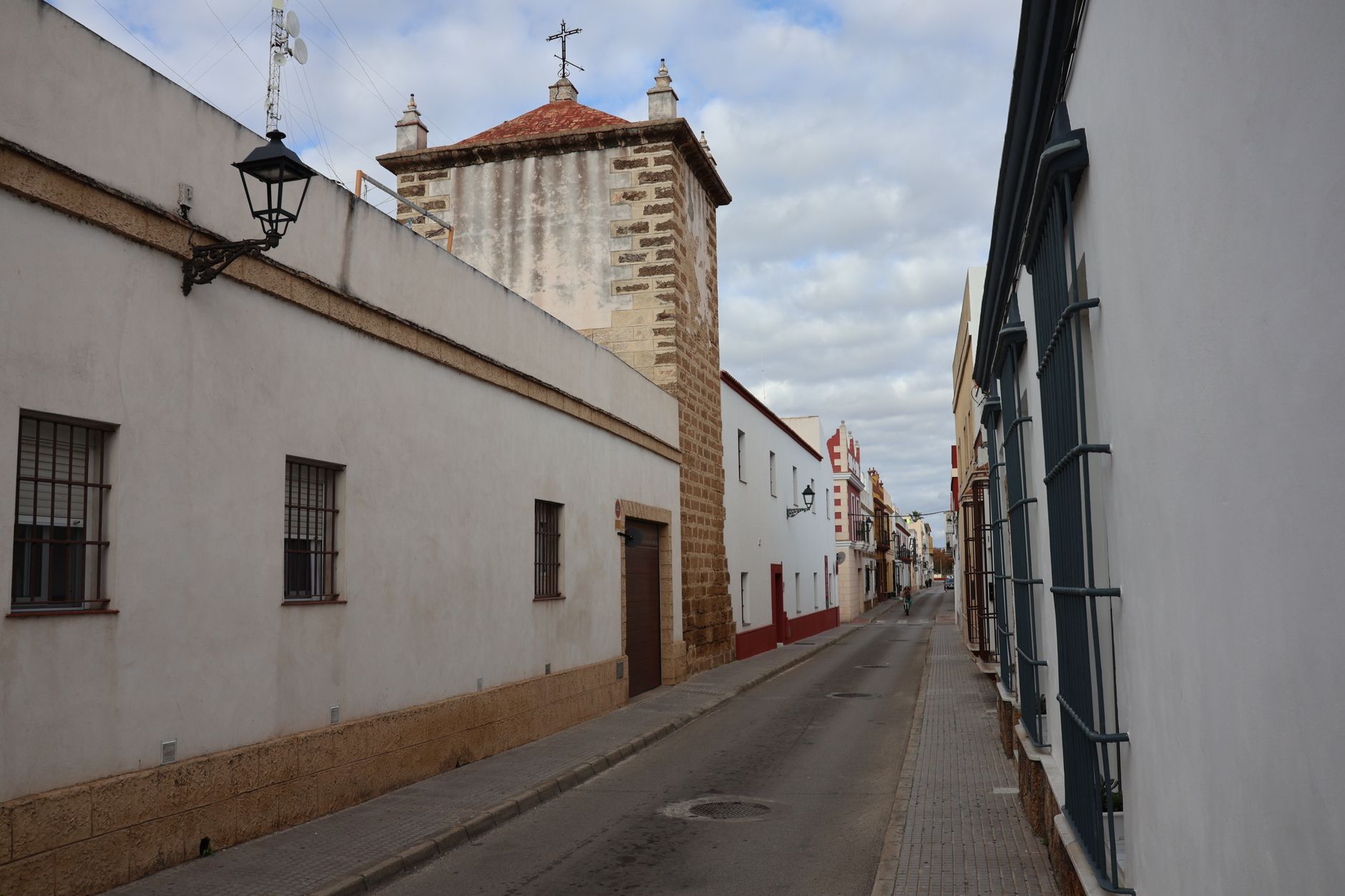
Dust-coloured hills give way suddenly to a tilt of wooden balconies. Chinchón unspools around an amphitheatre of a central square where horses once ran and bulls still do in October. Down on the cobbles, the clatter of heavy terracotta dishes signals roasted lechazo emerging from oak-fired ovens. Old men nurse glasses of dry anise before lunch, entirely unconcerned by your schedule. It is medieval Castile without the museum polish: sturdy, direct, and unapologetically built around the table.
Last updated 30 Aug 2026
Build a Chinchón itinerary.
Choose up to 4 threads that pull you in. Your plan arrives organised around them.
The Bed
Where to stay in Chinchón
Which part of town to book, and what each one costs you in walking, noise or quiet.
The Comparison
Chinchón, or somewhere near it
The places you are realistically choosing between, and the honest case for each.
The Local Record
Where to read more about Chinchón
The blogs, boards, guides and operators worth bookmarking.
What to do in Chinchón Madrid Spain
Life here radiates from the Plaza Mayor, where lunch is an afternoon-long commitment. The town suits travellers who enjoy unhurried lunches, quiet hill walks, and exploring stone alleys on foot without a checklist. You spend your day walking between high viewpoints by the castle, dipping into subterranean wine caves, and settling under wooden balconies with roast meats and local red wine.
24 hours in Chinchón Madrid Spain
Start with morning coffee on Plaza Mayor before climbing to the Torre del Reloj and the castle ruins. By two, sit for oak-roasted suckling lamb at a tavern with underground caves. Spend the late afternoon buying purple garlic and anise, finishing with wine on a high terrace at dusk. Select 1 Day above to see it.
2 days in Chinchón Madrid Spain
A second day lets you explore the Vinos de Madrid cellars in the Tajuña valley and stroll the cloistered courtyard of the Parador. Book an evening table at La Casa del Pregonero for a modern take on Castilian stews and game, away from the midday weekend rush. Choose 2 Days to expand the plan.
3 days in Chinchón Madrid Spain
Three days allow an easy excursion down the road to the royal gardens of Aranjuez or the medieval village of Colmenar de Oreja. You will have time to walk the limestone trails along the old railway path at your own pace before a final leisurely tavern lunch.
Chinchón Madrid Spain itineraries by interest
Wood-Fired Roasts in Chinchón Madrid Spain
Order quarters of lechazo or cochinillo crisped in clay ovens at Mesón Cuevas del Vino and La Casa del Pregonero with crisp crusts and tender meat.
Local Spirits in Chinchón Madrid Spain
Taste dry and sweet anise distilled in traditional copper pot stills at the Sociedad Cosecheros, paired with almond pastries.
Historic Plazas in Chinchón Madrid Spain
Walk the 234 green wooden balconies of the Plaza Mayor, built across four centuries and converted into a bullring every autumn.
Sacred Architecture in Chinchón Madrid Spain
Visit Nuestra Señora de la Asunción to see Goya’s canvas The Assumption, then head uphill to the solitary Torre del Reloj.
Castles & Ruins in Chinchón Madrid Spain
Climb the gravel path to the 15th-century Castillo de los Condes for sweeping views across the Tajuña valley scrubland.
Markets & Produce in Chinchón Madrid Spain
Pick up braided strings of protected purple garlic, sheep milk cheeses, and pan de Chinchón at the Saturday morning vendors.
Monastic Heritage in Chinchón Madrid Spain
Wander the 17th-century cloister and quiet herb gardens of the Convento de San Agustín, now operating as the town Parador.
Wine & Vineyards in Chinchón Madrid Spain
Sample Tempranillo and Malvar wines from the Vinos de Madrid DO at bodegas carved into soft limestone hillsides.
Bakery Traditions in Chinchón Madrid Spain
Pick up tetas de novicia and pelotas de fraile, sweet anise-flavoured pastries baked daily in family-run panaderías.
Underground Caves in Chinchón Madrid Spain
Explore subterranean tinajas and wine storage cellars cut directly into the bedrock beneath old family taverns.
Walking & Trails in Chinchón Madrid Spain
Follow the Senda del Tren trail along the old railway line towards Morata de Tajuña across limestone plains and olive groves.
Day Trips in Chinchón Madrid Spain
Drive fifteen minutes south to Aranjuez to tour the royal palace, French gardens, and broad strawberry fields along the Tagus.