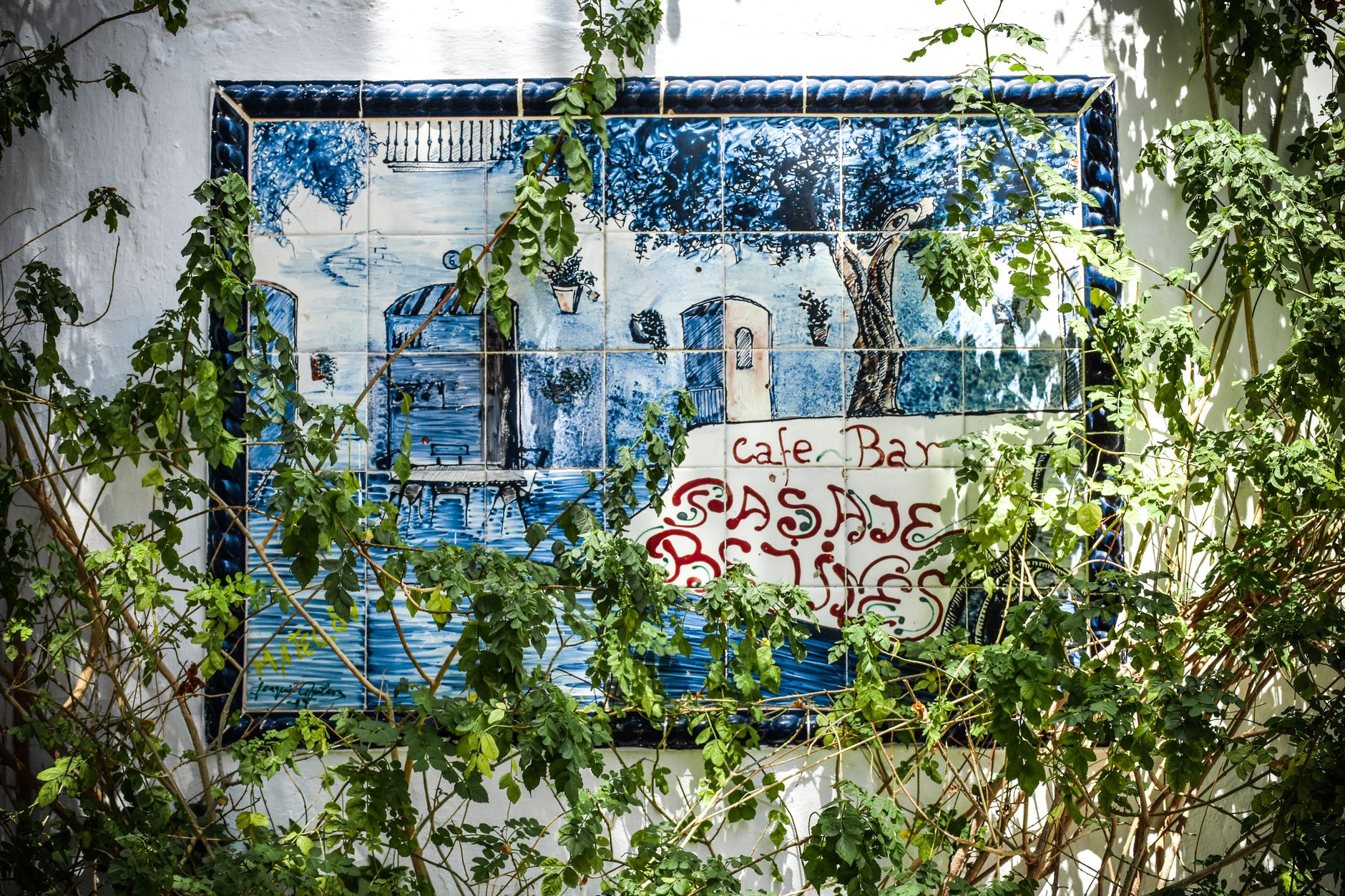
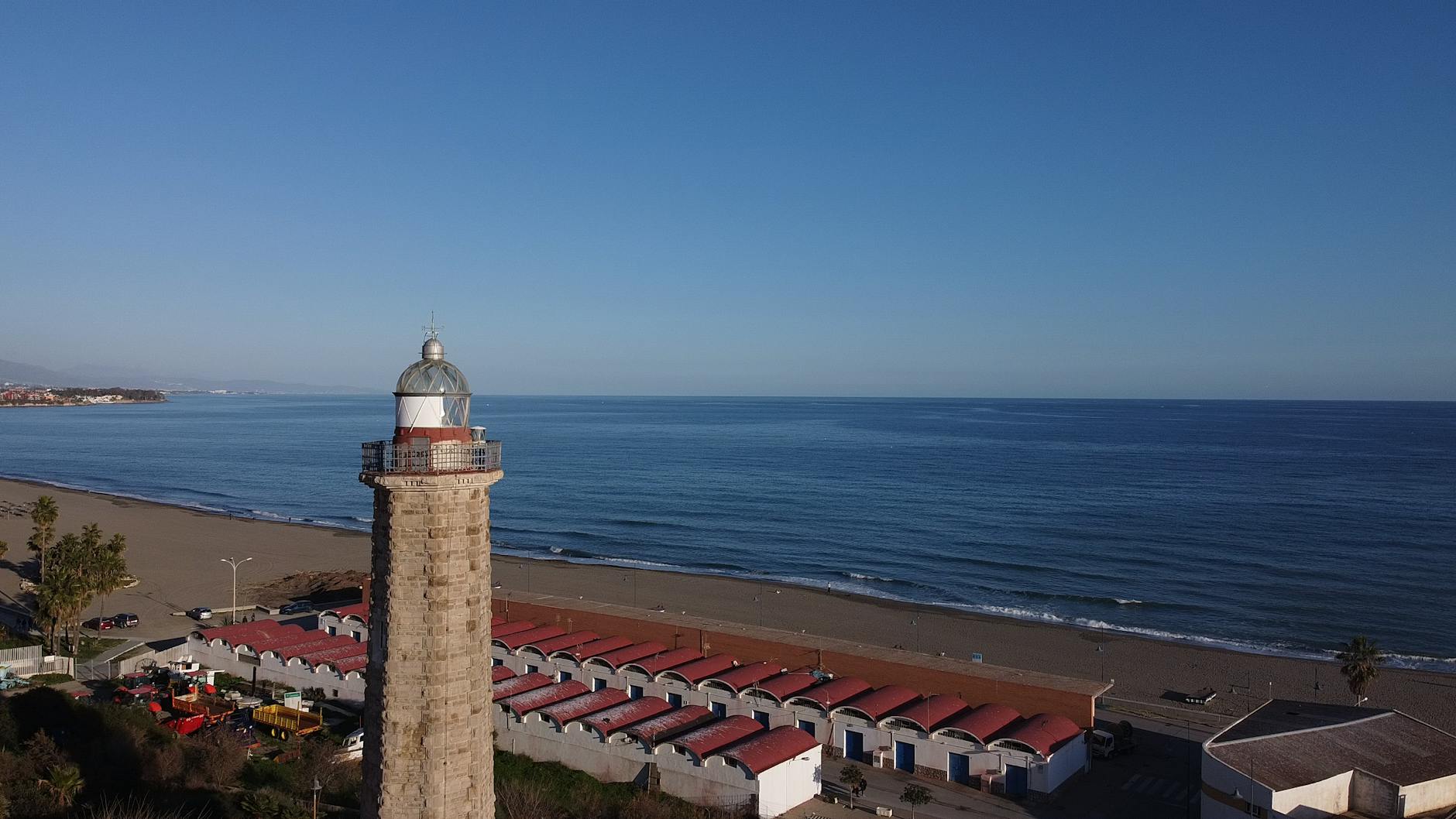


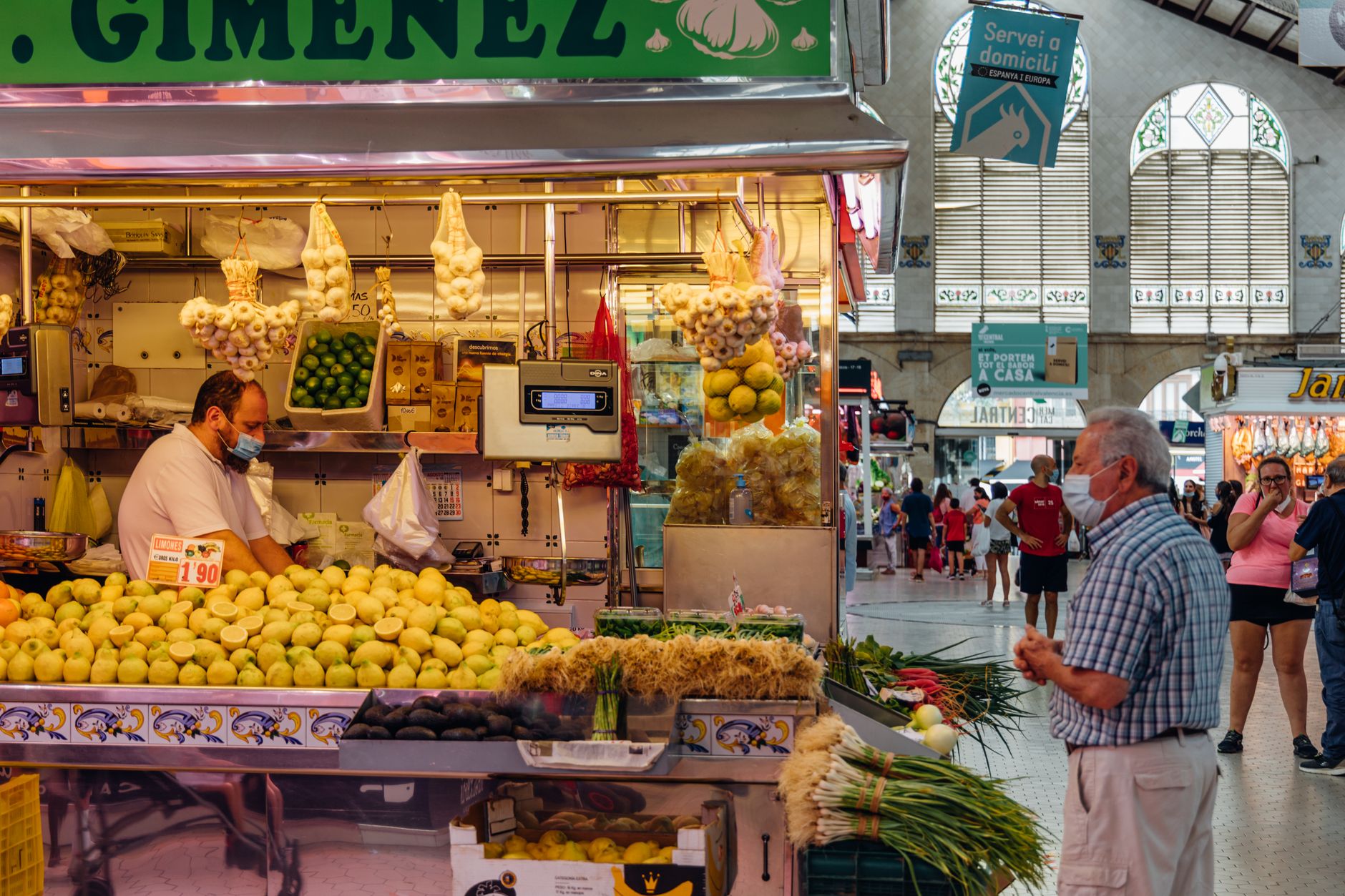
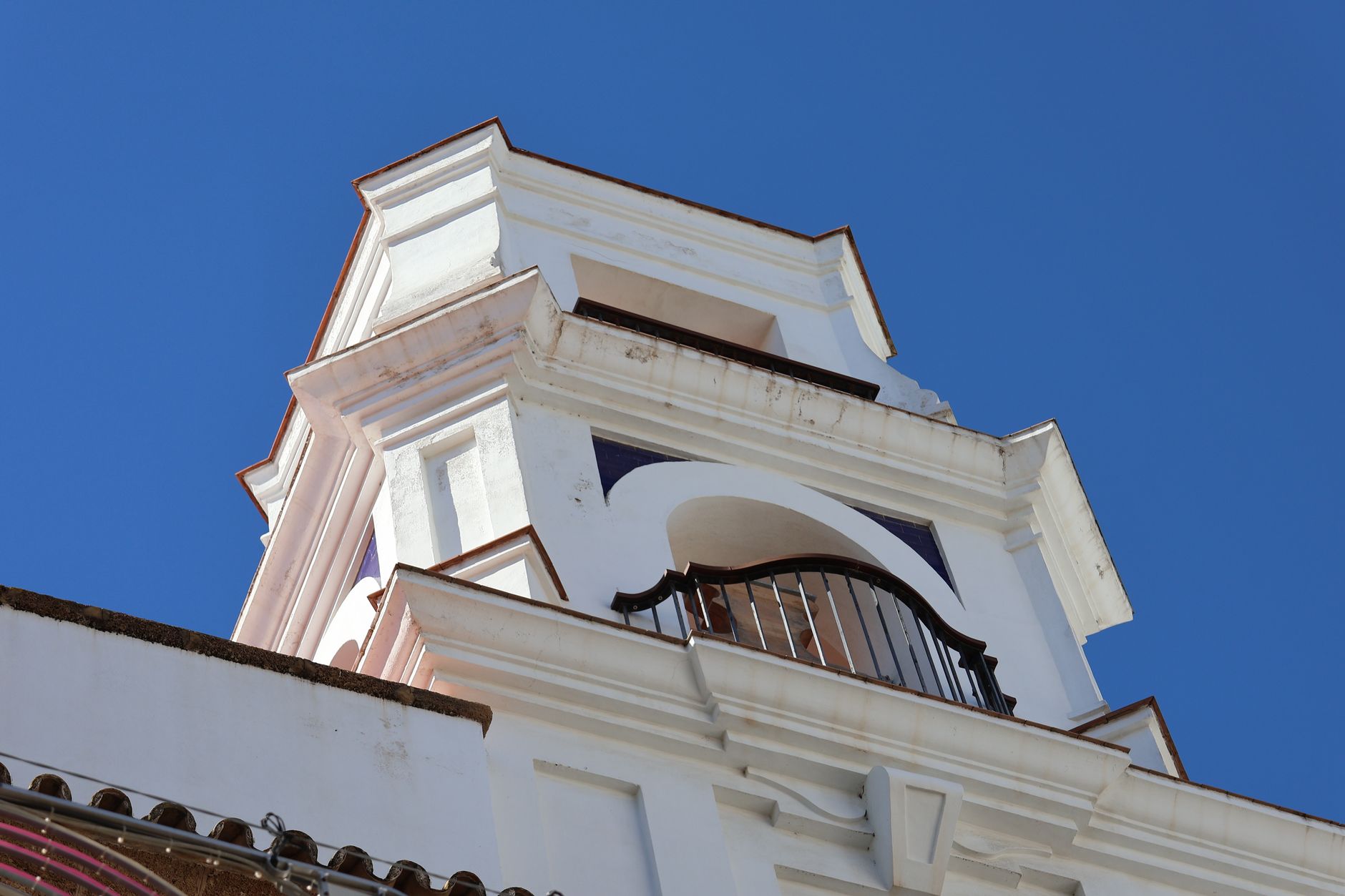
Salt air cuts through frying oil the minute you step toward Playa de la Rada. Behind the promenade lies a maze of tiled alleys and whitewashed houses, backed by the red peridotite peak of Sierra Bermeja. Estepona still sends boats out at dawn, which means the chiringuito charcoal grills smoke with sardines by midday. It is orderly, walkable, and unapologetic about shutting down for afternoon coffee.
Last updated 23 Aug 2026
Build a Estepona itinerary.
Choose up to 4 threads that pull you in. Your plan arrives organised around them.
We'll craft a 2-lens plan for Estepona, one collapsible strand per lens.
Historic Quarters
Walk the pedestrian alleys of the Old Town to find 16th-century Castillo de San Luis ruins, tiled flower pots on Calle Real, and quiet courtyards scented with jasmine.
Historic Quarters
Walk the pedestrian alleys of the Old Town to find 16th-century Castillo de San Luis ruins, tiled flower pots on Calle Real, and quiet courtyards scented with jasmine.
Crisp Tejeringos and Coffee
Churrería Ramón
Walk straight to the terrace on Plaza de las Flores. Order a rueda of tejeringos with black coffee for under four euros; they fry to order and take cash.
Editor TipMálaga tejeringos differ from standard churros: the yeast-leavened batter is extruded by hand in a continuous spiral, yielding an airy interior and blistered crust. Skip the heavy drinking chocolate unless you fancy an immediate morning nap.
Moorish Fortress and Morning Alleys
Castillo de Casares
Park below the village on Calle Camachas and walk up. The 12th-century ramparts are free to enter; wear shoes with grip for the slick cobbles and allow an hour.
Editor TipBuilt by Moorish rulers on a sheer limestone ridge, Casares served as a watchful frontier bastion overlooking the Mediterranean and Gibraltar for centuries. Stop at the small bakery beside Plaza de España for a toasted mollete before making the climb.
Roman Fish Salting and Fortifications
Castillo de la Duquesa
Drive fifteen minutes down to the coastline. Entry to the 18th-century battery and the Roman archaeological site is free; budget 45 minutes to inspect the vats.
Editor TipFirst-century Roman vats here cured mackerel and fermented garum fish sauce, establishing the coastal preservation methods that still underpin Malaga seafood. Stroll fifty paces south to the old fishermen cottages to see the morning handlines drying.
Clay-Pot Cuttlefish Stew
Restaurante Sarmiento
Book a terrace table for 19:30 to catch the dusk light on the cliff. Try the embers-roasted cuttlefish and a glass of dry Manzanilla for about 45 euros.
Editor TipPerched in the Sierra Bermeja foothills, Casares preserves twelfth-century Moorish street layouts where mountain larders meet the fresh catch hauled up from the coastal shelf below. Park at the lower village lot and walk up Calle Carrera; your calves will complain, but the sunset view settles the score.
Local Seafood
Watch wooden fishing boats unload red mullet and cuttlefish at the Puerto Pesquero, then eat skewered sardines grilled over olive wood coals along the sand at Chiringuito Paco.
Local Seafood
Watch wooden fishing boats unload red mullet and cuttlefish at the Puerto Pesquero, then eat skewered sardines grilled over olive wood coals along the sand at Chiringuito Paco.
Inspecting the Daily Catch
Mercado Municipal de Abastos
Enter through the south arch by Castillo de San Luis. Watch the fishmongers fillet small pelagics, then grab a glass of dry Manzanilla and boiled prawns at the corner counter.
Editor TipSitting right beside the sixteenth-century castle ruins, this market handles the local fleet's morning landings, notably gamba blanca, red mullet, and fresh cuttlefish. Look for glistening eyes and stiff tails on the boquerones; the mongers respect anyone who inspects closely.
Sardines Skewered over Olive Wood
Chiringuito El Madero
Claim a shaded table on Playa de la Rada. Order a skewer of sardines roasted over olive wood embers in the sandboat, paired with a cold Victoria lager. Budget twenty euros; allow one hour.
Editor TipThe espeto technique dates to nineteenth-century Málaga fishermen, who threaded fresh catches onto wild cane and tilted them toward wood coals on the beach, using nothing but sea salt and heat. Eat them with your fingers, biting straight off the bone from head to tail. Using a fork looks tragically dignified.
Whitewashed Plaza Shellfish Tapas
Taberna Miguel
Arrive as doors open at 20:30 on Calle Caridad. Order sizzling Gambas al Pil-Pil and a glass of dry Manzanilla sherry at the counter. Allow ninety minutes; budget thirty euros.
Editor TipEstepona's sixteenth-century core was built around fishing clans who bartered the daily haul in local taverns, a tradition kept alive through tapas of local red mullet, clams, and razor shells. Take an outdoor barrel table under the geranium pots. If the bread basket arrives warm, order extra for the garlic oil.
Dockside Catch of the Day
Restaurante La Escollera
Walk straight to the glass counter to point at whatever landed this morning, from red mullet to white prawns. Open for lunch from 13:00; expect a twenty-minute queue on weekends.
Editor TipSet right beside the working marina, this former fishermen's canteen maintains the daily auction ritual, frying Málaga-style in smoking olive oil with nothing more than coarse sea salt. Arrive just before 14:30 or after 16:00 to avoid the crush, and always order the puntillitas if they have them.
Espetos Over Olive Wood
Chiringuito Ramos
Claim a shaded table on the sand around 14:30. Order the cane-skewered sardines and salt-baked sea bream; expect to spend roughly 25 euros per person.
Editor TipSabinillas was a humble sardine outpost long before modern marinas arrived. The wood-fire boat spits honor an Andalusian beach-grilling technique dating back to the late nineteenth century. Tell the grillmaster you want your sardines well-charred. The smoky skin cuts right through the rich, oily fat.
Note from the Editor
“Get into the old quarter before nine while the street sweepers still have the tile to themselves. The delivery vans leave around ten, just as the day-trippers start fumbling with their cameras.”
The Bed
Where to stay in Estepona
Which part of town to book, and what each one costs you in walking, noise or quiet.
The Comparison
Estepona, or somewhere near it
The places you are realistically choosing between, and the honest case for each.
The Local Record
Where to read more about Estepona
The blogs, boards, guides and operators worth bookmarking.
What to do in Estepona Andalusia Spain
Estepona runs on a sensible rhythm set by fishermen, market stalls, and late-afternoon strolls. The town spreads between the Mediterranean and the rust-colored ridge of Sierra Bermeja, keeping its historic core entirely pedestrian. Morning belongs to coffee on Plaza de las Flores, midday to grilled espetos beside the surf, and evening to unhurried tapas along Calle Caridad. It suits anyone who values good fish and a quiet walk.
24 hours in Estepona Andalusia Spain
Start with churros at Plaza de las Flores before exploring the tiled alleys off Calle Real. By one o'clock, walk ten minutes to the fishing port to watch the fleet come in, then order grilled robalo at the harbour taverns. Spend the afternoon swimming at Playa del Cristo, finishing with dry manzanilla and fried boquerones around Plaza Antonia Guerrero. Select 1 Day above to see it.
2 days in Estepona Andalusia Spain
Spend your second morning at the Mercado de Abastos picking up payoyo cheese, then head along the Senda Litoral footpath toward Punta de Baños. In the afternoon, explore the murals of the Barriada San Isidro before settling into an evening meal of slow-cooked oxtail and local Sierras de Malaga red wine in a neighbourhood tavern off Calle Viento. Choose 2 Days to expand the plan.
3 days in Estepona Andalusia Spain
A third day lets you drive the twisting MA-8301 up to the pine forests of Los Reales in Sierra Bermeja for sea views toward the Rif mountains of Morocco. On the way back down, stop in the hill village of Casares for a plate of migas and goat stew at a roadside venta, returning to Estepona in time for one last stroll along Playa de la Rada.
Estepona Andalusia Spain itineraries by interest
Local Seafood in Estepona Andalusia Spain
Watch wooden fishing boats unload red mullet and cuttlefish at the Puerto Pesquero, then eat skewered sardines grilled over olive wood coals along the sand at Chiringuito Paco.
Street Food in Estepona Andalusia Spain
Order hot, ridged churros dipped into dark chocolate at Churreria San Agustin before walking through Plaza de las Flores as the morning delivery vans clear out.
Historic Quarters in Estepona Andalusia Spain
Walk the pedestrian alleys of the Old Town to find 16th-century Castillo de San Luis ruins, tiled flower pots on Calle Real, and quiet courtyards scented with jasmine.
Markets & Produce in Estepona Andalusia Spain
Head to Mercado Municipal de Abastos for cured Iberian ham, local payoyo goat cheese, and plump green olives sold by vendors who know the origins of every crate.
Coastal Walks in Estepona Andalusia Spain
Follow the flat Senda Litoral path past Playa del Cristo, where the Mediterranean stays calm in a curved cove and walking shoes are all you need for six easy kilometers.
Hiking in Estepona Andalusia Spain
Climb into Sierra Bermeja along Los Reales trail, navigating red volcanic rock and Spanish fir forests up to viewpoints looking toward Gibraltar and the Moroccan coast.
Sacred Architecture in Estepona Andalusia Spain
Visit the 18th-century Iglesia de los Remedios on Calle Castillo, noting its sandstone facade, bell tower, and the cool tile interior that provides quiet shade by noon.
Modern Art in Estepona Andalusia Spain
Walk the Ruta de los Murales Artisticos through residential outer blocks, where tall apartment facades display large painted works commissioned from local painters.
Botanical Gardens in Estepona Andalusia Spain
Step inside the Orchidarium on Calle Terraza, where three glass domes house over a thousand orchid species and a thirty-foot indoor waterfall running on the hour.
Wine & Vineyards in Estepona Andalusia Spain
Sample dry Moscatel de Alejandria and Sierras de Malaga reds at traditional tabernas near Calle Caridad, poured straight from barrels with small plates of mojama.
Beaches in Estepona Andalusia Spain
Lay a towel on the wide volcanic sand of Playa de la Rada, steps from shower posts and pedal boat rentals, or retreat to the sheltered cove of Playa del Cristo.
Day Trips in Estepona Andalusia Spain
Drive thirty minutes inland on the MA-8301 to Casares, an old Moorish hill village of stacked sugar-cube houses and cliff-nesting griffon vultures.