



Estepona sits 85 kilometres southwest of Málaga airport, a fifty-minute drive along the AP-7 motorway. The town is known for its working fishing dock, sardine spits on the sand, and a pedestrianised historic quarter dense with potted geraniums. Estepona is worth visiting if you want traditional fish taverns, unhurried seafront walks, and easy access to the red-pine ridges of Sierra Bermeja. Look elsewhere if you want high-octane all-night clubs, direct passenger train connections, or major art museums.
Last updated 5 Oct 2026
Build a Estepona itinerary.
Choose up to 4 threads that pull you in. Your plan arrives organised around them.
The Bed
Where to stay in Estepona
Which part of town to book, and what each one costs you in walking, noise or quiet.
The Comparison
Estepona, or somewhere near it
The places you are realistically choosing between, and the honest case for each.
The Local Record
Where to read more about Estepona
The blogs, boards, guides and operators worth bookmarking.
What to do in Estepona Málaga Spain
The rhythm of Estepona is dictated by the sea and the lunch bell. Mornings belong to the promenade along Playa de la Rada and the alleys branching off Plaza de las Flores. After midday, charcoal fires smoke at the beach chiringuitos for skewered fish. It suits travellers who appreciate unpretentious seafood, walkable cobblestones, and the option to trade the coast for cool mountain air in Sierra Bermeja without navigating urban gridlock.
24 hours in Estepona Málaga Spain
Start early at Plaza de las Flores with toasted mollete bread and olive oil. Walk through the old quarter to the fishing port by noon for grilled sardines at the dockside chiringuitos. Spend the afternoon around sheltered Playa del Cristo, then return to Calle Caridad for evening tapas. The entire route is under four kilometres on foot. Select 1 Day above to see it.
2 days in Estepona Málaga Spain
Take the winding MA-8301 road up into Sierra Bermeja to walk among the pinsapo firs at Los Reales peak. Return down to the coast for fried squid and cold beer in the working port, then spend a slow evening tracing the large painted murals across the residential districts west of Calle Terraza. Choose 2 Days to expand the plan.
3 days in Estepona Málaga Spain
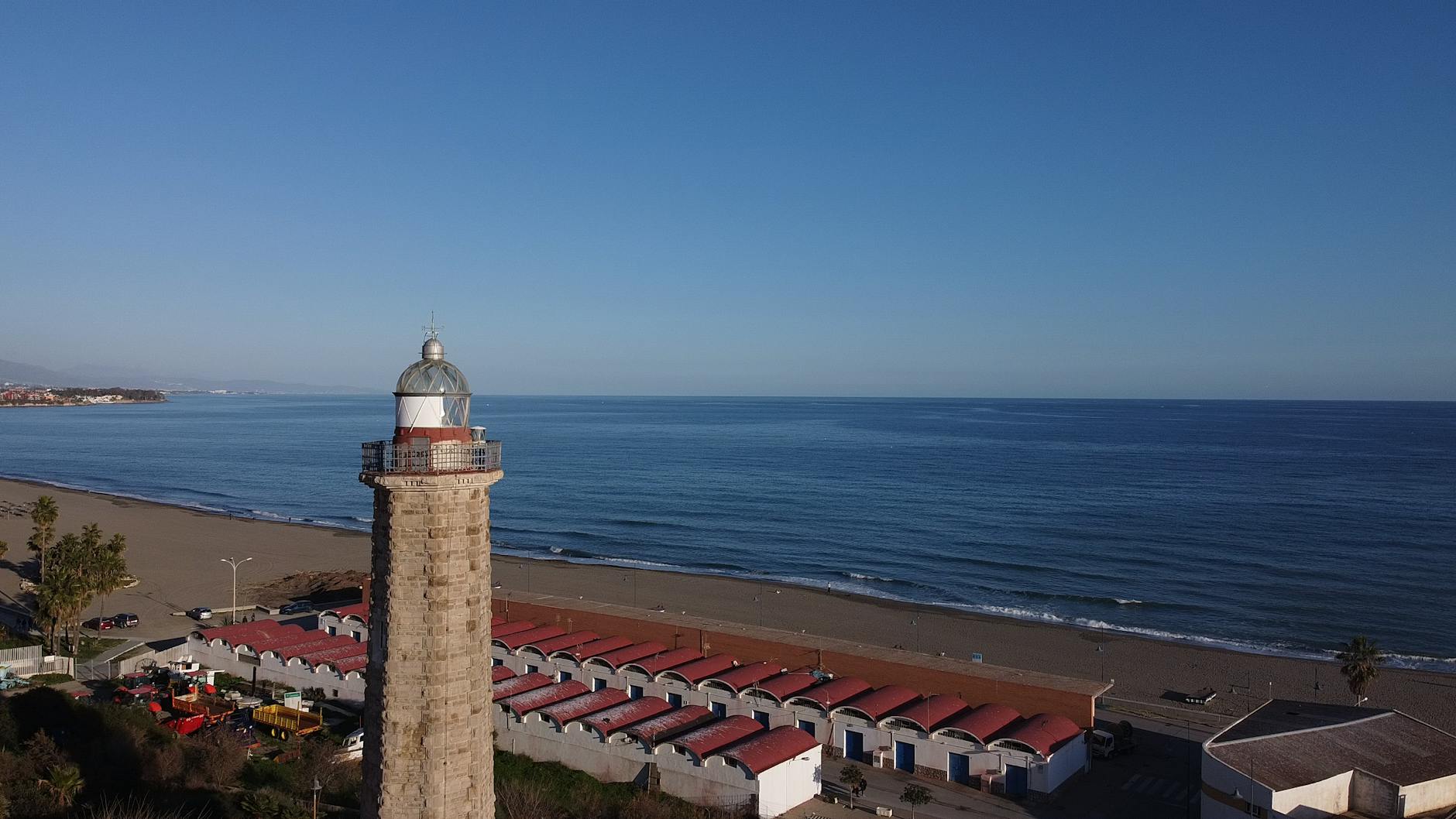
With a third day, make the thirty-minute drive to the white village of Casares, perched dramatically beneath a ruined Moorish castle. Stop at a roadside venta on the way back for slow-roasted kid goat and local cured sheep cheese, finishing your trip with a quiet sunset walk past the Punta Doncella lighthouse.
Estepona Málaga Spain itineraries by interest
Local Seafood in Estepona Málaga Spain
Watch sardines roast over olive wood on Playa de la Rada and eat deep-fried puntillitas or salted bream at the working fishing port.
Coastal Walks in Estepona Málaga Spain
Follow the Senda Litoral path past Punta Doncella lighthouse to Playa del Cristo, an easy two-kilometre stroll beside gentle Mediterranean water.
Historic Quarters in Estepona Málaga Spain
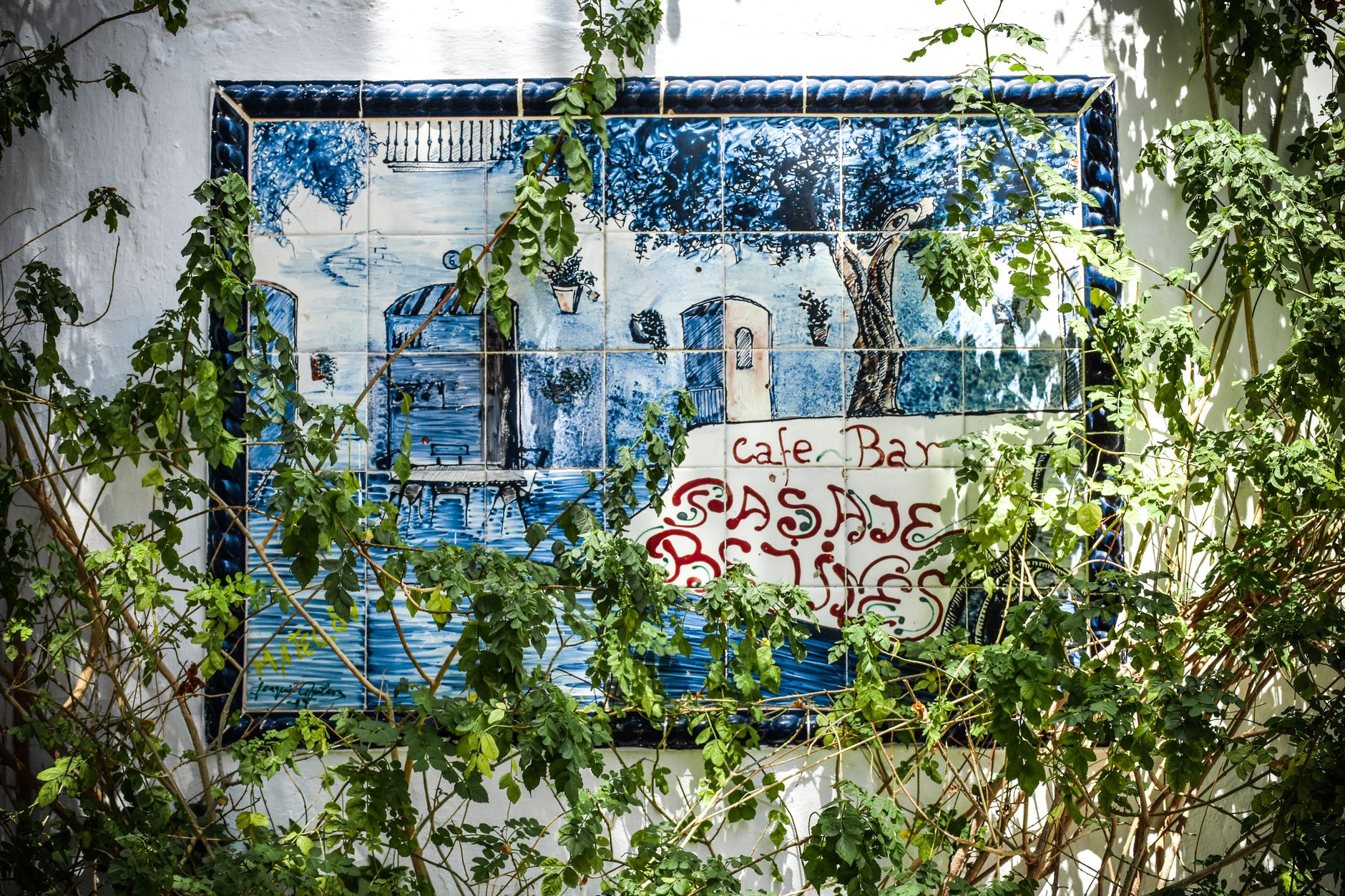
Navigate the tiled alleys around Plaza de las Flores, where numbered ceramic plaques mark quiet lanes lined with lemon trees and whitewashed homes.
Markets & Produce in Estepona Málaga Spain
Browse Mercado de Abastos for local olives, cured cheeses, and daily catches, or visit the Sunday craft stalls along the marina quayside.
Hiking in Estepona Málaga Spain
Tackle the rocky trails of Sierra Bermeja up to Los Reales, climbing through rare Spanish firs on reddish peridotite stone at 1,450 metres.
Botanical Gardens in Estepona Málaga Spain
Step inside the Orchidarium under glass domes on Calle Terraza to see thousands of orchid species and an indoor waterfall kept at humid warmth.
Public Murals in Estepona Málaga Spain
Track over sixty large-scale paintings on apartment blocks across outer neighbourhoods, from realistic fisherman portraits to trompe-l'œil.
Beaches in Estepona Málaga Spain
Playa del Cristo offers a sheltered sandy cove west of the marina, while broad Playa de la Rada runs parallel to the seafront promenade.
Archaeology in Estepona Málaga Spain
Inspect Roman salting vats at Las Torres and Roman bath ruins at Las Bóvedas, preserved right along the coastline near San Pedro.
Day Trips in Estepona Málaga Spain
Drive forty minutes inland to the cliffside gorge of Ronda or twenty minutes up to the quiet white village of Casares on the limestone ridge.
Tapas Bars in Estepona Málaga Spain
Order dry Manzanilla sherry with platefuls of jamón ibérico and chilled salmorejo on the shaded corners of Calle Real and Calle Caridad.
Wine & Vineyards in Estepona Málaga Spain
Taste dry Moscatel and crisp Sierras de Málaga whites produced from high-altitude vineyards in the neighbouring hills of Manilva and Ronda.