


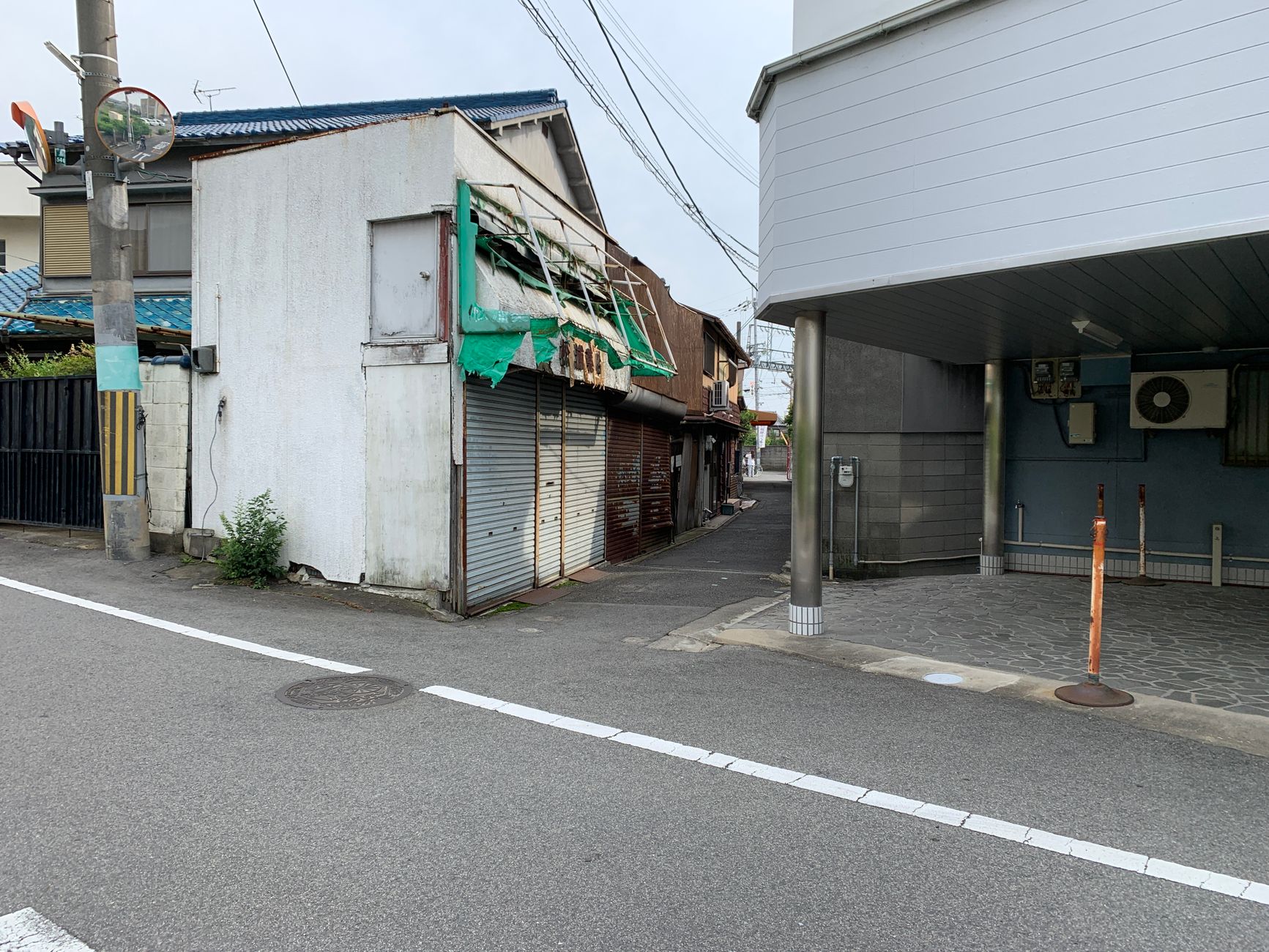
Fukushima sits ninety minutes north of Tokyo on the Tohoku Shinkansen, spread along a fertile basin backed by the Azuma mountains. The city is defined by stone-floored hot spring hamlets like Iizaka and late-night plates of enban gyoza fried into golden wagon wheels. Fukushima is worth visiting if you want historic public onsen baths, exceptional mountain fruit, and uncrowded northern dining counters. Look elsewhere if you want high-energy nightlife, massive art museums, or a walkable metropolis.
Last updated 25 Sept 2026
Build a Fukushima itinerary.
Choose up to 4 threads that pull you in. Your plan arrives organised around them.
The Bed
Where to stay in Fukushima
Which part of town to book, and what each one costs you in walking, noise or quiet.
The Comparison
Fukushima, or somewhere near it
The places you are realistically choosing between, and the honest case for each.
The Local Record
Where to read more about Fukushima
The blogs, boards, guides and operators worth bookmarking.
What to do in Fukushima Fukushima Japan
Fukushima is an unpretentious provincial capital set against rugged volcanic peaks. Days here revolve around morning fruit stalls along the rural outskirts, mountain trails near Jododaira, and afternoon soaks in old public baths. It suits independent travellers who prefer quiet trains, genuine hospitality, and regional izakaya counters over polished sightseeing circuits.
24 hours in Fukushima Fukushima Japan
Take the local train to Iizaka Onsen for a dip in the cedar-scented waters of Sabako-yu. Spend the afternoon walking through Hanamiyama Park before claiming a counter seat at Gyoza Terui for a sizzling wheel of enban gyoza and draft beer. Select 1 Day above to see it.
2 days in Fukushima Fukushima Japan
Drive the sweeping turns of the Bandai-Azuma Skyline to the summit crater of Mount Azuma-Kofuji. Afterwards, descend into Tsuchiyu Onsen for a bowl of mountain-vegetable soba and a look into the small workshops carving traditional Kokeshi dolls. Choose 2 Days to expand the plan.
3 days in Fukushima Fukushima Japan
Catch the regional line west to Aizu-Wakamatsu to walk the grounds of Tsuruga Castle and taste deep, dry sake at local kura. Finish with a plate of sauce katsudon at a neighborhood diner before the scenic train ride back down the valley.
Fukushima Fukushima Japan itineraries by interest
Street Food in Fukushima Fukushima Japan
Pan-fried enban gyoza served in circular disks of twenty or thirty dumplings, crisped in sesame oil at veteran izakayas like Terui.
Thermal Baths in Fukushima Fukushima Japan
Sabako-yu and other historic wooden bathhouses in Iizaka Onsen, fed by piping-hot volcanic springs tapped since the eighth century.
Produce & Orchards in Fukushima Fukushima Japan
Sweet Akatsuki peaches, Nashi pears, and autumn apples picked along the Fruit Line orchards lining the western base of Mount Azuma.
Local Noodles in Fukushima Fukushima Japan
Hand-pulled Kitakata-style ramen and cold soba served with seasonal wild mountain herbs in small roadside dining rooms across the basin.
Mountain Hiking in Fukushima Fukushima Japan
The stark volcanic crater trail around Mount Azuma-Kofuji and boardwalk paths through the high-altitude marshes of Jododaira.
Sake Breweries in Fukushima Fukushima Japan
Crisp junmai sakes brewed with local Abukuma river water and polished rice at family operations like Kinpo Shuzo and Daishichi.
Craft Traditions in Fukushima Fukushima Japan
Hand-painted wooden Kokeshi dolls lathed from dogwood in Tsuchiyu Onsen, each family shop maintaining its own painted facial patterns.
Scenic Drives in Fukushima Fukushima Japan
The Bandai-Azuma Skyline toll-free road winding past fumaroles, desolate lava fields, and panoramic lookouts over the Fukushima basin.
Public Parks in Fukushima Fukushima Japan
Hanamiyama Park, where flowering cherries, plum blossoms, and yellow forsythia carpet the private hillsides open freely to walkers.
Regional History in Fukushima Fukushima Japan
The ruins of Fukushima Castle and the preserved Edo-period post-station houses along the old Oshu Kaido highway in Iizaka.
Temple Architecture in Fukushima Fukushima Japan
The wooden halls and dry garden pavilions of Nakano Fudoson temple, founded in the mountains with a sacred cave network.
Day Trips in Fukushima Fukushima Japan
Aizu-Wakamatsu for Tsuruga Castle and samurai heritage, or the thatched post-town of Ouchi-juku, both an easy train ride west.