



Train tracks rumble overhead as iron spatulas clatter against smoking griddles in Tenma. Built along a network of canals where merchants once traded the empire’s rice, Osaka moves with a direct, working-class swagger quite distinct from its imperial neighbours. You walk under neon beneath rain shelters, ducking into narrow alleys for dashi broth, batter, and cold beer served by people who have tended the same four stools since 1978.
Last updated 28 Aug 2026
Build a Osaka itinerary.
Choose up to 4 threads that pull you in. Your plan arrives organised around them.
The Bed
Where to stay in Osaka
Which part of town to book, and what each one costs you in walking, noise or quiet.
The Comparison
Osaka, or somewhere near it
The places you are realistically choosing between, and the honest case for each.
The Local Record
Where to read more about Osaka
The blogs, boards, guides and operators worth bookmarking.
What to do in Osaka Kansai Japan
Days here naturally revolve around the counter. Osaka is divided neatly between the northern business core of Kita around Umeda and the looser, southern entertainment district of Minami around Namba. It suits travellers who prefer honest urban grit, railway arches, and exceptional dashi over temple reverie. Getting around on the Midosuji subway line is straightforward, leaving you ample energy to navigate the canal alleys on foot.
24 hours in Osaka Kansai Japan
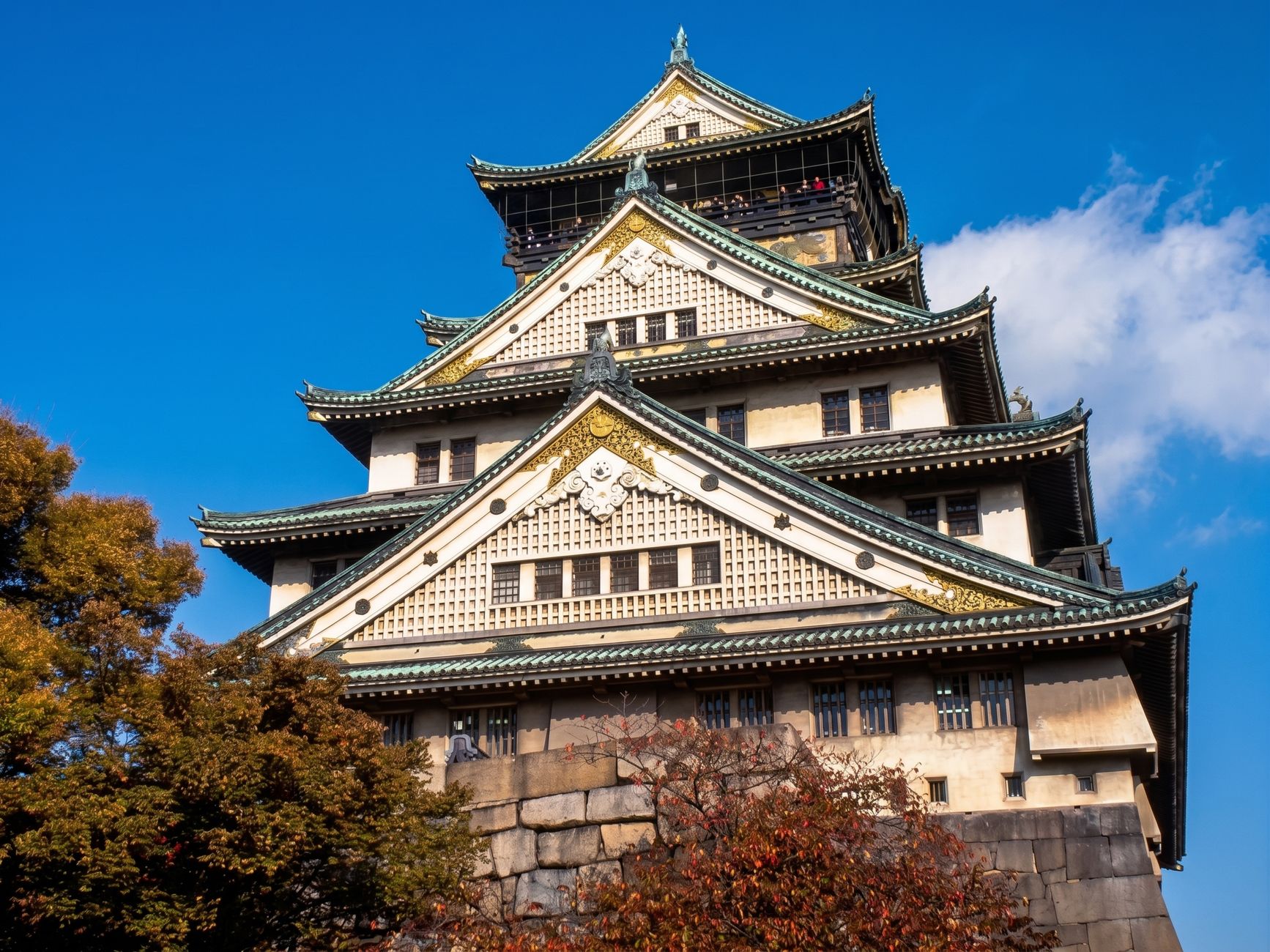
Start early at Osaka Castle before the tour groups arrive, walking the stone moats by 8:30. Ride the subway south to Kuromon Ichiba for grilled scallops, then spend late afternoon browsing the cookware along Sennichimae Doguyasuji. End with piping hot kushikatsu skewers in Shinsekai, where dinner requires no reservations and very little formal decorum. Select 1 Day above to see it.
2 days in Osaka Kansai Japan
A second day lets you explore the riverbanks of Nakanoshima for art and brick architecture, followed by lunch in Tenma. In the evening, dodge the tourist cameras on Dotonbori’s main drag and slip into the quiet stone alleys of Hozenji Yokocho, ordering draft beer and okonomiyaki beside the moss-covered statue of Fudo Myo-o. Choose 2 Days to expand the plan.
3 days in Osaka Kansai Japan
With three days, take the Nankai Line thirty minutes south to Sakai to watch master blacksmiths hammer carbon steel kitchen knives. Return to the city for an afternoon performance at the National Bunraku Theatre, finishing your evening with slow-simmered doteyaki beef at a standing counter beneath the train tracks.
Osaka Kansai Japan itineraries by interest
Street Food in Osaka Kansai Japan
Watch molten takoyaki turned with brass needles in Dotonbori and crisp okonomiyaki griddled with cabbage and pork belly in southern Namba.
Markets & Produce in Osaka Kansai Japan
Walk Kuromon Ichiba early for grilled unagi, sweet raw scallops, uni in the shell, and fresh wasabi grated against sharkskin boards.
Sacred Architecture in Osaka Kansai Japan
Visit Shitenno-ji, Japan’s oldest officially administered Buddhist temple founded in 593, and the stone torii gate at Sumiyoshi Taisha.
Historic Castles in Osaka Kansai Japan
Climb the massive dry-stone ramparts of Osaka Castle, surrounded by expansive moats and five floors of sixteenth-century warfare exhibits.
Traditional Theatre in Osaka Kansai Japan
Book seats at the National Bunraku Theatre in Nihonbashi to see master puppeteers operate elaborate three-person puppets in wooden sandals.
Neighbourhood Walks in Osaka Kansai Japan
Wander the retro alleys of Shinsekai past the Tsutenkaku Tower, neon fugu lanterns, and old men playing shogi in storefront windows.
Local Taverns in Osaka Kansai Japan
Squeeze into standing izakaya in Tenma beneath the JR loop line for skewered doteyaki beef simmered in sweet white saikyo miso.
Kitchen Crafts in Osaka Kansai Japan
Browse Sennichimae Doguyasuji for hand-forged carbon steel chef knives, cast-iron takoyaki pans, and meticulously painted noren curtains.
Modern Architecture in Osaka Kansai Japan
Ride the glass escalator across the open-air central void of Umeda Sky Building for sweeping 360-degree views across the Yodo River.
Regional Day Trips in Osaka Kansai Japan
Ride the rapid train thirty minutes south to Sakai for centuries-old knife forging or twenty minutes west to Kobe for harbourfront beef.
Modern Art in Osaka Kansai Japan
Head underground to the subterranean National Museum of Art on Nakanoshima Island for postwar Japanese prints and contemporary sculpture.
Urban Parks in Osaka Kansai Japan
Stroll the riverbank pathways of Nakanoshima Park to inspect the rose gardens and brick facade of the 1918 Central Public Hall.