

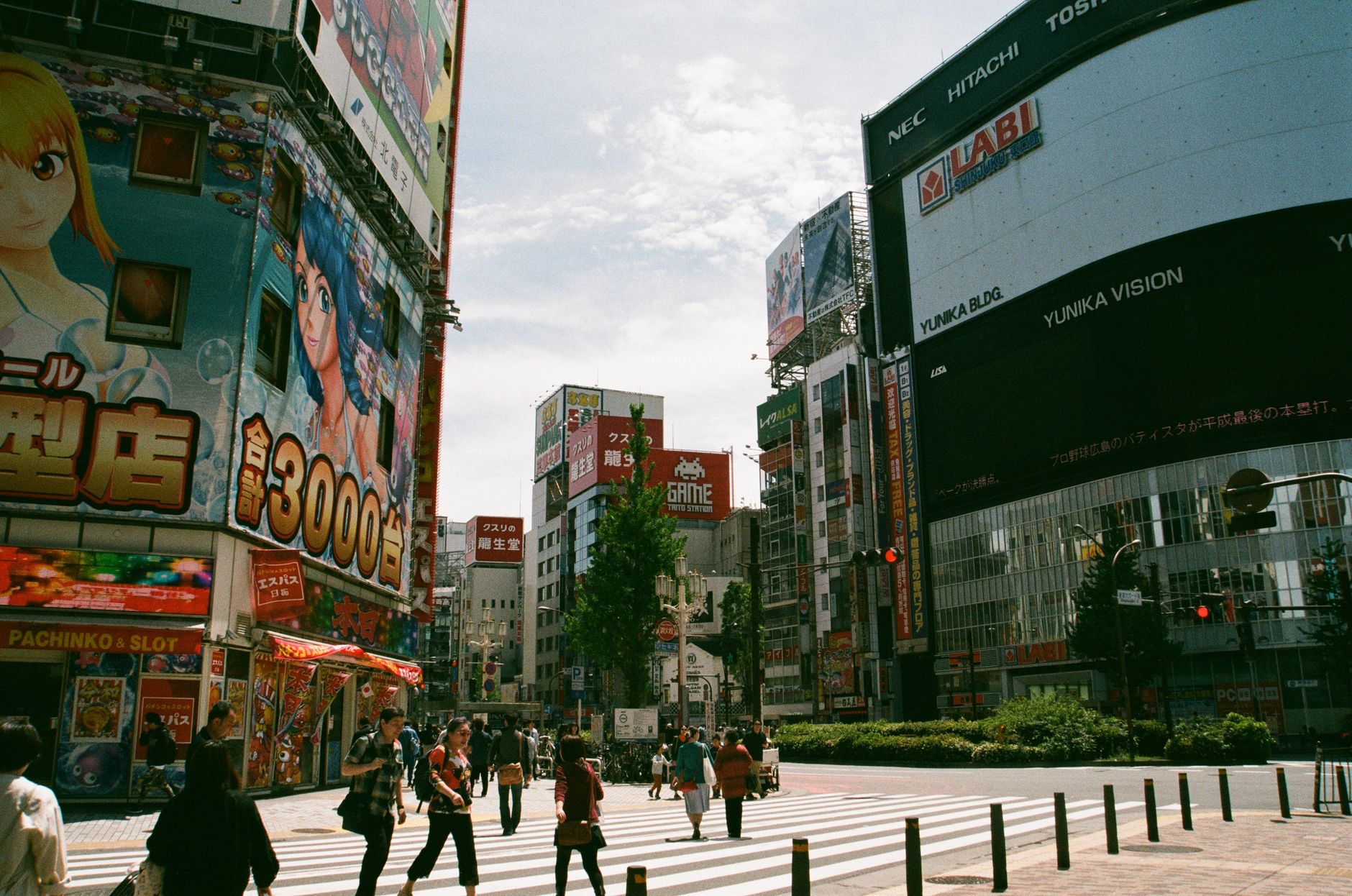

Chimes ring across the platform at Kanda Station, perfectly punctual, while steam rises from a twelve-seat ramen counter below the brick viaduct. Tokyo does not overwhelm so much as it stacks itself vertically. You navigate quiet residential alleys of low wooden eaves in Yanaka, then turn a corner into the neon glare of Shinjuku. It is an immense city made entirely of intimate human corners, impeccably run and best explored on foot with a transit pass.
Last updated 28 Aug 2026
Build a Tokyo itinerary.
Choose up to 4 threads that pull you in. Your plan arrives organised around them.
The Bed
Where to stay in Tokyo
Which part of town to book, and what each one costs you in walking, noise or quiet.
The Comparison
Tokyo, or somewhere near it
The places you are realistically choosing between, and the honest case for each.
The Local Record
Where to read more about Tokyo
The blogs, boards, guides and operators worth bookmarking.
What to do in Tokyo Kantō Japan
Days here naturally balance fastidious order with culinary indulgence. The Yamanote loop line connects distinct urban villages, from the quiet antique shops of Jimbocho to the lantern-lit drinking alleys of Shimbashi. It suits travellers who like to walk between meals, taking in centuries-old shrines and modern design museums without needing to rush.
24 hours in Tokyo Kantō Japan
Start early at Senso-ji in Asakusa before the crowds arrive. Walk south to Kappabashi for chef knives, take the Ginza line for standing-room tempura at lunch, and spend dusk admiring the neon reflection on the Shibuya crossing before dinner. Select 1 Day above to see it.
2 days in Tokyo Kantō Japan
Add a morning under the towering cryptomeria trees at Meiji Jingu, followed by a bowl of rich tonkotsu ramen in Ebisu. Spend the afternoon browsing galleries in Roppongi, then take an evening table for yakitori tucked under the Kanda train tracks. Choose 2 Days to expand the plan.
3 days in Tokyo Kantō Japan
Take the direct train south to Kamakura to walk between quiet Zen temples and eat whitebait by the sea. Return for a late-evening pour-over coffee in a traditional kissaten in Yanaka, letting the city settle down around you.
Tokyo Kantō Japan itineraries by interest
Local Seafood in Tokyo Kantō Japan
Head to Toyosu or the outer Tsukiji stalls for morning nigiri, fatty tuna, sweet sea urchin, and grilled scallops brushed with soy.
Urban Walking in Tokyo Kantō Japan
Wander Yanaka Ginza and Nezu, threading quiet alleys of wooden houses, small independent kissaten coffee shops, and local sento.
Casual Dining in Tokyo Kantō Japan
Squeeze onto beer crates under Yurakucho rail arches for charcoal-grilled chicken skewers, cold draft beer, and salt-seasoned gizzard.
Sacred Architecture in Tokyo Kantō Japan
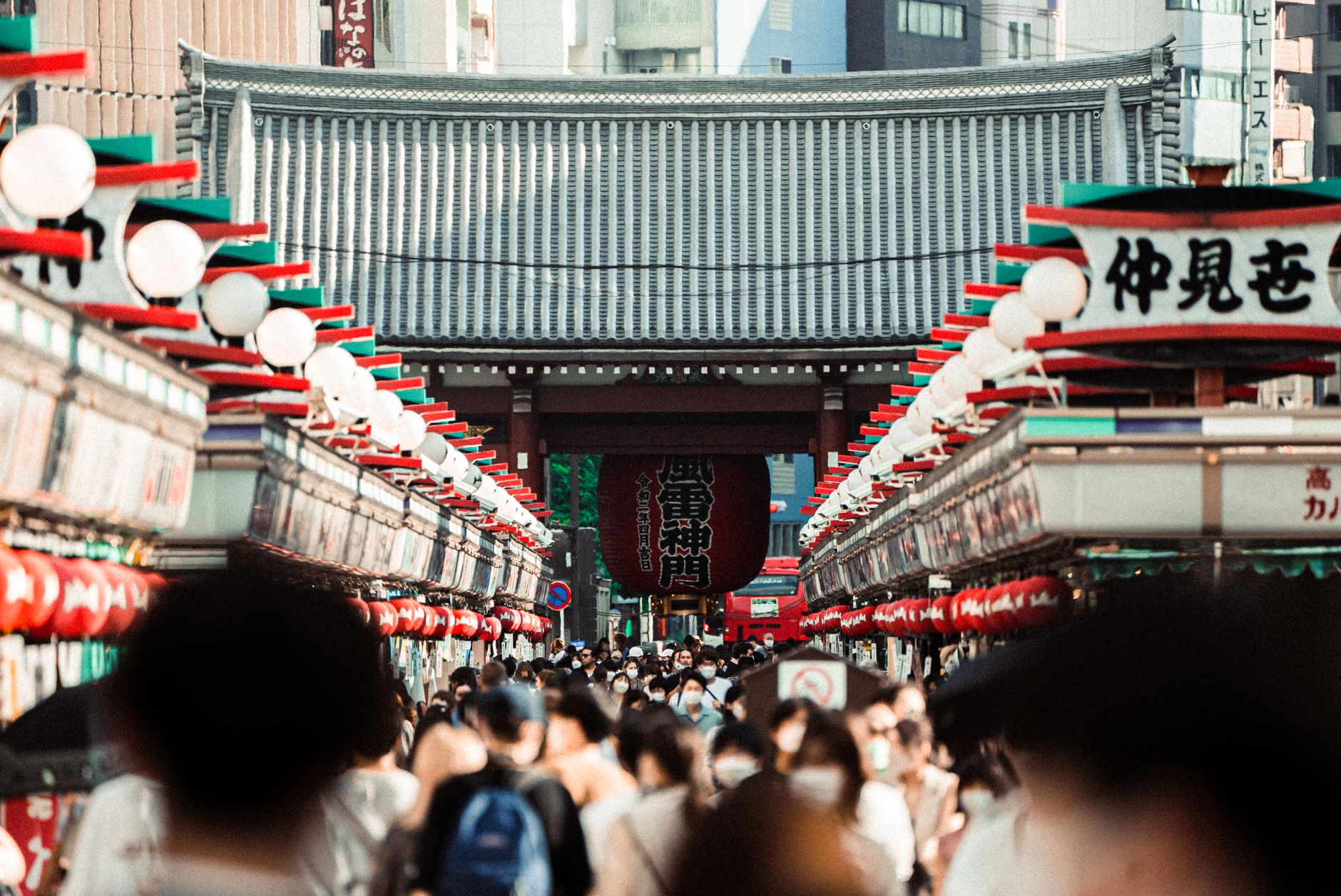
Walk the cedar-lined approach to Meiji Jingu at dawn, or study the massive lantern and incense burner at Senso-ji in Asakusa.
Public Parks in Tokyo Kantō Japan
Pace the gravel paths of Shinjuku Gyoen, where traditional strolling gardens sit opposite greenhouse collections and manicured lawns.
Contemporary Art in Tokyo Kantō Japan
Climb the Roppongi Hills tower for the Mori Art Museum, then check the private galleries around Ginza and Kiyosumi-Shirakawa.
Craft Traditions in Tokyo Kantō Japan
Seek out Edo cut glass in Sumida, forged kitchen knives along Kappabashi Street, and hand-bound washi paper in Nihombashi.
City Views in Tokyo Kantō Japan
Take the fast lift up the Tokyo Metropolitan Government Building in Shinjuku for free panorama decks looking across to Mount Fuji.
Speciality Coffee in Tokyo Kantō Japan
Taste meticulous pour-overs and single-origin beans at quiet roastries tucked away in Tomigaya, Kiyosumi, and Nakameguro.
Night Markets in Tokyo Kantō Japan
Navigate the narrow alleys of Omoide Yokocho or Nonbei Yokocho for simmered tripe stew, grilled pork belly, and highballs.
Bookshops & Records in Tokyo Kantō Japan
Browse the antiquarian bookstores along Yasukuni-dori in Jimbocho, or dig through deep vinyl bins around the backstreets of Shibuya.
Day Trips in Tokyo Kantō Japan
Ride the train one hour south to coastal Kamakura for giant bronze Buddhas, seaside trails, and fresh whitebait rice bowls.