


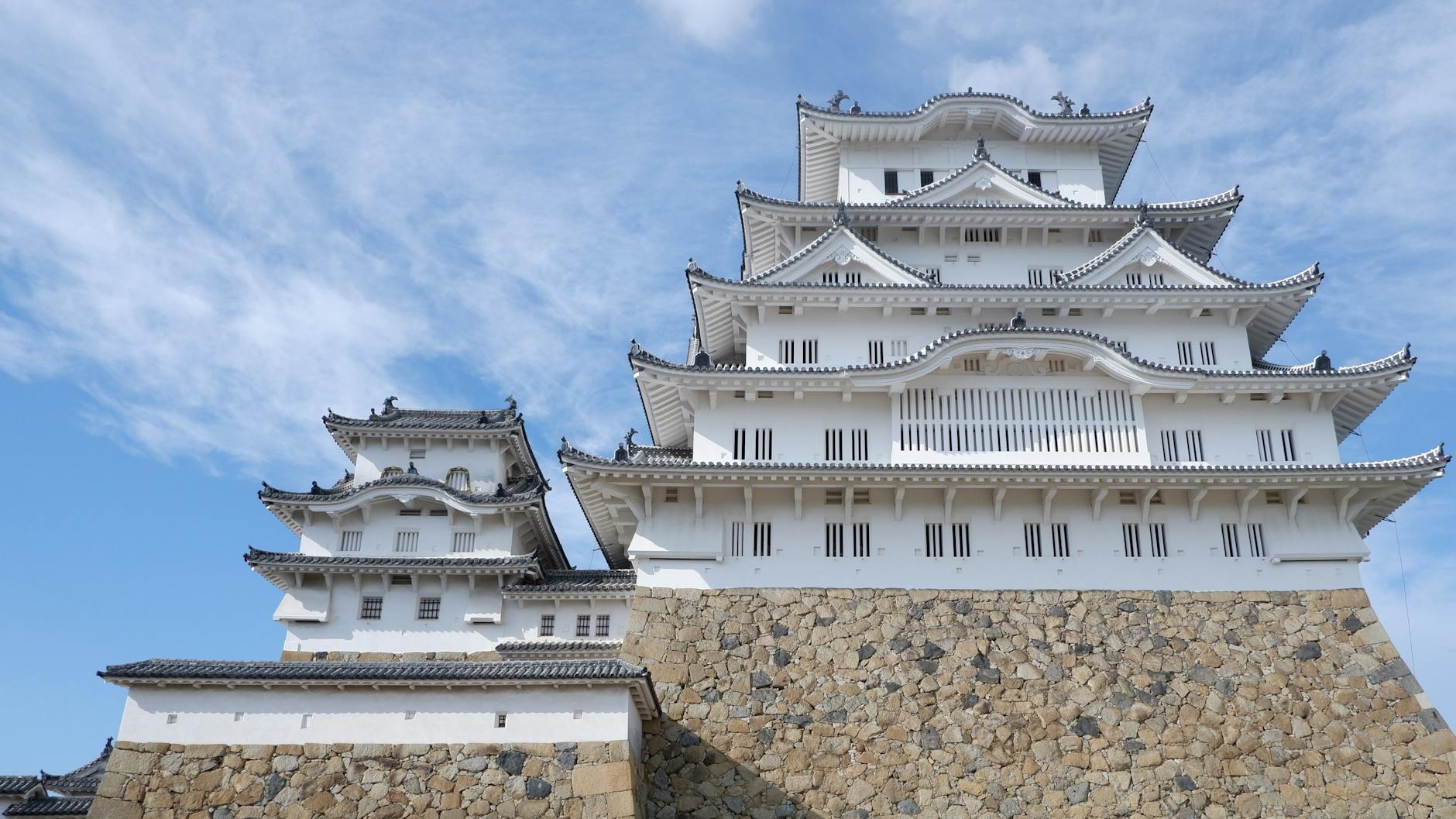

Step out of the central station and the white castle dominates the straight northern avenue like an immaculate paper crane. Most tourists dash through on a day pass from Kyoto, but that misses the quiet rhythm of the surrounding lanes. Timbered soba shops steam in morning alleys, and vendors simmer daikon in ginger-spiked soy broth for Himeji oden. Mount Shoshas cedar forest sits just a short bus ride north, offering centuries-old temple halls without the Kyoto crowds.
Last updated 27 Aug 2026
Build a Himeji itinerary.
Choose up to 4 threads that pull you in. Your plan arrives organised around them.
The Bed
Where to stay in Himeji
Which part of town to book, and what each one costs you in walking, noise or quiet.
The Comparison
Himeji, or somewhere near it
The places you are realistically choosing between, and the honest case for each.
The Local Record
Where to read more about Himeji
The blogs, boards, guides and operators worth bookmarking.
What to do in Himeji Kansai Japan
The city fans out south from its pristine wooden fortress toward the Seto Inland Sea. While crowds come purely for the castle and leave by noon, staying overnight reveals a gentle Kansai market city. Your days divide between climbing historic battlements, riding the ropeway up temple-covered Mount Shosha, and grazing through Miyuki-dori arcades. It suits travellers who appreciate unpretentious regional cooking and intact historic timber.
24 hours in Himeji Kansai Japan
Arrive early to beat the tour buses at Himeji Castle, then stroll next door to the quiet tea rooms of Koko-en. For lunch, pull up a stool for ginger-soy oden near the station. Catch bus number 8 north to Mount Shoshas tranquil Engyo-ji complex before heading back for evening sake and grilled anago on Miyuki-dori. Select 1 Day above to see it.
2 days in Himeji Kansai Japan
Spend your second morning at Nadagiku sake brewery touring century-old wooden vats. Afterwards, take a brief coastal excursion to the Harima port district for fresh saltwater eel. Wrap up with late-afternoon tea and thick almond toast inside a quiet kissaten along the castle moats. Choose 2 Days to expand the plan.
3 days in Himeji Kansai Japan
A third day lets you ride twenty minutes west to Tatsunos historic soy sauce quarter, or head east into the ceramics kilns of Tanba. Return to wander Mount Shoshas outer forest trails without checking your watch, dining on Banshu ramen along the backstreets behind the station.
Himeji Kansai Japan itineraries by interest
Feudal Fortresses in Himeji Kansai Japan
Climb the steep timber stairs of the original 1609 White Heron keep, passing defensive arrow slits and stone drop chutes without modern alterations.
Sacred Architecture in Himeji Kansai Japan
Take the ropeway up Mount Shosha to Engyo-ji, wandering the grand timber Maniden hall founded in 966 amidst dense cedar stands.
Regional Dishes in Himeji Kansai Japan
Dip simmered beef sinew and daikon into grated ginger soy sauce for classic Himeji-style oden at counter joints near the station.
Historic Gardens in Himeji Kansai Japan
Walk through Koko-en, a complex of nine Edo-style walled gardens built over samurai residence footprints, complete with tea ceremony ponds.
Morning Markets in Himeji Kansai Japan
Browse fresh Seto Inland Sea catches, seasonal citrus, and dried nori at the lively morning stalls along the Miyuki-dori covered arcade.
Sake Brewing in Himeji Kansai Japan
Sample crisp junmai sake brewed with local Banshu Yamada Nishiki rice at Nadagiku Shuzo, an operational brewery running since 1910.
Coastal Seafood in Himeji Kansai Japan
Head south toward the Harima coast for grilled anago (conger eel) brushed with sweet tare over steaming rice bowls.
Mountain Hiking in Himeji Kansai Japan
Follow stony pilgrims paths up Mount Shosha, skirting mossy Jizo stone statues and temple gates beneath ancient forest canopies.
Traditional Crafts in Himeji Kansai Japan
Discover Harima leatherwork and hand-hammered Myochin iron wind chimes, originally crafted by armourers for samurai helmets.
Cafe Culture in Himeji Kansai Japan
Order thick-cut almond toast, a local breakfast quirk introduced in the 1970s, paired with dark pour-over coffee in retro kissaten.
Local Festivals in Himeji Kansai Japan
Witness October Nada no Kenka Matsuri at Matsubara Hachiman Shrine, where competing portable yatai shrines clash in fierce scuffles.
Day Trips in Himeji Kansai Japan
Ride the train twenty minutes west to Tatsuno, wandering old soy sauce storehouses and quiet river walks along the Ibo River.