



The air drops five degrees the moment the funicular deposits you onto Mount Koya’s high forested plateau. Founded in 816 by the monk Kukai as the seat of Shingon Buddhism, this mountain settlement revolves around temple lodgings and moss-draped stone stupas. You walk along quiet tarmac shaded by centuries-old Japanese cedars, dodging the occasional monk in saffron robes heading to evening prayers. It is profoundly peaceful, provided you bring thick socks for the unheated wooden corridors.
Last updated 28 Aug 2026
Build a Koyasan itinerary.
Choose up to 4 threads that pull you in. Your plan arrives organised around them.
The Bed
Where to stay in Koyasan
Which part of town to book, and what each one costs you in walking, noise or quiet.
The Comparison
Koyasan, or somewhere near it
The places you are realistically choosing between, and the honest case for each.
The Local Record
Where to read more about Koyasan
The blogs, boards, guides and operators worth bookmarking.
What to do in Koyasan Kansai Japan
Set across a high mountain basin in Wakayama, Koyasan is an active monastic town where life follows temple schedules rather than commerce. Days here revolve around temple visits, forest walks through Okunoin, and early temple dinners. It suits contemplative walkers, cultural travellers, and anyone willing to trade modern hotel amenities for cold morning floorboards and extraordinary vegetarian cooking.
24 hours in Koyasan Kansai Japan
Arrive by noon via the Nankai cable car. Explore the sand gardens of Kongobuji, check into a shukubo like Rengejo-in by 4:00 PM for a shojin ryori dinner, and join an evening lantern walk to Kukai's mausoleum at Okunoin. Wake early for the 6:00 AM fire ritual before departure. Select 1 Day above to see it.
2 days in Koyasan Kansai Japan
A second day lets you hike the seven-kilometre Women’s Pilgrimage Trail along the ridge or study Buddhist statuary inside the Reihokan Museum. Spend the afternoon wandering the Danjo Garan complex and linger over roasted hojicha and freshly grilled yakimochi near Senjuinbashi. Choose 2 Days to expand the plan.
3 days in Koyasan Kansai Japan
With three days, tackle the full Choishi Michi trail up from Kudoyama station or take the local bus down into the remote Yoshino mountains. You can slow down, compare gomadofu preparations across different temple kitchens, and sit undisturbed in the Banryutei rock garden at noon.
Koyasan Kansai Japan itineraries by interest
Sacred Architecture in Koyasan Kansai Japan
Kongobuji serves as the Shingon headquarters, featuring the Banryutei rock garden where granite dragons emerge from raked white sand.
Vegetarian Cuisine in Koyasan Kansai Japan
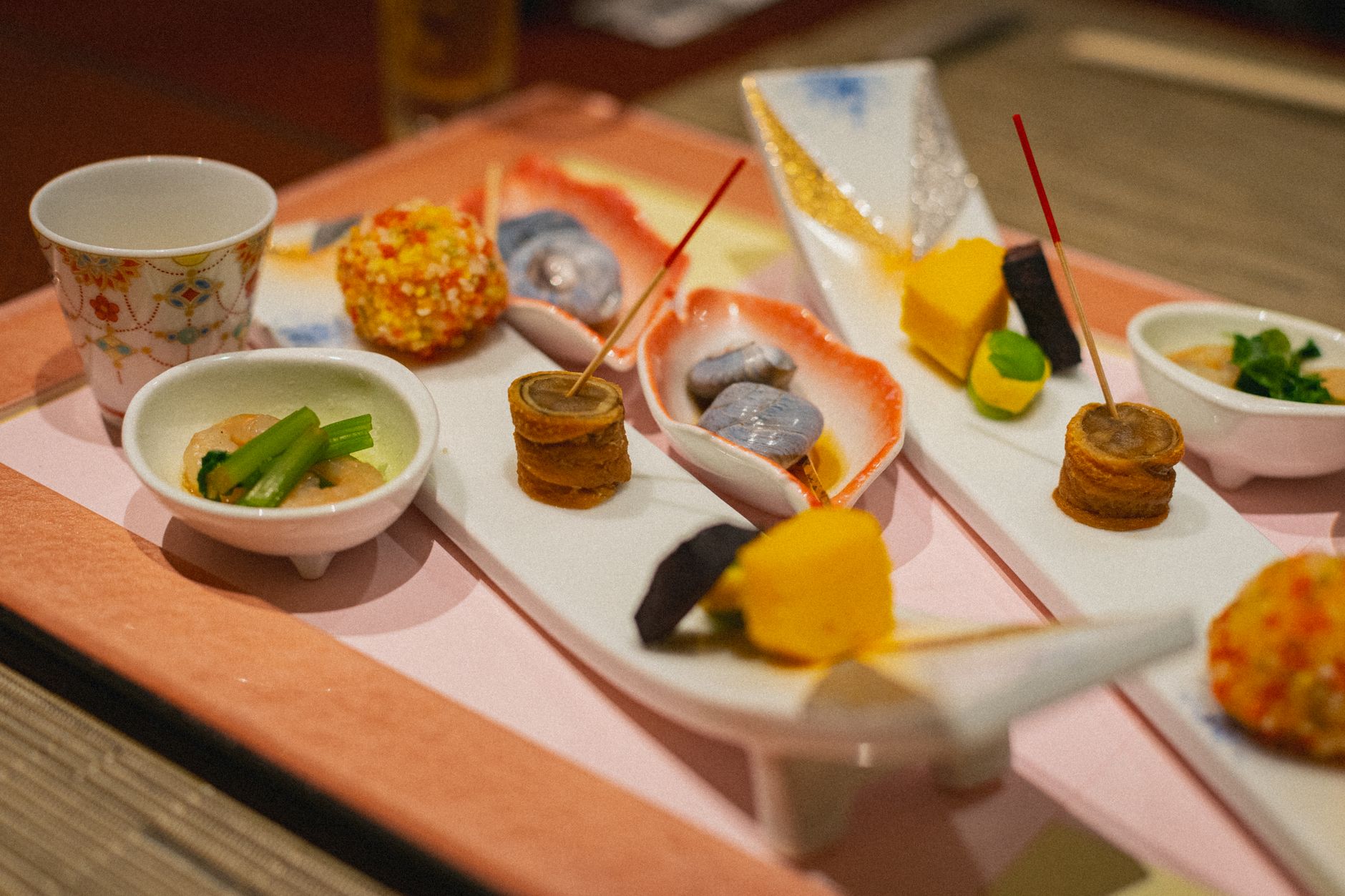
Shojin ryori temple feasts highlight seasonal mountain vegetables, sesame-rich gomadofu, and freeze-dried koyadofu simmered in dashi.
Historic Cemeteries in Koyasan Kansai Japan
Okunoin spans two kilometres through ancient cryptomeria trees, holding over 200,000 moss-covered stupas leading to Kukai's mausoleum.
Temple Lodgings in Koyasan Kansai Japan
Over fifty shukubo offer overnight stays with tatami rooms, communal onsen baths, morning chant services, and strict 6:00 AM wake-ups.
Walking Routes in Koyasan Kansai Japan
The Choishi Michi pilgrimage trail ascends twenty-four kilometres from Kudoyama, marked by stone stupas erected every 109 metres.
Morning Rituals in Koyasan Kansai Japan
Join resident monks at dawn for guttural sutra chanting and the Goma fire ritual, where wooden prayer sticks burn to cleanse desire.
Sacred Art in Koyasan Kansai Japan
The Reihokan Museum houses twelfth-century Heian wood sculptures, mandalas, and national treasures sheltered from mountain humidity.
Mountain Walks in Koyasan Kansai Japan
The Women's Pilgrimage Trail follows the mountain ridge, a seven-kilometre loop used when female pilgrims were barred from the sacred peak.
Local Confectionery in Koyasan Kansai Japan
Pick up fresh yakimochi, toasted pounded-rice cakes stuffed with sweet red bean paste, sold warm along the main road near Senjuinbashi.
Night Tours in Koyasan Kansai Japan
Evening walking tours through Okunoin illuminate stone lanterns and reveal tales of feudal samurai graves under the cedar canopy.
Meditation Practice in Koyasan Kansai Japan
Experience Ajikan meditation at Ekoin or Kongobuji, learning Shingon breath control while visualising the Sanskrit letter A on the moon.
Forest Ecology in Koyasan Kansai Japan
Vast groves of Koya-maki (Japanese umbrella pine) and massive cryptomeria cedars have been protected by monastic edict for twelve centuries.