_(11126002504).jpg)

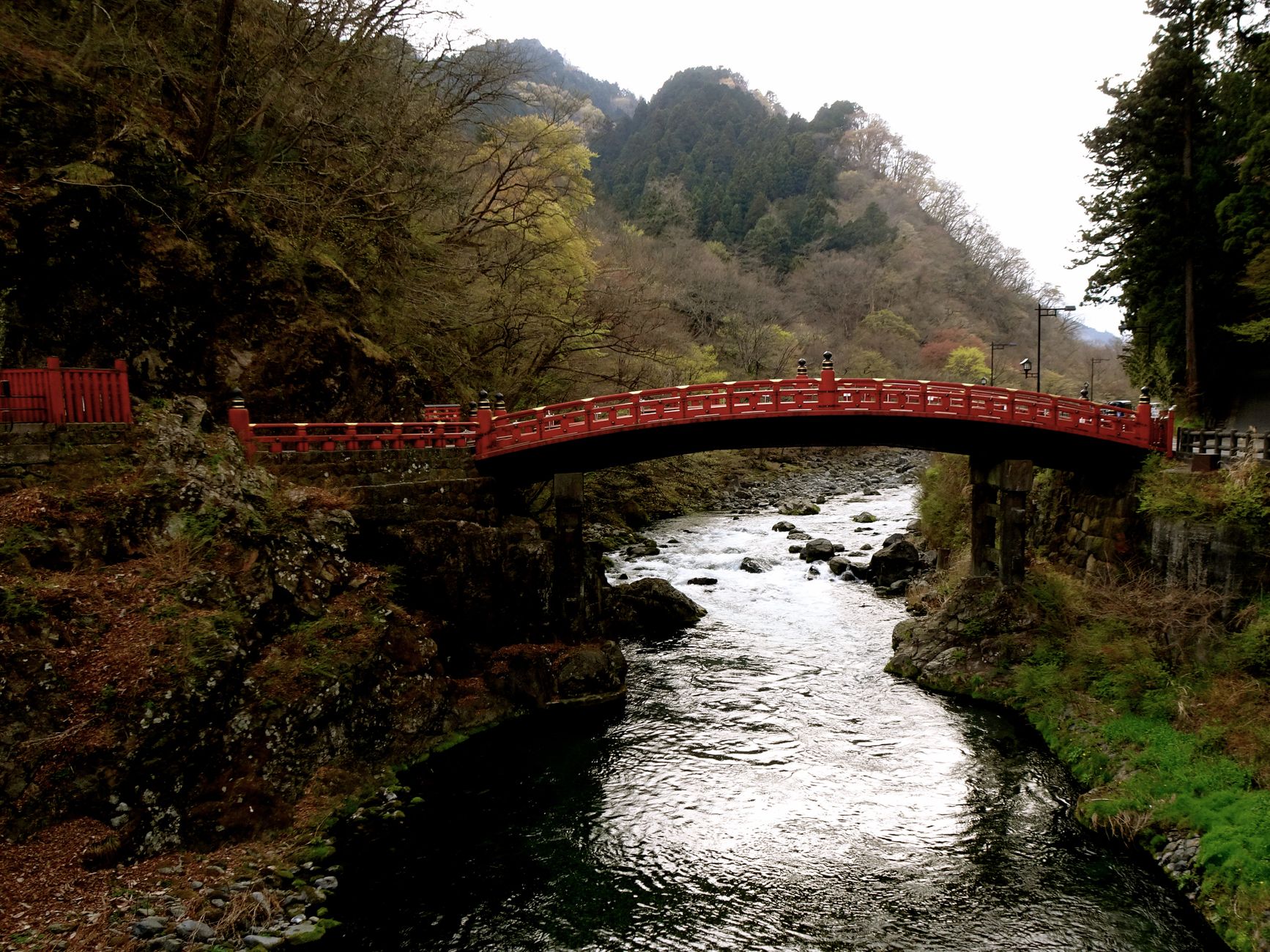


Cold mountain air drops straight off Mount Nantai, cutting through centuries-old cryptomeria trees that dwarf everything below. Nikko works on two distinct registers: the breathless, gilded carpentry of the 1636 Toshogu Shrine, and the quiet ritual of hot baths and delicate sheets of yuba ladled fresh from steaming vats. You arrive by train from Tokyo, cross the scarlet Shinkyo Bridge on foot, and immediately slow down. It rewards strong legs and an appetite for mountain vegetables and cold soba.
Last updated 28 Aug 2026
Build a Nikko itinerary.
Choose up to 4 threads that pull you in. Your plan arrives organised around them.
The Bed
Where to stay in Nikko
Which part of town to book, and what each one costs you in walking, noise or quiet.
The Comparison
Nikko, or somewhere near it
The places you are realistically choosing between, and the honest case for each.
The Local Record
Where to read more about Nikko
The blogs, boards, guides and operators worth bookmarking.
What to do in Nikko Kantō Japan
Nikko splits naturally between the UNESCO shrine precinct in the valley and the wild volcanic plateaus above Lake Chuzenji. Days begin early among the cedars, move through intricate Edo shrines, and wind down over multi-course ryokan dinners featuring local yuba and char. It suits curious walkers, history readers, and anyone keen to trade Tokyo concrete for crisp alpine air and hot spring mineral soaks.
24 hours in Nikko Kantō Japan
Catch the early morning train to Tobu-Nikko, walk up through the cryptomeria trees to Toshogu Shrine by nine, and stop for hot soba and fried yuba along the main street. Spend your afternoon walking past the red-hatted stone statues of the Kanmangafuchi Abyss before heading back. Select 1 Day above to see it.
2 days in Nikko Kantō Japan
Dedicate your second morning to the winding Irohazaka road up to Lake Chuzenji. Take in the roar of Kegon Falls, stroll the forested shore toward the British and Italian Embassy villas, and warm up with salt-grilled sweetfish cooked over coals at a lakeside stall. Choose 2 Days to expand the plan.
3 days in Nikko Kantō Japan
A third day allows an unhurried morning hiking the boardwalks across Senjogahara marsh, listening for native cuckoos and woodpeckers. Finish north in Yumoto Onsen, soaking in hot sulfur baths surrounded by steaming marshland before enjoying a quiet mountain meal.
Nikko Kantō Japan itineraries by interest
Sacred Architecture in Nikko Kantō Japan
Explore Toshogu Shrine and Rinno-ji, where seventeenth-century woodcarvers gilded intricate pagodas and gates for Tokugawa Ieyasu.
Mountain Hiking in Nikko Kantō Japan
Follow the boardwalks across Senjogahara marshland or climb Mount Nantai for sweeping views over the volcanic caldera of Lake Chuzenji.
Soy Traditions in Nikko Kantō Japan
Taste freshly skimmed yuba, delicate layers of tofu skin served fried, rolled, or simmered in dashi at long-standing family lunchrooms.
Thermal Springs in Nikko Kantō Japan
Soak in the milky, mineral-rich volcanic waters of Yumoto Onsen at the northern edge of the national park after a long mountain walk.
Scenic Drives in Nikko Kantō Japan
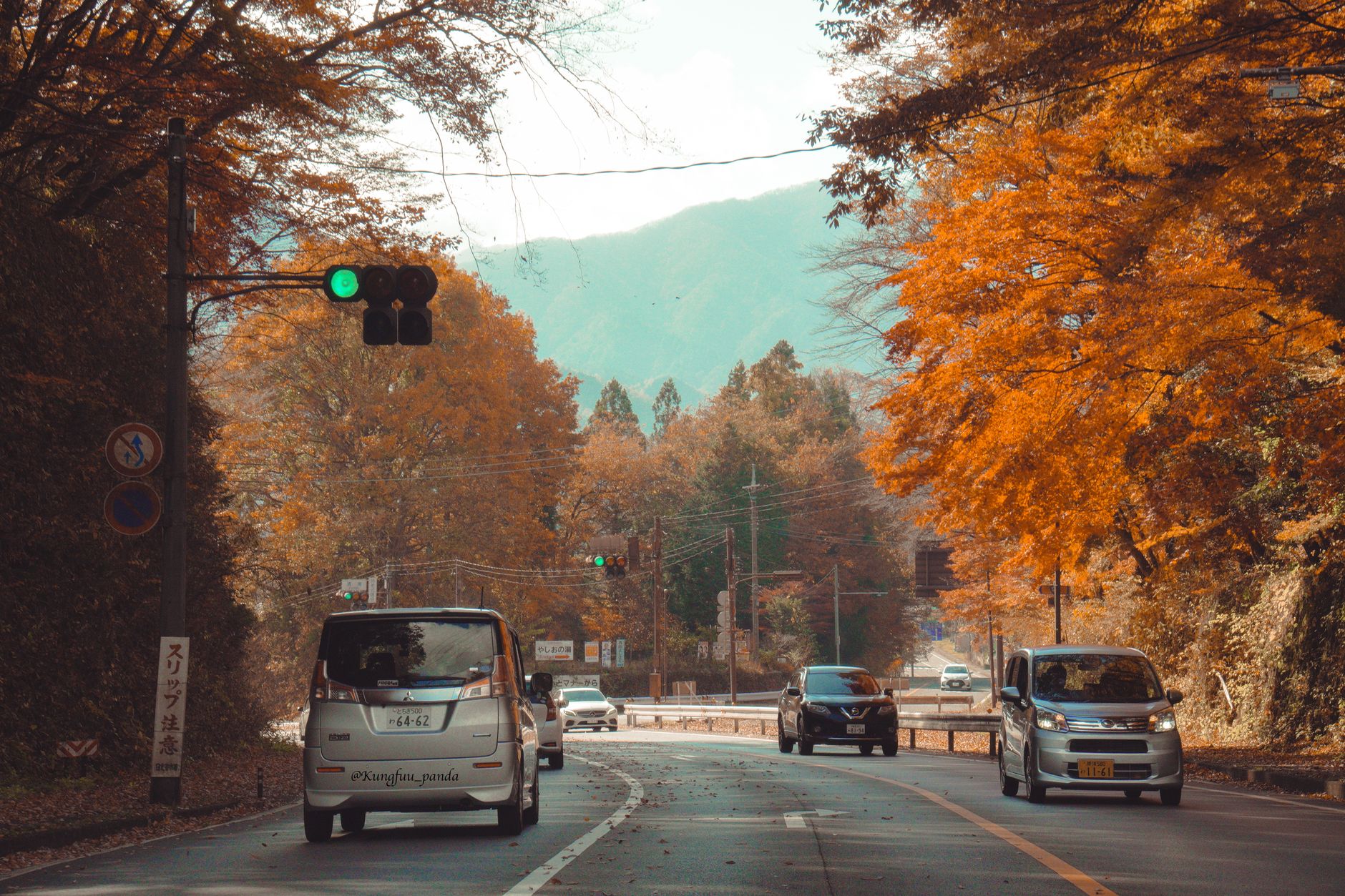
Navigate the forty-eight hairpin bends of the Irohazaka slope, connecting the historic town floor to the high plateau and Kegon Falls.
Forest Walks in Nikko Kantō Japan
Walk the historic Cedar Avenue, where tens of thousands of towering cryptomeria trees have shaded pilgrims since the early Edo period.
Waterfalls & Lakes in Nikko Kantō Japan
Watch ninety-seven metres of water plunge at Kegon Falls, then hire a wooden rowboat across the quiet perimeter of Lake Chuzenji.
Noodle Houses in Nikko Kantō Japan
Slurp chilled buckwheat soba paired with wild mountain vegetables and crisp maitake mushroom tempura near Tobu-Nikko Station.
Imperial Heritage in Nikko Kantō Japan
Tour the Tamozawa Imperial Villa to see a complex blend of Edo, Meiji, and Taisho architectural styles amid manicured moss gardens.
Local Craft in Nikko Kantō Japan
Watch master artisans carve Nikko-bori lacquerware, a decorative woodcraft tradition passed down from Toshogu shrine builders.
River Valleys in Nikko Kantō Japan
Walk the Kanmangafuchi Abyss trail lined with stone Jizo statues wearing red crocheted caps beside churning turquoise river rapids.
Freshwater Fish in Nikko Kantō Japan
Eat whole salt-grilled ayu and mountain char skewered on bamboo sticks and roasted over glowing charcoal braziers along the lake.