


Sulfur steam cuts through cedar ridges the moment the switchback train grinds up from Odawara. For centuries, travellers on the Tokaido road stopped here to boil off the road dust in volcanic spring water, and the ritual has changed surprisingly little. You navigate cable cars, wooden baths, and winding mountain trails, quietly hoping the fog parts over Lake Ashi to reveal Fuji. When it stays stubbornly grey, a steaming bowl of wild yam soba at the station and an evening bath easily settle the score.
Last updated 28 Aug 2026
Build a Hakone itinerary.
Choose up to 4 threads that pull you in. Your plan arrives organised around them.
The Bed
Where to stay in Hakone
Which part of town to book, and what each one costs you in walking, noise or quiet.
The Comparison
Hakone, or somewhere near it
The places you are realistically choosing between, and the honest case for each.
The Local Record
Where to read more about Hakone
The blogs, boards, guides and operators worth bookmarking.
What to do in Hakone Kantō Japan
Days here follow a circular rhythm dictated by the volcanic terrain. You link train, funicular, ropeway, and ferry around Mount Hakone, alternating between brisk mountain walks and restorative soaks in mineral-rich onsen. It suits walkers, art enthusiasts, and anyone content to surrender control to transit timetables and the weather gods. Good walking shoes and an appetite for local buckwheat noodles make the hills far more forgiving.
24 hours in Hakone Kantō Japan
Catch the early Romancecar to Hakone-Yumoto, transfer to the mountain railway, and ride the ropeway over volcanic Owakudani. Eat black eggs, cruise Lake Ashi to Hakone Shrine, and finish with hot tororo soba in Moto-Hakone before taking an evening soak in Gora. Select 1 Day above to see it.
2 days in Hakone Kantō Japan
Dedicate your morning to the forest trails around the Pola Museum of Art in Sengokuhara. Walk the ancient stone steps of the Old Tokaido highway down to the Amatake tea house for amazake, then settle in for an elaborate multi-course kaiseki dinner at your ryokan. Choose 2 Days to expand the plan.
3 days in Hakone Kantō Japan
A third day allows you to climb the Komagatake Ropeway without rushing, or take the 15-minute train south to explore Odawara Castle and its coastal fish markets. Wander the pampas grass fields of Sengokuhara at dusk, when the valley quietens down completely.
Hakone Kantō Japan itineraries by interest
Hot Springs in Hakone Kantō Japan
Strip down for mineral baths across Yumoto and Gora, where acidic waters range from milky volcanic pools to clear alkaline baths.
Hiking in Hakone Kantō Japan
Walk the preserved stone-paved Old Tokaido highway through cedar groves, climbing from Moto-Hakone up to the ancient Hatajuku tea house.
Modern Art in Hakone Kantō Japan
Wander the outdoor sculpture park at Hakone Open-Air Museum and view Japanese masterworks surrounded by forest at the Pola Museum of Art.
Mountain Transit in Hakone Kantō Japan
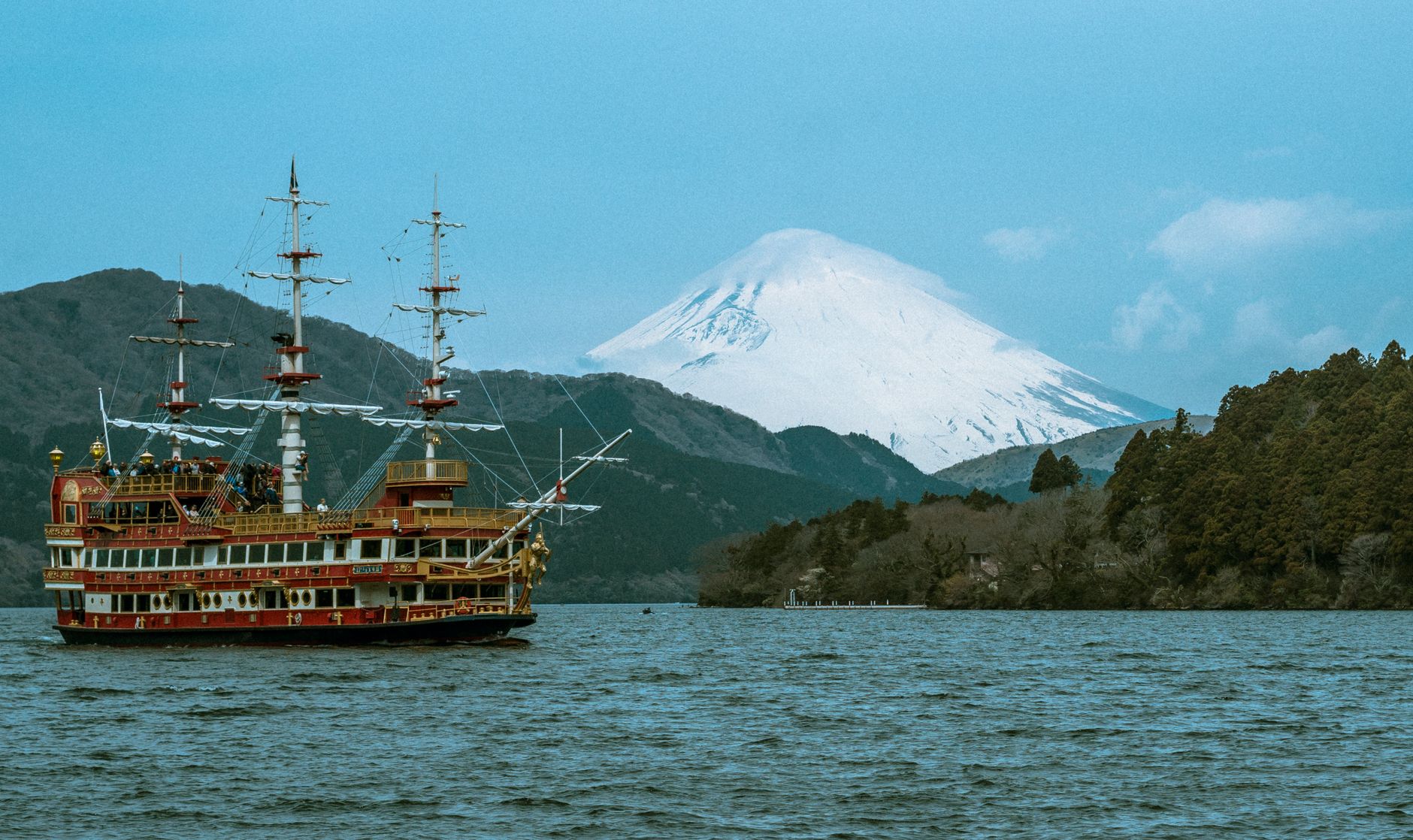
Board the Hakone Tozan switchback railway, the zig-zagging ropeway over steaming Owakudani, and pirate-themed catamarans on Lake Ashi.
Traditional Craft in Hakone Kantō Japan
Watch artisans assemble geometric yosegi-zaiku parquetry boxes in Hatajuku using distinct un-dyed timbers joined into mosaic blocks.
Sacred Architecture in Hakone Kantō Japan
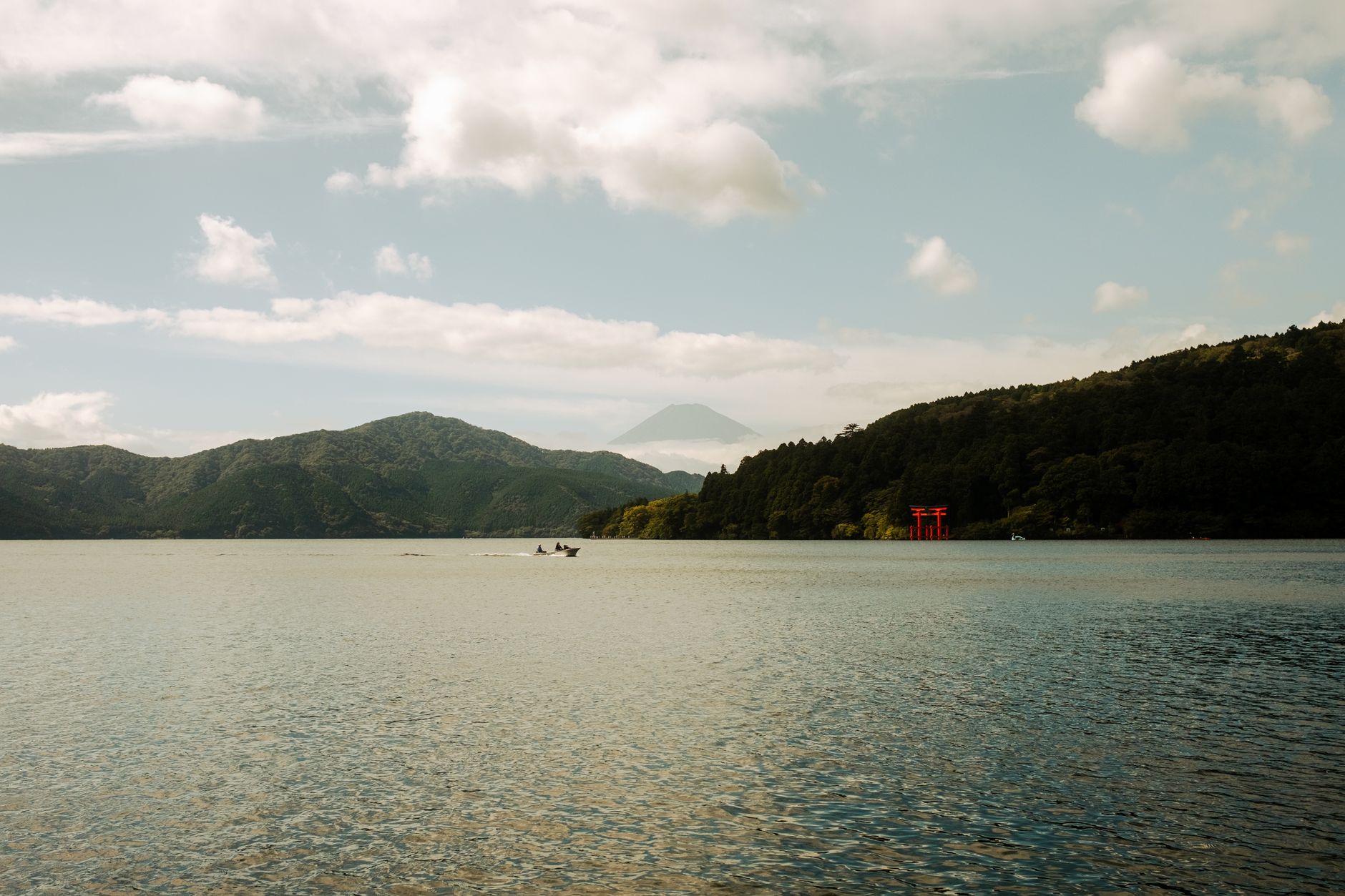
Step beneath the floating red torii gate of Hakone Shrine on Lake Ashi, standing among towering cryptomeria trees since the eighth century.
Local Food in Hakone Kantō Japan
Slurp tororo soba made with grated mountain yam in Hakone-Yumoto, and sample yuba tofu skin simmered in earthen pots at Tamura Ginko-tei.
Historic Lodging in Hakone Kantō Japan
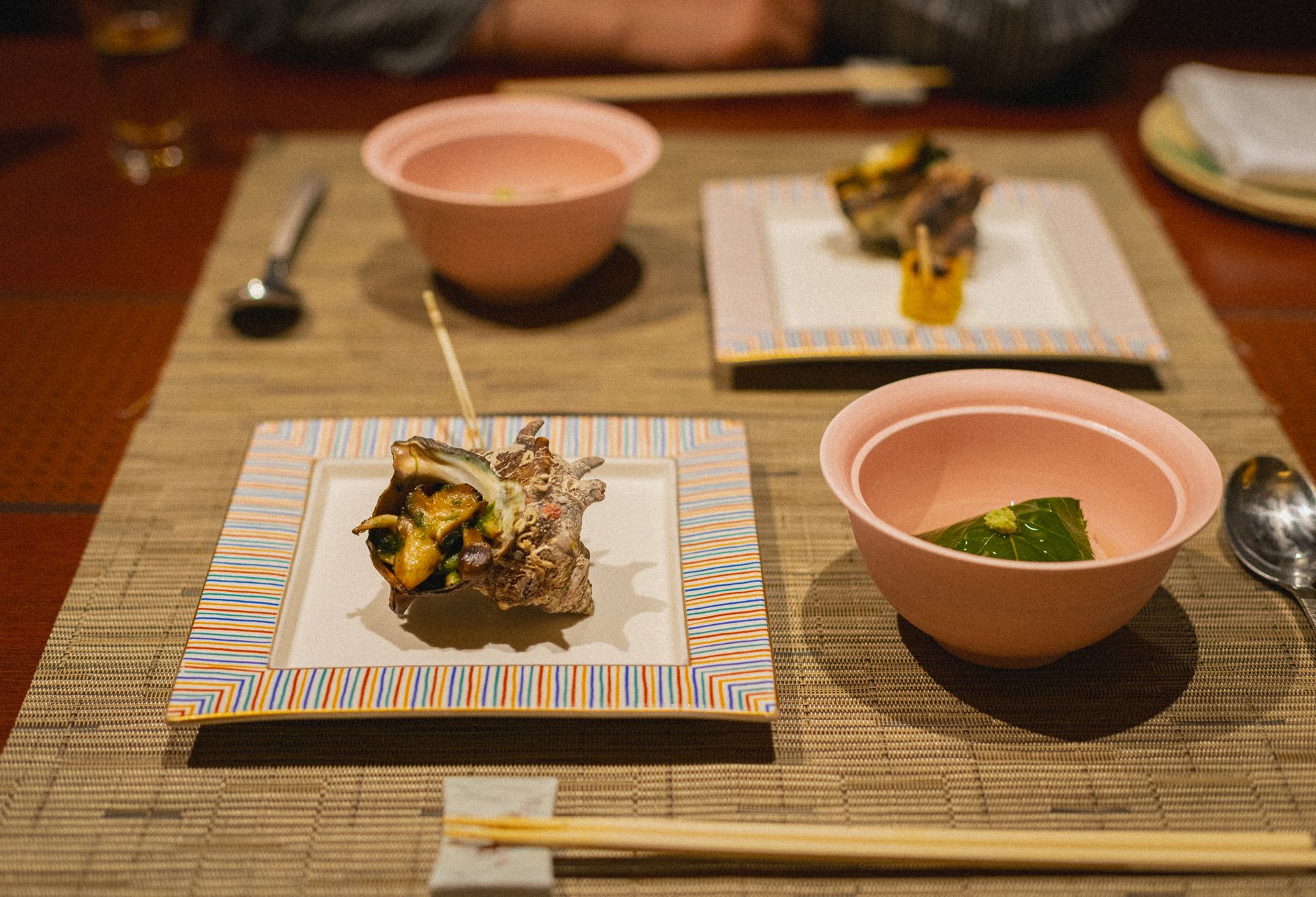
Stay in multi-course ryokan retreats in Miyanoshita, eating seasonal kaiseki dinners served in your tatami room before the night bath.
Volcanic Landscapes in Hakone Kantō Japan
Peer into the active sulfur vents at Owakudani and buy kuro-tamago, chicken eggs blackened by chemical reactions in mineral-rich pools.
Gardens & Botany in Hakone Kantō Japan
Explore the French formal grounds and alpine glasshouses of Gora Park, then sip matcha at the traditional Hakuun-do tea pavilion.
Scenic Views in Hakone Kantō Japan
Catch glimpses of Mount Fuji from the southern shore of Lake Ashi or the observation deck at the Komagatake Ropeway summit on clear days.
Day Trips in Hakone Kantō Japan
Take a short train ride down to Odawara Castle to tour samurai keeps, stone ramparts, and plum blossom groves near the sea.