

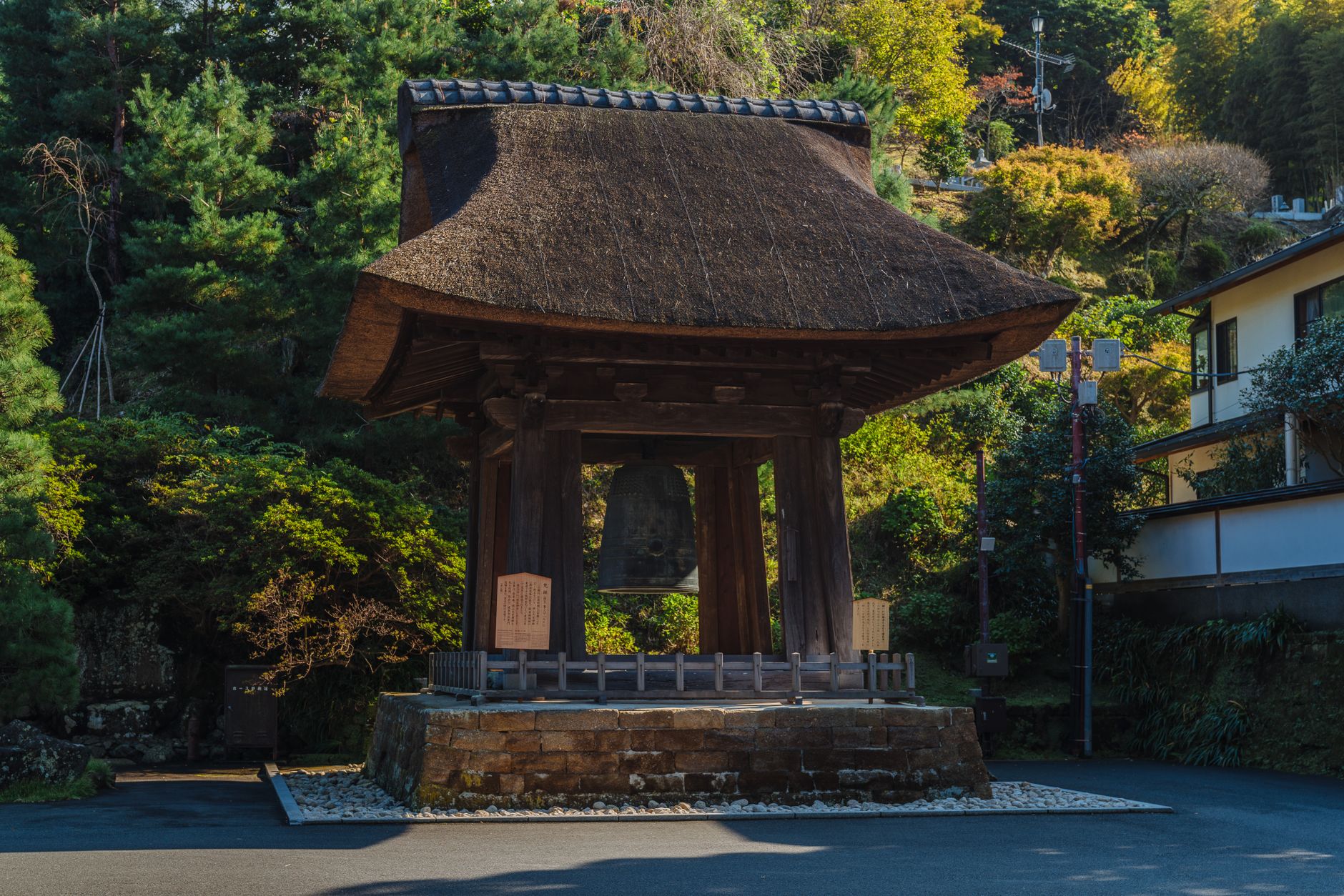
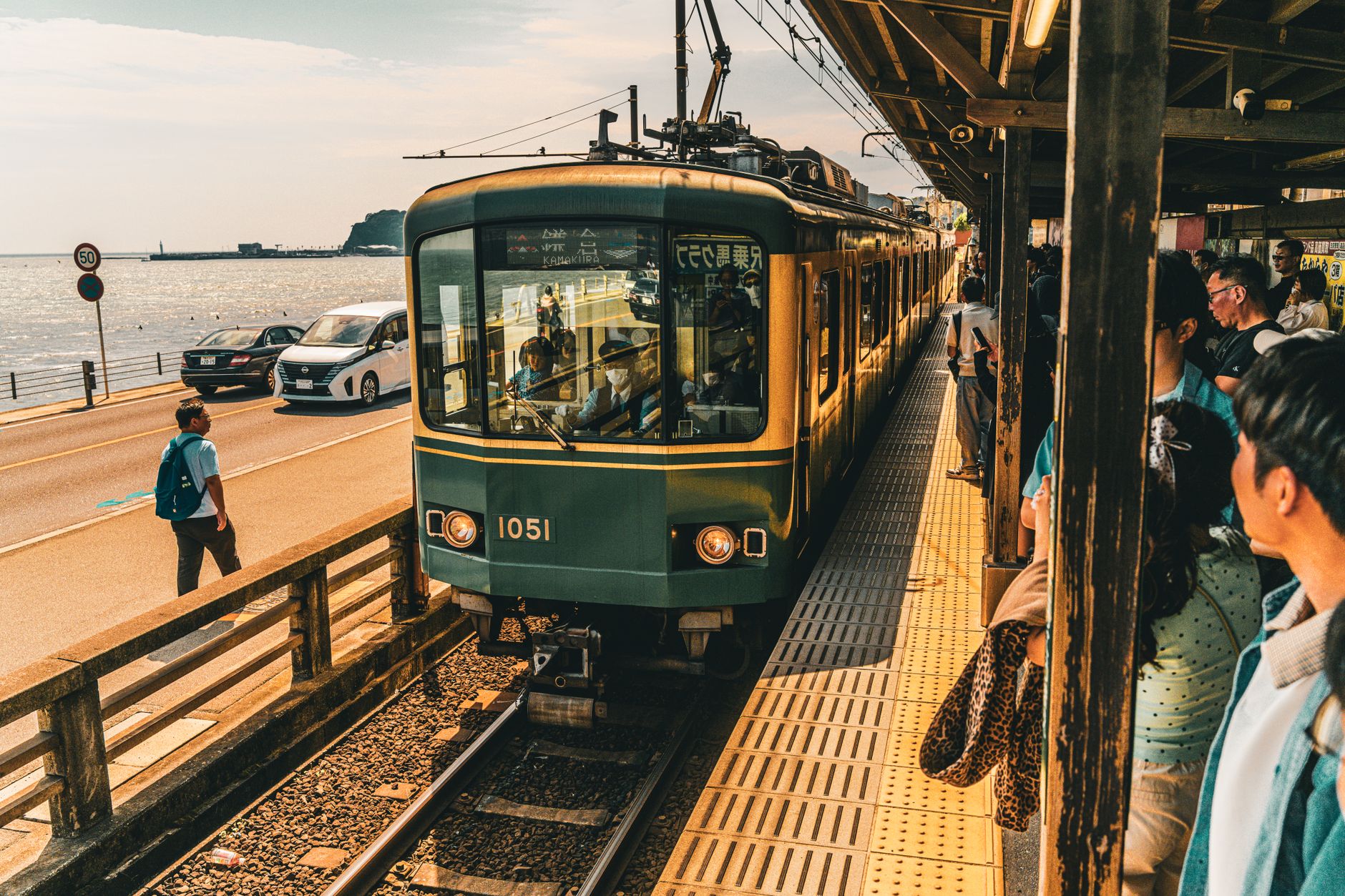


Sea air collides with damp cedar the moment you clear the train doors at Kita-Kamakura. Hemmed in on three sides by steep, forested hills and facing Sagami Bay to the south, this twelfth-century samurai capital kept out invaders by sheer topography. Today, you walk between moss-covered Zen compound stairs, bamboo groves at Hokoku-ji, and narrow lanes where surfboards lean against wooden garden gates. It is quiet, deliberate, and entirely walkable if you mind the hills.
Last updated 28 Aug 2026
Build a Kamakura itinerary.
Choose up to 4 threads that pull you in. Your plan arrives organised around them.
The Bed
Where to stay in Kamakura
Which part of town to book, and what each one costs you in walking, noise or quiet.
The Comparison
Kamakura, or somewhere near it
The places you are realistically choosing between, and the honest case for each.
The Local Record
Where to read more about Kamakura
The blogs, boards, guides and operators worth bookmarking.
What to do in Kamakura Kantō Japan
Kamakura sits wedged between green coastal ridges and the open water of Sagami Bay, balancing heavy medieval history with a relaxed beach culture. Days here run along stone temple paths, forested cut-through trails, and quiet residential lanes lined with bakeries and soba joints. It suits travellers who enjoy unhurried walking, early mornings at quiet shrines, and straightforward coastal lunches within easy reach of Tokyo.
24 hours in Kamakura Kantō Japan
Start early at Kita-Kamakura station to see Engaku-ji before the trains fill up. Walk south through the Dankazura approach to Tsurugaoka Hachimangu, stop for a shirasu-don lunch off Komachi-dori, then take the Enoden train to Hase to stand before the Great Buddha. Finish at sunset on Yuigahama beach. Select 1 Day above to see it.
2 days in Kamakura Kantō Japan
A second day lets you hike the forested Tenen trail to the bamboo grove at Hokoku-ji for morning tea. Spend the afternoon riding the Enoden line down the coast to the rocky island of Enoshima, climbing its narrow shrine steps and eating grilled squid and turban shell from waterfront stalls. Choose 2 Days to expand the plan.
3 days in Kamakura Kantō Japan
Three days give you time to slow down in the Zaimokuza backstreets and explore quieter western temples like Gokuraku-ji and Joju-in. Take a morning train to the nearby port of Misaki for fresh maguro tuna sashimi, or spend half a day exploring the seaside town of Hayama just down the Miura Peninsula.
Kamakura Kantō Japan itineraries by interest
Sacred Architecture in Kamakura Kantō Japan
Visit the bronze Great Buddha at Kotoku-in and climb the cedar-shaded stone steps of Engaku-ji and Kencho-ji, Rinzai Zen compounds dating to the 1200s.
Local Seafood in Kamakura Kantō Japan
Eat raw or boiled shirasu (whitebait) served over hot rice with grated ginger, landed daily along the Yuigahama coastline and served in local shokudo.
Hiking in Kamakura Kantō Japan
Follow the Daibutsu and Tenen hiking trails, cutting across ridgelines between medieval temples with occasional views of Mount Fuji on clear mornings.
Street Food in Kamakura Kantō Japan
Stroll Komachi-dori for grilled dango rice cakes, sweet potato croquettes, fish cakes, and matcha soft serve from counters running north toward the shrine.
Coastal Walks in Kamakura Kantō Japan
Walk the flat sandy crescent of Yuigahama and Zaimokuza beaches, where local surfers meet windsurfers against the backdrop of Sagami Bay.
Craft Traditions in Kamakura Kantō Japan
Look for Kamakura-bori, the distinct regional lacquerware carved deeply into katsura wood before being coated in layers of black and vermilion lacquer.
Markets & Produce in Kamakura Kantō Japan
Browse the Kamakura City Farmers Market (Rensbai) near the station for heirloom Kamakura vegetables, crisp daikon, and greens sold by growers.
Tea Culture in Kamakura Kantō Japan
Sip whisked matcha with seasonal wagashi sweets in the shaded bamboo grove teahouse at Hokoku-ji or overlooking the dry landscape garden at Jomyoji.
Day Trips in Kamakura Kantō Japan
Ride the vintage Enoden tram west around the rocky headland to Enoshima island for sea-cave shrines, fresh turban shell, and coastal views.
Gardens & Nature in Kamakura Kantō Japan
Walk the hydrangeas at Meigetsu-in during June, or admire autumn maples reflected in the round viewing window overlooking the temple's private garden.
Historic Shrines in Kamakura Kantō Japan
Climb the grand stairway to Tsurugaoka Hachimangu, the 1063 Shinto shrine anchored by the central cherry-lined Dankazura raised walkway.
Casual Dining in Kamakura Kantō Japan
Settle into rustic timber soba shops for cold buckwheat noodles with crispy seasonal tempura, followed by local Kamakura craft beer.