Gokayama.


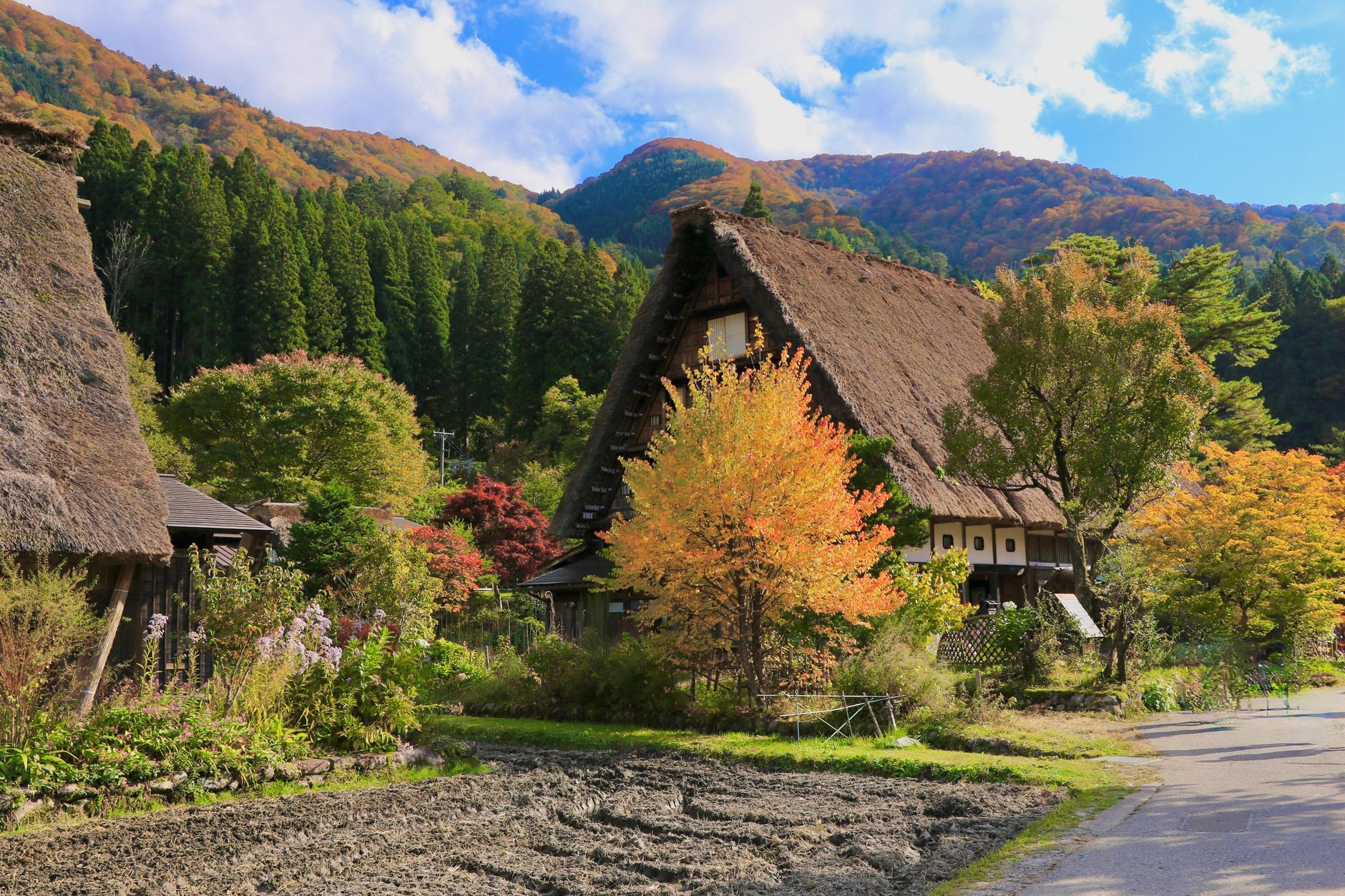
Gokayama sits in the Shogawa river valley, seventy minutes by bus from Shin-Takaoka station or an hour from Kanazawa. It is known for its steep-pitched gassho-zukuri farmhouses and centuries-old washi papermaking traditions. Gokayama is worth visiting if you want quiet mountain hamlets, traditional cedar-board architecture, and river fish grilled over charcoal. Look elsewhere if you want late-night bars, train station convenience, or large indoor museums.
Last updated 26 Nov 2026
Build a Gokayama itinerary.
Choose up to 4 threads that pull you in. Your plan arrives organised around them.
The Bed
Where to stay in Gokayama
Which part of town to book, and what each one costs you in walking, noise or quiet.
The Comparison
Gokayama, or somewhere near it
The places you are realistically choosing between, and the honest case for each.
The Local Record
Where to read more about Gokayama
The blogs, boards, guides and operators worth bookmarking.
What to do in Gokayama Toyama Prefecture Japan
Gokayama divides its character between two main villages, Ainokura and Suganuma, perched high above the Shogawa river. Days revolve around walking stone paths between working farmhouses, watching mulberry pulp become washi paper, and sitting down to mountain meals cooked around charcoal hearths. It suits travellers who prefer quiet corners, mountain air, and unhurried walking over souvenir strips and crowded tour buses.
24 hours in Gokayama Toyama Prefecture Japan
Take the early morning World Heritage bus to Suganuma to walk among the thatch roofs before day-trippers arrive. Stop for lunch of firm Gokayama tofu and salt-grilled sweetfish, then spend the afternoon making paper at the Washi Village before settling into an Ainokura minshuku for dinner. Select 1 Day above to see it.
2 days in Gokayama Toyama Prefecture Japan
A second day lets you climb to the Ainokura viewpoint for morning light over the valley rooflines. Follow the trail past village shrines, tour the historic Murakami House, and take a local bus south for wild boar stew and wild mountain greens at a family-run roadside diner. Choose 2 Days to expand the plan.
3 days in Gokayama Toyama Prefecture Japan
With three days, venture north to the master woodcarvers of Inami along Zuisenji temple's approach or cross into the higher mountain passes toward Mount Haku. You gain the time to hike quiet forest tracks along the Shogawa without watching the bus timetable.
Gokayama Toyama Prefecture Japan itineraries by interest
Folk Architecture in Gokayama Toyama Prefecture Japan
Tour Ainokura and Suganuma to study gassho-zukuri timber frames built without nails to endure heavy winter snows along the Shogawa river valley.
Paper Crafts in Gokayama Toyama Prefecture Japan
Try making kozo paper by hand at the Gokayama Washi Village, where mulberry bark is soaked, beaten, and dried on wooden boards.
Mountain Cooking in Gokayama Toyama Prefecture Japan
Eat gokayama tofu pressed firm enough to tie with rope, served alongside salted iwana trout skewered beside an open irori hearth.
Traditional Music in Gokayama Toyama Prefecture Japan
Listen to the clicking of the sasara, an instrument made from wooden slats used during the ancient Kokiriko dance festival.
Valley Hiking in Gokayama Toyama Prefecture Japan
Walk the cedar-lined paths connecting the Ainokura lookout point with old mountain passes above the Shogawa river terrace.
Silk Heritage in Gokayama Toyama Prefecture Japan
Inspect the multi-storey farmhouse lofts where families bred silkworms under massive thatch roofs through cold mountain winters.
Winter Landscapes in Gokayama Toyama Prefecture Japan
See the heavy snowpack in February when steep thatch roofs shed snow naturally and evening lanterns illuminate Suganuma hamlet.
Sacred Spaces in Gokayama Toyama Prefecture Japan
Visit Murakami House to view Edo-period Buddhist altars and structural timber work preserved across four centuries.
Riverside Walking in Gokayama Toyama Prefecture Japan
Follow quiet paved roads down to the Shogawa riverbed to see steep gorge cliffs and suspension footbridges across the water.
Local Fermentation in Gokayama Toyama Prefecture Japan
Sample wild sansai mountain vegetables pickled in salt and dark regional miso brewed in high-altitude timber storehouses.
Rural Stays in Gokayama Toyama Prefecture Japan
Spend the night inside an Ainokura gassho farmhouse, sleeping on tatami mats beneath exposed smoke-cured timber rafters.
Day Trips in Gokayama Toyama Prefecture Japan
Board the Kaetsuno World Heritage bus to Shirakawa-go or continue down the valley to the woodcarving workshops of Inami.