.jpg)


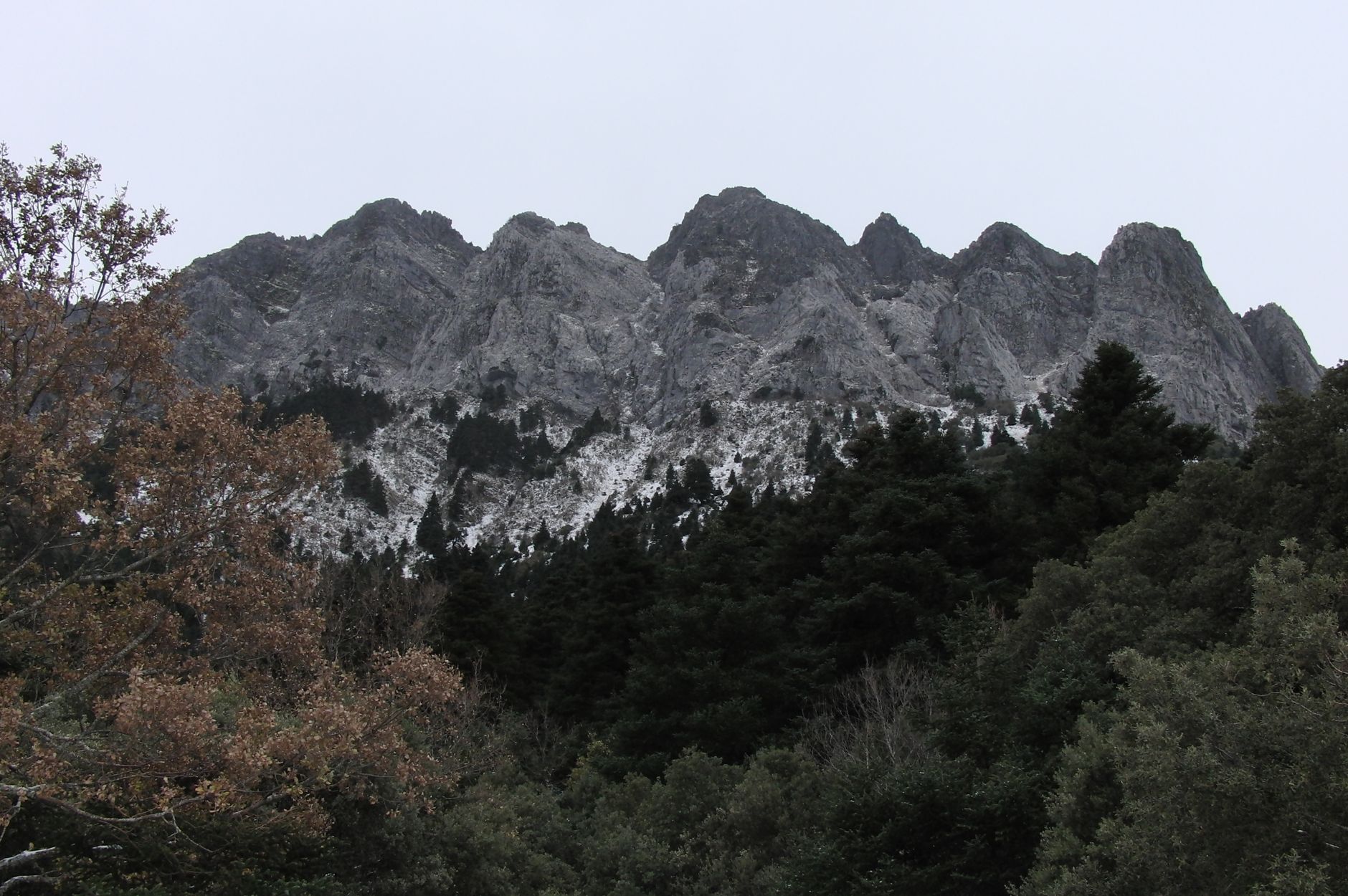


Atlantic weather systems dump more rain on these limestone ridges than anywhere else in Spain, washing the whitewash clean and keeping the cork oaks damp. You drive up tight switchbacks to find steep cobbles, nineteenth-century looms still weaving virgin wool blankets, and glass cases filled with sharp Payoyo cheese. It smells of woodsmoke and curing fat. Mornings are quiet until the hiking boots start clattering toward the Pinsapar forest.
Last updated 29 Aug 2026
Build a Grazalema itinerary.
Choose up to 4 threads that pull you in. Your plan arrives organised around them.
The Bed
Where to stay in Grazalema
Which part of town to book, and what each one costs you in walking, noise or quiet.
The Comparison
Grazalema, or somewhere near it
The places you are realistically choosing between, and the honest case for each.
The Local Record
Where to read more about Grazalema
The blogs, boards, guides and operators worth bookmarking.
What to do in Grazalema Andalusia Spain
Grazalema settles into a mountain bowl beneath the Peñón Grande, balancing rugged wilderness with quiet village domesticity. Days divide naturally between morning mountain ascents and slow, tavern-bound afternoons built around earthenware bowls of stew and local sheep cheese. It suits walkers who appreciate honest mountain hospitality, crisp mountain air, and a slower pace far from coastal tour buses.
24 hours in Grazalema Andalusia Spain
Start with tostada and coffee on Plaza de España before climbing to the Ermita del Calvario. By two, settle at a tavern for sopa de Grazalema and grilled presa ibérica. Spend the afternoon touring the wool museum on Calle Carretera, finishing with an evening walk along Calle Agua. Select 1 Day above to see it.
2 days in Grazalema Andalusia Spain
Your second day belongs to the trails. Secure your permit early and hike through the rare Spanish firs of El Pinsapar to Benamahoma. Reward yourself there with trout caught fresh from the Majaceite river before taking the short drive back over the dramatic Puerto del Boyar pass. Choose 2 Days to expand the plan.
3 days in Grazalema Andalusia Spain
A third day allows an unhurried excursion down to the fortified cliffside town of Zahara de la Sierra, followed by a descent into the canyon of Garganta Verde. Return for a leisurely cheese tasting in Villaluenga del Rosario, Spain's highest and smallest village.
Grazalema Andalusia Spain itineraries by interest
Mountain Cheeses in Grazalema Andalusia Spain
Seek out cured Queso Payoyo made from native Payoya goat and Merina sheep milk, rubbed with lard, rosemary, or wheat bran.
Textile Crafts in Grazalema Andalusia Spain
Tour the 19th-century water-powered loom at Artesanía Textil de Grazalema to watch raw sheep wool spun into dense blankets.
Forest Hiking in Grazalema Andalusia Spain
Obtain a park permit in advance to walk through the prehistoric Spanish fir groves of El Pinsapar, descending toward Benamahoma.
Canyon Trails in Grazalema Andalusia Spain
Trek the limestone gorge of Garganta Verde to see nesting griffon vultures circling above the canyon floor near Zahara.
Traditional Stews in Grazalema Andalusia Spain
Order sopa de Grazalema, a rich broth thickened with bread, mint, egg, and cured ham, followed by braised venison caldereta.
Scenic Drives in Grazalema Andalusia Spain
Navigate the switchbacks of the Puerto de las Palomas pass at 1,357 metres for sweeping views down to the Zahara reservoir.
Historic Plazas in Grazalema Andalusia Spain
Sit outside at Plaza de España for morning cafe con leche while village elders gather on stone benches beneath the church.
Sacred Architecture in Grazalema Andalusia Spain
Visit the eighteenth-century Church of Nuestra Señora de la Aurora, rebuilt after eighteenth-century damage on Calle Alta.
Pork & Charcuterie in Grazalema Andalusia Spain
Sample local chacinas including acorn-fed ibérico morcilla, chorizo cured with pimentón, and cured pork loin over toasted molletes.
Village Walking in Grazalema Andalusia Spain
Climb the cobblestones of Calle Agua and the Barrio Bajo, where lime-washed walls meet Roman-era spring fountains and orange trees.
Mountain Passes in Grazalema Andalusia Spain
Tackle the Puerto del Boyar trail on foot or two wheels, looking south over the Guadalete valley and rugged limestone peaks.
Pastries & Sweets in Grazalema Andalusia Spain
Pick up amarguillos, traditional almond macaroons baked with lemon zest, alongside honey-soaked pestiños from local panaderías.