


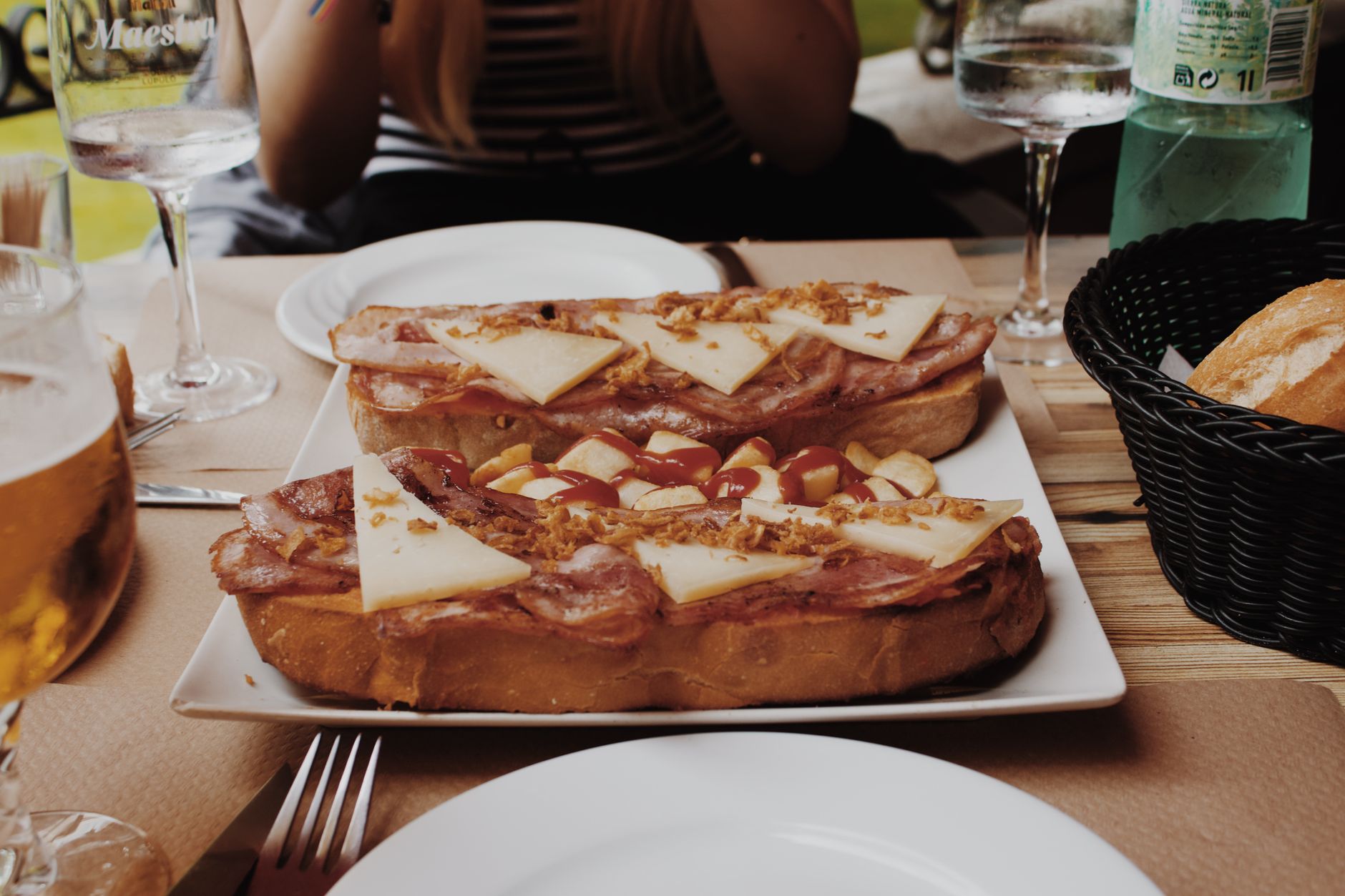

Whitewashed chimneys poke straight out of ochre clay hills like pale chess pieces. Down in the Barrio de las Cuevas, subterranean rooms hold a steady eighteen degrees Celsius year-round, muffling the afternoon heat entirely. A ten-minute walk leads down to the massive Renaissance cathedral and the eleventh-century Alcazaba ramparts. It is a working clay town, quiet under the Sierra Nevada, soundtracked by clattering spoons in simple corner bars serving migas de sémola and crisp local Garnacha.
Last updated 30 Aug 2026
Build a Guadix itinerary.
Choose up to 4 threads that pull you in. Your plan arrives organised around them.
The Bed
Where to stay in Guadix
Which part of town to book, and what each one costs you in walking, noise or quiet.
The Comparison
Guadix, or somewhere near it
The places you are realistically choosing between, and the honest case for each.
The Local Record
Where to read more about Guadix
The blogs, boards, guides and operators worth bookmarking.
What to do in Guadix Andalusia Spain
Guadix splits neatly between the subterranean troglodyte quarters above and the grand monumental centre below. Days follow the rhythm of the high plains: quiet mornings at the cathedral and Alcazaba, leisurely midday tapas along Calle Ancha, and late afternoons wandering the clay gullies. It suits travellers who appreciate layered history, desert geology, and authentic Andalusian cooking without coach-tour crowds.
24 hours in Guadix Andalusia Spain
Start early inside the cathedral and climb the bell tower, then walk ten minutes uphill into the Barrio de las Cuevas. Break for lunch over choto al ajillo near Plaza de las Palomas. End the day watching the sunset light up the chimney tops from Mirador Padre Poveda before evening tapas along Calle Ancha. Select 1 Day above to see it.
2 days in Guadix Andalusia Spain
Spend your second morning exploring the excavated Roman theatre and the 11th-century Alcazaba fortress. In the afternoon, take a five-minute drive to Purullena to see roadside pottery workshops and cave bodegas, pairing local mountain cheese with robust high-altitude red wine. Choose 2 Days to expand the plan.
3 days in Guadix Andalusia Spain
A third day allows an unhurried excursion into the Gorafe desert to hike among prehistoric dolmens and deep canyon badlands. Return via the castle of La Calahorra, rising above the Marquesado plateau, before a final dinner of migas de sémola back in the old town.
Guadix Andalusia Spain itineraries by interest
Cave Architecture in Guadix Andalusia Spain
Descend into the Barrio de las Cuevas and the Cueva-Museo to see how whitewashed tufa maintains a cool eighteen degrees year-round.
Sacred Architecture in Guadix Andalusia Spain
Tour the cathedral, where Gothic, Renaissance, and Baroque styles meet in red sandstone carvings designed by Diego de Siloé.
Moorish Fortresses in Guadix Andalusia Spain
Climb the red-clay ramparts of the 11th-century Alcazaba for panoramas over the tufa badlands and the snow of the Sierra Nevada.
Regional Cooking in Guadix Andalusia Spain
Order choto al ajillo and skillet-fried migas de sémola tossed with garlic, pancetta, and local green peppers at family tascas.
Local Wine in Guadix Andalusia Spain
Sample high-altitude Syrah and Tempranillo crafted in the high-desert plains of the DO Granada and Sierra Nevada foothills.
Ceramics & Craft in Guadix Andalusia Spain
Visit traditional pottery workshops in neighbouring Purullena to find hand-thrown terracotta pitchers and glazed red-clay wares.
Geological Landscapes in Guadix Andalusia Spain
Walk the badlands and dry gullies of the Geoparque de Granada, shaped over millions of years by glacial melt and river erosion.
Scenic Viewpoints in Guadix Andalusia Spain
Head to the Mirador de la Magdalena at dusk to watch the late sun turn the clay bluffs and white cave chimneys copper and gold.
Archaeology in Guadix Andalusia Spain
Explore the Roman Theatre excavated near Plaza de la Constitución, alongside remnants of ancient Acci dating to the 1st century.
Neighbourhood Walks in Guadix Andalusia Spain
Stroll the steep paths of Barrio de Santiago, lined with quiet lime-washed facades, terracotta pots, and small parish chapels.
Baking Traditions in Guadix Andalusia Spain
Pick up tortas de aceite, lard pastries, and pan de leña from historic bakeries tucked along Calle San Miguel and Calle Ancha.
Day Trips in Guadix Andalusia Spain
Drive twenty minutes north to the Gorafe megalithic park to walk among over two hundred Neolithic dolmens in the desert canyons.