


The green streetcars rattle across six tidal rivers that fan out into the Seto Inland Sea, carrying commuters past willow-lined banks and wide concrete boulevards built after 1945. It is a remarkably calm city on foot. We come to confront the Genbaku Dome and the quiet weight of the Peace Memorial Park, then end up lingering at dinner counters where cooks stack cabbage, noodles, pork, and batter on searing iron griddles. The resilience here is quiet, practical, and served piping hot.
Last updated 28 Aug 2026
Build a Hiroshima itinerary.
Choose up to 4 threads that pull you in. Your plan arrives organised around them.
The Bed
Where to stay in Hiroshima
Which part of town to book, and what each one costs you in walking, noise or quiet.
The Comparison
Hiroshima, or somewhere near it
The places you are realistically choosing between, and the honest case for each.
The Local Record
Where to read more about Hiroshima
The blogs, boards, guides and operators worth bookmarking.
What to do in Hiroshima Chūgoku Japan
Hiroshima is easy to navigate, flat, and built around wide rivers that reward relaxed walking. Most travellers divide their time between the profound Peace Memorial Park, the riverfront pathways, and the crowded okonomiyaki counters in Naka Ward. It suits independent travellers who appreciate straightforward transit, sober history, and generous food culture. Take the time to sit by the water with a coffee; it is a city that deserves unhurried attention.
24 hours in Hiroshima Chūgoku Japan
Start early at the Peace Memorial Museum before tour crowds thicken, then cross the Motoyasu River to the Genbaku Dome. At lunchtime, climb the stairs of Okonomimura for a sizzling Hiroshima-style pancake. Finish by riding the Hiroden tram north to Shukkei-en garden for tea by the pond. Select 1 Day above to see it.
2 days in Hiroshima Chūgoku Japan
A second day belongs to Miyajima. Catch the train to Miyajimaguchi, take the ten-minute ferry, and admire Itsukushima Shrine at morning high tide. Hike up Mount Misen or take the ropeway, snack on maple-leaf momiji manju, and return to Hiroshima for grilled oysters near Hondori. Choose 2 Days to expand the plan.
3 days in Hiroshima Chūgoku Japan
With three days, take the local train out to Saijo's Sakagura-dori to tour century-old breweries and taste crisp junmai sake. Alternatively, rent a bicycle from Ujina Port for a coastal loop around Ninoshima island, finishing back in town over bowls of spicy Hiroshima tsukemen.
Hiroshima Chūgoku Japan itineraries by interest
Regional Cooking in Hiroshima Chūgoku Japan
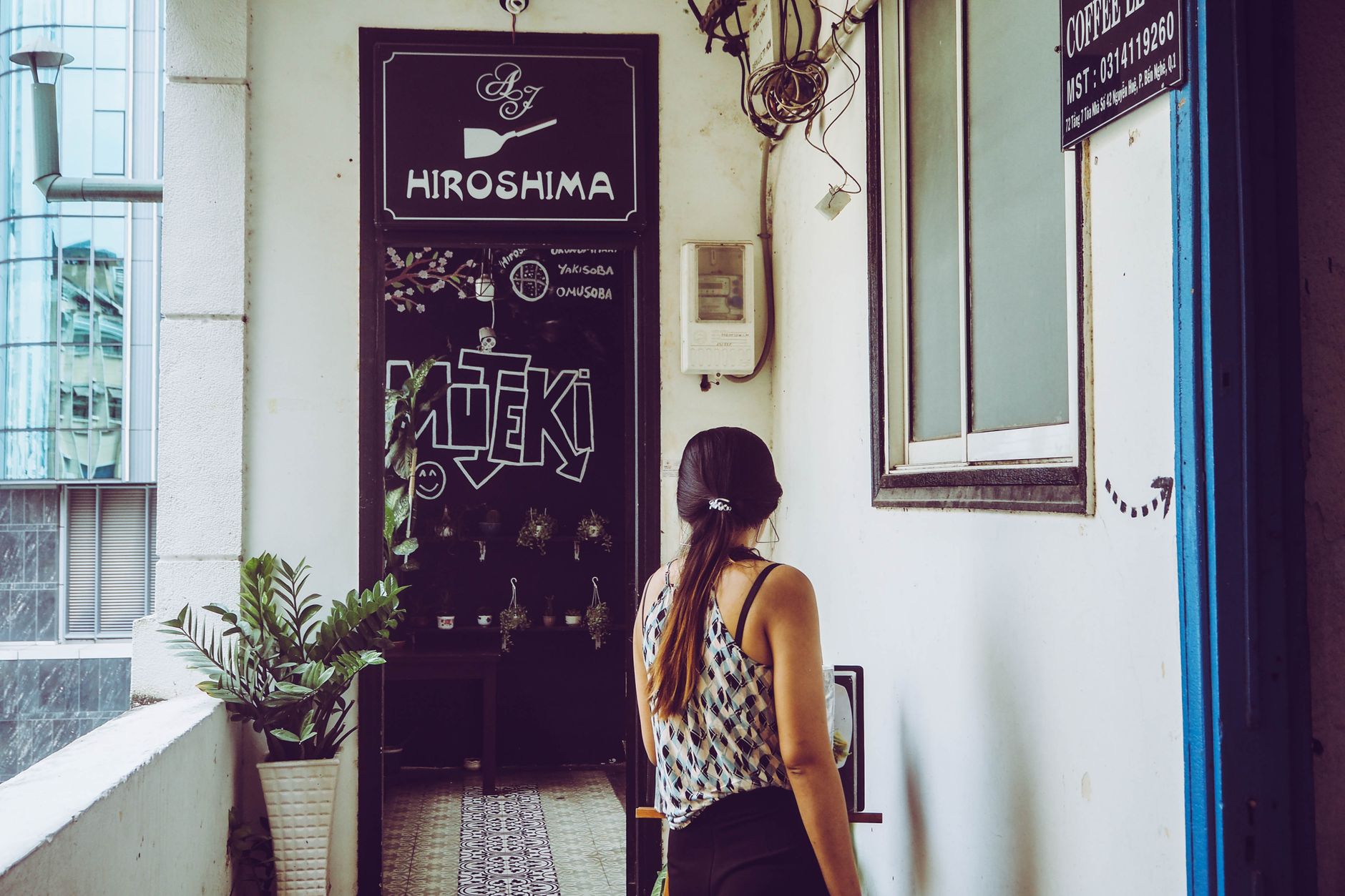
Watch cooks layer batter, shredded cabbage, pork belly, yakisoba noodles, and fried eggs under sweet Otafuku sauce inside Okonomimura.
Local Seafood in Hiroshima Chūgoku Japan
Slurp plump Seto Inland Sea oysters, grilled over charcoal in their shells or fried crisp in panko at stalls along the Hondori arcade.
Modern History in Hiroshima Chūgoku Japan
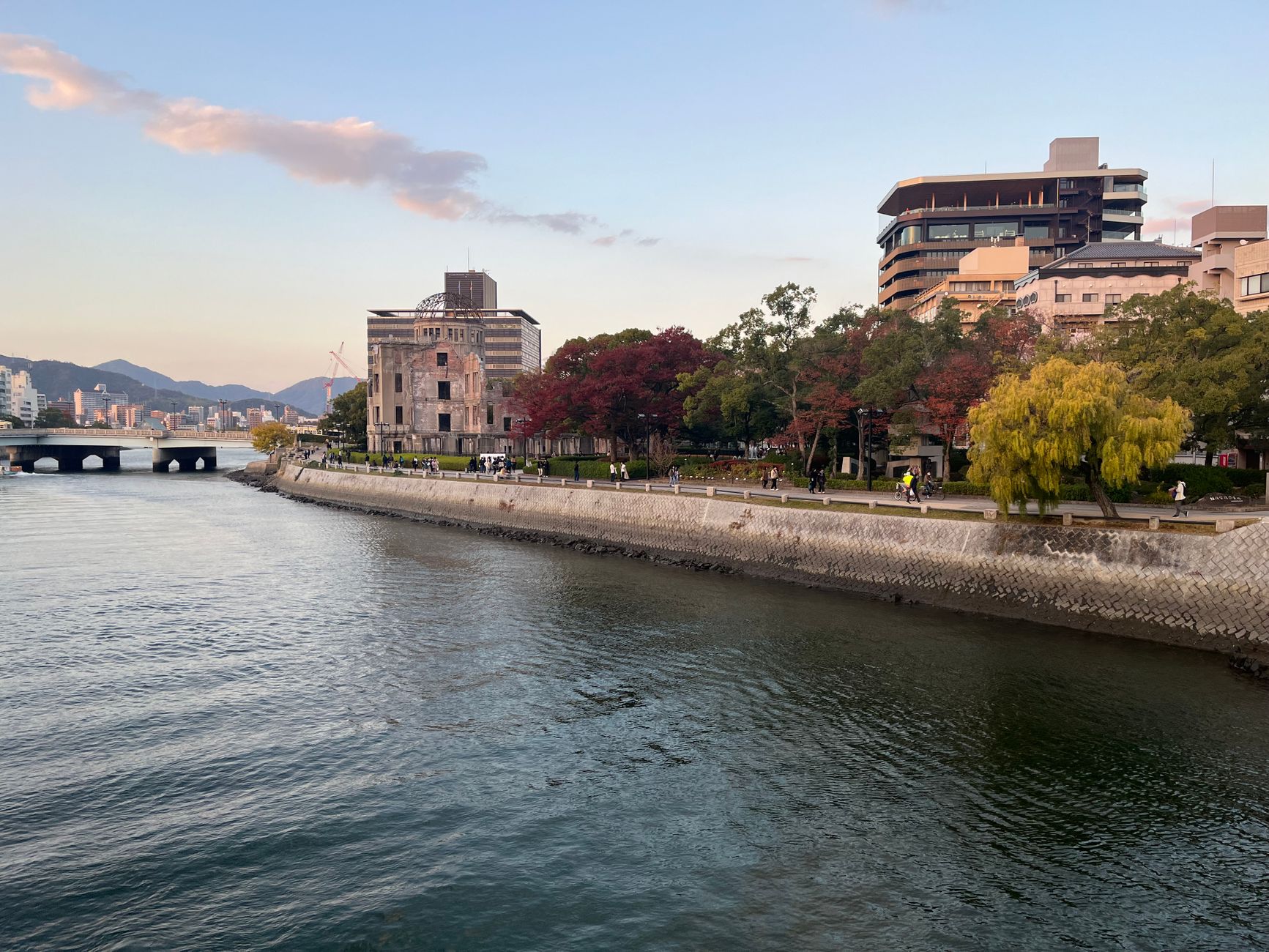
Walk from the skeletal Genbaku Dome to the Peace Memorial Museum, where everyday artifacts document the August 6, 1945 atomic bombing.
Sacred Architecture in Hiroshima Chūgoku Japan
Take the short ferry to Miyajima to see Itsukushima Shrine's vermilion torii gate, which appears to float on the bay at high tide.
Historic Gardens in Hiroshima Chūgoku Japan
Stroll the miniature bridges and tea pavilions of Shukkei-en, a landscaped daimyo garden dating to 1620 that survived wartime destruction.
City Walks in Hiroshima Chūgoku Japan
Follow the shaded promenades along the Kyobashi and Motoyasu rivers, where terrace cafes offer quiet vantage points on the water.
Sake Traditions in Hiroshima Chūgoku Japan
Ride the Sanyo Line thirty minutes east to Saijo, home to seven historic sakagura breweries using local soft water and brewing ginjo.
Castle Heritage in Hiroshima Chūgoku Japan
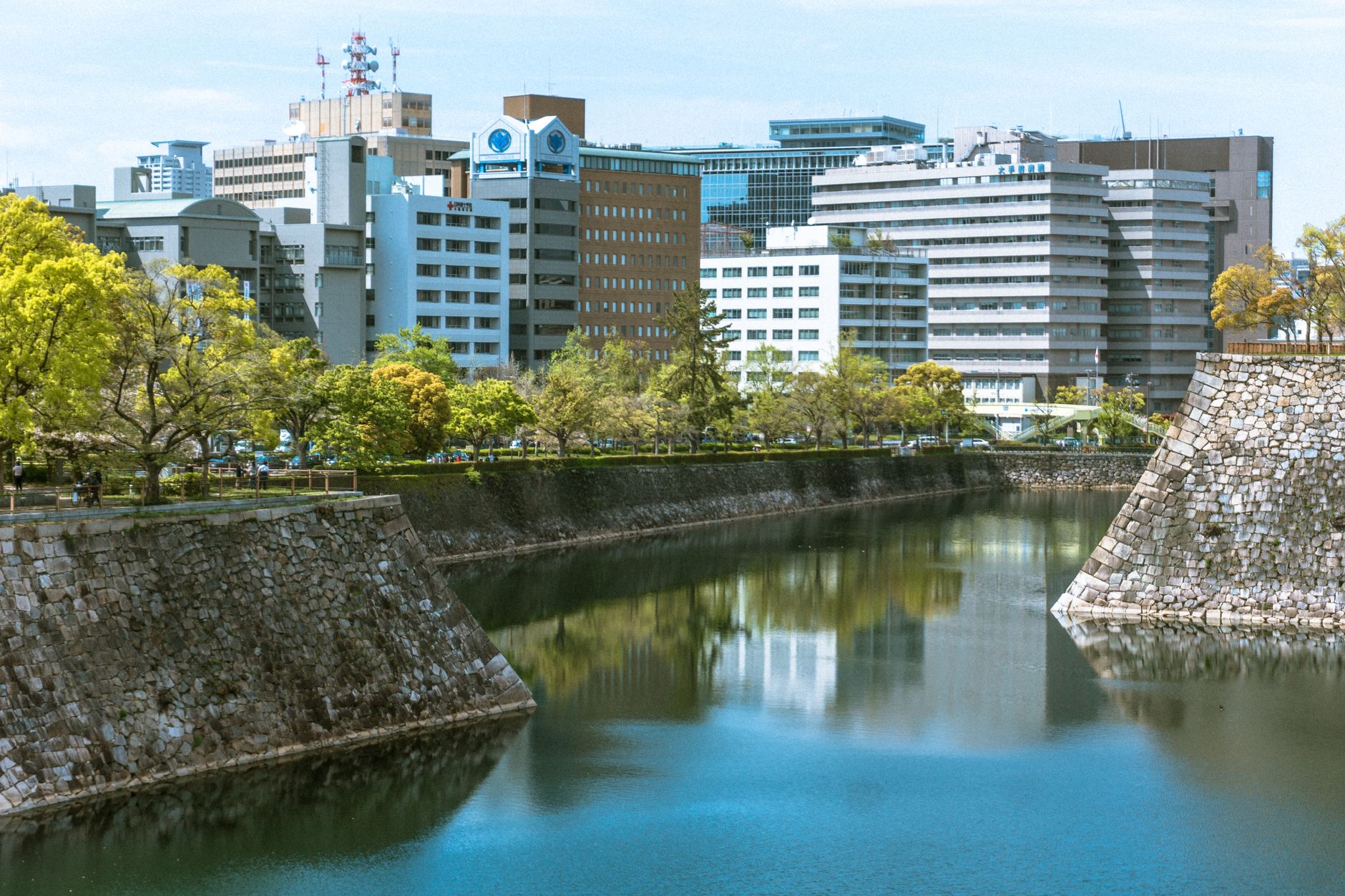
Explore the reconstructed black-and-white keep of Hiroshima Castle, surrounded by its original moat and wartime bunker foundations.
Coastal Islands in Hiroshima Chūgoku Japan
Board a ferry from Ujina Port to Ninoshima or Etajima for quiet bicycle rides past citrus groves and oyster-farming rafts on the sea.
Urban Transit in Hiroshima Chūgoku Japan
Ride the vintage Hiroden streetcars, some of which survived the 1945 blast and still traverse the city tracks every few minutes.
Mountain Hiking in Hiroshima Chūgoku Japan
Climb Mount Misen's forested trails on Miyajima past ancient cedar groves and wild deer to reach sweeping Seto Inland Sea views.
Contemporary Art in Hiroshima Chūgoku Japan
Ascend Hijiyama Park to visit the Hiroshima City Museum of Contemporary Art, housed in an airy pavilion designed by Kisho Kurokawa.