


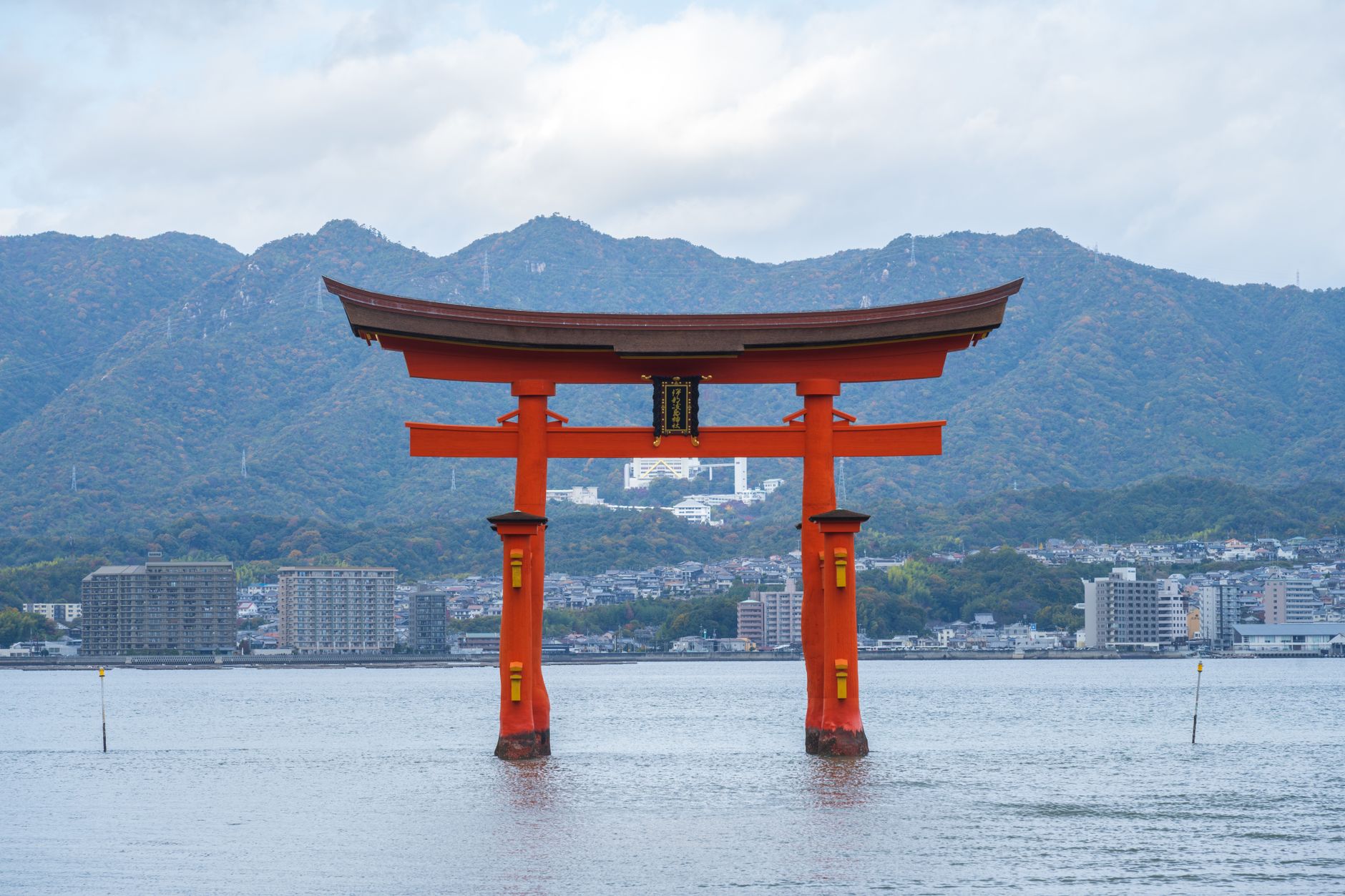
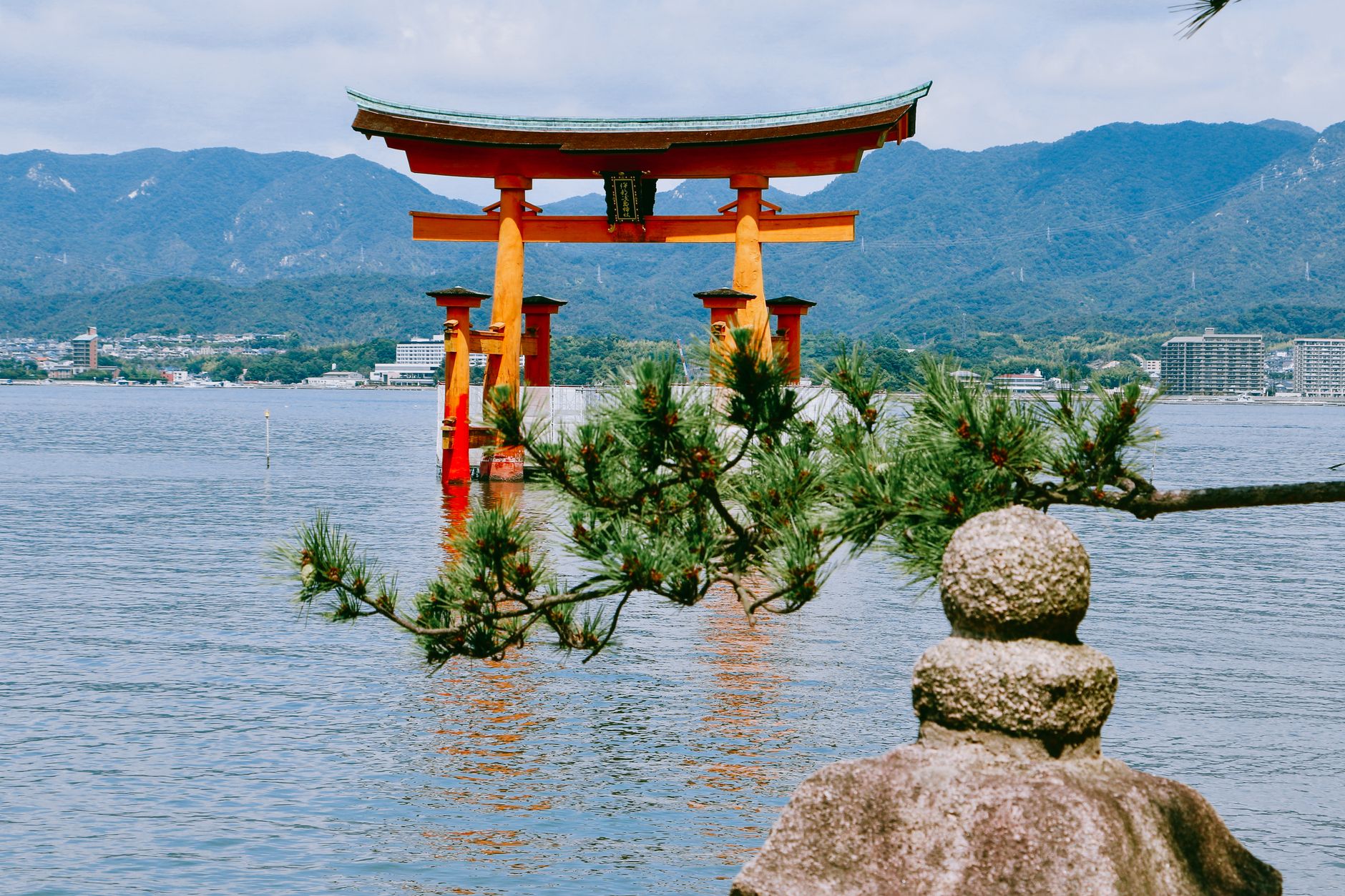

Wood smoke and salt spray hit before the ferry ramp clangs against the slipway. Sika deer browse near the seawall while charcoal braziers sizzle along Omotesando. The twelfth-century shrine of Itsukushima sits on pilings above the Seto Inland Sea, designed so tidal waters lap its vermilion corridors. Climb beyond the crowds toward Mount Misen's hemlock forests, where Buddhist fires have burned for twelve centuries, and the island settles into profound, mossy quiet.
Last updated 27 Aug 2026
Build a Miyajima itinerary.
Choose up to 4 threads that pull you in. Your plan arrives organised around them.
The Bed
Where to stay in Miyajima
Which part of town to book, and what each one costs you in walking, noise or quiet.
The Comparison
Miyajima, or somewhere near it
The places you are realistically choosing between, and the honest case for each.
The Local Record
Where to read more about Miyajima
The blogs, boards, guides and operators worth bookmarking.
What to do in Miyajima Chūgoku Japan
Miyajima shifts dramatically between midday bustle and dusk tranquility. Life here tracks the tide: morning brings pilgrims and day-trippers to Itsukushima Shrine, while afternoons belong to hikers ascending Mount Misen's boulder-strewn paths. Come sunset, when the day ferries empty, you have the lantern-lit waterfront and quiet izakayas to yourself. It suits contemplative walkers and hungry travellers who value staying overnight.
24 hours in Miyajima Chūgoku Japan
Catch the early ferry from Miyajimaguchi to beat the crowds at Itsukushima Shrine. Break for anagomeshi at Ueno or a grilled oyster skewer on Omotesando. Spend the afternoon ascending Mount Misen via the ropeway, then walk down past Daisho-in's prayer wheels. Stay for sunset when the great torii gate reflects on dark water. Select 1 Day above to see it.
2 days in Miyajima Chūgoku Japan
Day two belongs to the quiet interior. Hike the shaded Daisho-in course to Misen's summit early, passing ancient hemlocks and Kiezu-no-hi flame hall. Descend through Momijidani Park for a lunch of handmade buckwheat soba. Spend a relaxed afternoon admiring wooden crafts along Machiya Street before soaking in a ryokan bath. Choose 2 Days to expand the plan.
3 days in Miyajima Chūgoku Japan
A third day lets you explore the quiet southern coves by kayak or catch the local boat around the island's seven shrines. Alternatively, take the ferry back to the mainland for an easy side trip to Hiroshima's Peace Memorial Museum and Shukkei-en garden, returning to Miyajima for a quiet evening meal of braised sea bream.
Miyajima Chūgoku Japan itineraries by interest
Local Seafood in Miyajima Chūgoku Japan
Slurp giant Seto oysters grilled over binchotan charcoal or raw with ponzu at street stalls along the pier.
Sacred Architecture in Miyajima Chūgoku Japan
Walk the vermilion boardwalks of Itsukushima Shrine at high tide and visit the towering five-story Gojunoto pagoda.
Mountain Hiking in Miyajima Chūgoku Japan
Hike the steep Momijidani or Daisho-in trails through maple woods up Mount Misen for wide Inland Sea panoramas.
Street Food in Miyajima Chūgoku Japan
Sample maple-leaf-shaped momiji manju cakes filled with sweet red bean paste or custard, fried crisp on order.
Buddhist Heritage in Miyajima Chūgoku Japan
Explore Daisho-in temple complex, home to five hundred stone rakan statues and the eternal flame rekindled since 806.
Coastal Walks in Miyajima Chūgoku Japan
Follow the shoreline path past stone lanterns to the o-torii gate at low tide, walking directly onto wet sand.
Craft Traditions in Miyajima Chūgoku Japan
Pick up hand-carved shakushi rice scoops, shaped from cherry wood and sold in historic workshops since the 1700s.
Forest Trails in Miyajima Chūgoku Japan
Wander Momijidani Park along the stream beneath hundreds of Japanese maple trees that blaze crimson in November.
Regional Specialities in Miyajima Chūgoku Japan
Order anagomeshi, succulent salt-water eel broiled in savoury tare sauce over rice cooked in rich fish stock.
Island Viewpoints in Miyajima Chūgoku Japan
Ride the Miyajima Ropeway to Shishi-iwa Observatory for views stretching across scattered island archipelagoes.
Historic Streets in Miyajima Chūgoku Japan
Stroll Machiya Street behind the main arcade, lined with traditional wooden merchant homes and quiet tea houses.
Day Trips in Miyajima Chūgoku Japan
Take the short ferry to Miyajimaguchi and a tram into Hiroshima to visit the Peace Memorial Park and Shukkei-en.