


Honchō sits forty minutes east of Tokyo Station via the JR Sōbu Line, followed by a short walk along the Miyako River. It is known for the twin-roofed Chiba Shrine and the old merchant streets surrounding the castle hill at Inohana. Honchō is worth visiting if you want unpretentious neighbourhood diners, historic shrine grounds without crowds, and quiet Edo-rooted streets. Look elsewhere if you want glitzy nightlife, sprawling shopping malls, or immediate ocean beaches.
Last updated 13 Nov 2026
Build a Honchō itinerary.
Choose up to 4 threads that pull you in. Your plan arrives organised around them.
The Bed
Where to stay in Honchō
Which part of town to book, and what each one costs you in walking, noise or quiet.
The Comparison
Honchō, or somewhere near it
The places you are realistically choosing between, and the honest case for each.
The Local Record
Where to read more about Honchō
The blogs, boards, guides and operators worth bookmarking.
What to do in Honchō Chiba Japan
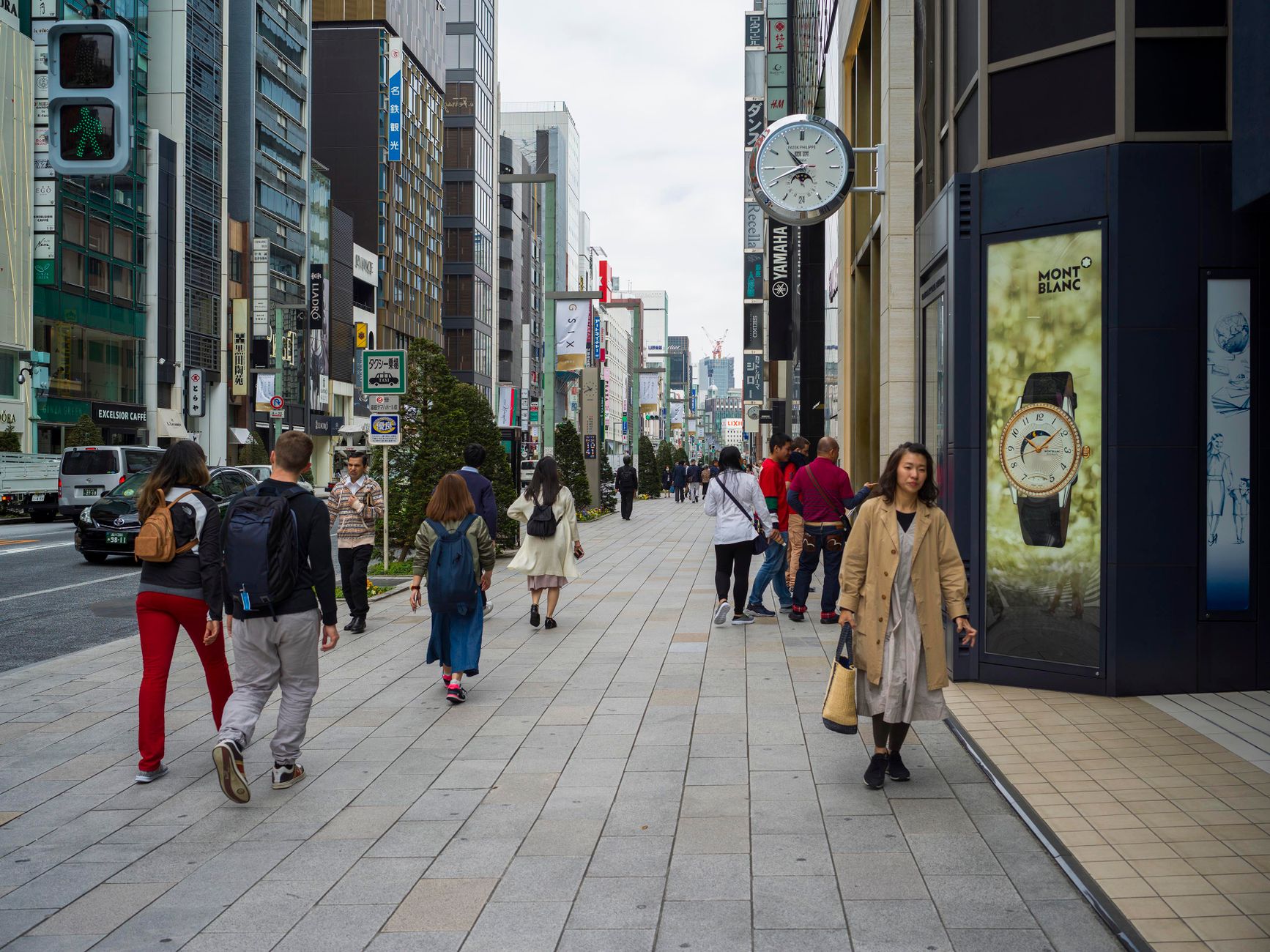
Honchō is the historic spine of Chiba City, where low-rise residential alleys meet municipal offices and old commercial storefronts. The daily rhythm is calm, anchored by morning worship at Chiba Shrine and lunch crowds filling simple noodle counters. It suits travellers who appreciate unhurried provincial capitals, walkable Edo-period traces, and honest regional cooking over manufactured spectacle.
24 hours in Honchō Chiba Japan
Start early at Chiba Shrine before the grounds get busy, then cross the Miyako River for a lunch of crisp tonkatsu on Honchō-dōri. Spend the afternoon exploring Inohana Castle and its museum, finishing with a bowl of soy-broth clam ramen and a cold local beer near Kencho-mae Station. Select 1 Day above to see it.
2 days in Honchō Chiba Japan
Devote day two to culture and the waterfront. Walk to the Chiba City Museum of Art for its stellar ukiyo-e print collection, then ride the suspended monorail out to Chiba Port Tower for open bay views followed by an evening meal of grilled mackerel and sashimi in Chiba-Chūō. Choose 2 Days to expand the plan.
3 days in Honchō Chiba Japan
A third day allows an easy morning train down the Bōsō Peninsula to the historic merchant canals of Sawara or the coastal cliffs of Nokogiriyama. Return to Honchō for a slow evening strolling Inohana Park and sampling seasonal wagashi from the neighbourhood confectioner.
Honchō Chiba Japan itineraries by interest
Sacred Architecture in Honchō Chiba Japan
Chiba Shrine features a striking two-story main hall with vermilion arches, dedicated to Myōken, the deity of the North Star, since the twelfth century.
Local Pork Dishes in Honchō Chiba Japan
Chiba Prefecture raises excellent Berkshire pork; try thick-cut tonkatsu fried in lard at unassuming neighbourhood shokudō around Honchō-dōri.
Castle Heritage in Honchō Chiba Japan
Climb Inohana Hill to the reconstructed five-story castle keep housing samurai armour and medieval artefacts from the founding Chiba clan.
Regional Produce in Honchō Chiba Japan
Sample freshly roasted local peanuts, peanut butter spreads, and seasonal sweet potatoes sold by family-run grocers along the central avenue.
Riverside Walks in Honchō Chiba Japan
Follow the paved pedestrian path beside the Miyako River beneath flowering cherry trees and weeping willows away from the main road traffic.
Urban Transit in Honchō Chiba Japan
Ride the suspended Chiba Urban Monorail from Yoshikawakoen or Kencho-mae for elevated views over the grid of older residential rooftops.
Traditional Sweets in Honchō Chiba Japan
Pick up hand-shaped wagashi, seasonal daifuku, and monaka bean paste wafers from confectioners who have operated here for generations.
Noodle Shops in Honchō Chiba Japan
Slip into tight ramen joints serving dark soy-sauce broth fortified with local Tokyo Bay clams, niboshi dried sardines, and hand-cut noodles.
Public Parks in Honchō Chiba Japan
Inohana Park offers quiet shade under ancient trees, stone lantern monuments, and a small teahouse serving green tea alongside garden views.
Craft Beer in Honchō Chiba Japan
Sample crisp craft ales and stouts brewed with regional grains at small taprooms dotted between Honchō and nearby Chiba-Chūō Station.
Museum Collections in Honchō Chiba Japan
The Chiba City Museum of Art sits just west of Honchō, showcasing Edo-period ukiyo-e woodblock prints and modern Japanese post-war works.
Coastal Seafood in Honchō Chiba Japan
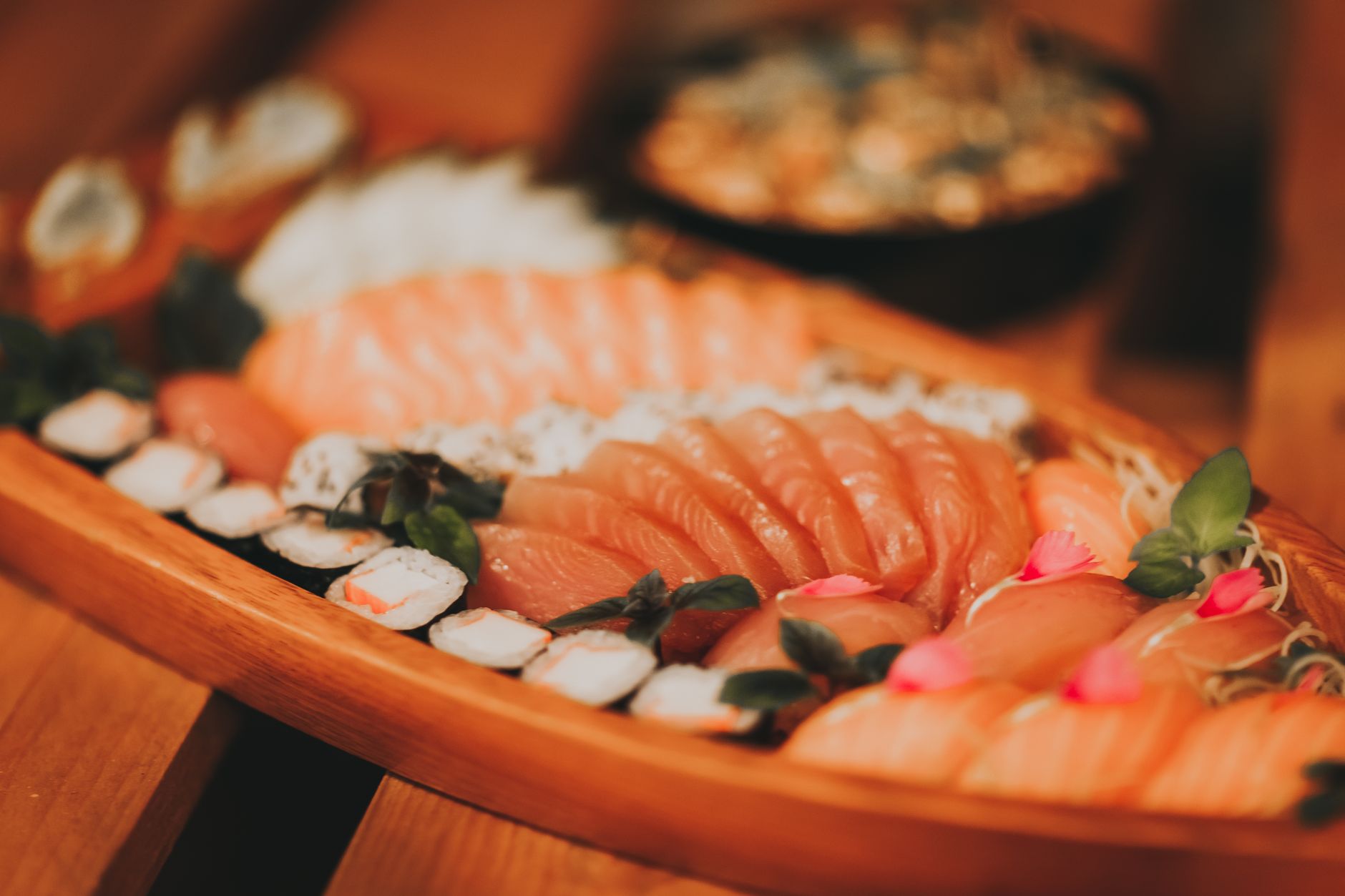
Nearby fishmongers serve Edo-mae asari clams, grilled mackerel, and fresh sashimi sourced directly from Chiba port and the Bōsō Peninsula.