Khémisset.


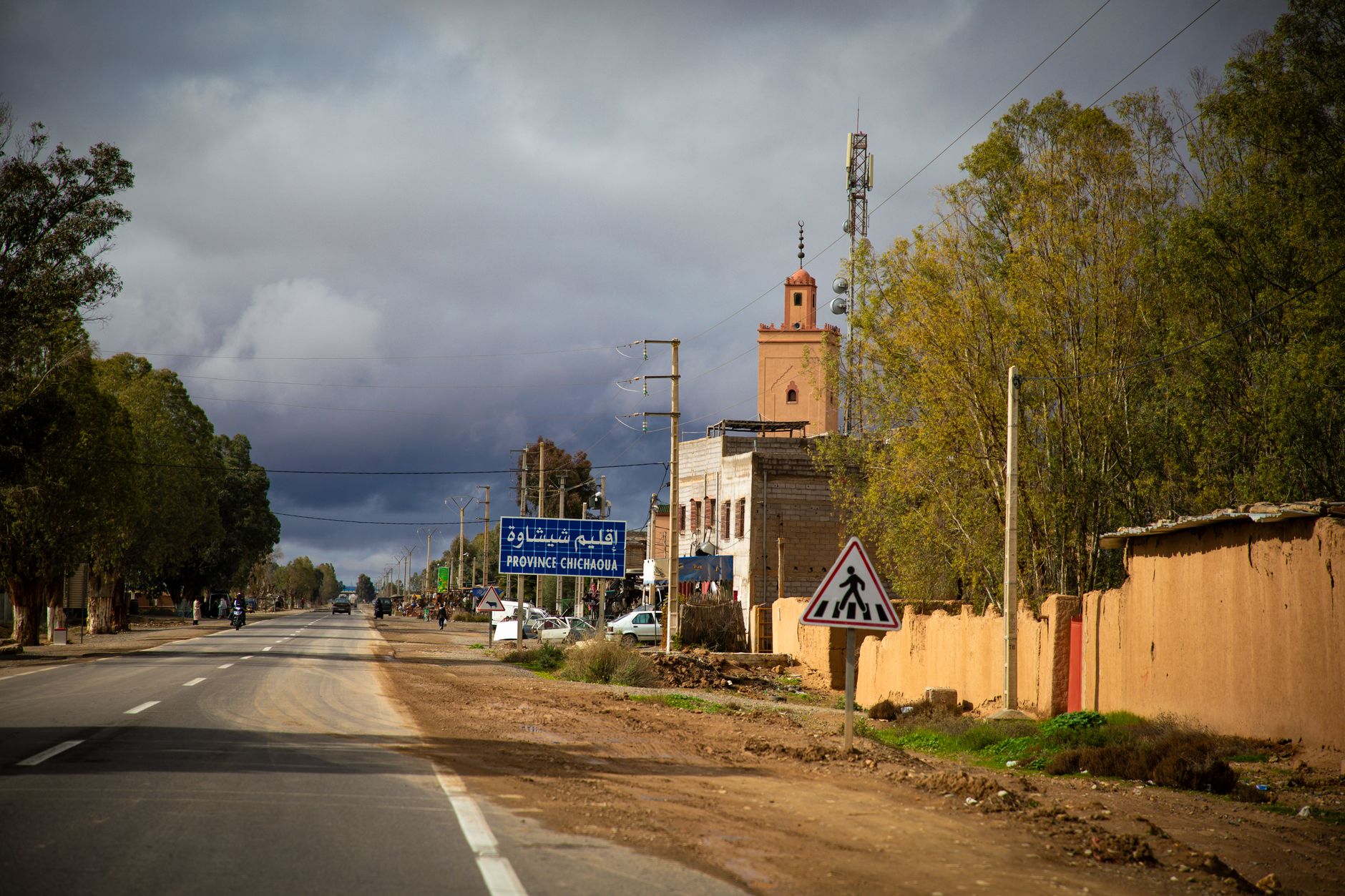


Khémisset sits eighty kilometres east of Rabat, an hour along the A2 highway on the Zemmour plains. The town is known for its intricate red-wool Berber carpets and sprawling Tuesday market. Daily life here revolves around farm trade rather than tourism. Khémisset is worth visiting if you want to buy Zemmour flatweaves directly from regional weavers and eat fresh charcoal-grilled lamb. Look elsewhere if you expect historic walled medinas, boutique hotels, or nightlife.
Last updated 15 Sept 2026
Build a Khémisset itinerary.
Choose up to 4 threads that pull you in. Your plan arrives organised around them.
The Bed
Where to stay in Khémisset
Which part of town to book, and what each one costs you in walking, noise or quiet.
The Comparison
Khémisset, or somewhere near it
The places you are realistically choosing between, and the honest case for each.
The Local Record
Where to read more about Khémisset
The blogs, boards, guides and operators worth bookmarking.
What to do in Khémisset Rabat & the Northwest Morocco
Khémisset is an unvarnished provincial hub shaped by its farming territory and Amazigh heritage. The town runs around the broad Boulevard Mohammed V, where butchers grill what you buy and men gather for morning espresso. The draw here is not manicured monuments but earthy authenticity: exceptional handwoven wool rugs, straightforward country food, and the tranquil shores of nearby Dayet Roumi.
24 hours in Khémisset Rabat & the Northwest Morocco
Spend the morning browsing the stalls at Souk Tlet or visiting weaving workshops for Zemmour kilims. For lunch, order lamb cutlets grilled over charcoal on Boulevard Mohammed V. In the afternoon, take the fifteen-minute drive south to Dayet Roumi for an easy walk along the lake before tea in the town square. Select 1 Day above to see it.
2 days in Khémisset Rabat & the Northwest Morocco
Dedicate your second morning to the craft workshops around Place de la Marche Verte, searching for carved cedar and alfa baskets. Head out to the rural valley near Maaziz for a slow lunch of braised beef tagine at a village cafe, returning for mint tea and griddled harcha at an outdoor terrace. Choose 2 Days to expand the plan.
3 days in Khémisset Rabat & the Northwest Morocco
A third day allows you to venture east along the N6 toward Meknès or north to the quiet cork-oak groves of the Maamora forest for shaded trails. You will have time to visit weaving households in surrounding douars, learning how natural plant dyes are mixed and prepared for the looms.
Khémisset Rabat & the Northwest Morocco itineraries by interest
Textiles & Weaving in Khémisset Rabat & the Northwest Morocco
Inspect Zemmour flatweave rugs known for deep red wool, fine orange geometric patterns, and sturdy goat-hair warps woven by regional women.
Markets & Souks in Khémisset Rabat & the Northwest Morocco
Browse the Tuesday Souk Tlet for mountain honey, pressed olive oil, seasonal melons, and live trade between Zemmour farming families.
Roadside Grills in Khémisset Rabat & the Northwest Morocco
Pick cuts of mutton or spiced minced kefta at roadside butchers along Avenue Mohammed V to be seared over charcoal with cumin and onions.
Equestrian Culture in Khémisset Rabat & the Northwest Morocco
Watch traditional Tbourida riders and inspect hand-stitched leather saddles crafted for local harvest festivals and fantasia performances.
Lakeside Walking in Khémisset Rabat & the Northwest Morocco
Follow quiet shoreline trails at Dayet Roumi lake, fifteen kilometres south, where local anglers cast for carp in reed-lined water.
Regional Tagines in Khémisset Rabat & the Northwest Morocco
Order clay-pot tagines simmered with prunes, beef shanks, toasted almonds, and saffron broth in unpretentious cafes around Place de la Marche Verte.
Craft Traditions in Khémisset Rabat & the Northwest Morocco
Look for carved cedar bowls, woven alfa grass baskets, and wrought iron hardware hammered out in the artisan quarters off the central avenue.
Tea Culture in Khémisset Rabat & the Northwest Morocco
Sip gunpowder green tea steeped with fresh spearmint and sheeba at open-air terrace cafes where locals play damier under eucalyptus trees.
Country Drives in Khémisset Rabat & the Northwest Morocco
Take the scenic R401 south into oak-forested foothills toward Maaziz, passing stone hamlets, wheat fields, and roadside fruit stands.
Forest Trails in Khémisset Rabat & the Northwest Morocco
Wander through the nearby cork oak and maritime pine stands of the Maamora forest edge for shady dirt tracks and wild thyme foraging.
Local Baking in Khémisset Rabat & the Northwest Morocco
Grab warm rounds of semolina khobz, harcha flatbread, and msemmen griddled with butter from corner bakeries open early each morning.
Day Trips in Khémisset Rabat & the Northwest Morocco
Drive thirty minutes east to Tiflet for Thursday livestock trading or fifty minutes to the Roman ruins and olive groves of Volubilis.