Rabat.


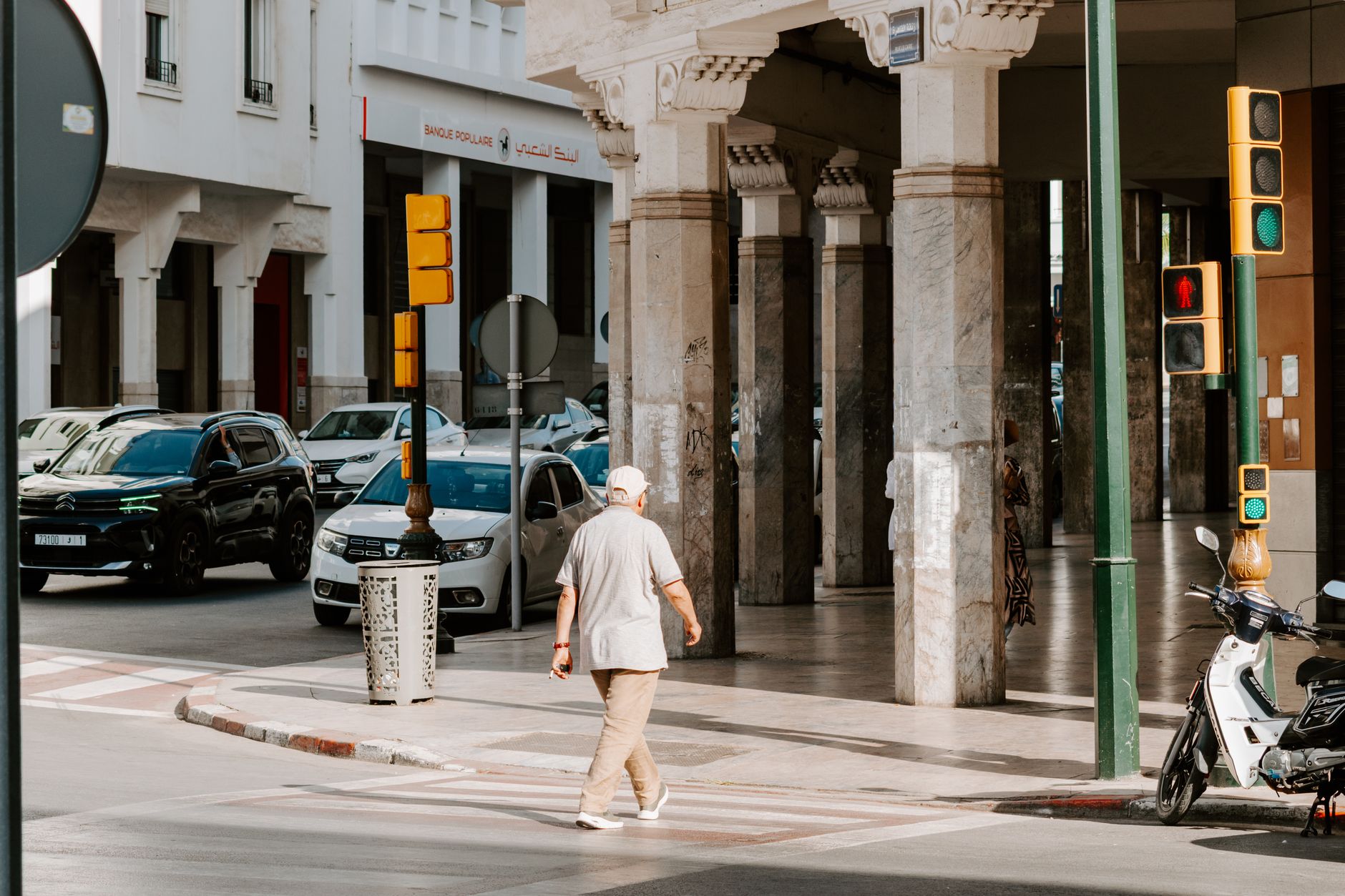
Rabat sits fifty minutes north of Casablanca by the Al Boraq high-speed train, positioned where the Bou Regreg river meets the Atlantic. Morocco's capital is known for its wide French protectorate boulevards, the 12th-century Hassan Tower, and an unhurried, lived-in coastal medina. It lacks the tourist theater of Marrakech, which is precisely why it works. Rabat is worth visiting if you want to walk an ancient blue-and-white fortress above the surf without running a gauntlet of carpet sellers. Look elsewhere if you want high-energy nightlife, the sensory chaos of a massive bazaar, or a long checklist of blockbuster sights.
Last updated 10 Sept 2026
Build a Rabat itinerary.
Choose up to 4 threads that pull you in. Your plan arrives organised around them.
The Bed
Where to stay in Rabat
Which part of town to book, and what each one costs you in walking, noise or quiet.
The Comparison
Rabat, or somewhere near it
The places you are realistically choosing between, and the honest case for each.
The Local Record
Where to read more about Rabat
The blogs, boards, guides and operators worth bookmarking.
What to do in Rabat Rabat & the Northwest Morocco
Rabat spreads along a salt-washed bluff where the Bou Regreg river empties into the Atlantic. Days move at a civilized pace dictated by government hours, calls to prayer, and the afternoon tea rush. You will spend mornings between Almohad ramparts and quiet medina lanes, moving to breezy cafe terraces on Avenue Mohammed V by afternoon. It suits independent walkers who appreciate political gravitas, clean pavements, and real neighbourhood life over spectacle.
24 hours in Rabat Rabat & the Northwest Morocco
Start early at the Kasbah of the Udayas before the heat builds, walking down to the river mouth. Cross to Hassan Tower by mid-morning, then take a simple lunch of fried sole and grilled peppers near the Marché Central. Finish with a late afternoon walk through the Chellah ruins and dinner along the quiet flagstones of the Rue des Consuls. Select 1 Day above to see it.
2 days in Rabat Rabat & the Northwest Morocco
A second day lets you cross the river. Take a wooden rowboat across to Salé to explore its quiet marinid medersa and residential medina, untouched by souvenir shops. Return to Rabat for modern Moroccan art at the Mohammed VI Museum, followed by a pot of tagine with prunes and almonds at a low-key neighbourhood bistro in the Ville Nouvelle. Choose 2 Days to expand the plan.
3 days in Rabat Rabat & the Northwest Morocco
Three days gives you time to ride the train thirty minutes south to the seaside fortress of Skhirat, or spend an unhurried morning browsing pottery workshops at the Oulja artisan village. Back in the capital, linger over mint tea at Café Maure overlooking the river estuary while the Atlantic fog rolls in across the ramparts.
Rabat Rabat & the Northwest Morocco itineraries by interest
Coastal Fortresses in Rabat Rabat & the Northwest Morocco
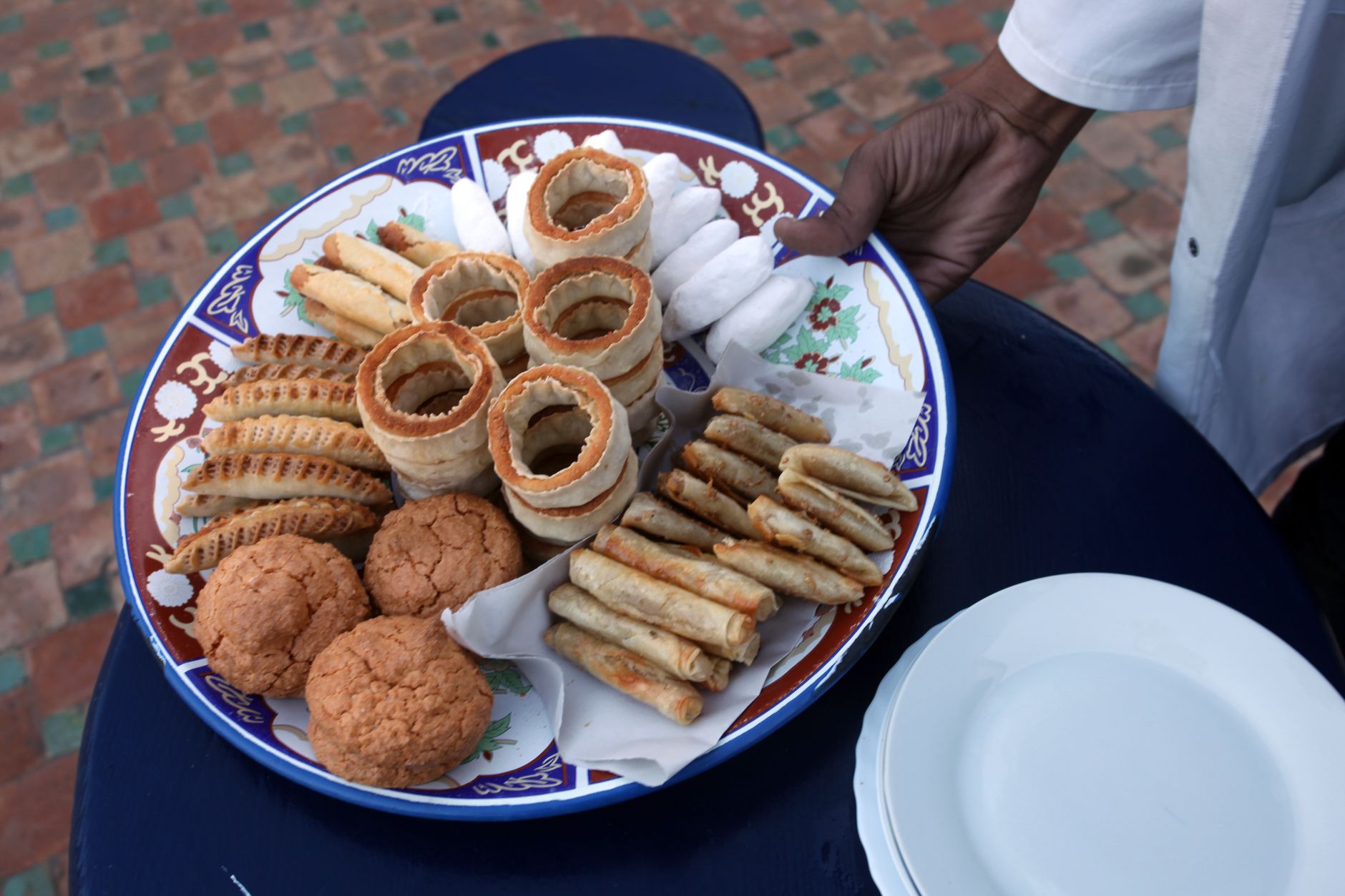
Walk the narrow alleys of the Kasbah of the Udayas down to the Andalusian Gardens, finishing with mint tea and almond cornes de gazelle.
Local Seafood in Rabat Rabat & the Northwest Morocco
Eat charcoal-grilled sardines, fried whiting, and calamari served straight from paper sheets at the no-nonsense port stalls beside the Bou Regreg.
Sacred Architecture in Rabat Rabat & the Northwest Morocco
Study the unfinished red sandstone columns of the 12th-century Hassan Tower and the intricate carved plaster of the adjacent Royal Mausoleum.
Markets & Produce in Rabat Rabat & the Northwest Morocco
Weave along Rue Souika and the Marché Central for salted olives, orange blossom water, preserved lemons, and warm msemen flatbreads off the griddle.
Street Food in Rabat Rabat & the Northwest Morocco
Pick up steaming harira lentil soup, hard-boiled eggs dusted with cumin, and fresh briouats stuffed with spiced minced meat near Bab El Had.
Ancient Ruins in Rabat Rabat & the Northwest Morocco
Wander the Roman foundations of Sala Colonia and the ruined 14th-century Merenid necropolis at Chellah, surrounded by nesting storks and fig trees.
Modern Art in Rabat Rabat & the Northwest Morocco
Explore contemporary Moroccan painting, sculpture, and photography across the airy galleries of the Mohammed VI Museum of Modern and Contemporary Art.
Craft Traditions in Rabat Rabat & the Northwest Morocco
Watch weavers knot high-pile wool rugs along the Rue des Consuls, where Berber weaving guilds have traded hand-dyed textiles for centuries.
Coastal Walks in Rabat Rabat & the Northwest Morocco
Stroll the stone breakwater by the Atlantic lighthouse at dusk as fishing boats return through the break and Atlantic swells crash on the rocks.
Day Trips in Rabat Rabat & the Northwest Morocco
Take the wooden rowboat ferry across the river to Salé to explore the quiet 14th-century Medersa and traditional pottery kilns at Oulja.
City Architecture in Rabat Rabat & the Northwest Morocco
Walk the palm-lined Avenue Mohammed V to see early 20th-century Art Deco and Neo-Moorish facades built during the French protectorate.
Garden Sanctuaries in Rabat Rabat & the Northwest Morocco
Rest on stone benches among date palms, sour orange trees, and bougainvillea inside the walled 1914 Jardin d'Essais Botaniques.