Salé.
.jpg)


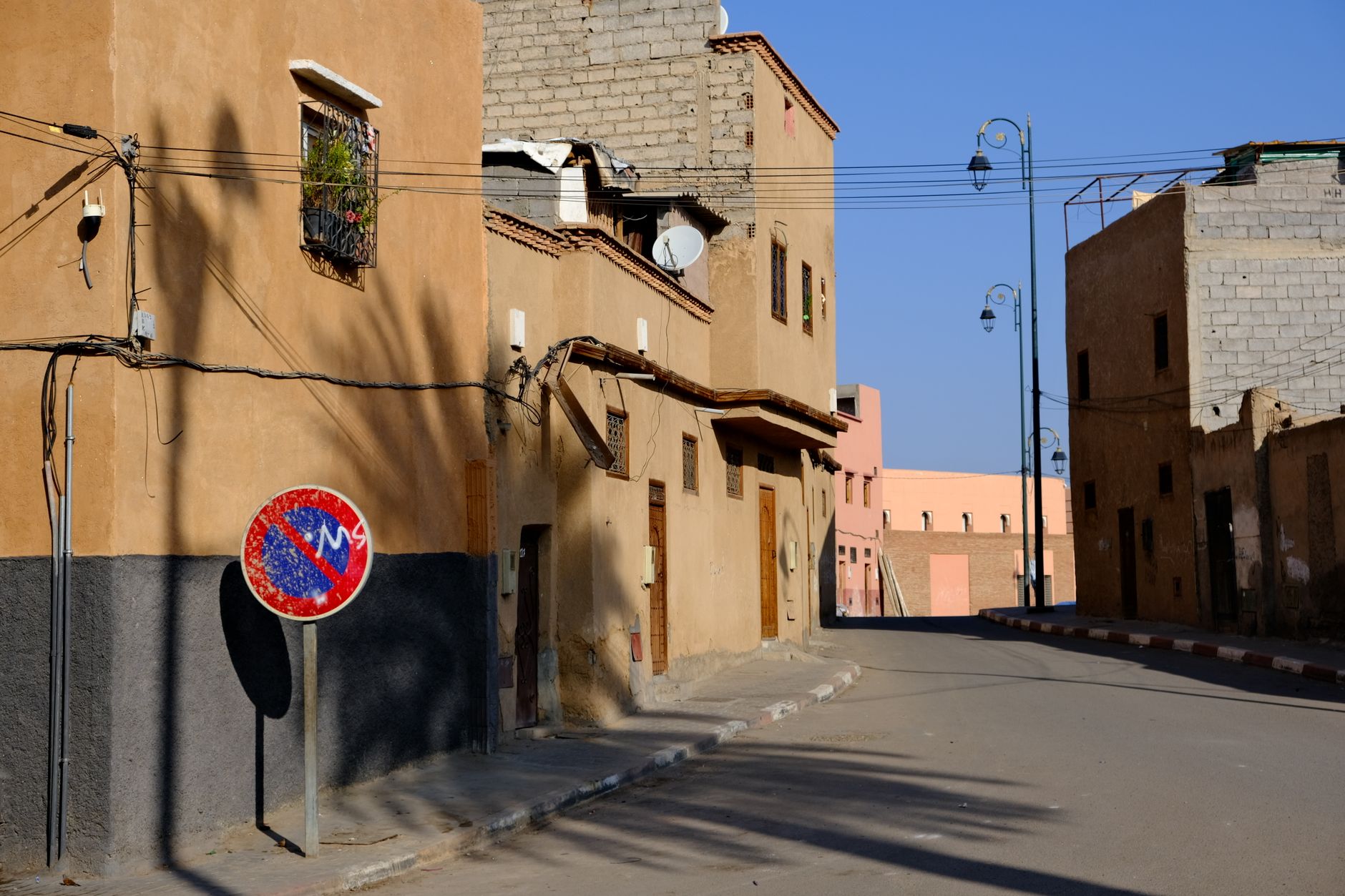
Salé sits directly across the Bou Regreg river from Rabat, connected in ten minutes by the Line 1 tram or a two-dirham wooden rowboat. While the capital polishes its diplomatic boulevards, Salé preserves an unvarnished 14th-century Marinid core, massive sea-facing ramparts, and a working market town pace without souvenir stalls. Salé is worth visiting if you want to study intricate Marinid tilework and walk working medieval alleyways without tour groups. Look elsewhere if you want nightlife, licensed bars, boutique riads, or polished tourist amenities.
Last updated 10 Sept 2026
Build a Salé itinerary.
Choose up to 4 threads that pull you in. Your plan arrives organised around them.
The Bed
Where to stay in Salé
Which part of town to book, and what each one costs you in walking, noise or quiet.
The Comparison
Salé, or somewhere near it
The places you are realistically choosing between, and the honest case for each.
The Local Record
Where to read more about Salé
The blogs, boards, guides and operators worth bookmarking.
What to do in Salé Rabat & the Northwest Morocco
Salé operates on its own daily rhythms, largely untroubled by international tourism. The walled medina centres on religious scholarship, trade, and Atlantic fishing, bounded by defensive stone walls and the Bou Regreg estuary. Days revolve around market runs, midday prayer, and late afternoon strolls along the coastal ramparts. It suits travellers who prefer raw historic streetscapes, Marinid architecture, and authentic neighbourhood hospitality.
24 hours in Salé Rabat & the Northwest Morocco
Enter Bab el-Mrissa on foot, then spend the morning absorbing the woodcarvings of Medersa Abou el-Hassan. Order a plate of spiced fried whiting near Bab Sebta for lunch. Spend the late afternoon walking the Atlantic battlements at Borj Adoumoue before taking a wooden flouka boat back across the river at dusk. Select 1 Day above to see it.
2 days in Salé Rabat & the Northwest Morocco
A second day allows a taxi run out to the Oulja artisan village to watch potters firing earthenware kilns. Return to the medina to browse Souk El Ghezel for wool and spices, then sit with sweet mint tea and fresh almond ghriba cookies at a working-class cafe beside the cemetery overlooking the ocean. Choose 2 Days to expand the plan.
3 days in Salé Rabat & the Northwest Morocco
With three days, venture beyond the city gates to the Atlantic beaches of Sidi Bouknadel or the quiet cork oak groves of the Maamora forest. Alternatively, ride the coastal train thirty minutes north to Kenitra for an afternoon of grilled fish stalls and estuary walks along the Sebou.
Salé Rabat & the Northwest Morocco itineraries by interest
Sacred Architecture in Salé Rabat & the Northwest Morocco
Admire carved cedar and zellij tilework at the 14th-century Medersa Abou el-Hassan, opposite the historic Grand Mosque.
Maritime History in Salé Rabat & the Northwest Morocco
Walk the massive stone arches of Bab el-Mrissa, a 13th-century marine gate where corsair galleys once docked safely.
Craft Traditions in Salé Rabat & the Northwest Morocco
Watch master potters spin tagines and sculpt terracotta garden vessels at the Oulja artisanal complex along the river.
Street Food in Salé Rabat & the Northwest Morocco
Stand at corner fryers in Souk El Ghezel for crisp sardine sandwiches packed with harissa, cumin, and pickled peppers.
Historic Fortifications in Salé Rabat & the Northwest Morocco
Trace the seaside battlements of the Borj Adoumoue bastion, armed with old bronze cannons overlooking the Atlantic surf.
Markets & Produce in Salé Rabat & the Northwest Morocco
Navigate Souk el-Kebir and the Rue Kechachine for fresh mint, spiced olives, dried figs, and warm flatbreads baked twice daily.
Local Seafood in Salé Rabat & the Northwest Morocco
Eat grilled red mullet, sole, and calamari served straight from the Atlantic boats by the fish market near Bab Sebta.
Riverside Walks in Salé Rabat & the Northwest Morocco
Stroll the Bou Regreg promenade near Marina de Salé, watching traditional wooden floukas ferry commuters across to Rabat.
Religious Heritage in Salé Rabat & the Northwest Morocco
Observe the whitewashed domes of the Zaouia of Sidi Ben Acher, an essential pilgrimage sanctuary perched above the ocean.
Traditional Baking in Salé Rabat & the Northwest Morocco
Bring sweet almond briouats and semolina harcha from neighbourhood wood-fired ferran bakeries onto quiet shaded benches.
Coastal Views in Salé Rabat & the Northwest Morocco
Watch Atlantic swells crash against the rocky cemetery point of Sidi Moussa at golden hour before evening prayer calls.
Day Trips in Salé Rabat & the Northwest Morocco
Take the short train ride north to Mehdia and Kenitra to sample freshly caught sardines along the Sebou river estuary.