Ksar el-Kebir.
.png)
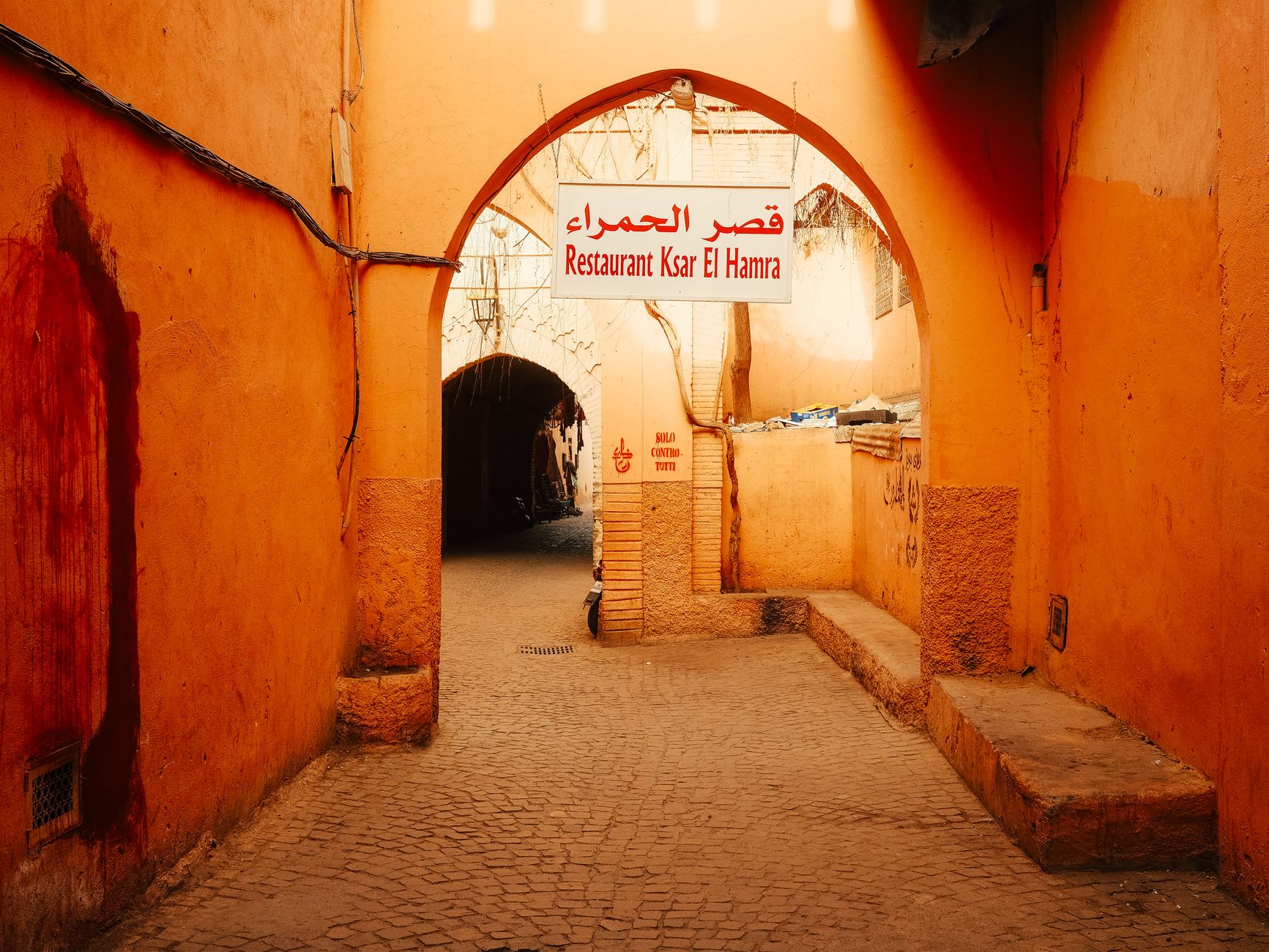
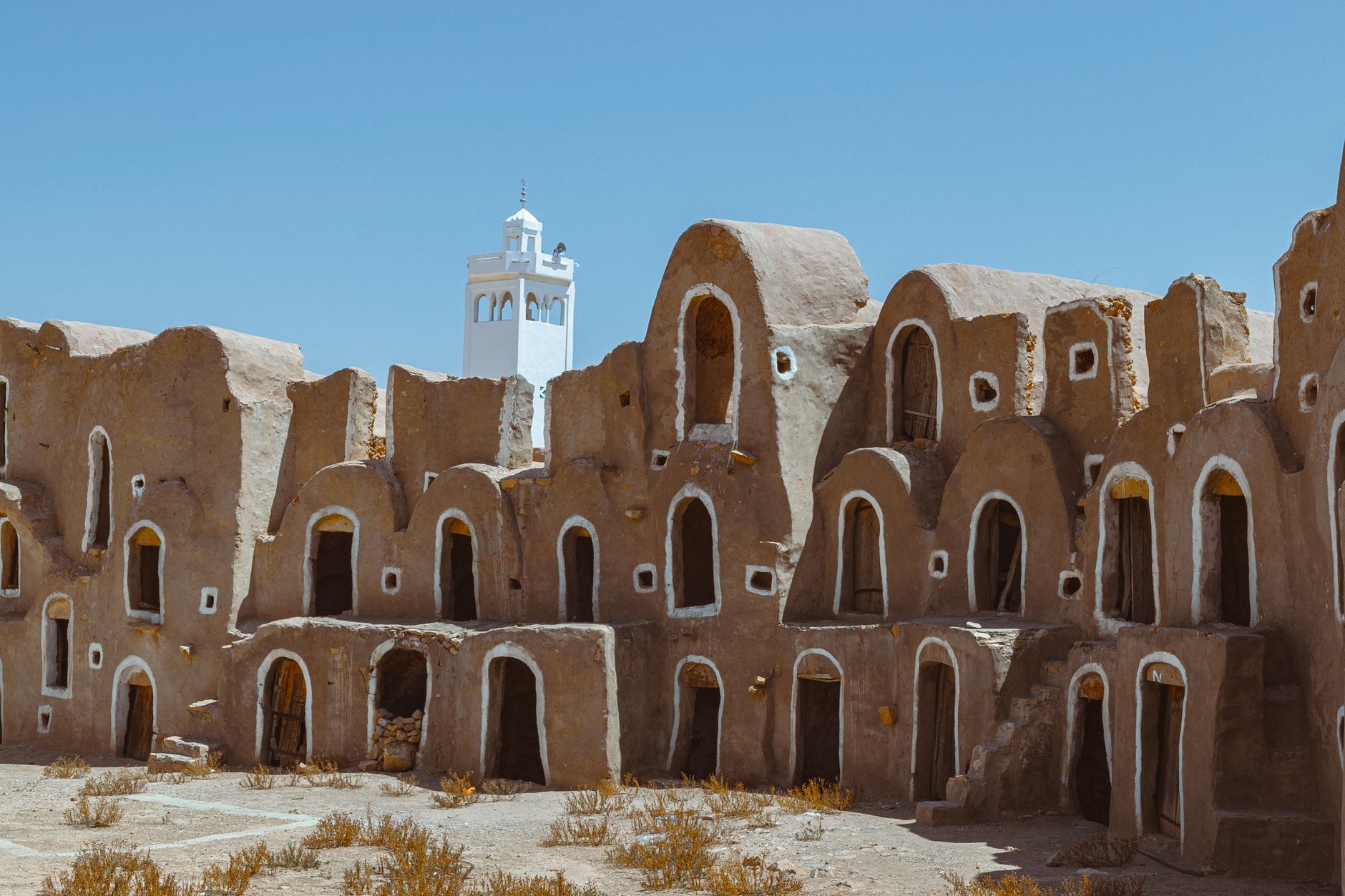
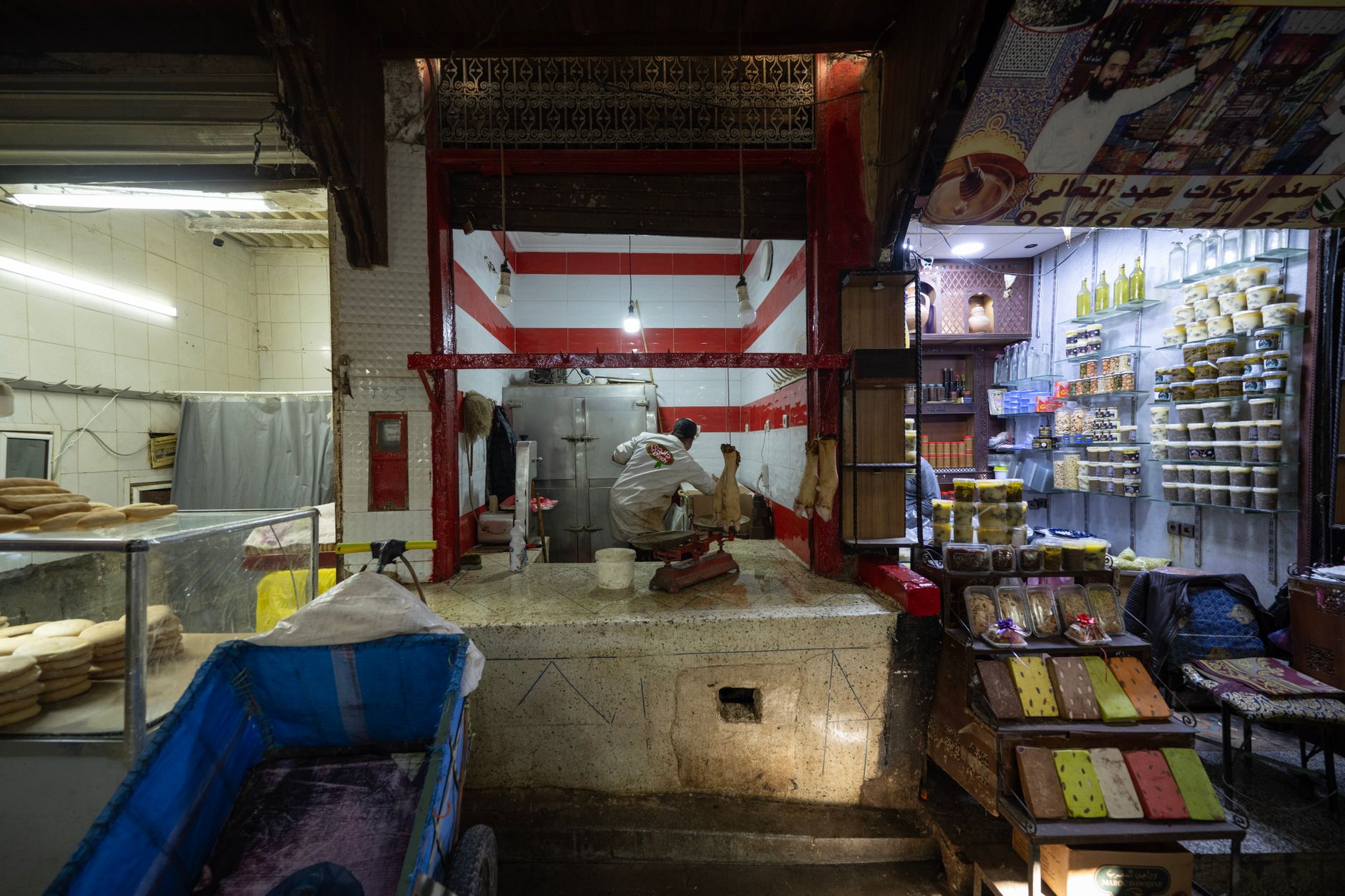
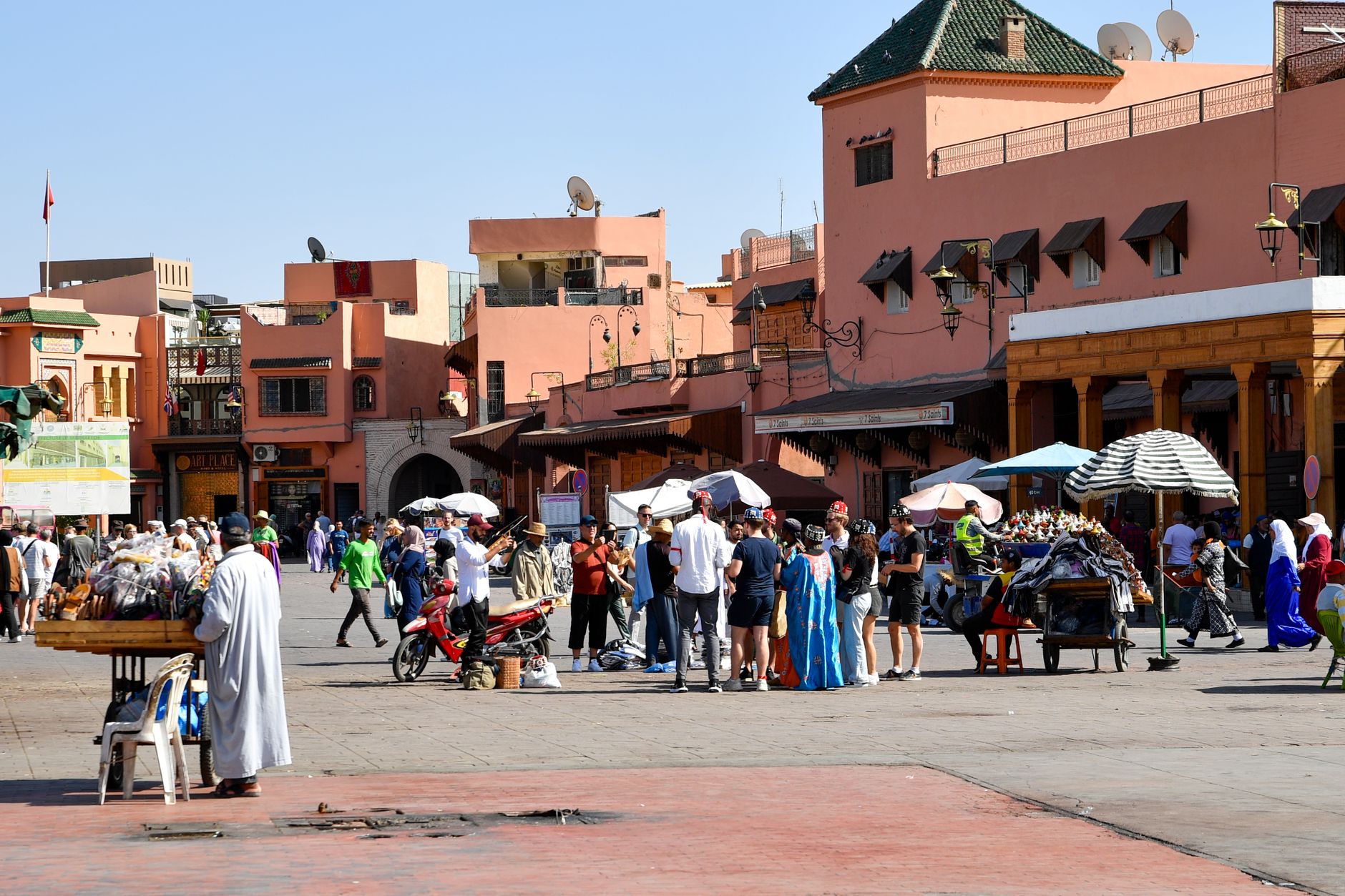
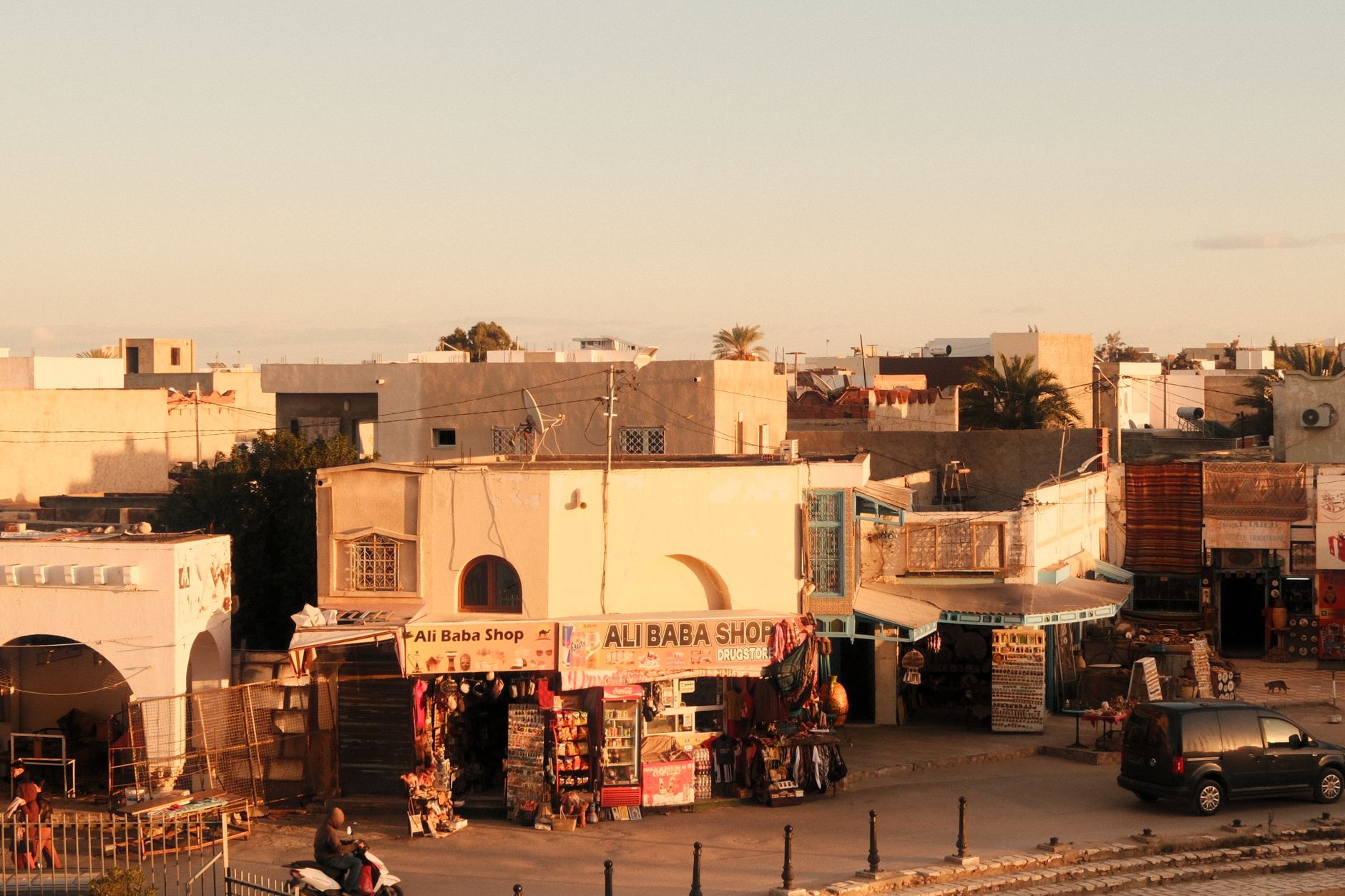
Sitting on the fertile Loukkos plain, Ksar el-Kebir is ninety minutes south of Tangier on the main rail line. It is best known for the decisive 1578 Battle of the Three Kings and as a regional agricultural hub for Loukkos valley farmers. The town moves to the rhythm of trade rather than tourism, centred on its twelfth-century Grand Mosque and daily souks. Ksar el-Kebir is worth visiting if you want to explore sixteenth-century military history and eat breakfast bissara alongside local market traders. Look elsewhere if you want boutique riads, curated battlefield exhibits, artisan craft shopping, or evening entertainment.
Last updated 11 Sept 2026
Build a Ksar el-Kebir itinerary.
Choose up to 4 threads that pull you in. Your plan arrives organised around them.
The Bed
Where to stay in Ksar el-Kebir
Which part of town to book, and what each one costs you in walking, noise or quiet.
The Comparison
Ksar el-Kebir, or somewhere near it
The places you are realistically choosing between, and the honest case for each.
The Local Record
Where to read more about Ksar el-Kebir
The blogs, boards, guides and operators worth bookmarking.
What to do in Ksar el-Kebir Rabat & the Northwest Morocco
Ksar el-Kebir is a flat, walkable rail town that serves the surrounding agricultural plain rather than the tour circuit. Daily life pivots around the morning market trade, the central Grand Mosque, and the busy tea tables lining Avenue Hassan II. It suits independent travellers who prefer regional history, unhurried medina wandering, and hearty roadside cookery over polished resort amenities.
24 hours in Ksar el-Kebir Rabat & the Northwest Morocco
Start by 8:00 with a bowl of cumin-dusted bissara near Bab Sebta, then explore the old medina alleys toward the Grand Mosque. Walk twenty minutes out to view the Loukkos river plain, site of the 1578 battle. End with a slow mint tea on Avenue Hassan II as shopkeepers roll down their shutters. Select 1 Day above to see it.
2 days in Ksar el-Kebir Rabat & the Northwest Morocco
A second day lets you take a twenty-minute grand taxi to Larache on the Atlantic coast. Spend the morning walking the Phoenician-Roman ruins of Lixus overlooking the Loukkos estuary, then order grilled sardines and fried squid at the port before returning to Ksar el-Kebir for an unhurried evening beef tagine. Choose 2 Days to expand the plan.
3 days in Ksar el-Kebir Rabat & the Northwest Morocco
With three days, venture into the northern Gharb plain to visit rural olive presses and Loukkos wetlands. You will have time to browse the expansive Tuesday livestock and vegetable souk without checking a timetable, followed by an afternoon exploring the Spanish-era arcades and quiet artisan workshops along Rue de Fes.
Ksar el-Kebir Rabat & the Northwest Morocco itineraries by interest
Military History in Ksar el-Kebir Rabat & the Northwest Morocco
Walk the Loukkos river plain where the 1578 Battle of the Three Kings reshaped Moroccan and Portuguese dynastic history in a single brutal afternoon.
Sacred Architecture in Ksar el-Kebir Rabat & the Northwest Morocco
Visit the twelfth-century Grand Mosque, built over Roman foundations with Almohad brickwork and quiet courtyards tucked into the old medina alleys.
Market Produce in Ksar el-Kebir Rabat & the Northwest Morocco
Browse Tuesday souk stalls stacked with Loukkos valley artichokes, fresh mint, table olives, and seasonal strawberries grown in the surrounding fields.
Street Breakfasts in Ksar el-Kebir Rabat & the Northwest Morocco
Order a bowl of hot fava bean bissara dressed with sharp olive oil, ground cumin, and crusty khobz bread at market stalls before eight in the morning.
Old Town Walks in Ksar el-Kebir Rabat & the Northwest Morocco
Navigate the narrow residential alleys between Bab Sebta and Bab el-Oued, where whitewashed walls meet Spanish protectorate iron balconies.
Archaeological Sites in Ksar el-Kebir Rabat & the Northwest Morocco
Investigate Roman traces of ancient Oppidum Novum buried beneath the town, with fragments preserved in local foundations and nearby Larache museums.
Rail Journeys in Ksar el-Kebir Rabat & the Northwest Morocco
Catch the direct ONCF train from Tangier or Rabat, arriving at the tidy station situated an easy fifteen-minute stroll from the medina gates.
Local Tea Culture in Ksar el-Kebir Rabat & the Northwest Morocco
Sip gunpowder green tea steeped with fresh absinthe or wild mint at open-air sidewalk tables along Avenue Hassan II as the evening cools.
Day Trips in Ksar el-Kebir Rabat & the Northwest Morocco
Ride a grand taxi thirty minutes north to coastal Larache for fresh grilled sardines and the ancient hillside ruins of Phoenician-Roman Lixus.
Craft Workshops in Ksar el-Kebir Rabat & the Northwest Morocco
Watch local weavers and carpenters fashion traditional palm-frond baskets, wool blankets, and sturdy pine farm tools in small workshop alcoves.
Regional Stews in Ksar el-Kebir Rabat & the Northwest Morocco
Savour slow-cooked Loukkos beef tagines prepared with sweet prunes, toasted almonds, and baby artichokes at unpretentious neighbourhood diners.
River Landscapes in Ksar el-Kebir Rabat & the Northwest Morocco
Stroll the banks of Oued Loukkos at golden hour to see herons feeding along the marshy riverbeds that border the town's southern edge.