Sidi Slimane.


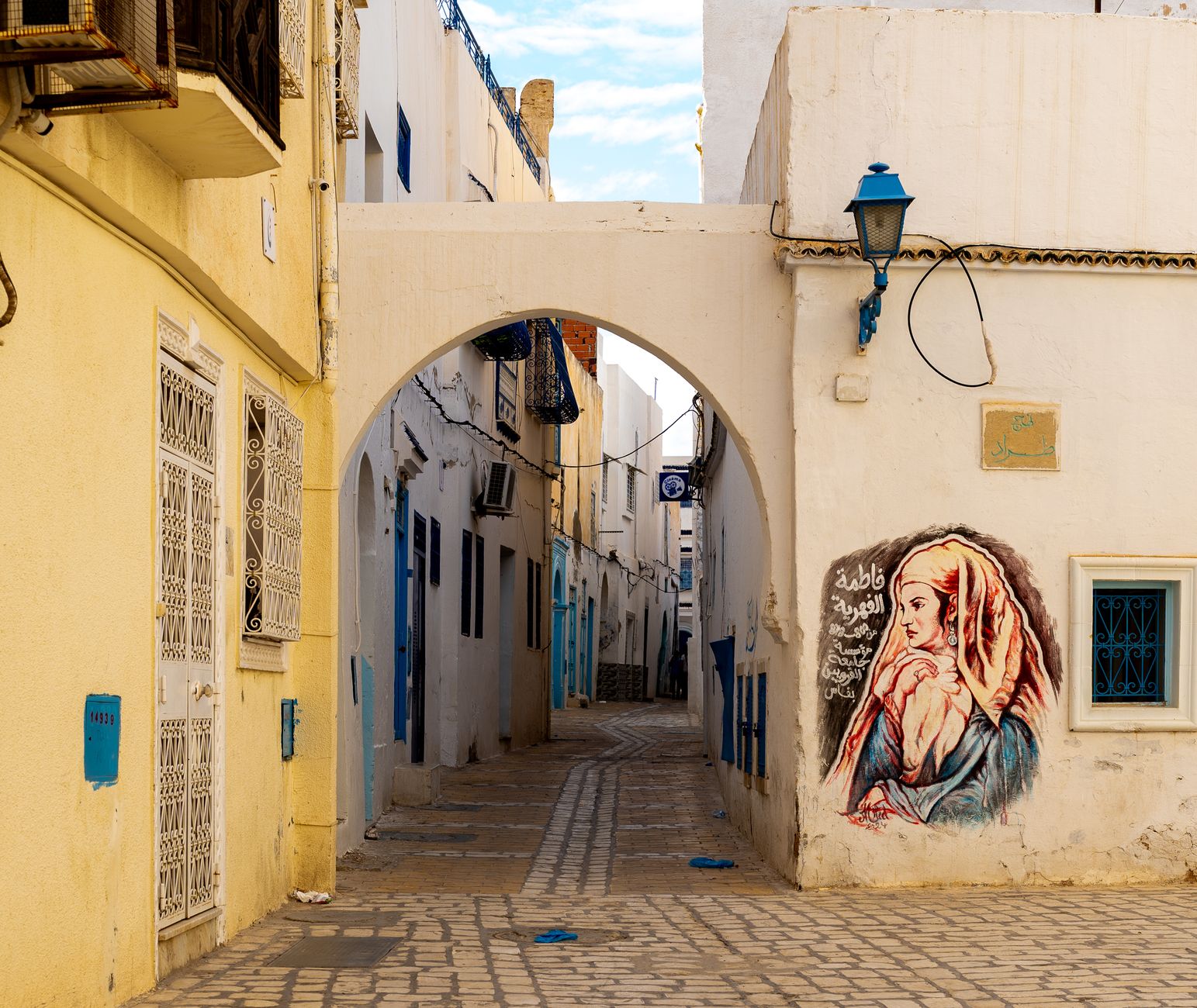
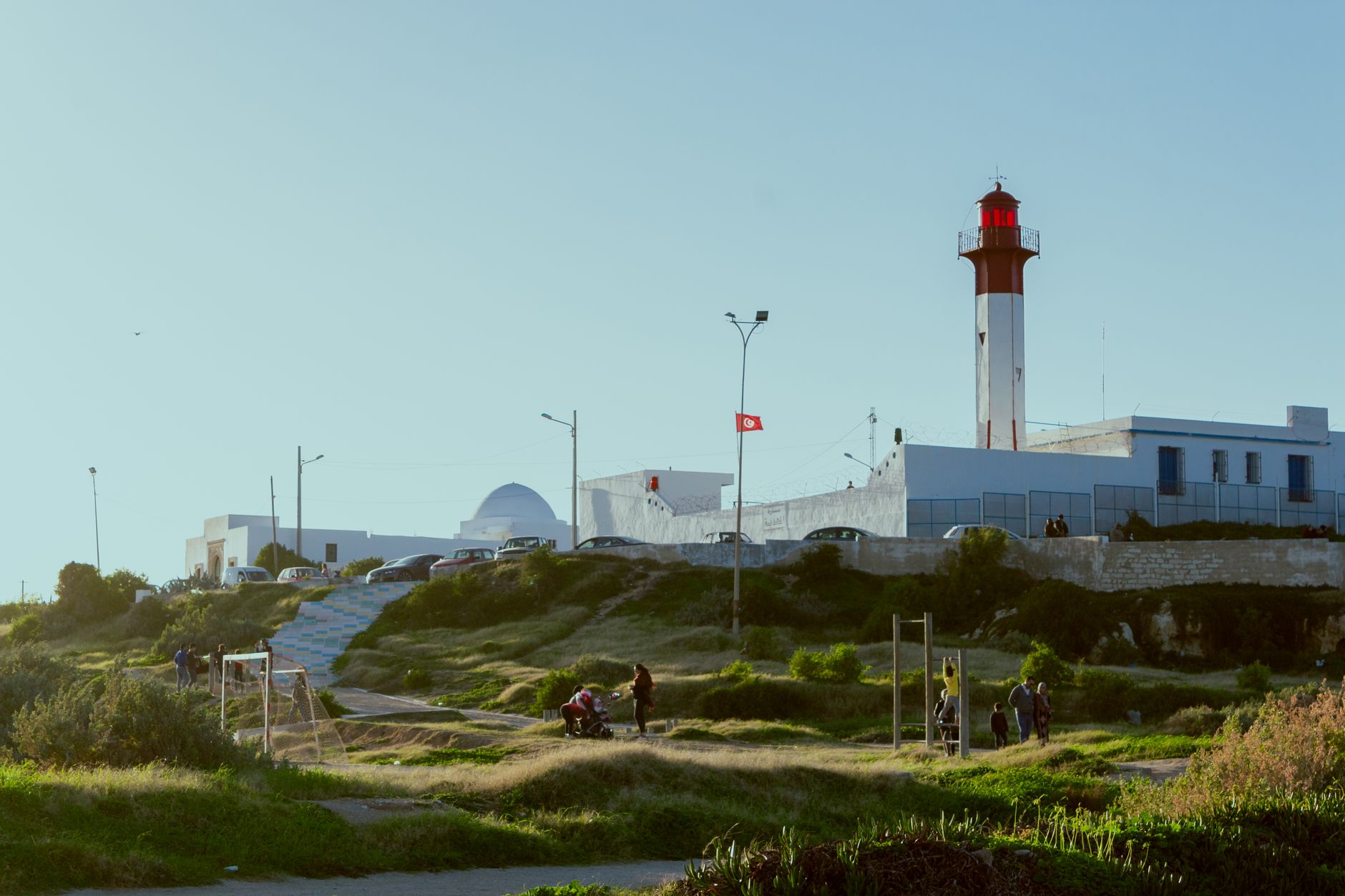
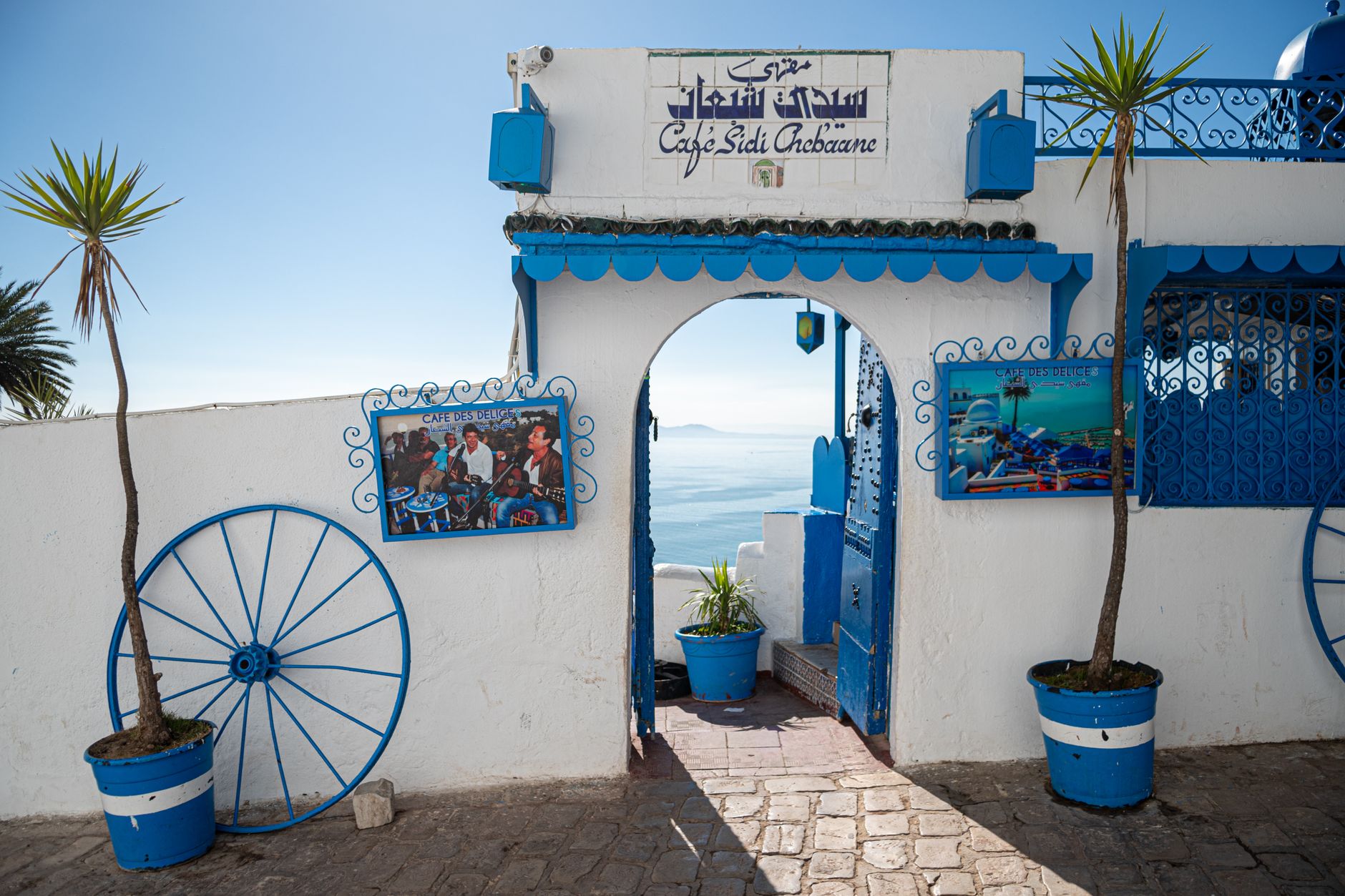

Sidi Slimane sits sixty miles east of Rabat in the agricultural Gharb plain, an hour and twenty minutes away by direct train. The town revolves around citrus farming, olive pressing, and its sprawling weekly market along the Oued Beht rather than monuments. Daily life moves around café terraces on Avenue Hassan II and the scent of wood-fired bakeries. Sidi Slimane is worth visiting if you want to experience an unvarnished Moroccan market town powered by farming rather than tourism. Look elsewhere if you want historic monuments, museums, boutique hotels, or nightlife.
Last updated 11 Sept 2026
Build a Sidi Slimane itinerary.
Choose up to 4 threads that pull you in. Your plan arrives organised around them.
The Bed
Where to stay in Sidi Slimane
Which part of town to book, and what each one costs you in walking, noise or quiet.
The Comparison
Sidi Slimane, or somewhere near it
The places you are realistically choosing between, and the honest case for each.
The Local Record
Where to read more about Sidi Slimane
The blogs, boards, guides and operators worth bookmarking.
What to do in Sidi Slimane Rabat & the Northwest Morocco
Sidi Slimane is a working agricultural hub bisected by the railway and the Oued Beht. The day starts early with workers gathering at café counters and market stalls on Avenue Hassan II, tapering into a quiet afternoon before reviving around sunset. It suits independent travellers who prefer regional trains, everyday market scenes, and simple country food over structured sightseeing circuits.
24 hours in Sidi Slimane Rabat & the Northwest Morocco
Start with fresh msemen and coffee near the train station, then walk five minutes to the central produce market. For lunch, order charcoal-grilled lamb kefta along Avenue Mohammed V. Spend the late afternoon walking by the Oued Beht before settling into a street corner terrace for mint tea. Select 1 Day above to see it.
2 days in Sidi Slimane Rabat & the Northwest Morocco
A second day lets you hire a grand taxi out to the surrounding citrus orchards and olive presses along Route Régionale 409. Return for a clay-pot beef tagine with preserved lemons at a neighbourhood dining hall, then catch the sunset light over the eucalyptus trees lining the train tracks. Choose 2 Days to expand the plan.
3 days in Sidi Slimane Rabat & the Northwest Morocco
With three days, use Sidi Slimane as a base to explore the Gharb plain. Take an easy twenty-minute train ride to Sidi Kacem or continue east toward Moulay Idriss Zerhoun and the Roman mosaics of Volubilis, returning for a late bowl of steaming harira.
Sidi Slimane Rabat & the Northwest Morocco itineraries by interest
Markets & Produce in Sidi Slimane Rabat & the Northwest Morocco
Wander the Wednesday souk for Gharb clementines, artichokes, fresh mint, and olives brined with wild thyme and preserved lemon.
Street Food in Sidi Slimane Rabat & the Northwest Morocco
Order charcoal-grilled kefta patties, spit-roasted chicken, and fresh harira served from carts around Avenue Mohammed V.
Train Journeys in Sidi Slimane Rabat & the Northwest Morocco
Catch the regional ONCF train through the flat green Gharb basin, linking Kenitra to Meknes with views of eucalyptus windbreaks.
River Landscapes in Sidi Slimane Rabat & the Northwest Morocco
Walk the banks of the Oued Beht where irrigation canals feed expansive orange orchards and quiet eucalyptus groves.
Local Agriculture in Sidi Slimane Rabat & the Northwest Morocco
Visit rural cooperatives processing winter citrus, sugar beet crops, and cold-pressed olive oil along Route Régionale 409.
Café Culture in Sidi Slimane Rabat & the Northwest Morocco
Sip sweet mint tea or spiced café cassé on shaded outdoor terraces along Avenue Hassan II while watching the daily evening stroll.
Traditional Baking in Sidi Slimane Rabat & the Northwest Morocco
Pick up warm rounds of semolina khobz, harcha, and flaky rghayef straight from communal wood-fired neighbourhood ovens.
Day Trips in Sidi Slimane Rabat & the Northwest Morocco
Drive thirty minutes south to the market town of Sidi Kacem or head east toward the imperial Roman ruins of Volubilis.
Colonial Architecture in Sidi Slimane Rabat & the Northwest Morocco
Spot twentieth-century French agricultural administrative buildings and faded rail station architecture around the central square.
Country Cooking in Sidi Slimane Rabat & the Northwest Morocco
Eat slow-cooked beef tagine with prunes or chicken with cured olives at modest family-run roadside restaurants on the N4.
Birdwatching in Sidi Slimane Rabat & the Northwest Morocco
Scan agricultural reservoirs and the Oued Beht marshes for white storks, cattle egrets, and migrating winter waterfowl.
Craft Traditions in Sidi Slimane Rabat & the Northwest Morocco
Browse rural reed mats, woven palm baskets, and unglazed terracotta tagine pots traded by regional farming families.