Sidi Kacem.


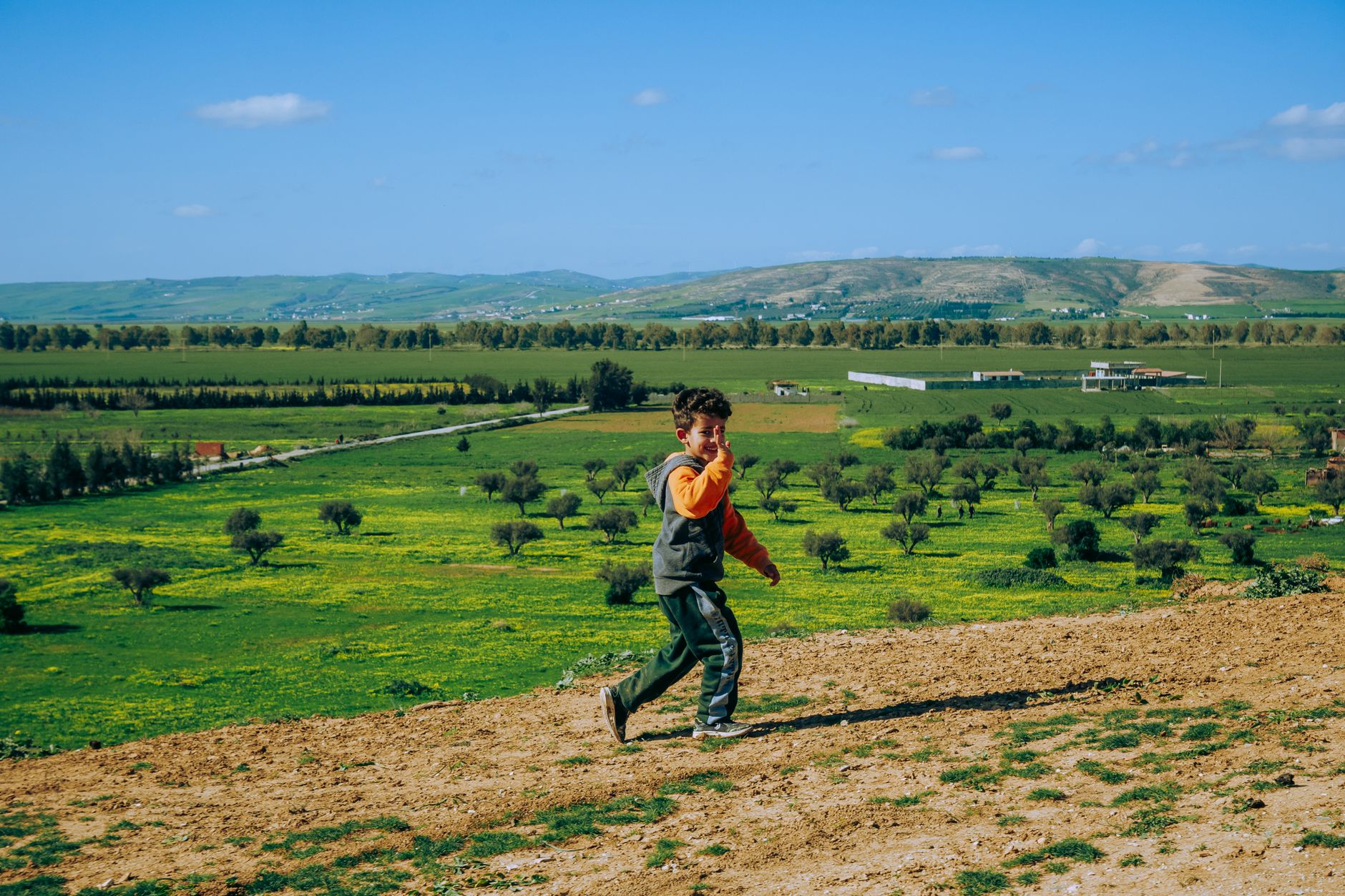
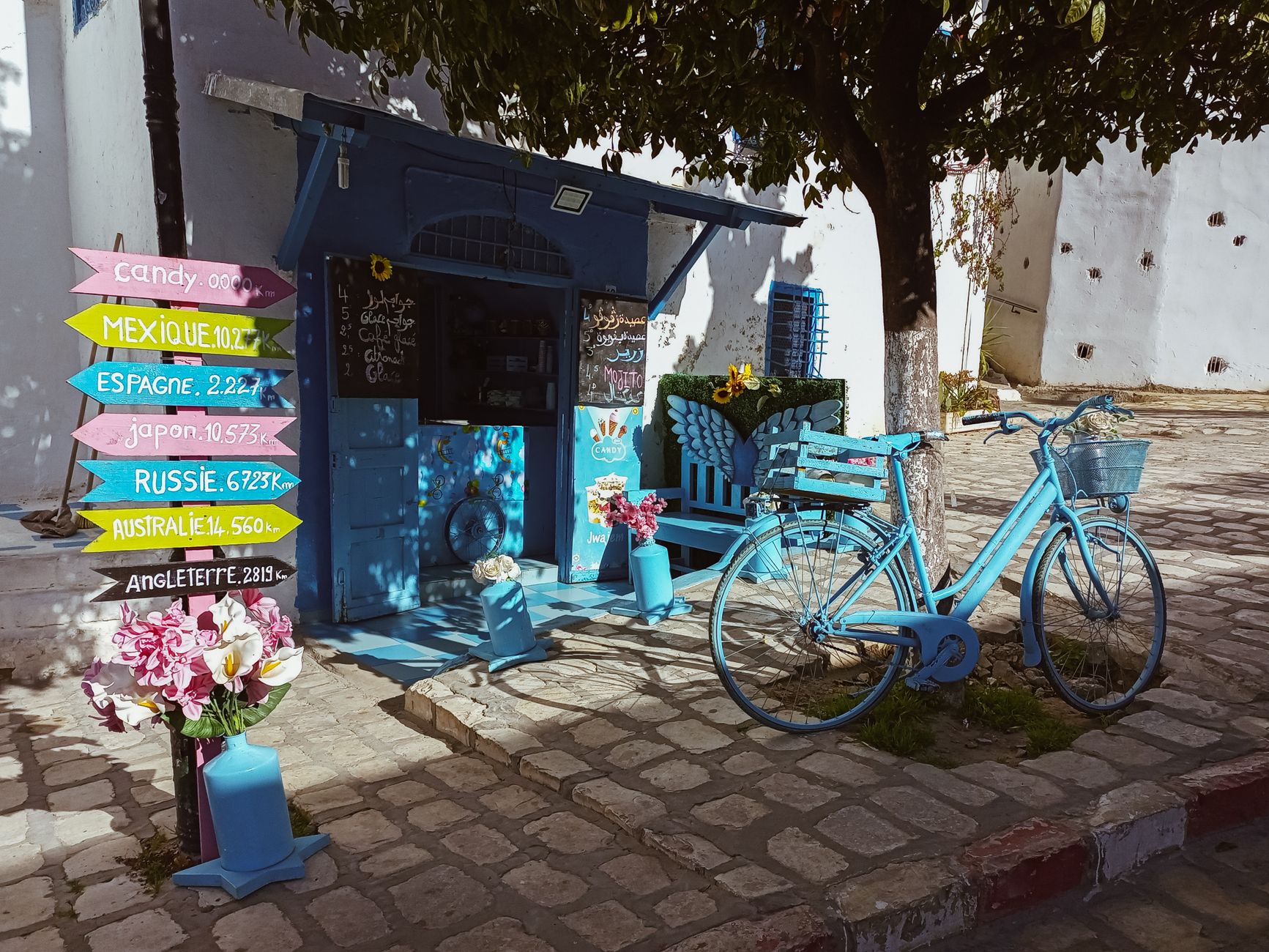
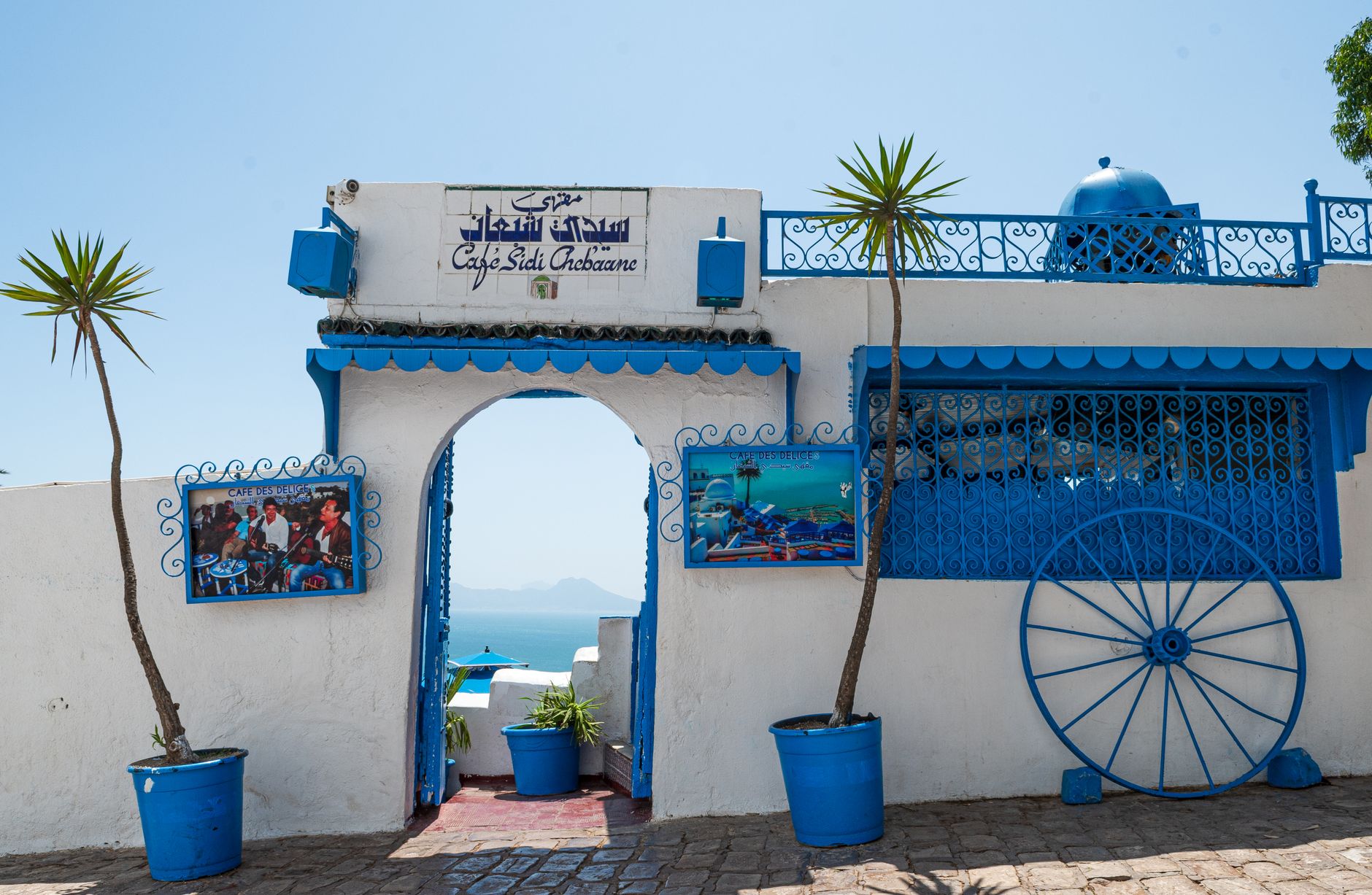
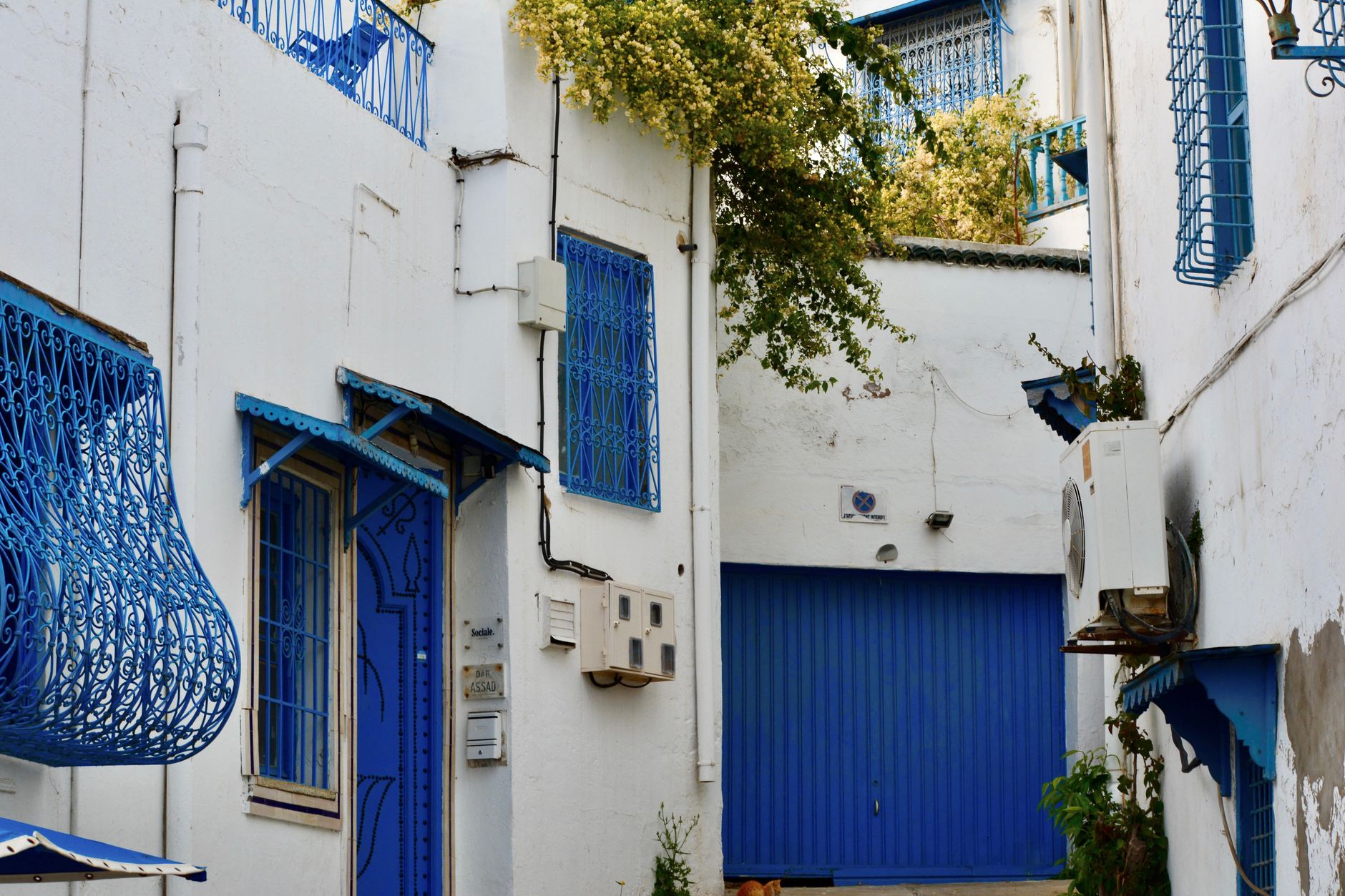
Sidi Kacem sits ninety minutes east of Rabat by direct ONCF train, where the rail lines split toward Tangier and Fes. It is an agricultural hub of the Gharb plain, known for its busy Thursday market and vast groves of citrus and olives. The town moves to the rhythm of commuter trains and tractor traffic. Sidi Kacem is worth visiting if you want an unvarnished slice of provincial market life and a calm rail junction near the ruins of Volubilis. Look elsewhere if you want a historic medina, boutique riads, lively nightlife, or polished dining options.
Last updated 11 Sept 2026
Build a Sidi Kacem itinerary.
Choose up to 4 threads that pull you in. Your plan arrives organised around them.
The Bed
Where to stay in Sidi Kacem
Which part of town to book, and what each one costs you in walking, noise or quiet.
The Comparison
Sidi Kacem, or somewhere near it
The places you are realistically choosing between, and the honest case for each.
The Local Record
Where to read more about Sidi Kacem
The blogs, boards, guides and operators worth bookmarking.
What to do in Sidi Kacem Rabat & the Northwest Morocco
Sidi Kacem is laid out around its busy railway tracks, flat agricultural avenues, and central market squares. The town operates entirely for its residents and regional farmers rather than bus tours. Days revolve around early morning rail connections, bustling commerce along Avenue Hassan II, and evening tea on wide pavement terraces. It suits independent travellers looking for straightforward Moroccan daily life without aggressive touts or souvenir stalls.
24 hours in Sidi Kacem Rabat & the Northwest Morocco
Start with hot msemen and mint tea at a cafe facing the train station. Walk through the central produce market to inspect fresh Gharb citrus and spices, then sit down for spiced grilled kefta by the tracks for lunch. Spend the late afternoon strolling along Boulevard Mohammed V before an evening tagine at a local eatery. Select 1 Day above to see it.
2 days in Sidi Kacem Rabat & the Northwest Morocco
Dedicate your second morning to a grand taxi ride south into the Zerhoun hills. Explore the basilica and mosaics at Roman Volubilis, then eat grilled lamb chops in hillside Moulay Idriss. Return to Sidi Kacem by late afternoon to watch the town gather over fresh juice and pastries along the main avenue. Choose 2 Days to expand the plan.
3 days in Sidi Kacem Rabat & the Northwest Morocco
With three days, head west across the flat expanse of the Gharb basin toward Sidi Slimane and Kenitra. Stop at roadside farm stalls for seasonal melons and freshly pressed olive oil. Alternatively, spend an unhurried morning exploring rural weekly souks along Route Nationale 4, followed by a long lunch of steamed couscous.
Sidi Kacem Rabat & the Northwest Morocco itineraries by interest
Markets & Produce in Sidi Kacem Rabat & the Northwest Morocco
Tour the Thursday market for fresh Gharb oranges, sun-dried figs, cured Beldi olives, and crates of seasonal artichokes sold directly by local farmers.
Street Food in Sidi Kacem Rabat & the Northwest Morocco
Order minced kefta skewers and spiced merguez grilled over coals at open-air butcher stalls clustered along Avenue Hassan II near the central station.
Railway History in Sidi Kacem Rabat & the Northwest Morocco
Explore the mid-century ONCF railway junction, built when the town was known as Petitjean, serving as the strategic transit link of northern Morocco.
Day Trips in Sidi Kacem Rabat & the Northwest Morocco
Take a thirty-minute taxi south to the Roman ruins of Volubilis and the hillside pilgrimage town of Moulay Idriss Zerhoun for basilica views.
Agricultural Life in Sidi Kacem Rabat & the Northwest Morocco
Drive the rural roads through the Gharb plain to view sugarcane fields, extensive olive processing mills, and family-run citrus orchards.
Local Cafes in Sidi Kacem Rabat & the Northwest Morocco
Sit outside at pavement cafes along Boulevard Mohammed V for fresh mint tea scented with sheeba in winter and strong espresso alongside warm harcha.
Sacred Architecture in Sidi Kacem Rabat & the Northwest Morocco
Visit the local zaouia of Sidi Kacem, the seventeenth-century shrine that gave the town its name, honouring the revered Sufi saint.
Traditional Baking in Sidi Kacem Rabat & the Northwest Morocco
Pick up warm rounds of crusty khobz, layered msemen flatbreads, and semolina baghrir pancakes fresh from neighbourhood wood-fired communal ovens.
River Landscapes in Sidi Kacem Rabat & the Northwest Morocco
Walk the riverbanks of the Oued Rdom on the town edge, where fertile silt banks support market gardening and quiet morning bird watching.
Regional Cooking in Sidi Kacem Rabat & the Northwest Morocco
Sample slow-simmered beef tagine with prunes and almonds or Gharb vegetable tagine with preserved lemons at modest downtown worker restaurants.
Scenic Drives in Sidi Kacem Rabat & the Northwest Morocco
Follow Route Nationale 4 through rolling foothills and wheat fields toward Sidi Slimane, watching horse carts share the asphalt with regional trucks.
Heritage Crafts in Sidi Kacem Rabat & the Northwest Morocco
Seek out handwoven palm leaf mats, simple terracotta cookware, and traditional esparto baskets traded during weekly country souks.