


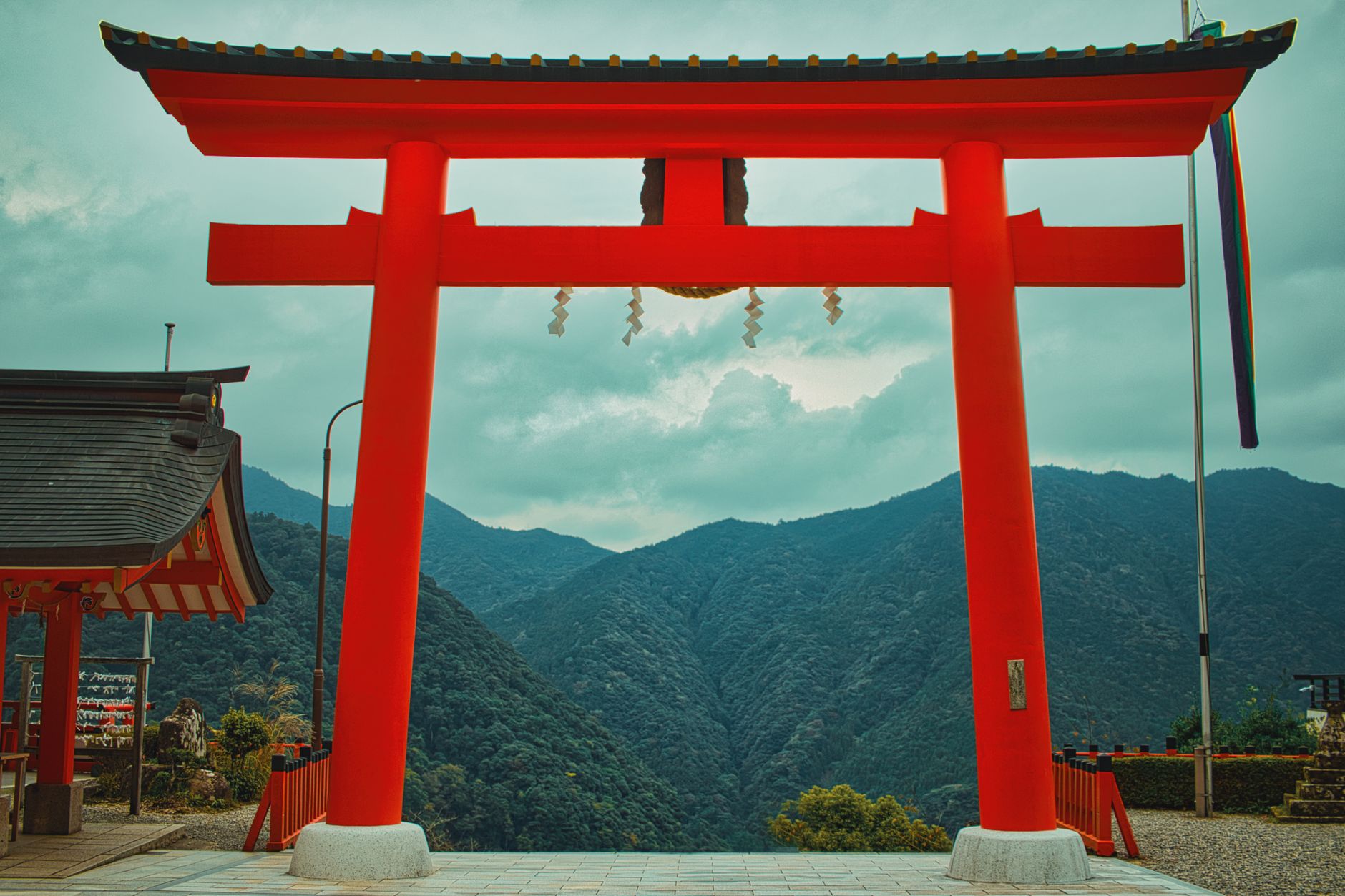


Located four hours south of Osaka on the JR Kuroshio line, Nachikatsuura is a working fishing port built around fresh, unfrozen tuna landings and coastal hot springs. Pilgrims use it as a base for the mountain trail up to Kumano Nachi Taisha and Nachi Falls. Nachikatsuura is worth visiting if you want fresh raw tuna for breakfast, outdoor mineral baths overlooking the Pacific, and ancient stone walking paths. Look elsewhere if you want late-night bars, sandy swimming beaches, or bullet-train convenience.
Last updated 16 Nov 2026
Build a Nachikatsuura itinerary.
Choose up to 4 threads that pull you in. Your plan arrives organised around them.
The Bed
Where to stay in Nachikatsuura
Which part of town to book, and what each one costs you in walking, noise or quiet.
The Comparison
Nachikatsuura, or somewhere near it
The places you are realistically choosing between, and the honest case for each.
The Local Record
Where to read more about Nachikatsuura
The blogs, boards, guides and operators worth bookmarking.
What to do in Nachikatsuura Wakayama Japan
Life in Nachikatsuura follows the sea and the mountain. The working port bustles early with tuna boats unloading their catch, while the town itself stays quiet, low-rise, and easy to navigate on foot. Days divide neatly between morning market sights, mountain pilgrimage steps under ancient cedars, and late afternoons soaking in coastal sulfur onsen. It suits travellers who appreciate unpretentious food and honest maritime rhythms.
24 hours in Nachikatsuura Wakayama Japan
Start at 7:00 AM watching the tuna market floor from the viewing deck, then grab a tuna rice bowl nearby. Catch the twenty-minute bus to Daimon-zaka, walk the stone steps past Nachi Taisha to the waterfall, and return by mid-afternoon. End with a ferry ride across the bay for an open-air cave bath at Bokido before dinner. Select 1 Day above to see it.
2 days in Nachikatsuura Wakayama Japan
A second day lets you ride thirty minutes north on the local train to Shingu. Climb the steep 538 stone steps of Kamikura Shrine to its sacred boulder, eat mehari-zushi wrapped in pungent pickled greens for lunch, and return to Katsuura for an evening of tuna sashimi and sake in the port alleys. Choose 2 Days to expand the plan.
3 days in Nachikatsuura Wakayama Japan
With three days, head inland to the mountain baths of Yunomine Onsen or take a flat-bottomed wooden boat down the emerald waters of the Dorokyo Gorge. You can walk longer sections of the Kumano Kodo without watching the clock, stopping for tea at quiet mountain trailheads.
Nachikatsuura Wakayama Japan itineraries by interest
Local Seafood in Nachikatsuura Wakayama Japan
Watch the morning tuna auction at Katsuura Port, then order raw maguro donburi, grilled tuna collar, and sashimi at simple diner counters nearby.
Hot Springs in Nachikatsuura Wakayama Japan
Soak in seaside mineral waters inside coastal sea caves at Hotel Urashima's Bokido bath or take an open-air bath at Kumano-bettei Nakanoshima.
Sacred Architecture in Nachikatsuura Wakayama Japan
Climb the centuries-old Daimon-zaka path to Kumano Nachi Taisha and the three-story pagoda of Seiganto-ji facing Nachi Falls.
Coastal Walks in Nachikatsuura Wakayama Japan
Walk the rocky coastal loops around Katsuura Bay and the Ki-no-Matsushima islands for views of limestone sea stacks and fishing skiffs.
Regional Produce in Nachikatsuura Wakayama Japan
Try mehari-zushi, seasoned rice balls wrapped in pickled mustard greens, alongside local Kishu umeboshi plums and citrus juices at market stalls.
Hiking in Nachikatsuura Wakayama Japan
Follow the cedar-lined Kumano Kodo pilgrimage route from Daimon-zaka up mossy stone steps to the 133-meter drop of Nachi Falls.
Markets & Auctions in Nachikatsuura Wakayama Japan
Arrive at 7:00 AM at the fish market observation deck to watch local wholesalers bid on rows of line-caught Pacific tuna laid out on ice.
Day Trips in Nachikatsuura Wakayama Japan
Take the train thirty minutes north to Shingu to see the sacred boulder at Kamikura Shrine and Kumano Hayatama Taisha.
Maritime Heritage in Nachikatsuura Wakayama Japan
Explore the working docks where longline tuna vessels berth after months at sea, flanked by small shipbuilding yards and net repair sheds.
Casual Dining in Nachikatsuura Wakayama Japan
Slip into tiny izakayas along the harbour alleys for whale bacon, tuna tendon, cold draft beer, and bowls of chazuke with local pickles.
Scenic Waterways in Nachikatsuura Wakayama Japan
Board a small ferry at the port for a 40-minute tour around the craggy islets of Ki-no-Matsushima before docking across the bay.
Craft Traditions in Nachikatsuura Wakayama Japan
Inspect handmade bamboo pilgrim walking sticks and Kishu lacquerware at small craft workshops along the slope leading up to Nachi Taisha.