



Magome sits in the Kiso Valley, seventy minutes northeast of Nagoya via the JR Shinano to Nakatsugawa and a twenty-minute bus ride. The village is known for its steep stone-paved post road and the eight-kilometre forest hike over the pass to Tsumago. Magome is worth visiting if you want to walk authentic Edo-period postal trails and eat local walnut paste rice cakes. Look elsewhere if you require late-night dining, flat walking surfaces, or extensive indoor museums for rainy days.
Last updated 28 Oct 2026
Build a Magome itinerary.
Choose up to 4 threads that pull you in. Your plan arrives organised around them.
The Bed
Where to stay in Magome
Which part of town to book, and what each one costs you in walking, noise or quiet.
The Comparison
Magome, or somewhere near it
The places you are realistically choosing between, and the honest case for each.
The Local Record
Where to read more about Magome
The blogs, boards, guides and operators worth bookmarking.
What to do in Magome Gifu Japan
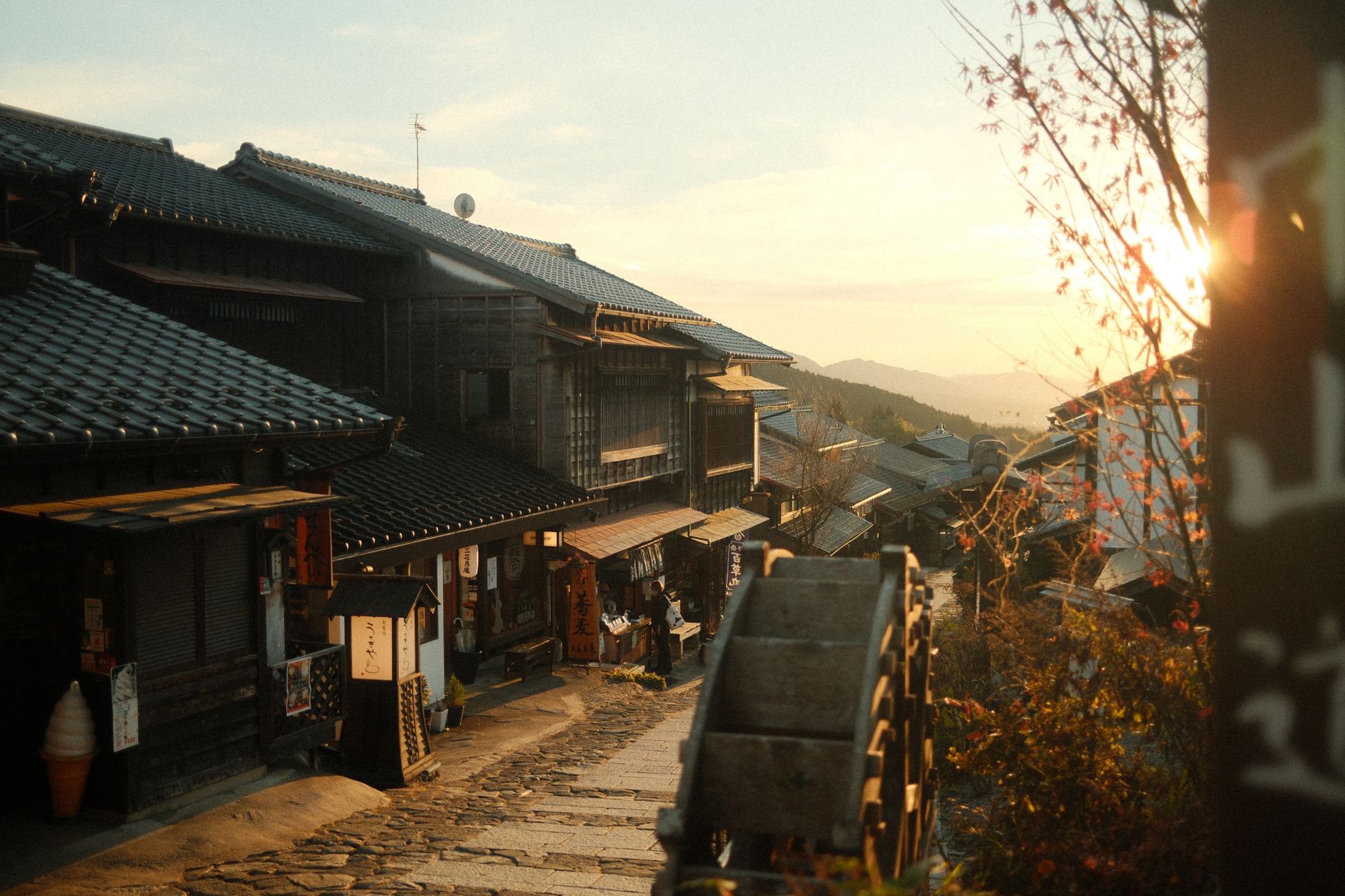
The village is arranged along a single, steep flagstone road climbing six hundred metres up the hillside. Most travellers arrive to walk the old highway or browse the timber storefronts selling hot tea and chestnut paste. The town empties out by late afternoon when tour buses depart, leaving overnight guests with silent stone alleys and mountain air. It suits walkers and travellers who appreciate preserved Edo craftsmanship and early nights.
24 hours in Magome Gifu Japan
Start early with tea at the village summit overlooking Mount Ena before tackling the eight-kilometre trek to Tsumago across the pass. Eat soba noodles and gohei mochi at a waystation, take the return bus to Magome by mid-afternoon, and finish with a multi-dish ryokan dinner of grilled ayu sweetfish and mountain herbs. Select 1 Day above to see it.
2 days in Magome Gifu Japan
A second day lets you explore deeper into the Kiso Valley. Ride the local train north to the riverside post town of Narai, where broad wooden inns line an unpaved main street. Stop for lunch of hand-cut buckwheat noodles and shop for lacquerware bowls before returning to Magome for a quiet sunset over the valley. Choose 2 Days to expand the plan.
3 days in Magome Gifu Japan
Three days allow for a quiet morning at Kotoku-ji temple and an excursion to the Kakorei valley or Mount Ena hiking trails. You can explore the old castle ruins in nearby Iwamura, sampling castella sponge cake and local sakes without checking the train timetable every twenty minutes.
Magome Gifu Japan itineraries by interest
Walking Trails in Magome Gifu Japan
Hike the eight-kilometre Nakasendo path over Magome Pass to Tsumago, passing cedar woods, mountain hamlets, and bear bells along the way.
Street Food in Magome Gifu Japan
Eat charcoal-grilled gohei mochi skewers basted with crushed walnuts, sesame, and soy, or warm steamed oyaki buns stuffed with nozawana greens.
Literary History in Magome Gifu Japan
Visit the Toson Memorial Museum at the Honjin site to learn about Shimazaki Toson, who chronicled late Edo village life in his novel Before the Dawn.
Traditional Inns in Magome Gifu Japan
Stay in a timber minshuku like Tajimaya, sleeping on tatami mats and dining on multi-course mountain dinners of river trout and wild mushrooms.
Noodle Houses in Magome Gifu Japan
Order cold Kiso soba served on bamboo mats with grated daikon and wasabi, milled from buckwheat grown on high valley terraces.
Local Sweets in Magome Gifu Japan
Sample kurikinton, a simple confection of steamed local chestnuts mashed with sugar, sold fresh in autumn by sweetshops along the main slope.
Historic Architecture in Magome Gifu Japan
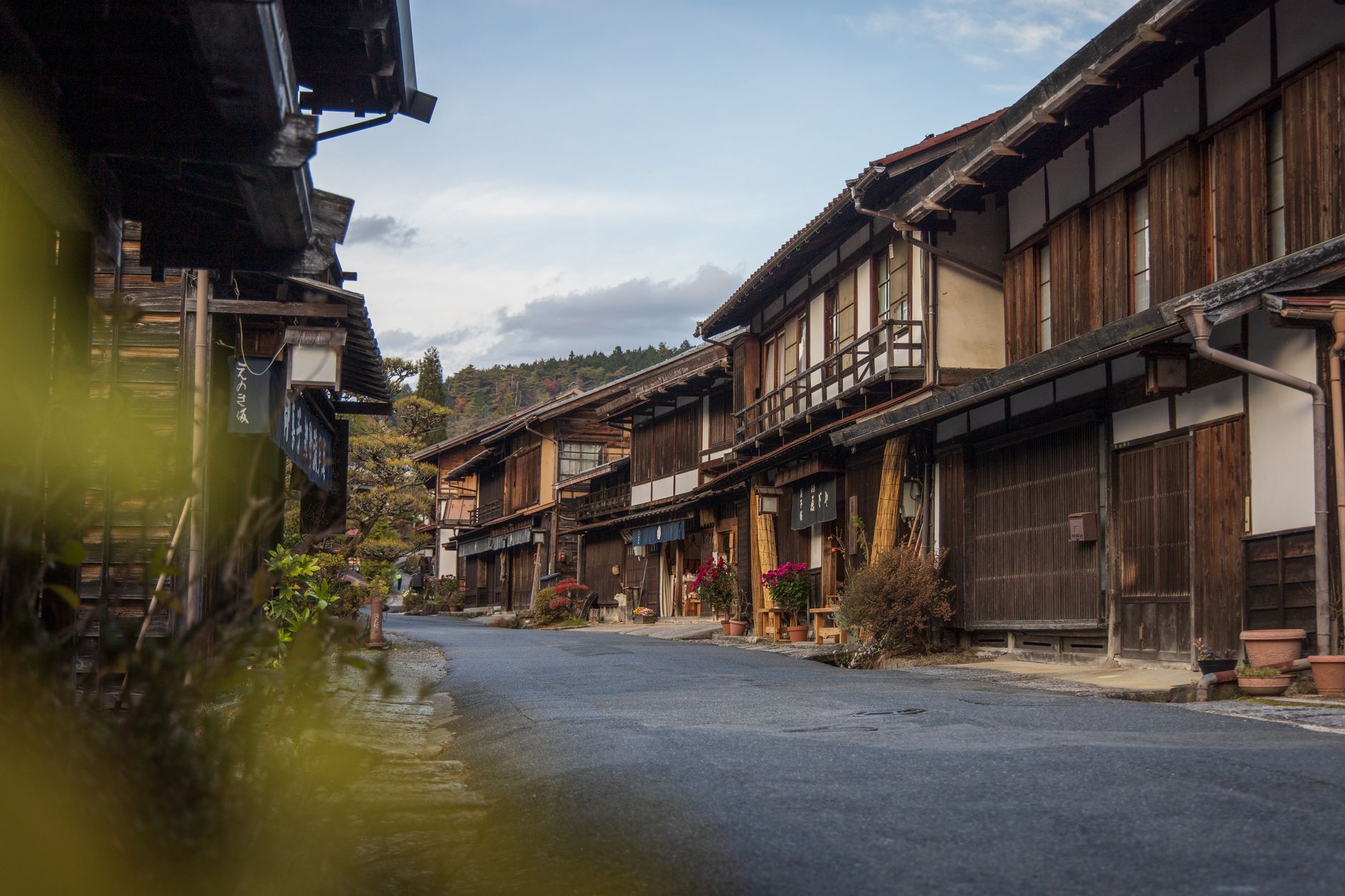
Observe the reconstructed Edo-era post town layout, with stone-walled kosakazuki curves and dark cedar lattice facades lining the hill.
Woodcraft in Magome Gifu Japan
Browse artisan shops selling Nagiso turnery, Hinoki cypress lunchboxes, and hand-carved wooden combs made using centuries-old lathe techniques.
Mountain Viewpoints in Magome Gifu Japan
Climb to the Magome lookout at the top of the village street for wide morning views over Mount Ena and the rolling timbered ridges of Mino.
Sacred Architecture in Magome Gifu Japan
Walk up stone steps to Kotoku-ji temple, founded in the fifteenth century, featuring quiet gravel grounds and historic Buddhist statues.
Waterways & Gardens in Magome Gifu Japan
Watch the functioning wooden waterwheel turning in the town stream, feeding stone runoff channels that flank the main stone path.
Regional Produce in Magome Gifu Japan
Taste local sake brewed from mountain spring water, alongside jars of pickled mountain vegetables and dried persimmons hung under the eaves.