

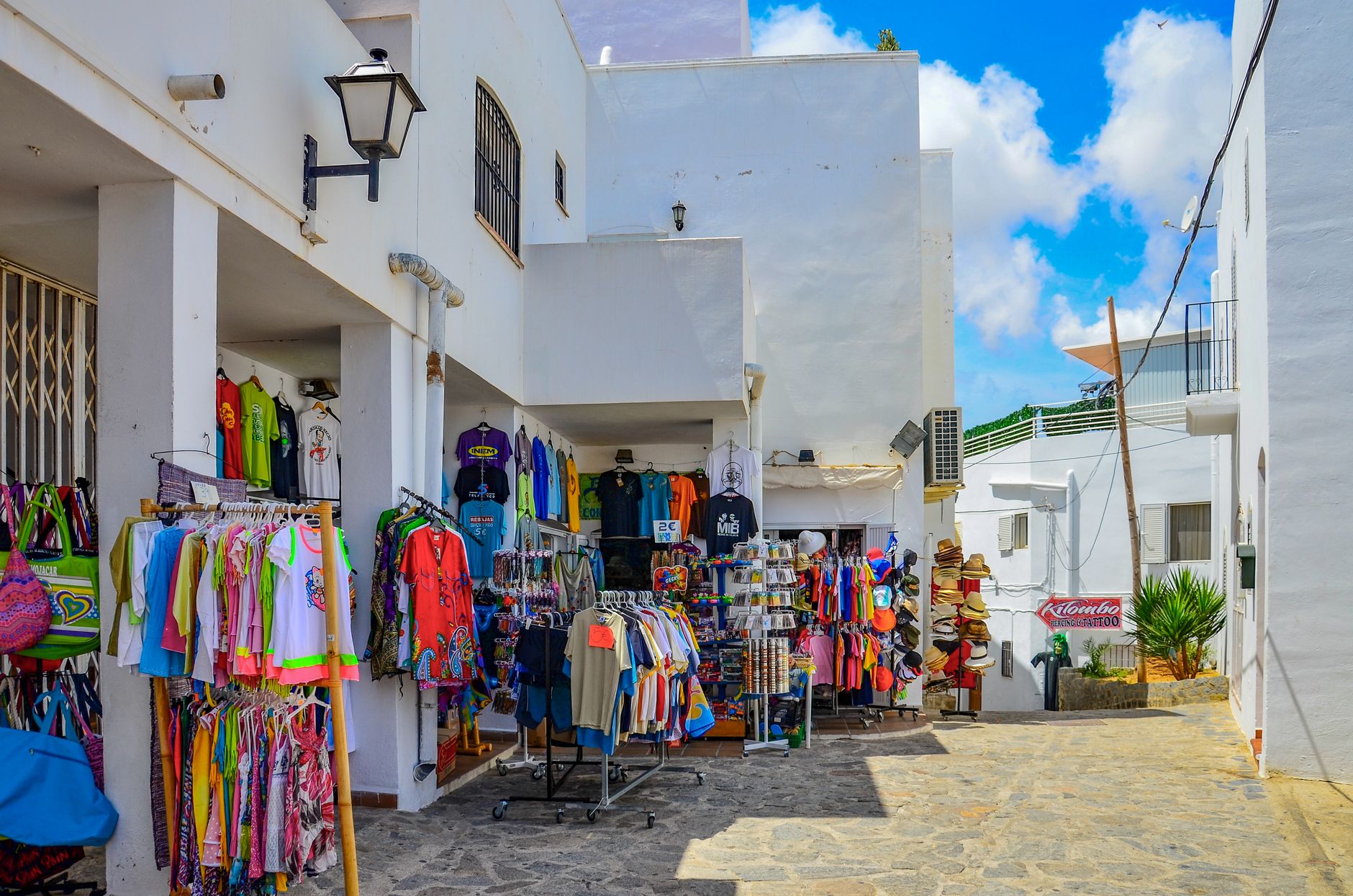
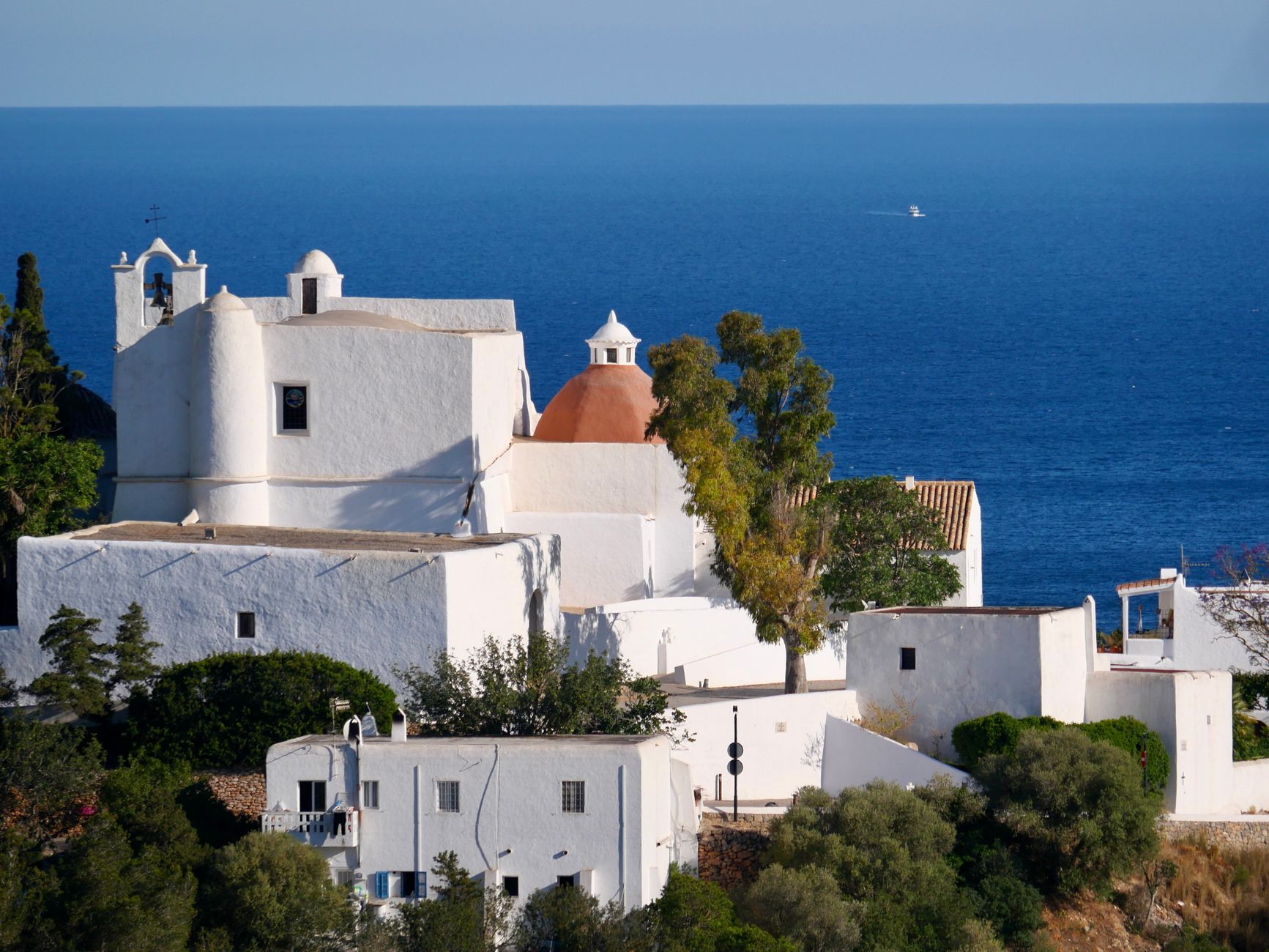

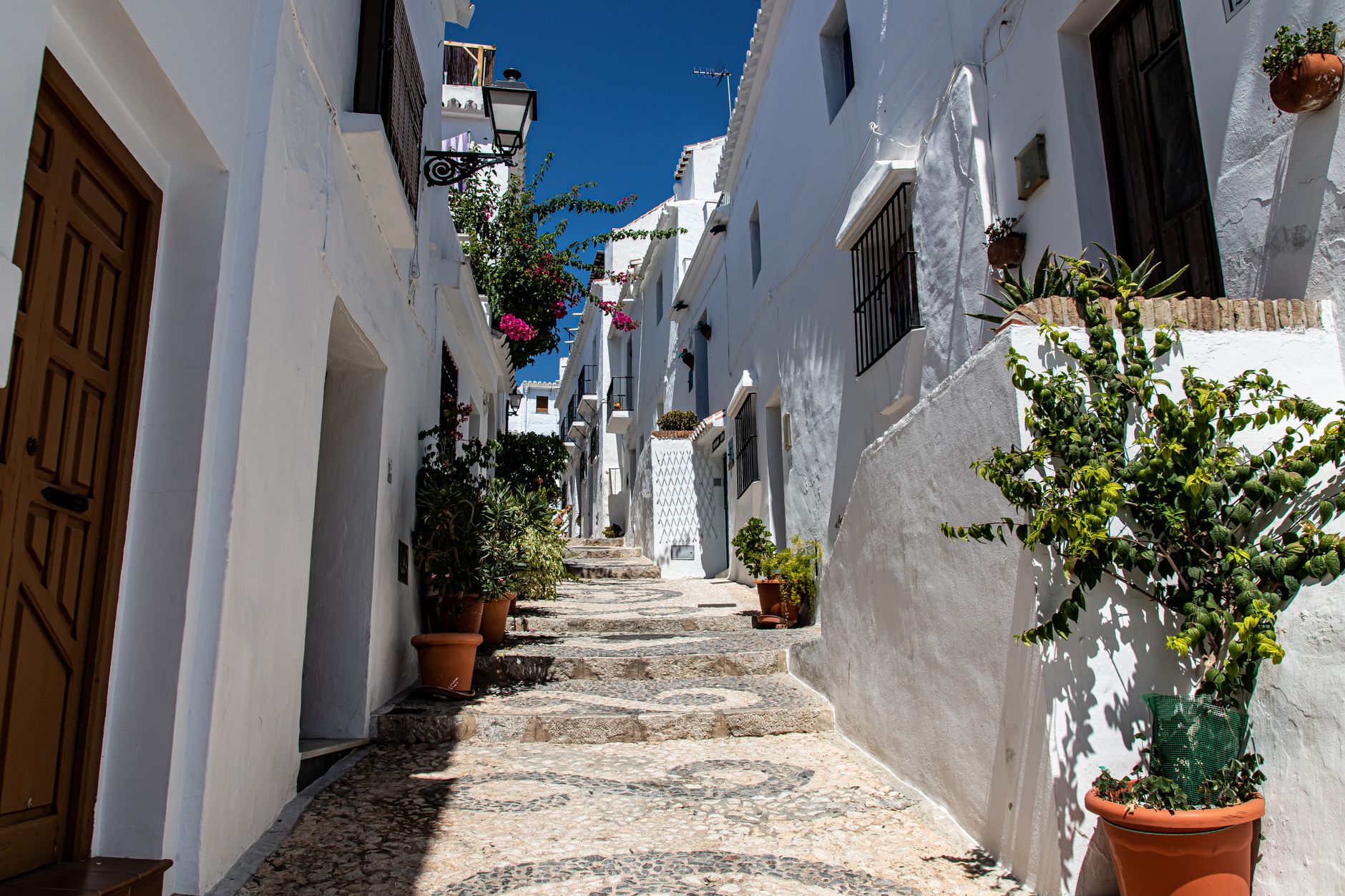
The white village clings to the limestone edge of the Sierra Cabrera, four hundred feet above the Mediterranean. Down at the playa, salt crusts on your arms while sardines char over olive wood. Up in the old town, you climb steep alleys built during the Moorish centuries, where lime wash cools the stone and jasmine cuts the scent of garlic. It is a town of two distinct halves, linked by a winding road and a brisk local bus.
Last updated 22 Aug 2026
Build a Mojácar itinerary.
Choose up to 4 threads that pull you in. Your plan arrives organised around them.
We'll craft a 4-lens plan for Mojácar, one collapsible strand per lens.
Village Squares
Plaza del Parador and Plaza Nueva, where coffee arrives fast in small glasses and locals debate football under bougainvillea while the valley stretches out below.
Village Squares
Plaza del Parador and Plaza Nueva, where coffee arrives fast in small glasses and locals debate football under bougainvillea while the valley stretches out below.
Morning Tostada by the Valley
Bar El Mirador
Grab an outdoor table overlooking the valley. Order café con leche and a tostada with grated tomato and local virgin olive oil for around four euros. Spend forty-five minutes here.
Editor TipPlaza Nueva serves as the social heart of the upper village, anchored above the dry scrublands of the Sierra Cabrera where Moorish farmers built terrace systems centuries ago. Sit along the outer parapet; the breeze off the Mediterranean keeps the morning heat at bay while you check the map.
Fortress Church and City Gate
Iglesia de Santa María
Walk five minutes up the cobbles from Plaza Nueva. Admission is free, though dropping a euro into the parish box keeps the quiet interior open. Allow thirty minutes.
Editor TipConstructed in 1560 on the footprint of an earlier mosque, this thick masonry sanctuary was designed to shelter the entire population during Barbary pirate attacks. Step inside out of the bright glare; the silence and five-foot-thick stone walls offer instant natural air conditioning.
Sunset Tapeo on Plaza Nueva
Plaza Nueva
Grab an open terrace chair without fuss around eight. A round of local cañas with complementary almond-and-olive tapas runs five euros; stay forty minutes.
Editor TipPerched on the cliff edge where 16th-century guards scanned for pirate sails, this square is the living room of the pueblo where elders gather daily. Keep a light sweater handy; once the sun dips behind the Sierra Cabrera, the mountain air sharpens instantly.
Tostada and Morning Coffee
Bar El Rincón
Grab an outside table on the square. Order a tostada con tomate, freshly grated, along with a café con leche for under four euros. Cash is preferred.
Editor TipPlaza del Parterre served as a necropolis under Moorish rule, later rebuilt with neo-Mudejar brick arches that buffer the village morning sun. Sit under the colonnade on breezy mornings; the mountain draft through the arches can chill your coffee fast.
Traditional Cooking
Slow-cooked migas almerienses made with coarse semolina flour, topped with crisp pork belly, dried peppers, and fried sardines, served properly on rainy or windy afternoons.
Traditional Cooking
Slow-cooked migas almerienses made with coarse semolina flour, topped with crisp pork belly, dried peppers, and fried sardines, served properly on rainy or windy afternoons.
Clay-Pot Gurullos with Rabbit
Restaurante El Peñón
Book an outdoor table for two in advance. Expect about twenty euros for the daily game stew and a local red; settle in for an unhurried ninety minutes.
Editor TipGurullos, pinched grains of semolina pasta hand-rolled across Almería since Moorish rule, anchor the rugged inland cooking of these dry coastal mountains. Ask for a seat on the stone patio; the valley breeze cools the afternoon heat without feeling rushed.
Exploring the Arrabal Quarter
Barrio del Arrabal
Follow Calle Enmedio down into the residential quarter. Wear sturdy flat shoes for the cobblestones and give yourself ninety minutes to wander freely.
Editor TipBuilt outside the fortress walls in the seventeenth century, the Jewish and artisan quarter retains its staggered flat-roofed houses and stepped alleys. The incline here is honest work. Take the shaded stairwells on the eastern edge when the sun starts cooking.
Coastal Walks
The seaside path past the Pirulico watchtower and the volcanic sea arches near Castillo de Macenas, where desert cliffs meet the Alboran surf. Best walked before the midday heat.
Coastal Walks
The seaside path past the Pirulico watchtower and the volcanic sea arches near Castillo de Macenas, where desert cliffs meet the Alboran surf. Best walked before the midday heat.
Evening Promenade and Sea Tapas
Paseo Marítimo de Mojácar
Walk the three-kilometre seafront path from Playa del Cantal as fishermen pack up. Expect an easy sixty-minute stroll before stopping at a beachside taberna for grilled squid and cold draft beer.
Editor TipThe evening paseo is Spain's quintessential social reset, where multi-generational families claim the cooling sea breeze while coastal kitchens fire up planchas for the night's catch. Start walking just before sunset when the heat breaks; bring a light linen layer for the maritime wind.
Walking the Pirulico Cliffs
Sendero de la Mena-Macenas
Park at Castillo de Macenas by 08:30 before the sun warms the stone. The trail hugging the sea out to the clifftop watchtower takes about two hours round trip.
Editor TipEighteenth-century stone bastions along this jagged volcanic shelf once guarded Almería's fishermen against North African raiders across Europe's driest coastline. Wear real trail shoes; the loose volcanic shale will tear up soft runners in minutes.
Regional Wine
Crisp whites pressed from Vijariego and Macabeo grapes from the nearby Laujar de Andarax valley, poured chilled alongside salted Marcona almonds in village tabernas.
Regional Wine
Crisp whites pressed from Vijariego and Macabeo grapes from the nearby Laujar de Andarax valley, poured chilled alongside salted Marcona almonds in village tabernas.
Clay-Pot Gurullos and Laujar Wine
Restaurante La Fuente
Book a terrace table for the 14:30 rush. Order the handmade gurullos stew with rabbit and a glass of Laujar-Alpujarra white; plan for a relaxed two-hour meal around €25 per person.
Editor TipGurullos—pinched wheat flour dumplings simmered with game and saffron—anchor Almería home cooking, shaped by arid inland farms and centuries of North African grain milling traditions. Skip the generic Rioja on the list and ask specifically for an Almería bottle from Laujar de Andarax.
Mountain Tapas and Local White
Plaza de San Antón
Drive fifteen kilometres inland to Bédar and pull up a terrace chair for a glass of dry Almería white wine paired with warm migas and local cured cheese.
Editor TipTerraced into the Sierra de los Filabres, this former mining enclave maintains its Moorish layout and long culinary tradition of pairing robust mountain pork with crisp hillside grapes. Park at the lookout near the village arch; the steep alleys inside belong strictly to pedestrians.
Tasting Garrucha Red Prawns
Restaurante El Almejero
Reserve an outdoor table overlooking the docks. Order the grilled gamba roja by weight alongside a crisp regional white; plan for forty euros and ninety leisurely minutes.
Editor TipHauled from a deep marine trench just off the coast, these prized sweet crimson prawns are seasoned simply with sea salt on a blazing plancha, preserving a century of Andalusian dockside craft. Do not use cutlery. Strip the shell by hand and press the head for the richest flavour, exactly as the fishermen do.
Mountain Square Stew and Wine
Restaurante El Paso
Claim a terrace table on the square as the evening cools. Order the house gurullos stew and a bottle of local red; expect twenty-five euros a person and cash preferred.
Editor TipClinging to the Sierra Cabrera slopes, Bédar preserves its Moorish street plan and pastoral recipes, notably gurullos, hand-pinched wheat pasta simmered with rabbit and saffron. Park at the village entrance off the AL-6109. The medieval lanes narrow sharply and will cheerfully claim your side mirrors.
Note from the Editor
“Park at the base and take the public lift up before nine. The morning light on the limestone whitewash is gentle, and you will have the stone alleys entirely to yourself before the coach tours arrive.”
The Bed
Where to stay in Mojácar
Which part of town to book, and what each one costs you in walking, noise or quiet.
The Comparison
Mojácar, or somewhere near it
The places you are realistically choosing between, and the honest case for each.
The Local Record
Where to read more about Mojácar
The blogs, boards, guides and operators worth bookmarking.
What to do in Mojácar Andalusia Spain
Mojácar splits into the high hilltop pueblo and the seaside strip. Days revolve around shaded walks through the old Jewish quarter of Barrio del Arrabal in the morning, followed by long lunches over fresh fish down on the sand. The town suits travellers who like dramatic geology, quiet Moorish history, and simple seafood served without ceremony. Evening life belongs to small village squares where a cold glass of vermouth comes with a plate of olives.
24 hours in Mojácar Andalusia Spain
Start at Fuente Mora to collect your bearings, then climb through Puerta de la Ciudad to Plaza Nueva for morning coffee. Spend midday eating grilled sardines at Playa del Cantal. Ride the yellow bus back up to the village by six to explore the Santa María fortress church before catching sunset and tapas on Calle Enmedio. Select 1 Day above to see it.
2 days in Mojácar Andalusia Spain
A second day takes you south past Castillo de Macenas along the unpaved coastal trail to the Pirulico tower. Spend the afternoon in nearby Garrucha tasting sweet red prawns right by the fishing harbor, then return to the Sierra Cabrera slopes for an evening meal of semolina migas and braised rabbit at a quiet rustic venta. Choose 2 Days to expand the plan.
3 days in Mojácar Andalusia Spain
With three days, head into the wild coves of Cabo de Gata near Carboneras or trace the desert gorges of Tabernas. You have time to hike the summit trails behind Mojácar Pueblo, browse esparto workshops without watching the clock, and linger over a late paella at Playa de las Ventanicas with your feet in the sand.
Mojácar Andalusia Spain itineraries by interest
Local Seafood in Mojácar Andalusia Spain
Garrucha red prawns grilled with rock salt, fried gallopedro, and fresh cuttlefish ordered directly from the chiringuito boards along Playa de las Ventanicas.
Historic Architecture in Mojácar Andalusia Spain
The fortified sixteenth-century Santa María church, the original Moorish Puerta de la Ciudad gate, and the restored public fountain at Fuente Mora where fresh mountain water still flows.
Coastal Walks in Mojácar Andalusia Spain
The seaside path past the Pirulico watchtower and the volcanic sea arches near Castillo de Macenas, where desert cliffs meet the Alboran surf. Best walked before the midday heat.
Regional Wine in Mojácar Andalusia Spain
Crisp whites pressed from Vijariego and Macabeo grapes from the nearby Laujar de Andarax valley, poured chilled alongside salted Marcona almonds in village tabernas.
Traditional Cooking in Mojácar Andalusia Spain
Slow-cooked migas almerienses made with coarse semolina flour, topped with crisp pork belly, dried peppers, and fried sardines, served properly on rainy or windy afternoons.
Hiking Trails in Mojácar Andalusia Spain
The rugged Senderos de la Mena path through the Sierra Cabrera mountains, rewarding a two-hour uphill trek with panoramic sea views and wild thyme scents along the ridge.
Village Squares in Mojácar Andalusia Spain
Plaza del Parador and Plaza Nueva, where coffee arrives fast in small glasses and locals debate football under bougainvillea while the valley stretches out below.
Beaches in Mojácar Andalusia Spain
The open gravel shore of Playa del Cantal and the quieter sands of Playa de los Muertos to the south, bordered by volcanic reefs and clear turquoise water suitable for swimming.
Craft Traditions in Mojácar Andalusia Spain
Hand-woven esparto grass baskets, red clay water jugs, and traditional ceramic tiles bearing the prehistoric Indalo figure, sold directly from small workshops in the Barrio del Arrabal.
Day Trips in Mojácar Andalusia Spain
A short drive into the arid ravines of the Tabernas desert or down to the volcanic coves of Cabo de Gata-Níjar Natural Park, packed with prickly pear and rugged basalt headlands.
Viewpoints in Mojácar Andalusia Spain
Mirador de la Plaza Nueva and the peak at Mirador del Castillo, offering unobstructed sightlines across the Sorbas basin and the coastline where pirate lookout fires once burned.
Casual Dining in Mojácar Andalusia Spain
Countertop tapas hopping on Calle Enmedio, balancing cold cañas with plates of spicy caracoles snails, cured sheep cheese, and dry cured serrano ham carved off the bone.