Nachikatsuura.


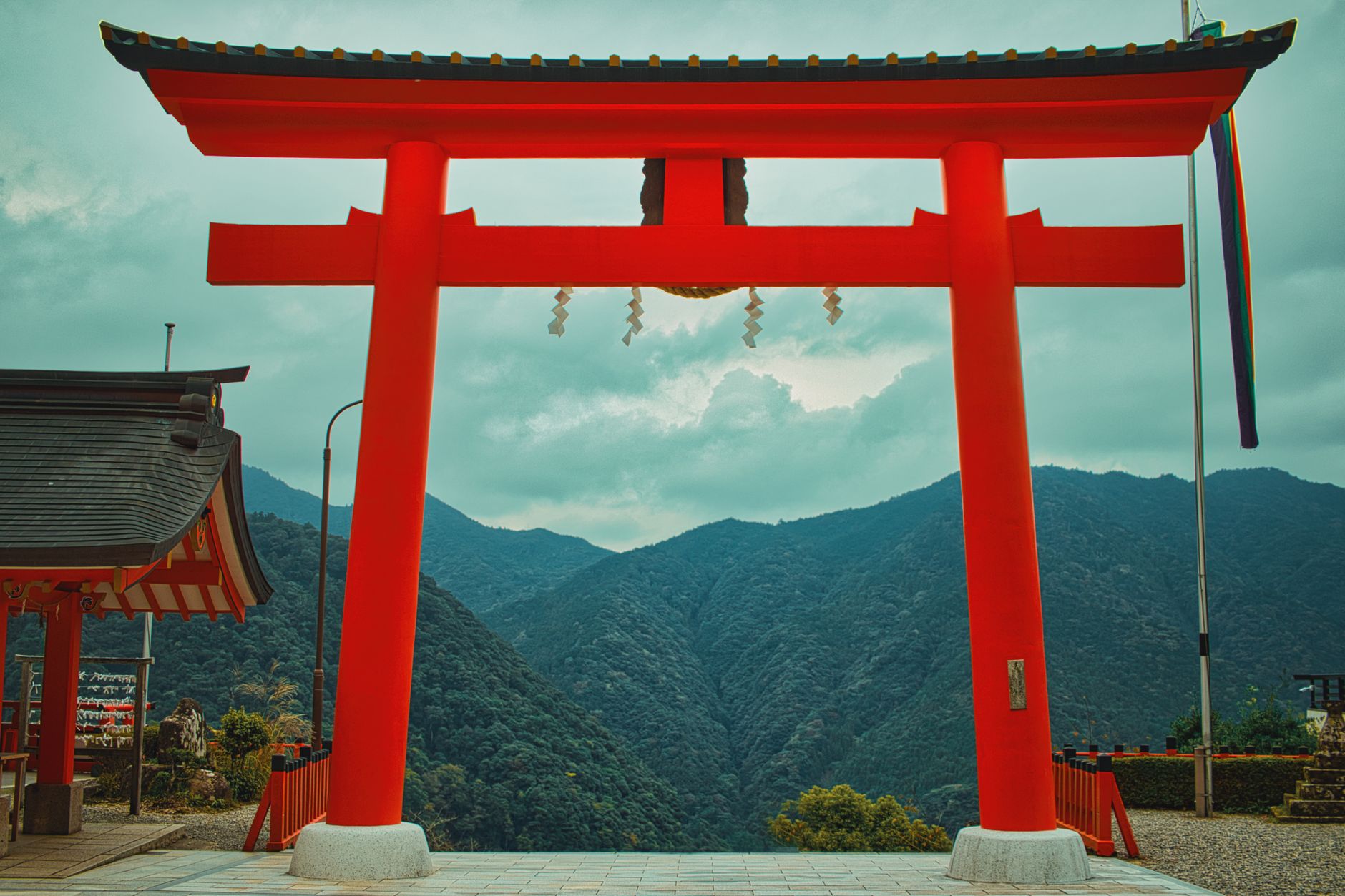


Sitting four hours south of Osaka on the JR Kuroshio line, Nachikatsuura curves around a deep Pacific harbour dedicated almost entirely to fresh bluefin tuna and ocean-fed hot springs. Above the docks, ancient stone stairways climb into temple-crowned cedar forests. Nachikatsuura is worth visiting if you want to eat pristine raw tuna straight off the morning auction floor and hike ancient stone trails to sacred waterfalls. Look elsewhere if you want neon nightlife, sprawling retail districts, or rapid bullet-train connections.
Last updated 1 Nov 2026
Build a Nachikatsuura itinerary.
Choose up to 4 threads that pull you in. Your plan arrives organised around them.
The Bed
Where to stay in Nachikatsuura
Which part of town to book, and what each one costs you in walking, noise or quiet.
The Comparison
Nachikatsuura, or somewhere near it
The places you are realistically choosing between, and the honest case for each.
The Local Record
Where to read more about Nachikatsuura
The blogs, boards, guides and operators worth bookmarking.
What to do in Nachikatsuura Wakayama Prefecture Japan
Nachikatsuura settles neatly between steep, cedar-covered mountains and an inlet filled with fishing trawlers. Life here turns on two rhythms: the early-morning unloading of longline tuna catches on the quayside and the steady climb up ancient pilgrimage paths into the misty highlands. It suits independent walkers, quiet bathers, and anyone who appreciates exceptional raw fish served without ceremony at portside tables.
24 hours in Nachikatsuura Wakayama Prefecture Japan
Rise early for the 7:00 AM tuna auction viewing at the port, then catch the local bus twenty minutes inland to Daimon-zaka. Walk the ancient stone steps to Kumano Nachi Taisha and Nachi Falls before returning to town for a bowl of fatty tuna donburi near Kii-Katsuura Station. Finish with an evening soak in the cavern baths of Hotel Urashima. Select 1 Day above to see it.
2 days in Nachikatsuura Wakayama Prefecture Japan
Spend your second morning boarding a small ferry across the inlet to Nakanoshima for open-air saltwater bathing. Later, explore the quiet backstreets behind the harbour and sample mehari-zushi, giant rice balls wrapped in pickled mustard greens, followed by a dinner of Pacific saury sushi and grilled amberjack at a neighbourhood izakaya. Choose 2 Days to expand the plan.
3 days in Nachikatsuura Wakayama Prefecture Japan
A third day allows an easy thirty-minute train ride north to Shingu to scramble up the steep stone steps of Kamikura Shrine. Afterward, take a riverboat down the Kumano River or wander the rugged sea-sculpted cliffs of Kii-Oshima island, returning to Nachikatsuura at dusk for a final quiet bowl of broth and local noodles by the docks.
Nachikatsuura Wakayama Prefecture Japan itineraries by interest
Fish Markets in Nachikatsuura Wakayama Prefecture Japan
Watch the morning tuna auctions at Katsuura Port, where brokers inspect fresh, never-frozen Pacific bluefin lined up by the hundred on wet concrete.
Local Seafood in Nachikatsuura Wakayama Prefecture Japan
Order maguro donburi bowls heaped with glistening cuts of akami, chutoro, and otoro at no-nonsense counters around Kii-Katsuura Station.
Hot Springs in Nachikatsuura Wakayama Prefecture Japan
Soak in the Bokido cavern bath at Hotel Urashima, looking out over crashing Pacific swells from natural sulfur-rich saltwater pools.
Sacred Architecture in Nachikatsuura Wakayama Prefecture Japan
Climb to Kumano Nachi Taisha and Seiganto-ji temple, where the red three-story pagoda aligns directly against the drop of Nachi Falls.
Hiking in Nachikatsuura Wakayama Prefecture Japan
Walk the mossy stone steps of Daimon-zaka through 800-year-old cryptomeria trees on the Kumano Kodo pilgrimage route up to the shrine complex.
Waterfalls & Valleys in Nachikatsuura Wakayama Prefecture Japan
Stand before the 133-metre plunge of Nachi no Otaki, worshipped as a living Shinto deity since the fourth century.
Coastal Walks in Nachikatsuura Wakayama Prefecture Japan
Stroll the shoreline of Katsuura Bay out to the Bento-jima islet viewpoint, watching skiffs navigate the sheltered archipelago.
Island Excursions in Nachikatsuura Wakayama Prefecture Japan
Take the short public ferry across the bay to Nakanoshima island for secluded outdoor baths and quiet walking circuits above the sea.
Day Trips in Nachikatsuura Wakayama Prefecture Japan
Catch the coastal train north to Shingu to inspect the colossal rock deity at Kamikura Shrine and taste mehari-zushi wrapped in mustard greens.
Local Produce in Nachikatsuura Wakayama Prefecture Japan
Try Kishu umeboshi pickled plums, local mikan citrus, and sanma saury sushi pressed and cured with bitter orange vinegar.
Craft Traditions in Nachikatsuura Wakayama Prefecture Japan
Seek out Kishu Binchotan charcoal workshops in the surrounding hills, where oak is fired using techniques refined across four centuries.
Maritime Heritage in Nachikatsuura Wakayama Prefecture Japan
Walk the working boatyards and slipways along the inner harbour where longline crews prepare their gear between deep-water Pacific runs.