


Noboribetsu sits on the southwest coast of Hokkaido, roughly an hour south of Sapporo or forty-five minutes from New Chitose Airport by JR limited express train. The town is built almost entirely around its thermal water, pumping out millions of litres daily across eleven distinct mineral profiles. Jigokudani supplies the drama and the ryokan supply the baths. Noboribetsu is worth visiting if you want deeply restorative mineral soaking and dramatic volcanic walking trails in cool northern air. Look elsewhere if you want late-night urban bars, boutique shopping, or a destination with indoor cultural museums.
Last updated 9 Nov 2026
Build a Noboribetsu itinerary.
Choose up to 4 threads that pull you in. Your plan arrives organised around them.
The Bed
Where to stay in Noboribetsu
Which part of town to book, and what each one costs you in walking, noise or quiet.
The Comparison
Noboribetsu, or somewhere near it
The places you are realistically choosing between, and the honest case for each.
The Local Record
Where to read more about Noboribetsu
The blogs, boards, guides and operators worth bookmarking.
What to do in Noboribetsu Hokkaido Japan
Life in Noboribetsu Onsen runs on thermal rhythms. The village fills a steep river gorge where steam hangs over the roofs from dawn to midnight. Days are built around long soaks in mineral-heavy waters, walks through volcanic vents, and early dinners of grilled seafood and miso-simmered regional vegetables.
24 hours in Noboribetsu Hokkaido Japan
Walk the wooden paths of Jigokudani at daybreak before tour buses arrive. Hike fifteen minutes up to soak your legs in the warm Oyunuma Brook. Eat a bowl of spicy Enma ramen on Gokuraku Dori, then spend the evening working through the tiered sulfur pools at Dai-ichi Takimotokan. Select 1 Day above to see it.
2 days in Noboribetsu Hokkaido Japan
A second day lets you catch the coastal train to Shiraoi for sea urchin rice bowls and a visit to the Upopoy national museum. Return for dinner at a local izakaya serving Muroran-style pork yakitori with sweet mustard, followed by an evening soak under the stars. Choose 2 Days to expand the plan.
3 days in Noboribetsu Hokkaido Japan
With three days, venture west to the caldera ridge of Lake Toya or take the bus down to Cape Chikyu to watch the Pacific swell from the cliff path. Settle back into the valley for a slow kaiseki dinner featuring charcoal-grilled Tokachi beef and local sake.
Noboribetsu Hokkaido Japan itineraries by interest
Thermal Springs in Noboribetsu Hokkaido Japan
Eleven distinct mineral waters, from milky sulfur pools at Dai-ichi Takimotokan to natural footbaths in the Oyunuma River.
Volcanic Landscapes in Noboribetsu Hokkaido Japan
Walk the boardwalks above hiss-and-groan fumaroles in Jigokudani and circle the bubbling surface of Oyunuma lake.
Local Seafood in Noboribetsu Hokkaido Japan
Catch from Uchiura Bay landed at nearby Muroran port, starring sweet Botan shrimp, hairy crab, and grilled scallop skewers.
Regional Ramen in Noboribetsu Hokkaido Japan
Spicy Enma ramen laced with local chili pastes and deep miso broths served along the compact main street of Gokuraku Dori.
Forest Walking in Noboribetsu Hokkaido Japan
Old-growth birch and sasa bamboo trails connecting the sulfur vents to quiet woodland ponds and boardwalk overlooks.
Traditional Hospitality in Noboribetsu Hokkaido Japan
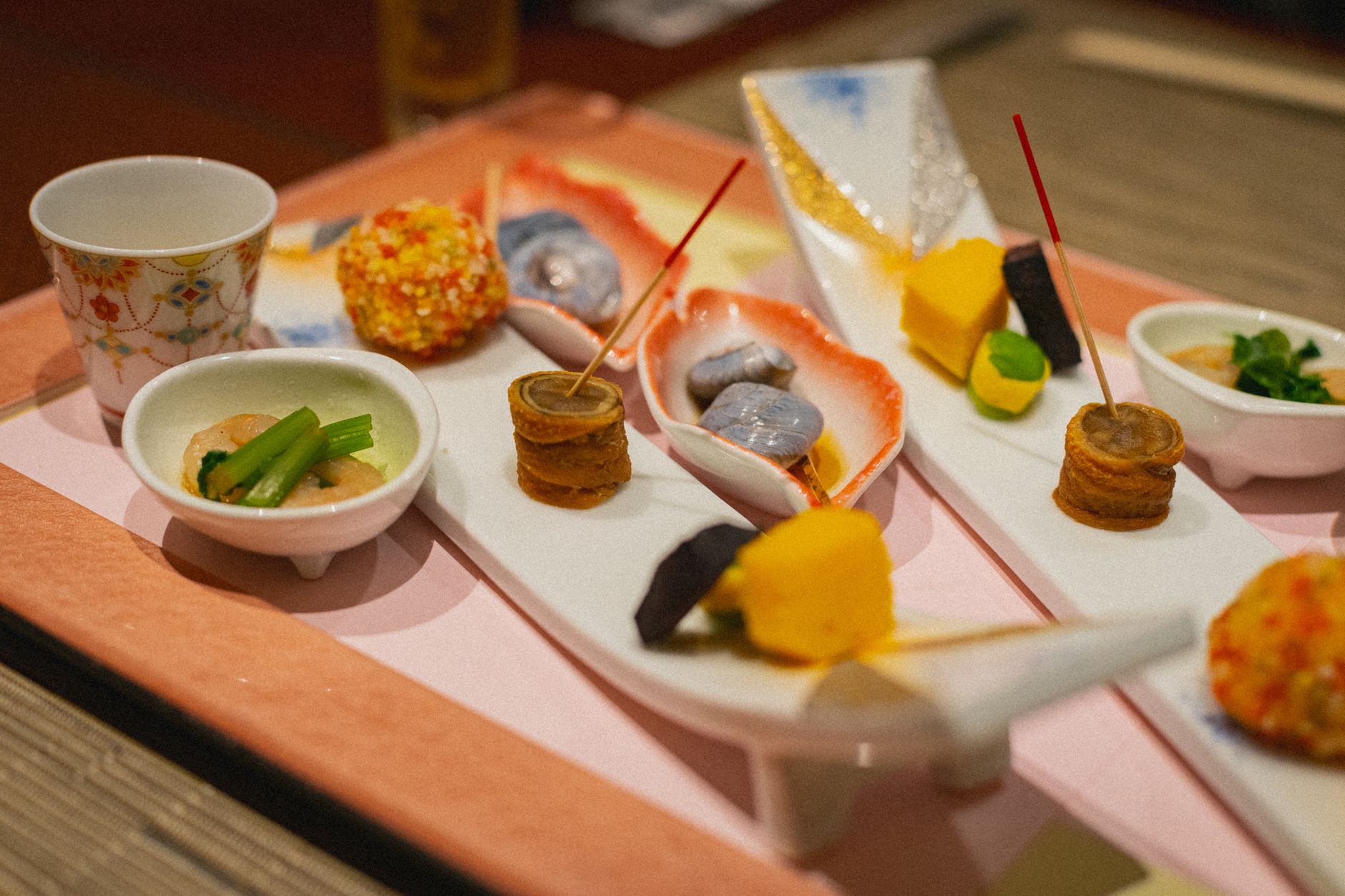
Classic ryokan service with multi-course kaiseki dinners built around Tokachi beef and Rusutsu pork.
Folk Traditions in Noboribetsu Hokkaido Japan
Yukijin demon lore carved into stone wardens across town and celebrated at the summer Hell Festival drum rituals.
Coastal Side Trips in Noboribetsu Hokkaido Japan
Head south to Cape Chikyu for sheer volcanic cliffs dropping three hundred feet into the Pacific Ocean.
Winter Walks in Noboribetsu Hokkaido Japan
Snowshoe trails through the quiet woods above the hot spring gorge while steam plumes billow against dark firs.
Dairy & Sweets in Noboribetsu Hokkaido Japan
Fresh Hokkaido soft-serve ice cream, rich local pudding, and custard pastries made with Shiraoi dairy.
Day Trips in Noboribetsu Hokkaido Japan
Short train rides to the Ainu cultural centre Upopoy in Shiraoi or the caldera waters of Lake Toya.
Historic Crafts in Noboribetsu Hokkaido Japan
Carved wooden demon masks and traditional onsen towels sold in the small family-run shops along the central street.