
.jpg)
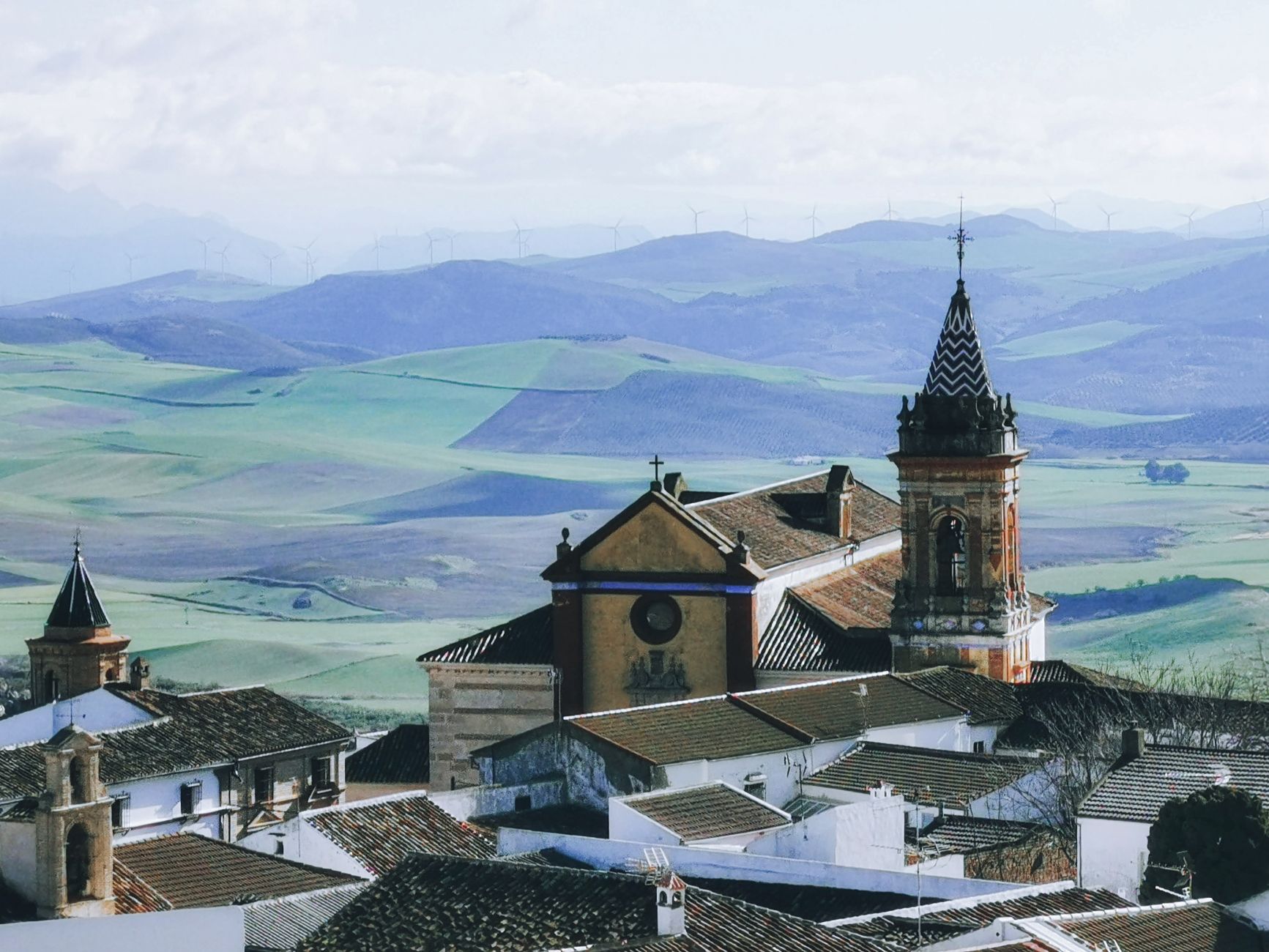


From twenty miles away across the olive groves, the rock looks improbable: a twin-towered neoclassical church and a twelfth-century Moorish castle shoved shoulder-to-shoulder onto a limestone spike. On foot, Olvera demands honest calves. Whitewashed alleys in the Barrio de la Villa twist upward at punishing angles, opening suddenly onto views of grey-green hills. It remains a working agricultural pueblo where the midday sun empties the streets and the olive harvest still dictates the rhythm of the year.
Last updated 29 Aug 2026
Build a Olvera itinerary.
Choose up to 4 threads that pull you in. Your plan arrives organised around them.
The Bed
Where to stay in Olvera
Which part of town to book, and what each one costs you in walking, noise or quiet.
The Comparison
Olvera, or somewhere near it
The places you are realistically choosing between, and the honest case for each.
The Local Record
Where to read more about Olvera
The blogs, boards, guides and operators worth bookmarking.
What to do in Olvera Andalusia Spain
Olvera suits travellers who prefer honest rural rhythm to curated tour bus stops. Days here revolve around climbing the steep medieval streets to the castle, cycling the gentle grade of the Vía Verde de la Sierra, and resting at shaded plaza tables over plates of cured pork and cold beer. It is compact, quiet, and best tackled on foot with sensible shoes and an appetite for hill climbs.
24 hours in Olvera Andalusia Spain
Start early with toast drizzled in local Lechín olive oil on Plaza del Ayuntamiento before climbing the castle ramparts. Spend the afternoon cycling the first ten kilometres of the Vía Verde from the old station. Finish with tapas of solomillo and crisp espárragos along Calle Llana as the evening breeze cools the town. Select 1 Day above to see it.
2 days in Olvera Andalusia Spain
Dedicate your second morning to the Barrio de la Villa, tracing its ancient Moorish alleyways before walking out to the peaceful Santuario de los Remedios. For lunch, order a hearty sopa pegá at a local mesón. Spend a relaxed afternoon watching swifts circle the towers of the Encarnación church from a cafe terrace. Choose 2 Days to expand the plan.
3 days in Olvera Andalusia Spain
With three days, venture to the vulture reserve at Peñón de Zaframagón or take the short drive to neighbouring Setenil de las Bodegas to see rock-cut cave dwellings. Return to Olvera for sunset over the olive groves, followed by dry sherry and a plate of grilled flamenquín among locals.
Olvera Andalusia Spain itineraries by interest
Castle Fortresses in Olvera Andalusia Spain
Climb the worn stone ramparts of the 12th-century Moorish castle perched high above the Barrio de la Villa for sweeping views of the serranía.
Cycling Trails in Olvera Andalusia Spain
Rent a bike at the converted railway station to ride the Vía Verde de la Sierra through 36 kilometres of tunnels, viaducts, and olive valleys.
Olive Oil in Olvera Andalusia Spain
Taste peppery extra virgin oils pressed from local Lechín olives under the Sierra de Cádiz denomination at cooperative mills around the valley.
Sacred Architecture in Olvera Andalusia Spain
Step inside the twin-towered Iglesia de la Encarnación, built in the late 18th century from local stone on the foundations of an old mosque.
Local Pork in Olvera Andalusia Spain
Sample cured jamón serrano and solomillo al ajillo at simple tabernas along Calle Llana where plates arrive fast with fresh crusty bread.
Historic Quarters in Olvera Andalusia Spain
Wander the Barrio de la Villa, an intricate Moorish layout of steep, whitewashed stepped alleys clinging directly to the limestone ridge.
Sanctuaries in Olvera Andalusia Spain
Walk two kilometres south to the 18th-century Santuario de Nuestra Señora de los Remedios, home to the town's revered patron saint statue.
Birdwatching in Olvera Andalusia Spain
Watch Europe's largest colony of nesting griffon vultures near the Peñón de Zaframagón visitor centre just off the Vía Verde trail.
Tapas Culture in Olvera Andalusia Spain
Order cold Cruzcampo paired with tortillitas de espárragos and spiced pinchitos morunos at bar counters around Plaza de la Concordia.
Traditional Bakeries in Olvera Andalusia Spain
Seek out local hornazos and sugar-dusted tortas de masa at family panaderías tucked away along the lower commercial streets.
Scenic Walks in Olvera Andalusia Spain
Follow the signposted Camino de las Huertas loop through terraced plots, citrus trees, and freshwater springs beneath the northern crag.
Day Trips in Olvera Andalusia Spain
Drive thirty minutes along winding mountain routes to explore Setenil de las Bodegas, famous for homes built directly beneath river cliffs.