

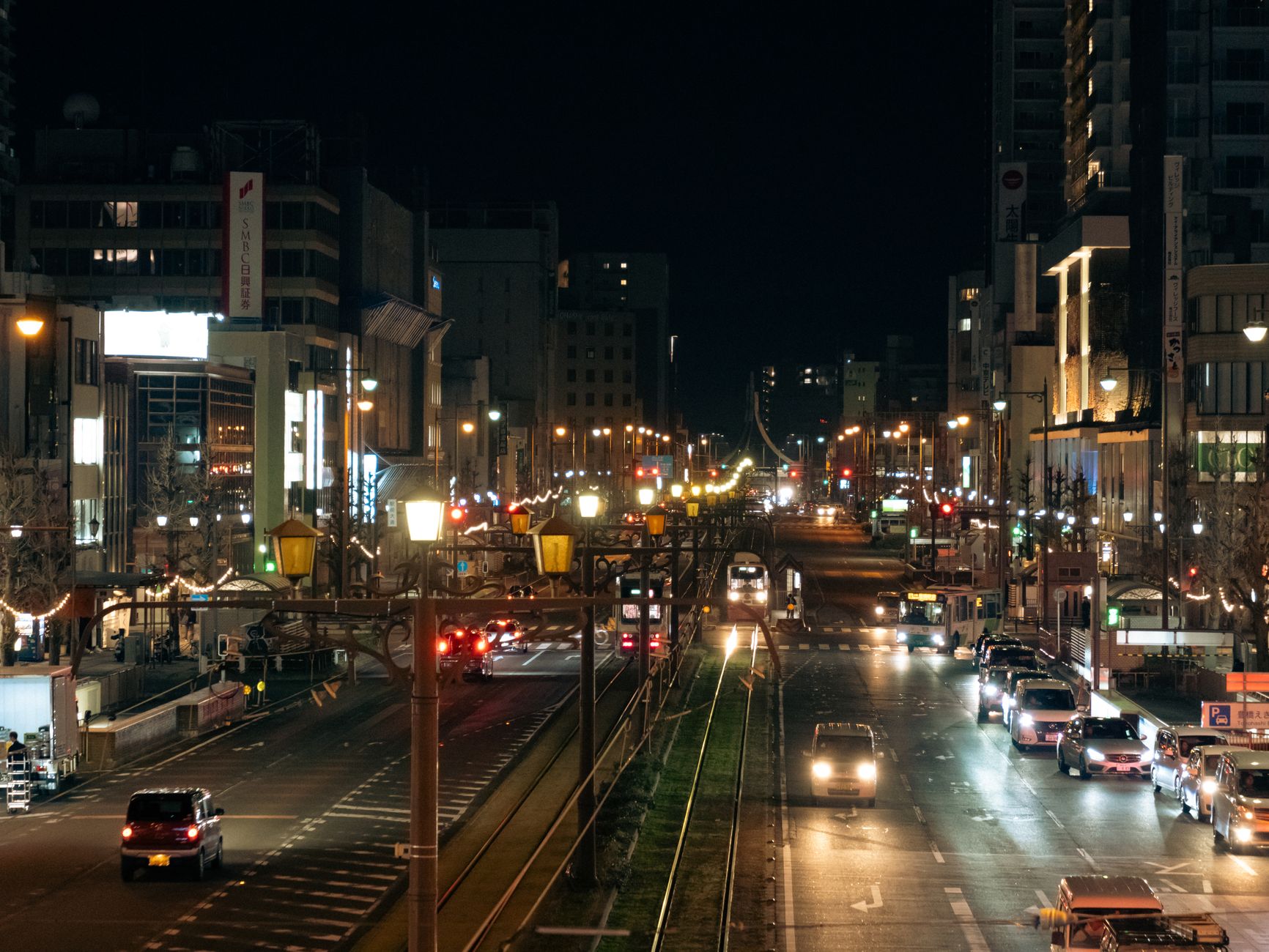
Sitting fifteen minutes south of Shinagawa on the Keikyu Line, Ōta is Tokyo's southernmost ward, framing Haneda Airport. It is known for dark, plant-derived kuroyu hot springs and precision metal workshops tucked into quiet residential grids. Ōta is worth visiting if you want to soak in neighbourhood public baths, eat crisp winged gyoza in working-class shotengai, and wander centuries-old hillside temples. Look elsewhere if you want neon-lit megaclubs, luxury shopping malls, or late-night party strips.
Last updated 15 Oct 2026
Build a Ōta itinerary.
Choose up to 4 threads that pull you in. Your plan arrives organised around them.
The Bed
Where to stay in Ōta
Which part of town to book, and what each one costs you in walking, noise or quiet.
The Comparison
Ōta, or somewhere near it
The places you are realistically choosing between, and the honest case for each.
The Local Record
Where to read more about Ōta
The blogs, boards, guides and operators worth bookmarking.
What to do in Ōta Tokyo Japan
Ōta spreads across quiet residential streets, working docks along Tokyo Bay, and the manufacturing alleys of Kamata. Days here follow an unhurried rhythm: touring centuries-old temple grounds, watching cargo planes lift off, and joining locals for a late-afternoon soak in natural dark mineral baths. It suits independent travellers who prefer ordinary neighbourhood life over crowded tourist hubs.
24 hours in Ōta Tokyo Japan
Start early at Ikegami Honmon-ji, walking its forest grounds before catching the Tokyu train to Kamata. Eat a plate of crisp winged pork gyoza at Nihao for lunch, take a quiet afternoon soak in the amber water at Hasunuma Onsen, and spend the evening eating grilled skewers at a tachinomi standing bar by the station. Select 1 Day above to see it.
2 days in Ōta Tokyo Japan
A second day turns toward Omori and the coast. Explore the Omori Nori Museum to understand the bay's historic seaweed trade, then walk through the plum groves at Ikegami Baien. For dinner, seek out a neighbourhood soba shop near Magome for cold buckwheat noodles and crisp seasonal tempura. Choose 2 Days to expand the plan.
3 days in Ōta Tokyo Japan
Three days allow a trip along the Tama River towards Den-en-chofu to see suburban architecture and peaceful riverfront trails. Head down to Jonanjima Seaside Park for bay views, or take a short train hop south into Kawasaki to explore Daishi Temple and its old sweetmaker stalls without losing your base.
Ōta Tokyo Japan itineraries by interest
Thermal Baths in Ōta Tokyo Japan
Soak in kuroyu, the dark botanical hot spring water found at neighbourhood bathhouses like Hasunuma Onsen and Yumori no Sato.
Dumplings & Noodles in Ōta Tokyo Japan
Order hanetsuki gyoza with their crisp lacy skirts at Nihao or Welcome in Kamata, accompanied by bowls of classic shoyu ramen.
Sacred Architecture in Ōta Tokyo Japan
Climb the ninety-six stone steps to Ikegami Honmon-ji, a 13th-century Nichiren temple complex housing a five-storey Edo pagoda.
Industrial Heritage in Ōta Tokyo Japan
Tour small machining workshops in Kamata and Omori, where independent artisans craft high-precision components for aerospace.
Public Parks in Ōta Tokyo Japan
Walk the plum blossom paths at Ikegami Baien or watch planes bank over Tokyo Bay from the boardwalks of Jonanjima Seaside Park.
Neighbourhood Markets in Ōta Tokyo Japan
Browse Sunroad Kamata and Omori Ginza shotengai for fresh sembei rice crackers, roasted green tea, and skewered yakitori.
Traditional Sweets in Ōta Tokyo Japan
Taste kuzumochi, fermented wheat starch cakes dusted with roasted soybean flour and dark brown sugar syrup, sold outside Honmon-ji.
Waterfront Walks in Ōta Tokyo Japan
Follow paths along the Tama River and the canals of Omori Nori Museum, learning how coastal fishermen once cultivated edible seaweed.
Aviation History in Ōta Tokyo Japan
Watch runway operations from Haneda Airport's observation decks or book free tours of aircraft maintenance hangars along Tokyo Bay.
Archaeology in Ōta Tokyo Japan
Visit Omori Shell Mounds Park, where Edward Sylvester Morse discovered Jomon-period pottery and middens beside the railway tracks in 1877.
Drinking Alleys in Ōta Tokyo Japan
Sip shochu highballs alongside factory machinists in the tight tachinomi standing bars and izakayas packed behind Kamata Station.
Garden Sanctuaries in Ōta Tokyo Japan
Find quiet rock gardens, carp ponds, and tea pavilions inside Sanno Sodo Memorial Park and the hillside slopes of Ikegami.