


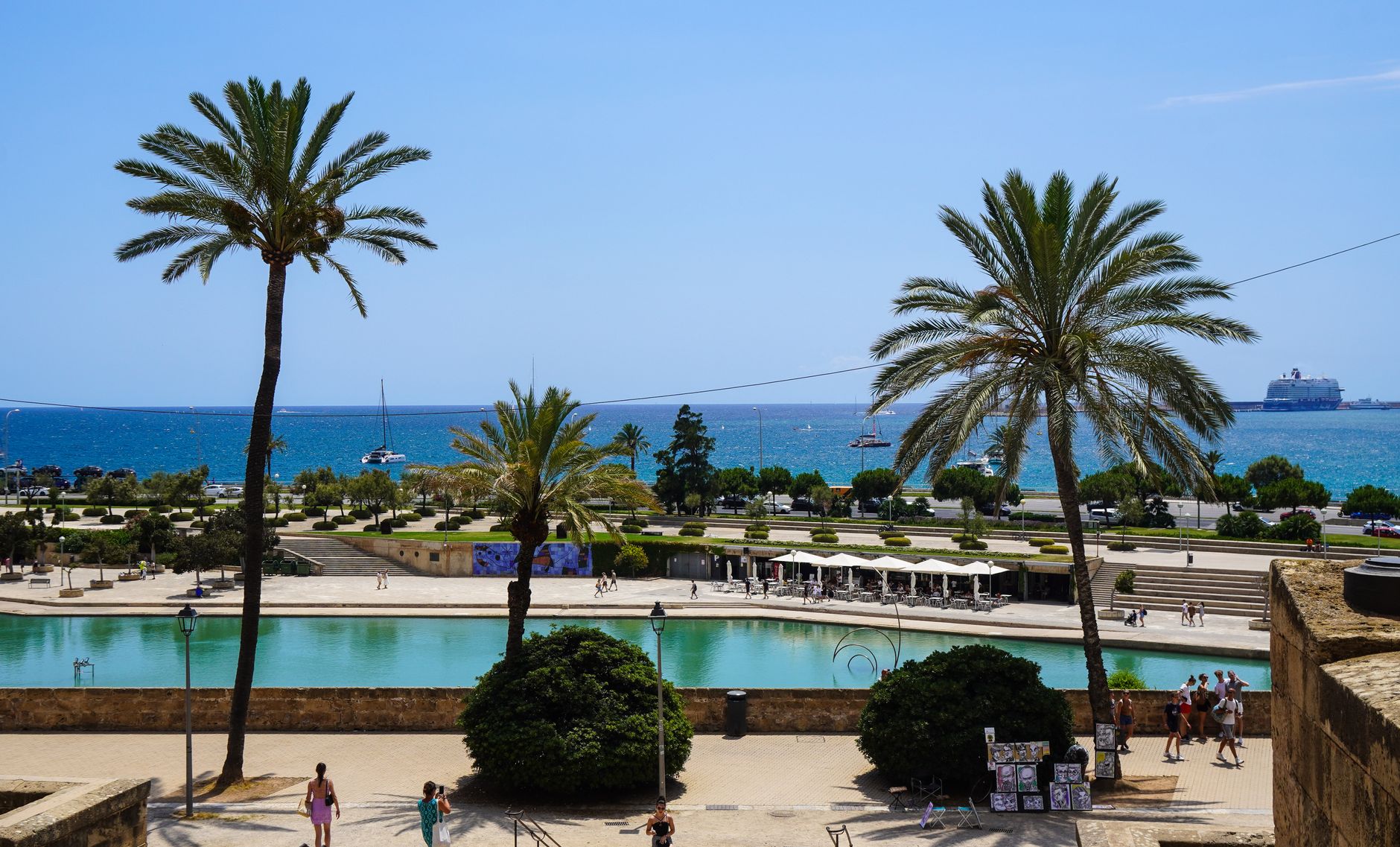

Golden marès sandstone absorbs the Mediterranean glare before you even reach the harbour front. Walking inland from the bay, the city tightens into a cool maze of fourteenth-century courtyards and shuttered alleys, where bakers dust powdered sugar over spiral ensaimadas before eight in the morning. Palma operates on maritime salt, Gothic weight, and late-afternoon vermouth. It rewards walking slowly on limestone pavers that have been polished slick by centuries of leather soles.
Last updated 1 Sept 2026
Build a Palma itinerary.
Choose up to 4 threads that pull you in. Your plan arrives organised around them.
The Bed
Where to stay in Palma
Which part of town to book, and what each one costs you in walking, noise or quiet.
The Comparison
Palma, or somewhere near it
The places you are realistically choosing between, and the honest case for each.
The Local Record
Where to read more about Palma
The blogs, boards, guides and operators worth bookmarking.
What to do in Palma Mallorca Spain
Days in Palma orbit around the sandstone core of Calatrava and the working harbour. Morning starts over dark coffee and pastry, shifts to market grazing at Olivar, and slows for late-afternoon strolls along the maritime ramparts. It suits travellers who appreciate architecture, walkable medieval quarters, and straightforward seafood eaten within earshot of clinking wine glasses.
24 hours in Palma Mallorca Spain
Begin at eight with an ensaimada at Ca'n Joan de S'Aigo, tour La Seu before midday crowds, and head to Mercat de l'Olivar for grilled sardines. Spend the late afternoon wandering the courtyard alleys of Sa Calatrava before evening vermouth in Santa Catalina. Select 1 Day above to see it.
2 days in Palma Mallorca Spain
Devote day two to art and the coast. Walk to Es Baluard and the Miró studios in Cala Major, then follow the seaside path east to Portixol for a late lunch of arroz brut and grilled cuttlefish at a simple waterfront terrace as fishing boats return. Choose 2 Days to expand the plan.
3 days in Palma Mallorca Spain
Take the morning wooden train through orange groves into the Tramuntana hills to explore Sóller and Fornalutx. Return to Palma in the late afternoon for a walk through the circular courtyard of Bellver Castle, finishing with local sobrassada and a glass of Manto Negro in Sa Gerreria.
Palma Mallorca Spain itineraries by interest
Local Seafood in Palma Mallorca Spain
Order red Sóller prawns, grilled cuttlefish with garlic oil, and salt cod fritters along the docks or inside Santa Catalina market counters.
Sacred Architecture in Palma Mallorca Spain
Study La Seu, the massive 14th-century cathedral on the sea wall, featuring Gaudí additions and Miquel Barceló’s textured ceramic chapel.
Markets & Produce in Palma Mallorca Spain
Browse Mercat de l'Olivar for cured sobrassada sausages, local Mahón cheeses, Ramallet tomatoes, and freshly opened oysters at the back bar.
Modern Art in Palma Mallorca Spain
Visit Es Baluard museum perched on Renaissance ramparts, alongside the Miró Mallorca Fundació preserving the artist’s untouched painting studios.
Historic Quarters in Palma Mallorca Spain
Wander the narrow lanes of the Jewish Quarter and Calatrava, looking into aristocratic courtyards with wide stone arches and iron lanterns.
Traditional Bakeries in Palma Mallorca Spain
Pick up coiled lard-laminated ensaimadas and savoury panades stuffed with pork and peas from wood-fired ovens like Fornet de la Soca.
Wine & Vineyards in Palma Mallorca Spain
Sip native Manto Negro and Prensal Blanc wines paired with pa amb oli at low-key bodegas tucked behind Plaça de Cort.
Coastal Fortifications in Palma Mallorca Spain
Walk up to circular Castell de Bellver for pine-shaded panoramas over the bay, or stroll the maritime defensive walls along Dalt Murada.
Urban Tapas in Palma Mallorca Spain
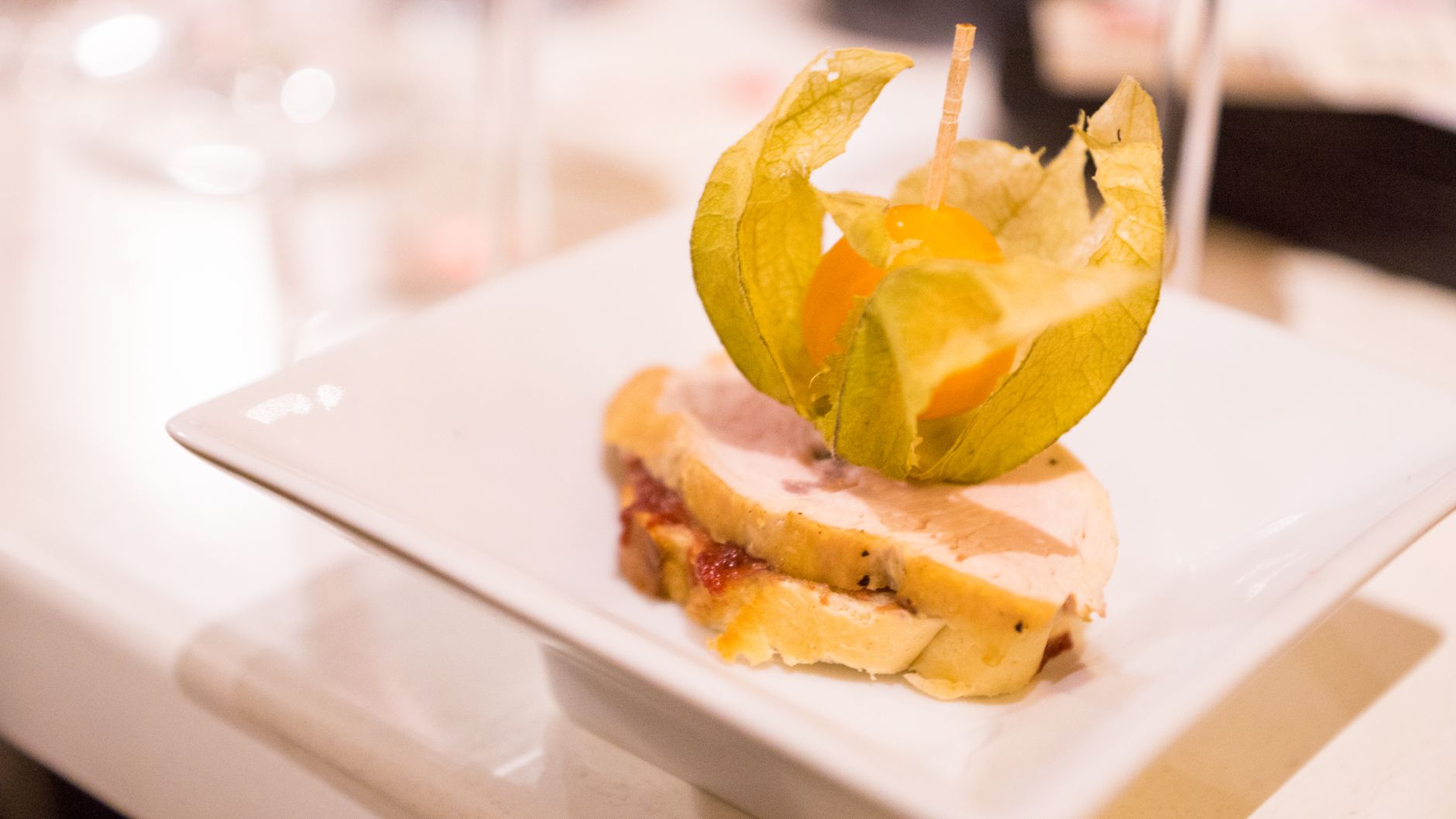
Join locals for the Tuesday evening Ruta Martiana tapas crawl in Sa Gerreria, moving between bars for pinchos and small draft cañas.
Craft Traditions in Palma Mallorca Spain
Search out handcrafted Roba de Llengües ikat textiles and blown glass workshops sustaining centuries-old Balearic artisanal techniques.
Coastal Walks in Palma Mallorca Spain
Follow the seaside promenade from the old fishing enclave of Portixol along rocky coves and timber-planked boat ramps to El Molinar.
Day Trips in Palma Mallorca Spain
Board the vintage 1912 wooden train through the Serra de Tramuntana mountains to Sóller, connecting to the port by open-sided tram.