

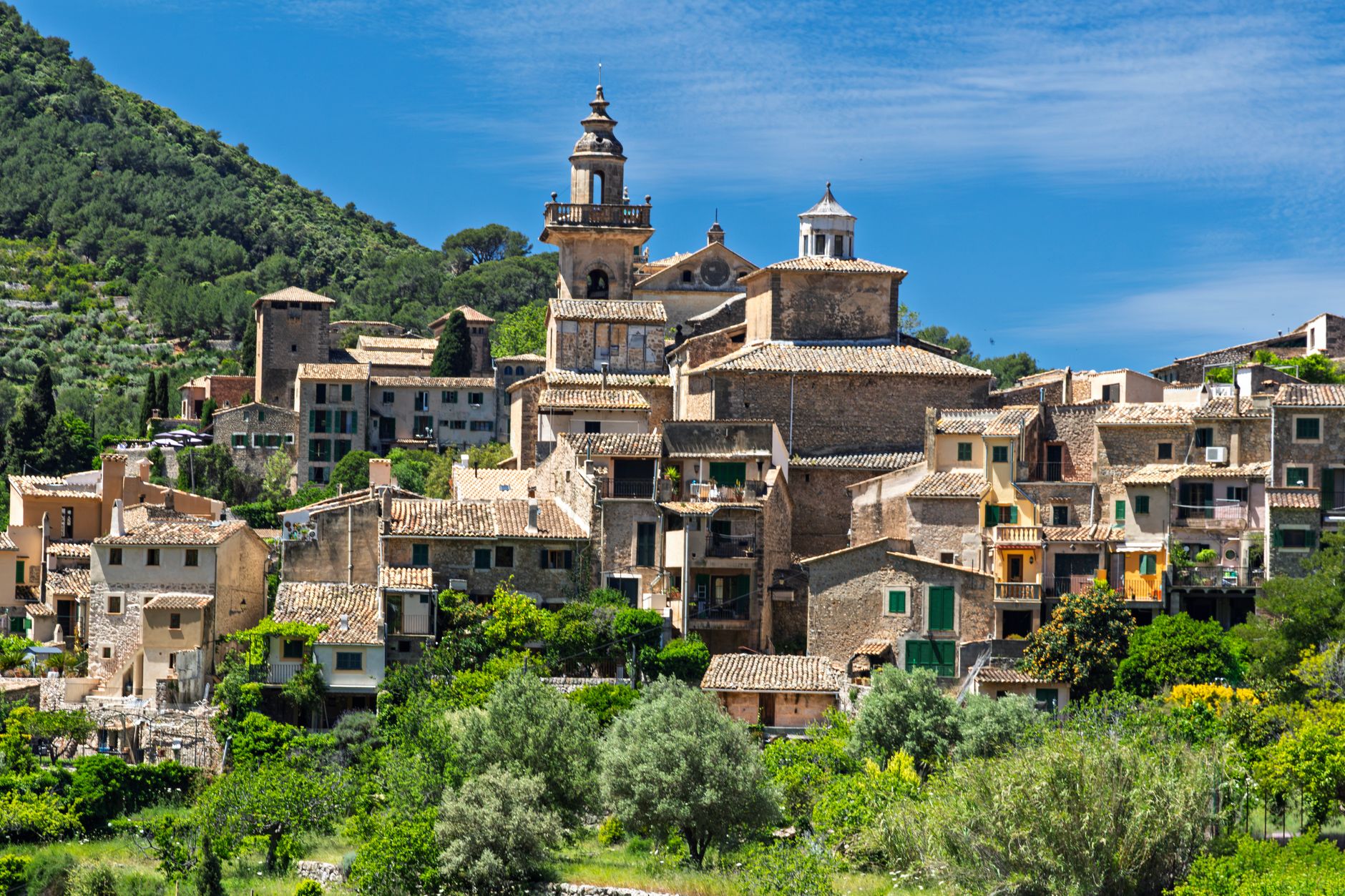
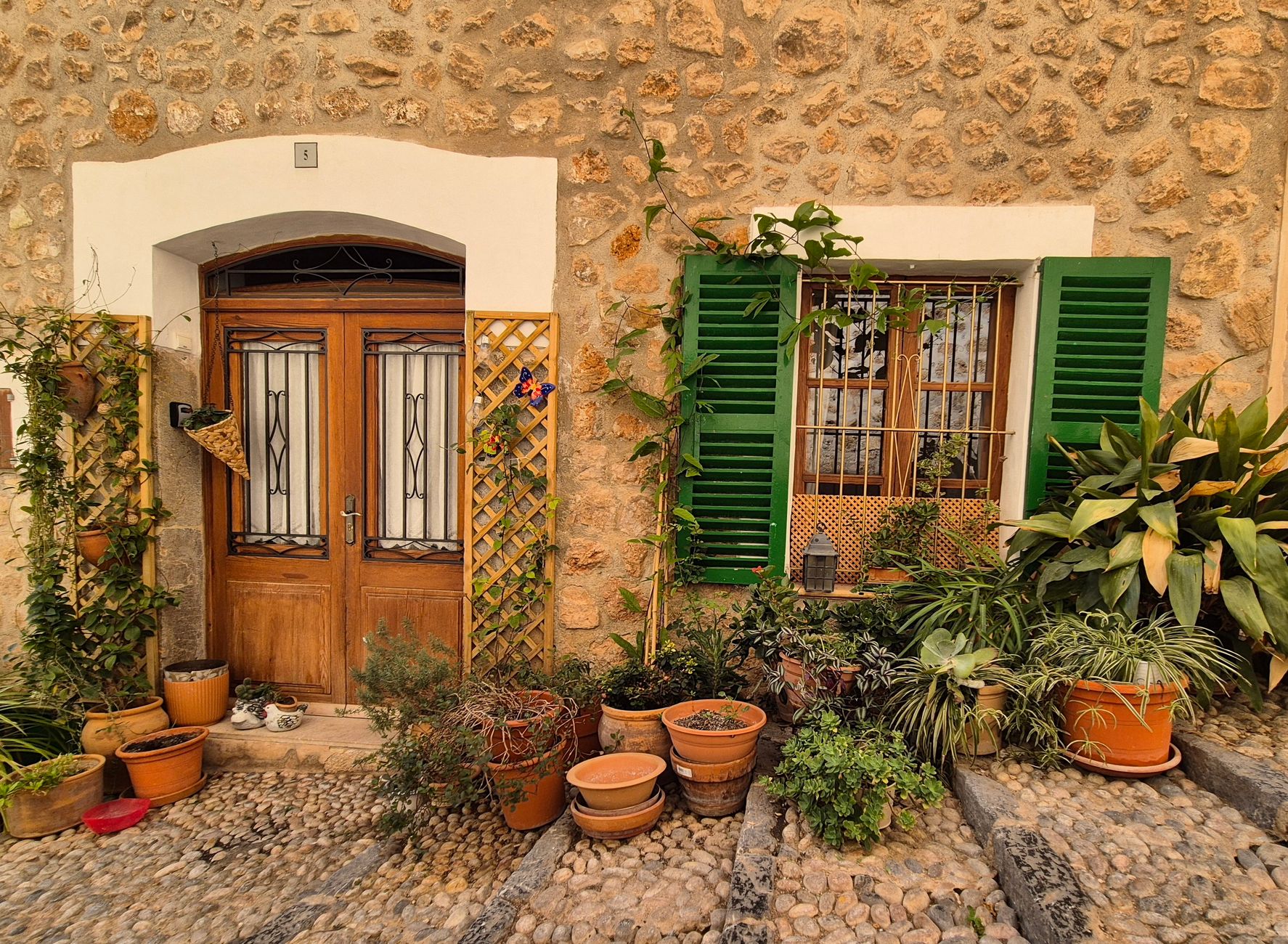
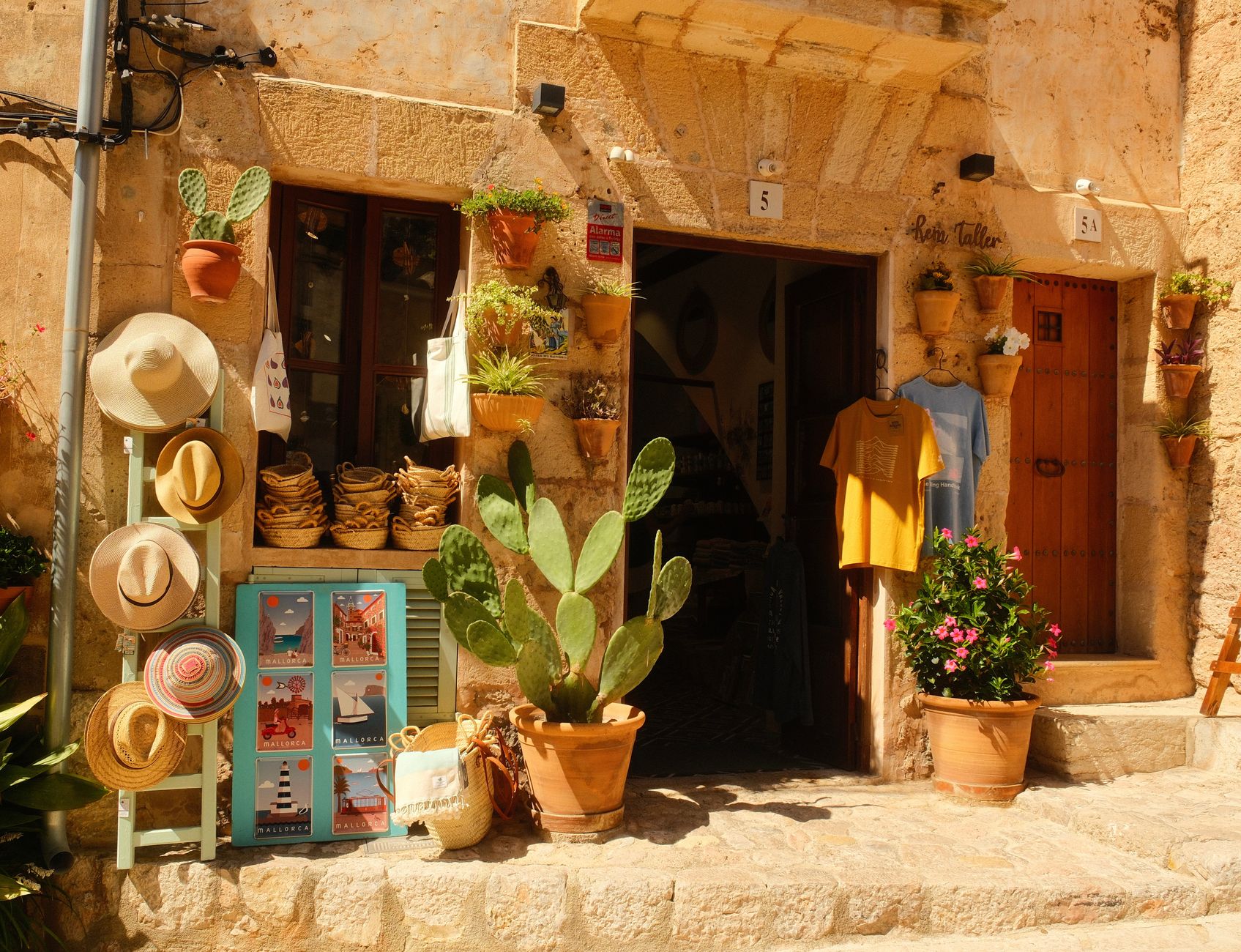
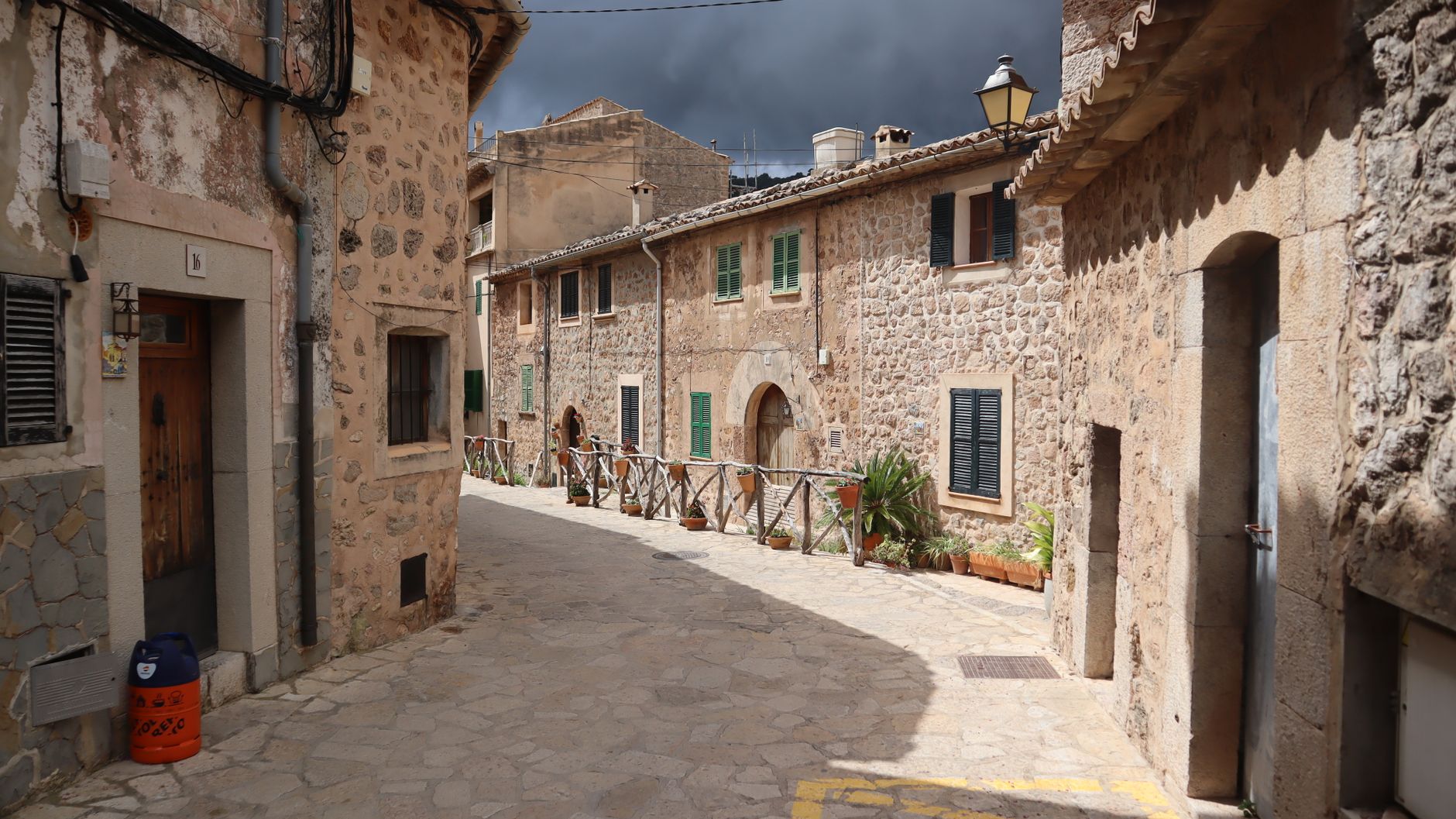
The road climbs steeply out of Palma into the limestone fold of the Serra de Tramuntana, dropping you onto pale cobbles slicked by morning mist. Tile plaques honouring Santa Catalina Thomàs flank every wooden doorway. You come for the fourteenth-century Carthusian monastery where Chopin shivered through a damp winter, but stay for the warm coca de patata dusted with sugar at Pastisseria Ca'n Molinas. It is quiet, vertical, and exceptionally well kept.
Last updated 26 Aug 2026
Build a Valldemossa itinerary.
Choose up to 4 threads that pull you in. Your plan arrives organised around them.
The Bed
Where to stay in Valldemossa
Which part of town to book, and what each one costs you in walking, noise or quiet.
The Comparison
Valldemossa, or somewhere near it
The places you are realistically choosing between, and the honest case for each.
The Local Record
Where to read more about Valldemossa
The blogs, boards, guides and operators worth bookmarking.
What to do in Valldemossa Mallorca Spain
Valldemossa sits tucked into a high mountain bowl, its stone lanes stepping down the hillside around the Carthusian monastery. Days here move to a steady rhythm: early morning walks through quiet alleys before tour coaches pull in, long lunches of tumbet or roast lamb in shaded courtyards, and afternoon hikes along dry-stone tracks. It suits walkers, lovers of classical music, and anyone who values cool mountain air and historic architecture over beach resorts.
24 hours in Valldemossa Mallorca Spain
Arrive by 8:30 to beat day-trippers. Grab warm coca de patata at Ca'n Molinas, then walk the Charterhouse cloisters and church. Spend mid-day drifting down Carrer de la Rosa to the viewpoint at Miranda dels Lledoners. Have lunch at Es Roquissar, and finish with a sunset walk to the hermitage of Sant Pau. Select 1 Day above to see it.
2 days in Valldemossa Mallorca Spain
A second day takes you down the hairpin road to Port de Valldemossa. Swim in clear turquoise water off the rocky cove, then eat grilled squid by the jetty at Es Port. In the afternoon, explore the Son Moragues olive groves or head five miles north to Archduke Ludwig Salvator's clifftop estate at Son Marroig. Choose 2 Days to expand the plan.
3 days in Valldemossa Mallorca Spain
Three days lets you tackle the challenging five-hour loop on the Camí de s'Arxiduc, climbing past ancient lime kilns to the high ridge of Puig des Teix. Spend a restful evening sampling local Callet wines and slow-braised pork cheeks in the lower village, entirely unbothered by tour schedules.
Valldemossa Mallorca Spain itineraries by interest
Sacred Architecture in Valldemossa Mallorca Spain
Tour the Real Cartoixa monastery, Chopin’s cell number four, the historic pharmacy, and the 13th-century parish church of Sant Bartomeu.
Bakery Traditions in Valldemossa Mallorca Spain
Order airy potato rolls known as coca de patata alongside thick drinking chocolate at Ca'n Molinas, baking on Plaça Cartoixa since 1920.
Mountain Hiking in Valldemossa Mallorca Spain
Ascend through holm oak forests along the Camí de s'Arxiduc to the ridge of Puig des Teix for sweeping views across the northern coast.
Classical Music in Valldemossa Mallorca Spain
Listen to summer piano recitals inside the Carthusian cloisters, honouring the winter residency of Frédéric Chopin and George Sand.
Local Produce in Valldemossa Mallorca Spain
Browse the Sunday morning market along Avinguda de Palma for Son Moragues organic extra virgin olive oil, local sobrassada, and goat cheese.
Coastal Escapes in Valldemossa Mallorca Spain
Drive the steep six-kilometre hairpin road down to Port de Valldemossa for a swim off the pebble beach and grilled sea bass at Es Port.
Literary History in Valldemossa Mallorca Spain
Explore the rooms where George Sand wrote A Winter in Majorca, viewing original manuscripts, letters, and the Pleyel piano in cell 4.
Regional Wine in Valldemossa Mallorca Spain
Sample crisp whites and earthy reds made from native Callet, Manto Negro, and Premsal grapes in nearby Pla i Llevant and Serra cellars.
Traditional Crafts in Valldemossa Mallorca Spain
Look for hand-painted ceramic saint tiles on village facades and woven llengües fabrics sold in small artisan workshops along Carrer Major.
Historic Estates in Valldemossa Mallorca Spain
Visit nearby Son Marroig and Miramar, the cliffside coastal estates preserved by Austrian Archduke Ludwig Salvator in the late 19th century.
Scenic Drives in Valldemossa Mallorca Spain
Follow the winding MA-10 coastal highway north toward Deià and Sóller, skirting olive terraces that drop straight into the Mediterranean.
Rustic Dining in Valldemossa Mallorca Spain
Eat slow-cooked arròs brut, suckling pig, and Mallorcan tumbet inside vaulted stone cellars and converted country houses like Es Roquissar.