


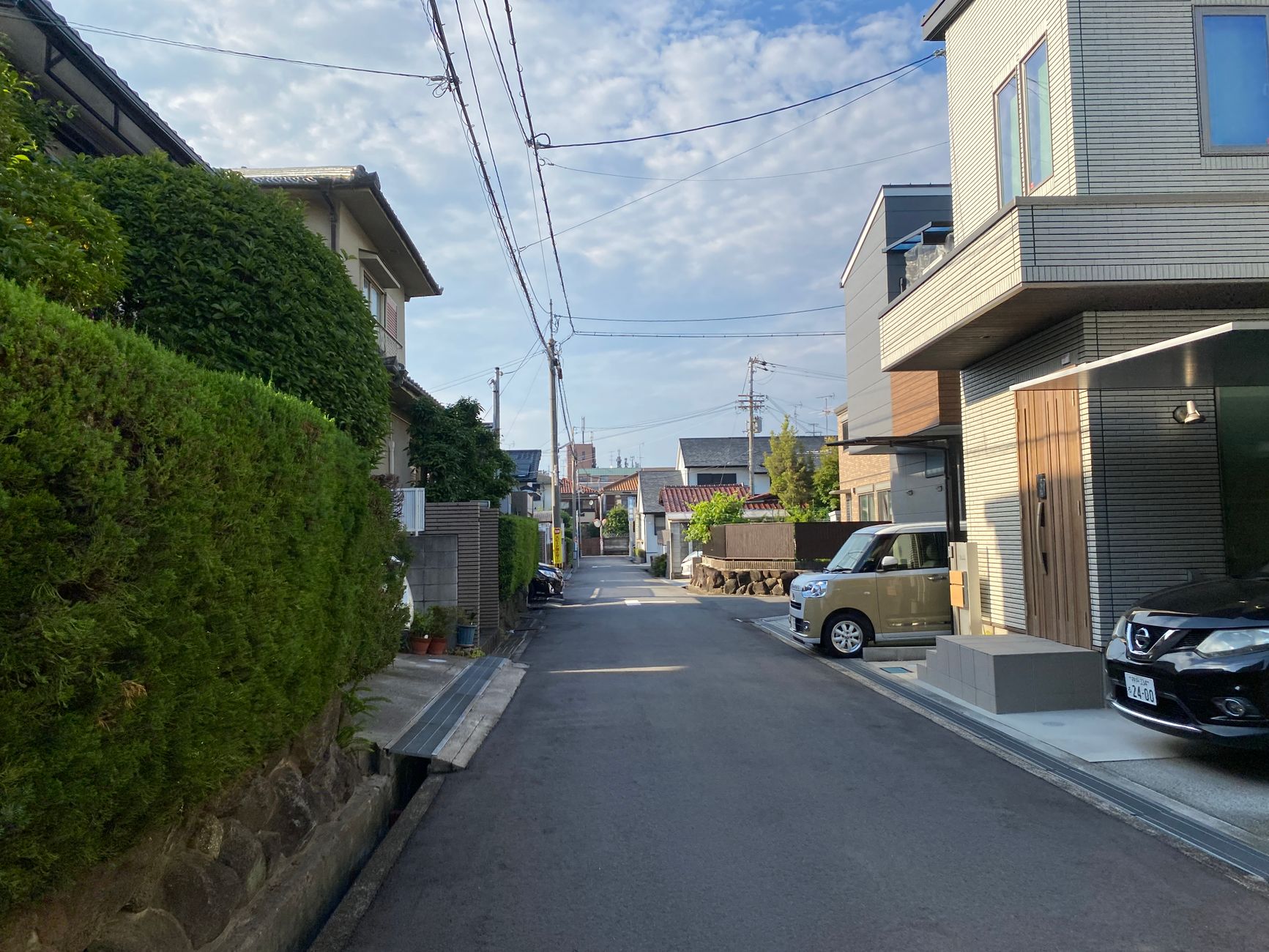

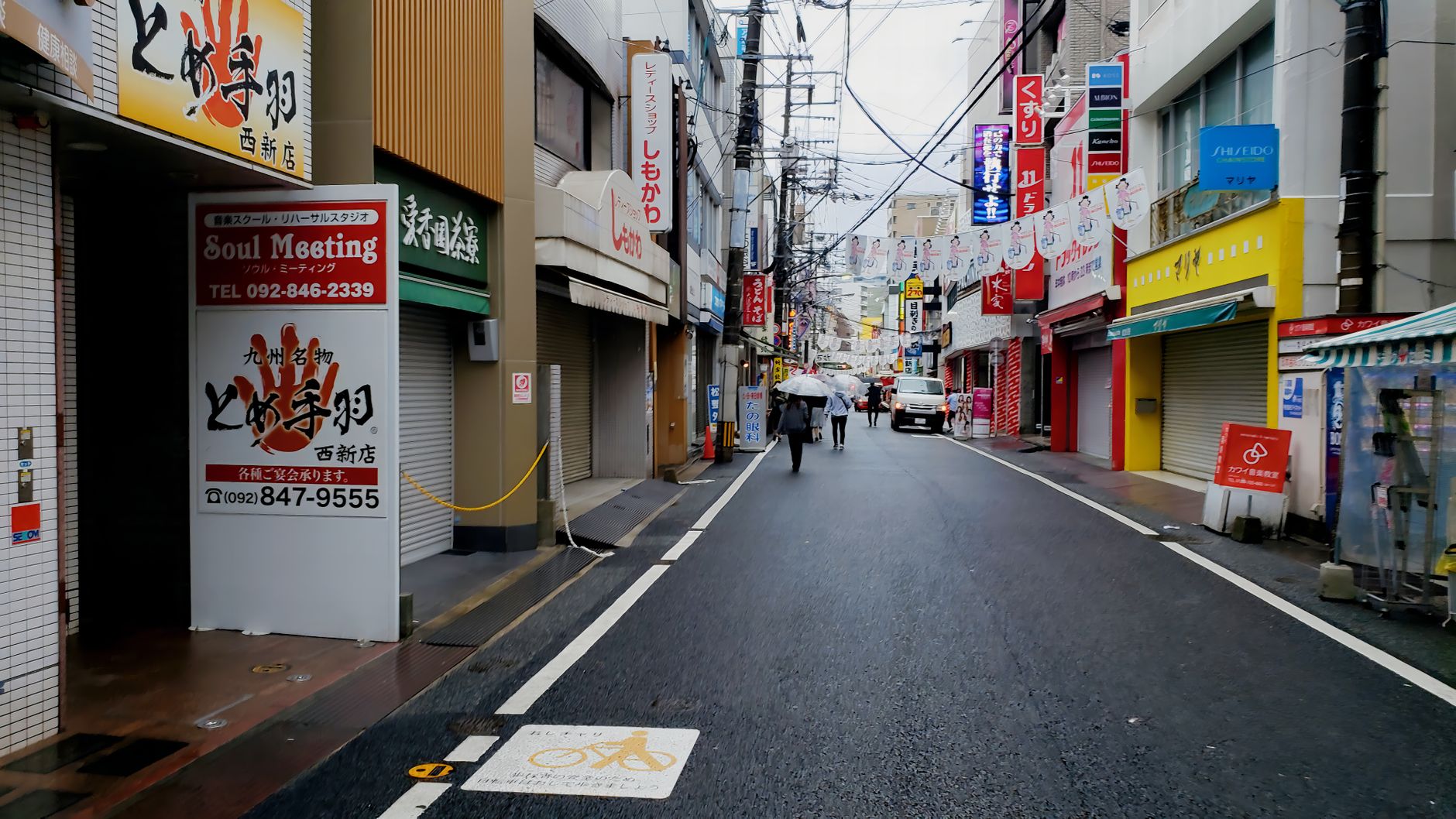
Sakai sits fifteen minutes south of Osaka by Nankai electric railway, an industrial port defined by hand-forged chef knives and the immense fifth-century Daisen Kofun burial mound. The city shaped Japan's tea ceremony under Sen no Rikyu and still turns out hand-hammered carbon steel blades for cooks worldwide. Sakai is worth visiting if you want to purchase a chef knife straight from the smith and explore traditional tea culture. Look elsewhere if you expect a compact pedestrian centre or vibrant late-night entertainment.
Last updated 27 Oct 2026
Build a Sakai itinerary.
Choose up to 4 threads that pull you in. Your plan arrives organised around them.
The Bed
Where to stay in Sakai
Which part of town to book, and what each one costs you in walking, noise or quiet.
The Comparison
Sakai, or somewhere near it
The places you are realistically choosing between, and the honest case for each.
The Local Record
Where to read more about Sakai
The blogs, boards, guides and operators worth bookmarking.
What to do in Sakai Osaka Japan
Sakai spreads flat across Osaka Bay, an industrious city of broad avenues, tram tracks, and centuries-old artisan quarters. Days revolve around cycling between ancient Mozu burial mounds, watching blacksmiths grind carbon steel blades, and sampling delicate wagashi. It suits serious home cooks, history buffs, and travellers who appreciate functional craft workshops over polished tourist corridors.
24 hours in Sakai Osaka Japan
Take the morning Nankai train to Mozu for the Daisen Kofun and park gardens. By noon, ride the Hankai tram to Kanbukuro for green bean kurumi mochi. Spend the afternoon testing kitchen knives at the Traditional Crafts Museum, finishing with a midnight bowl of clam miso soup at the fish market. Select 1 Day above to see it.
2 days in Sakai Osaka Japan
A second day opens up the northern merchant quarter. Tour the 1689 Yamaguchi Residence, sit for a quiet matcha bowl at the Sakai Plaza of Rikyu, and visit independent knife workshops in Nishikinochohigashi. End with grilled anago conger eel and seasonal sake near Sakaihigashi. Choose 2 Days to expand the plan.
3 days in Sakai Osaka Japan
With three days, head south to the Ishizu River to see traditional Chusen stencil fabric dyeing, then take the train inland to Kishiwada Castle. Spend a relaxed afternoon cycling the outer ring of the smaller Mozu tumuli without checking the train schedule every twenty minutes.
Sakai Osaka Japan itineraries by interest
Craft Traditions in Sakai Osaka Japan
Watch blacksmiths hammer carbon steel blades at Sakai City Traditional Crafts Museum or visit Jikko and Mizuno Tanrenjo for hand-engraved knives.
Ancient History in Sakai Osaka Japan
Circle the massive fifth-century Daisen Kofun burial mound by bicycle and view aerial artifacts inside the Sakai City Museum.
Tea Culture in Sakai Osaka Japan
Study Sen no Rikyu's wabi-cha philosophy at Sakai Plaza of Rikyu and Akiko and drink matcha with seasonal wagashi in a restored tea room.
Local Seafood in Sakai Osaka Japan
Queue at midnight for clam miso soup with shells dropped on the floor at Sakae Sushi in the Sakai Fish Market near the docks.
Sweets & Desserts in Sakai Osaka Japan
Taste kurumi mochi, a chewy rice dumpling smothered in sweet green soybean paste, at the historic Kanbukuro shop founded in 1329.
Sacred Architecture in Sakai Osaka Japan
Walk the cedar grounds of Myokokuji, home to an ancient sotetsu cycad tree and the site of the 1868 Sakai Incident.
Public Parks in Sakai Osaka Japan
Rent a city bicycle at Daisen Park to ride through Japanese gardens, cherry tree lanes, and quiet reflection ponds near the tombs.
Historic Houses in Sakai Osaka Japan
Tour the Yamaguchi Residence, a rare surviving 1689 Edo-period merchant townhouse showcasing traditional wood joinery and tatami rooms.
Cycling Routes in Sakai Osaka Japan
Pick up a rental bike from Sakaihigashi Station to navigate the flat coastal plain connecting the Mozu tombs and coastal knife workshops.
Street Food in Sakai Osaka Japan
Grab takoyaki along the Hankai Tramway line or sample grilled skewers and hot oden from evening stalls around Sakai Station.
Textiles & Dyeing in Sakai Osaka Japan
Discover Chusen cotton hand-dyeing techniques used for traditional tenugui towels and yukata fabric along the Ishizu River workshops.
Urban Transit in Sakai Osaka Japan
Ride the retro vintage cars of the Hankai Tramway, Osaka's last remaining tram network operating smoothly between Sakai and Tennoji.