

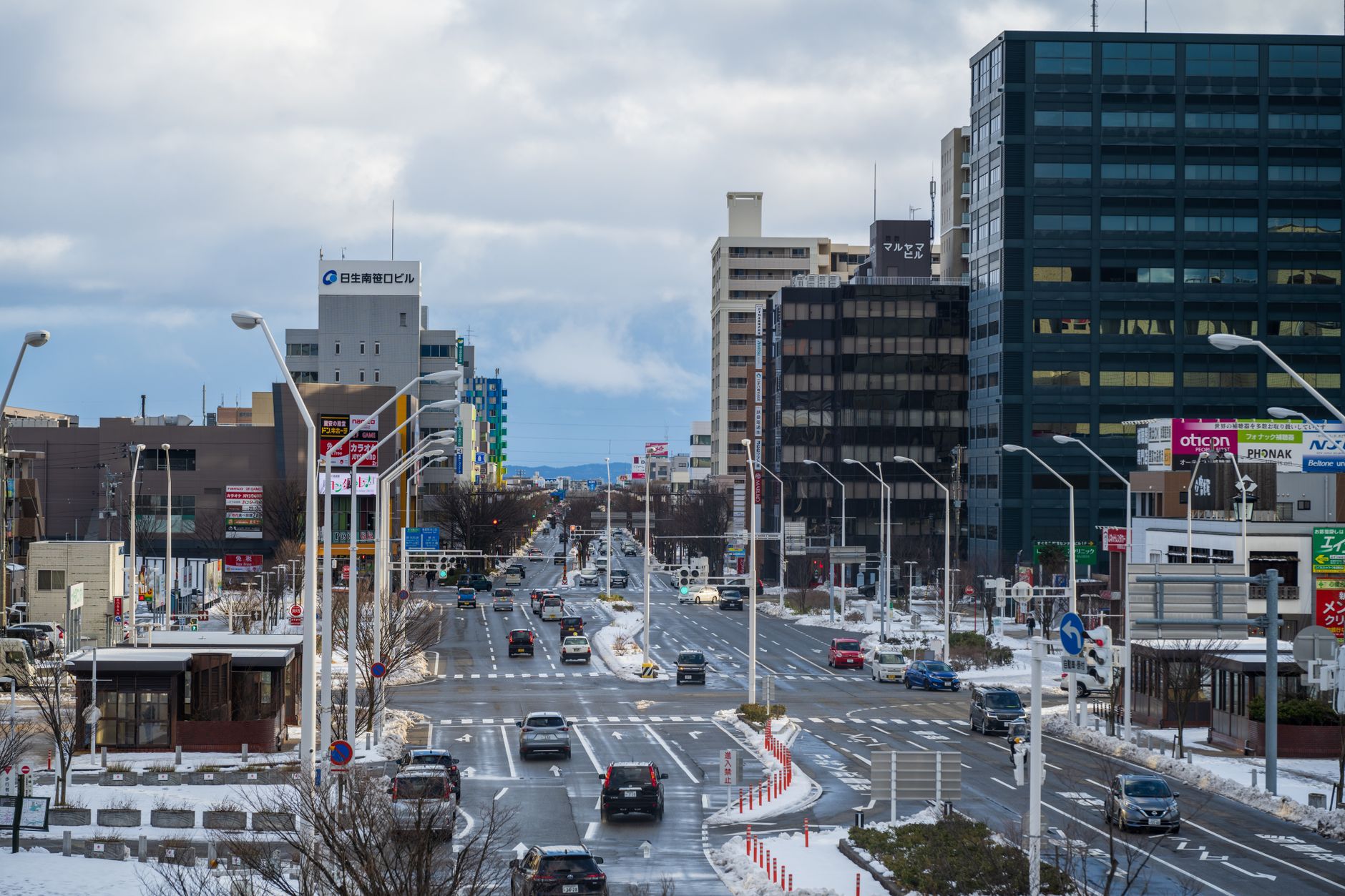


Sendai sits 300 kilometres north of Tokyo, reachable in 90 minutes on the Tohoku Shinkansen. It is Miyagi Prefecture’s capital, defined by broad tree-lined avenues, a deep-seated culture of charcoal-grilling beef tongue, and its sixteenth-century founding by samurai lord Date Masamune. The city center is flat, walkable, and mercifully unhurried compared to the capital. Sendai is worth visiting if you want to eat charcoal-grilled gyutan at narrow counter joints and explore northern Momoyama-era shrines. Look elsewhere if you want all-night nightlife districts, an intact castle keep, or dense clusters of preserved historic architecture.
Last updated 9 Sept 2026
Build a Sendai itinerary.
Choose up to 4 threads that pull you in. Your plan arrives organised around them.
The Bed
Where to stay in Sendai
Which part of town to book, and what each one costs you in walking, noise or quiet.
The Comparison
Sendai, or somewhere near it
The places you are realistically choosing between, and the honest case for each.
The Local Record
Where to read more about Sendai
The blogs, boards, guides and operators worth bookmarking.
What to do in Sendai Tōhoku Japan
Sendai is a spacious, green city built around the Hirose River, easily traversed on foot or via the Loople tourist bus. Days flow between early morning market stalls at Asaichi, afternoon walks beneath the zelkova trees along Jozenji-dori, and evenings in the dense tavern grid of Kokubuncho. It suits travellers who appreciate unhurried regional hubs with outstanding food, compact geography, and immediate access to coastlines and hot spring valleys.
24 hours in Sendai Tōhoku Japan
Start with sashimi and pickles at Sendai Asaichi morning market, then ride the Loople bus to the ornate Zuihoden mausoleum. Lunch on charcoal-grilled beef tongue at Umami Tasuke. Spend the afternoon browsing Sendai Mediatheque and Jozenji-dori before an evening of local Miyagi sake in the Kokubuncho alleys. Select 1 Day above to see it.
2 days in Sendai Tōhoku Japan
Day two takes you thirty minutes east by train to Matsushima Bay. Walk the wooden footbridges to Fukuurajima, eat freshly shucked grilled oysters along the shore, and tour Zuiganji temple. Return for dinner at Ryutei for chilled hiyashi chuka or an izakaya feast centered on Sanriku seafood. Choose 2 Days to expand the plan.
3 days in Sendai Tōhoku Japan
A third day allows an unhurried escape into the western hills. Take the forty-minute bus to Akiu Onsen to walk the Rairai Gorge and soak in mineral-rich outdoor baths. Stop at Nikka Whisky’s Miyagikyo Distillery in nearby Sakunami to taste single malts crafted with mountain river water.
Sendai Tōhoku Japan itineraries by interest
Local Specialty in Sendai Tōhoku Japan
Order charcoal-grilled gyutan (beef tongue) sliced thick at Umami Tasuke, paired with clear oxtail soup and barley rice.
Sacred Architecture in Sendai Tōhoku Japan
Admire the black-lacquered Momoyama woodwork and gold leaf at Zuihoden mausoleum and the 1607 Osaki Hachimangu shrine.
Morning Markets in Sendai Tōhoku Japan
Browse Sendai Asaichi alley for skewered grilled fish, fresh sea urchin, and salted salmon roe two minutes from the station.
Modern Architecture in Sendai Tōhoku Japan
Walk through Toyo Ito's Sendai Mediatheque on Jozenji-dori to see its tubular steel columns and open glass exhibition floors.
Castle Ruins in Sendai Tōhoku Japan
Climb Aoba Hill to Sendai Castle ruins for Date Masamune's bronze equestrian statue and broad panoramic views over the Hirose River.
Craft Traditions in Sendai Tōhoku Japan
Handle wooden Sendai Tansu cabinetry and lacquered kokeshi dolls turned on local lathes in the hill workshops around the city.
Coastal Day Trips in Sendai Tōhoku Japan
Take the Senseki Line thirty minutes to Matsushima Bay for pine-clad islets, grilled oysters, and Godaido temple over the water.
Thermal Springs in Sendai Tōhoku Japan
Catch a local bus out to Akiu Onsen or Sakunami to soak in riverside outdoor baths surrounded by dense cedar forest.
Nightlife & Izakaya in Sendai Tōhoku Japan
Bar-hop through Kokubuncho's alleyways for Sendai miso-glazed skewers and local Miyagi sake like Urakasumi poured to the brim.
Local Sweets in Sendai Tōhoku Japan
Try zundamochi, sweet crushed green edamame paste slathered over warm, chewy mochi rice cakes at century-old tea shops.
Regional Noodles in Sendai Tōhoku Japan
Order hiyashi chuka, the chilled ramen noodles tossed with cucumber, egg, and ham that Ryutei restaurant invented back in 1937.
Seafood & Shellfish in Sendai Tōhoku Japan
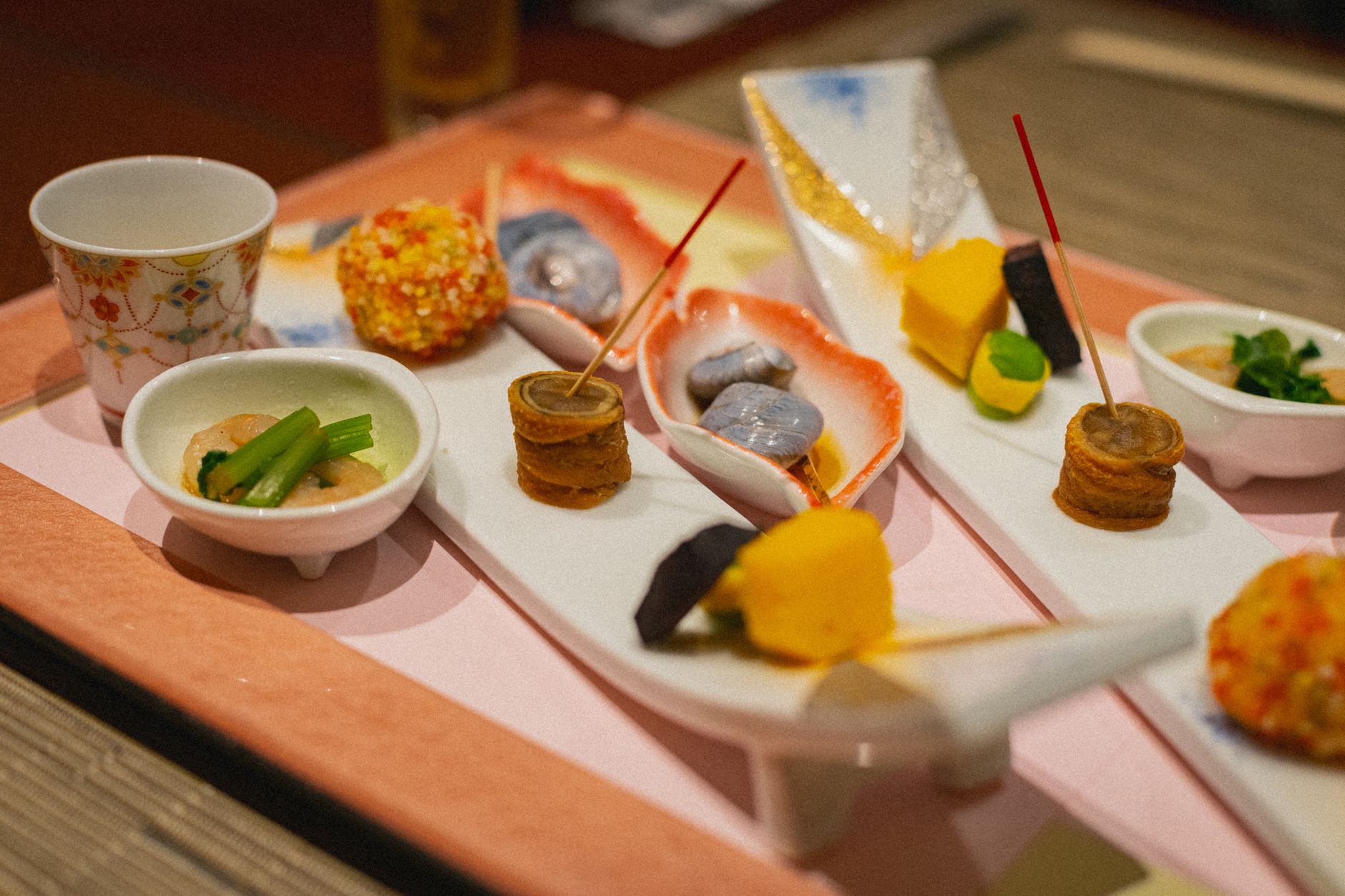
Eat raw Sanriku oysters, fatty skipjack tuna, and boiled seasonal sea squirt at fish stalls near the port and city izakayas.