.jpeg)
.jpg)
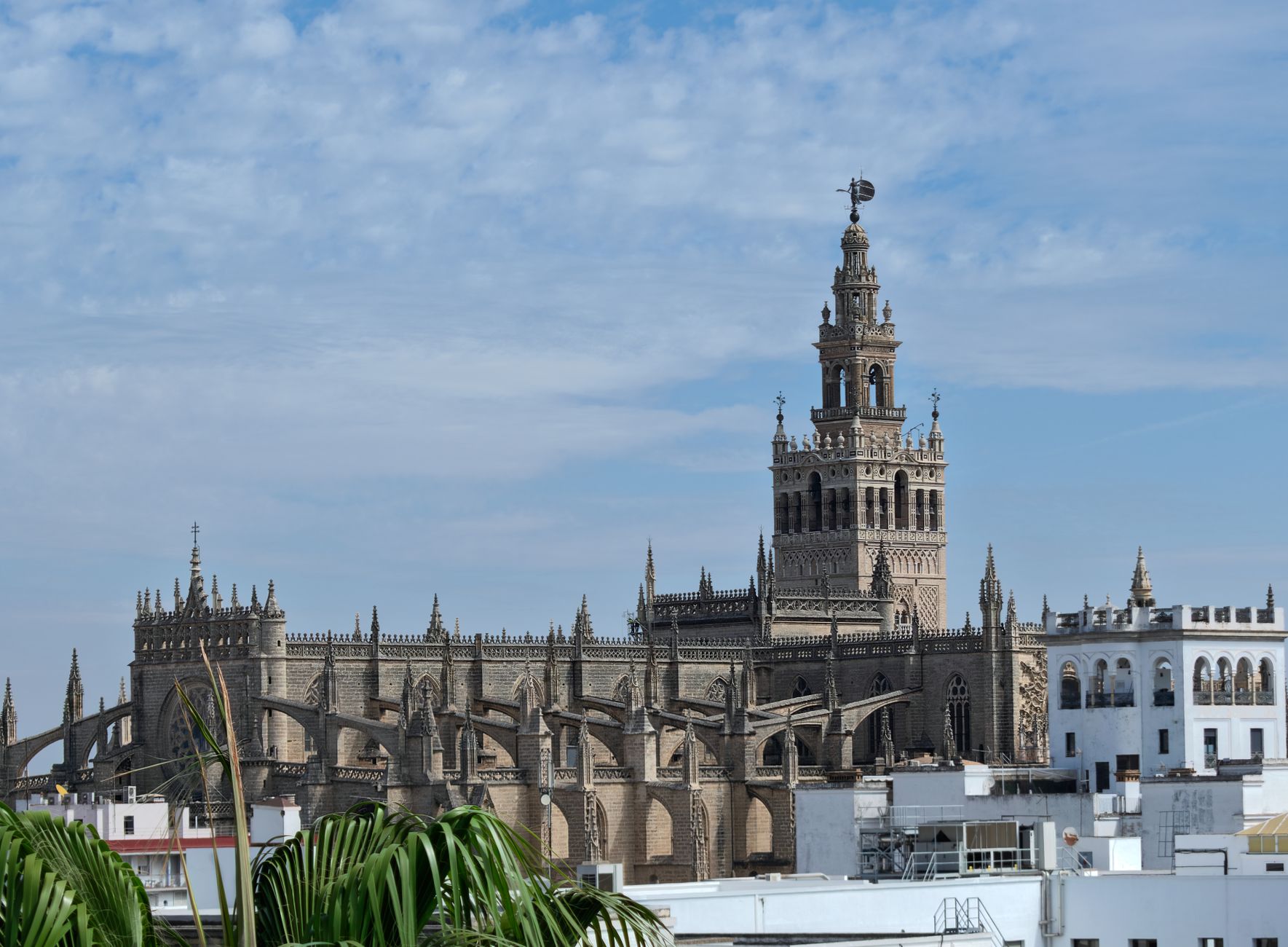
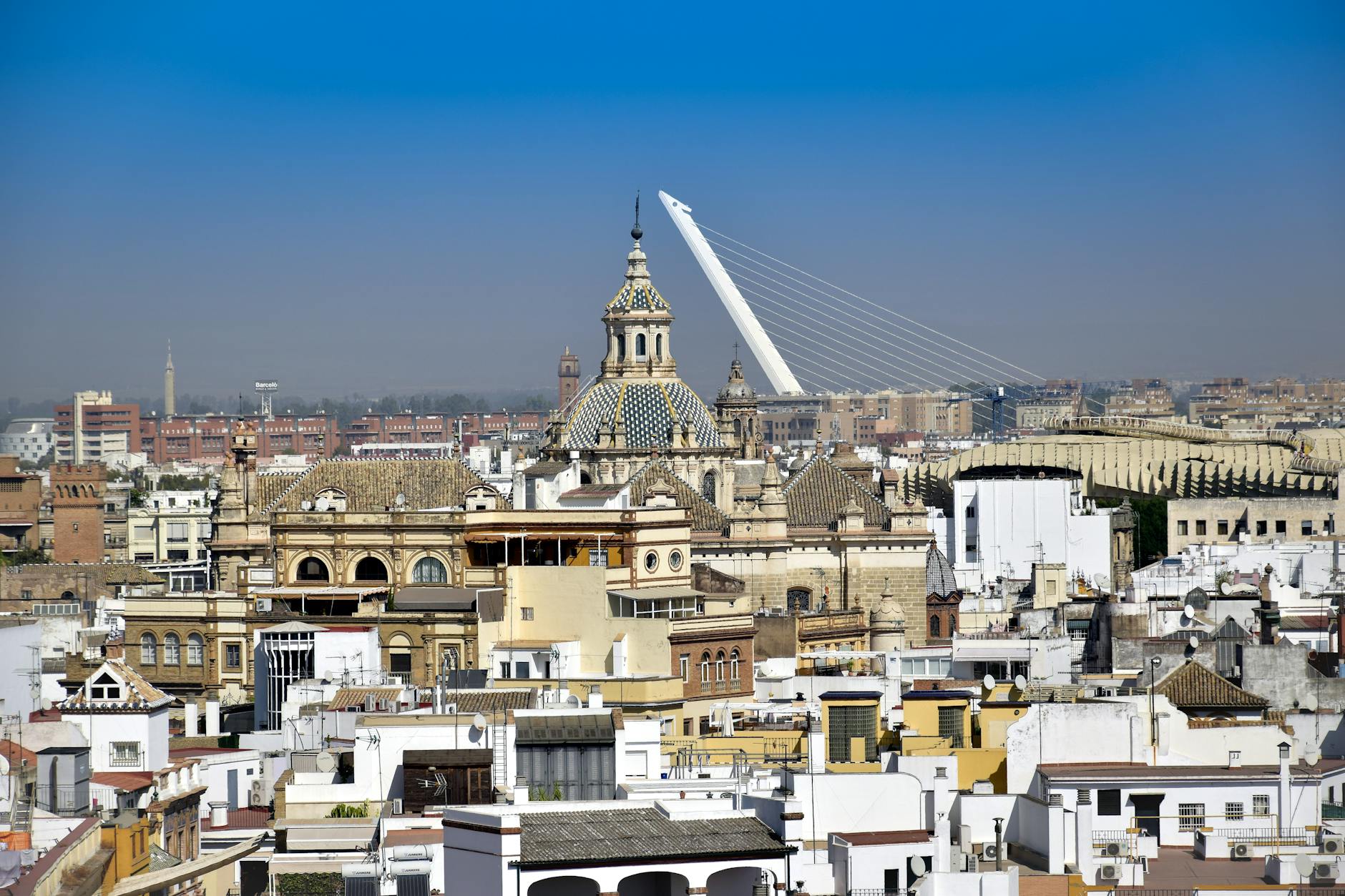
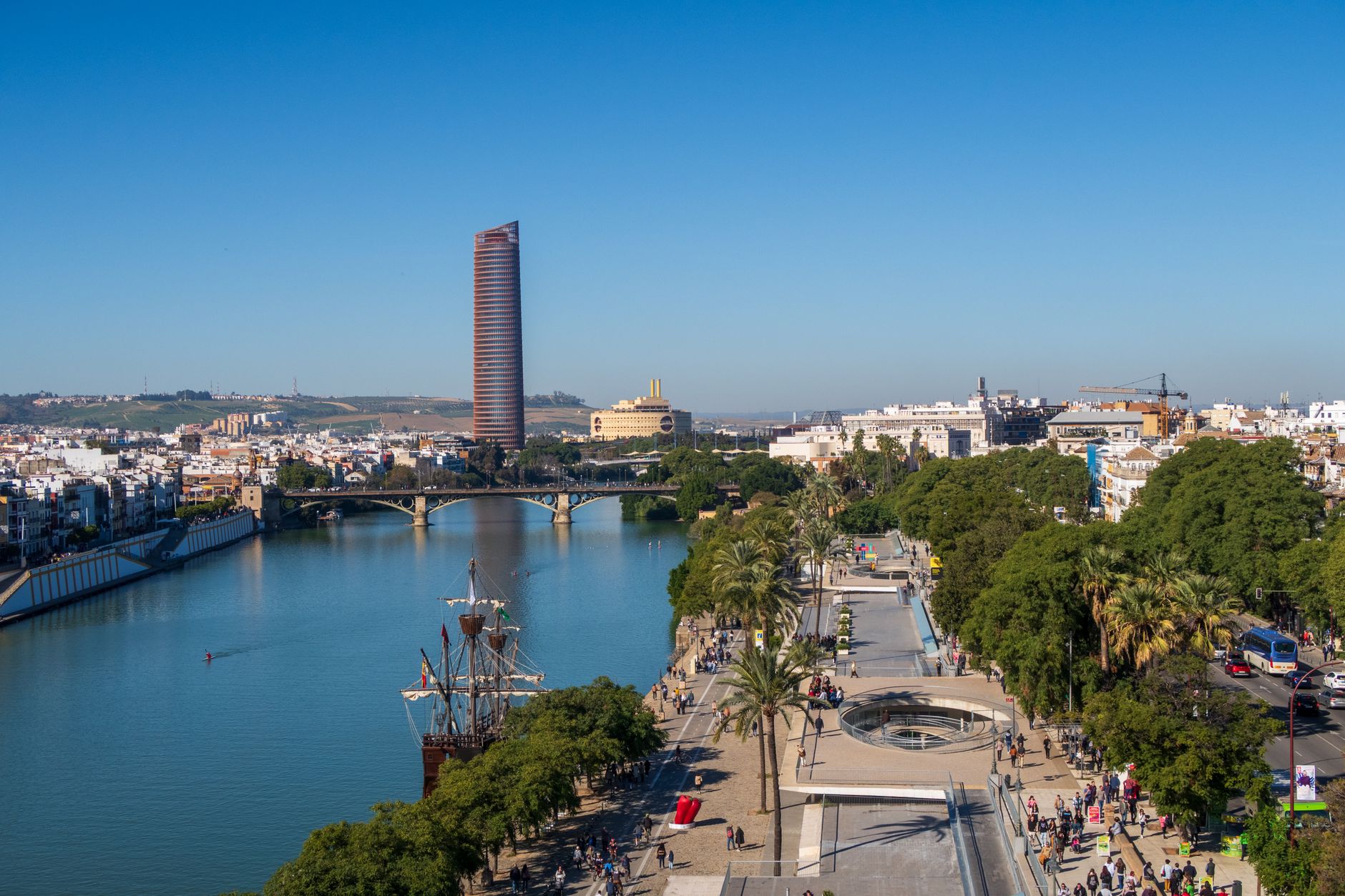
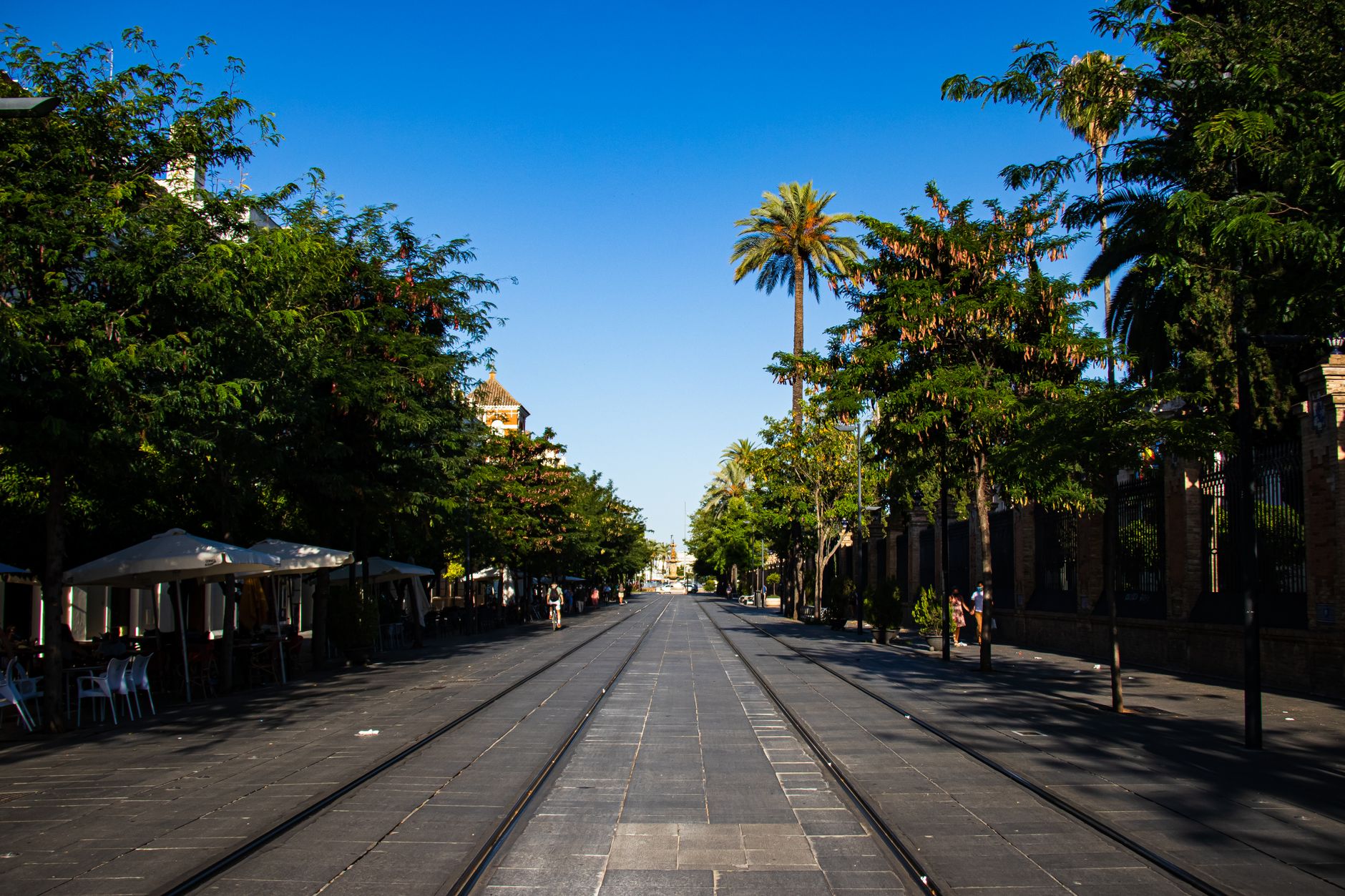
Sevilla sits two and a half hours south of Madrid by high-speed AVE train. The Andalusian capital is built around centuries of Mudéjar stone craft, Moorish palaces, and an evening bar culture that refuses to hurry. Sevilla is worth visiting if you want to hop between standing-only tapas counters and explore vast Islamic and Christian monuments on foot. Look elsewhere if you need cool summer afternoons, uncrowded streets, or an early dinner before nine.
Last updated 9 Oct 2026
Build a Sevilla itinerary.
Choose up to 4 threads that pull you in. Your plan arrives organised around them.
The Bed
Where to stay in Sevilla
Which part of town to book, and what each one costs you in walking, noise or quiet.
Places to stay
Central, well-rated and easy to find again. Distances are from the middle of town.
These links go to Booking.com and earn us a commission. They cost you nothing extra.
The Comparison
Sevilla, or somewhere near it
The places you are realistically choosing between, and the honest case for each.
The Local Record
Where to read more about Sevilla
The blogs, boards, guides and operators worth bookmarking.
What to do in Sevilla Andalusia Spain
Sevilla is an intensely walkable city that unfurls along the Guadalquivir river, where life shifts between sunlit plazas and shadowy alleys. The day follows a patient southern cadence: monument visits in the cooler morning, a long siesta through the afternoon heat, and energetic evening tapeo that spills onto pavements until midnight. It suits travellers who prefer exploring on foot and lingering over small plates.
24 hours in Sevilla Andalusia Spain
Book an early morning slot at the Real Alcázar before crossing the plaza to climb the Giralda. For lunch, grab a stool at Casa Morales for montaditos and valdepeñas wine. Spend late afternoon strolling the shady avenues of Parque de María Luisa, then cross the Isabel II bridge to Triana for fried cazón at an old riverfront freiduría. Select 1 Day above to see it.
2 days in Sevilla Andalusia Spain
A second day allows a deeper look into the northern quarters. Wander past the Roman columns at Alameda de Hércules, explore the ancient Macarena district, and browse the stalls at Mercado de Feria. Sit down for a slow lunch of braised carrillada and cold Cruzcampo, then visit the tiled courtyards and Mudéjar ceilings of the 15th-century Casa de Pilatos. Choose 2 Days to expand the plan.
3 days in Sevilla Andalusia Spain
Three days opens time for an easy 15-minute bus ride to the Roman amphitheatre mosaics at Italica in Santiponce. Back in town, slow your pace with an afternoon coffee on Plaza de los Venerables and an intimate, unamplified flamenco set at a local cultural peña after ten at night.
Sevilla Andalusia Spain itineraries by interest
Local Tapas in Sevilla Andalusia Spain
Order carrillada ibérica, espinacas con garbanzos, and solomillo al whisky at old counters like El Rinconcillo on Calle Gerona.
Palace Architecture in Sevilla Andalusia Spain
Tour the Real Alcázar to see 14th-century Pedro I plasterwork, ceramic tile courtyards, and the vaulted underground baths.
Sacred Architecture in Sevilla Andalusia Spain
Climb the Giralda ramp inside the colossal Gothic cathedral to view the orange tree patio and the tomb of Christopher Columbus.
Traditional Music in Sevilla Andalusia Spain
Catch unamplified cante jondo and guitar at peñas like Torres Macarena instead of booking staged commercial dinner shows.
Ceramics & Craft in Sevilla Andalusia Spain
Explore Triana along Calle San Jorge to see geometric glazed azulejo tiles crafted in local kilns since Roman times.
Markets & Produce in Sevilla Andalusia Spain
Browse Mercado de Feria and Mercado de Triana for cured jamón ibérico de bellota, fried puntillitas, and fresh green olives.
Neighbourhood Walks in Sevilla Andalusia Spain
Weave through the narrow lanes, wrought-iron gates, and lime-washed walls of Barrio Santa Cruz and the bohemian Alameda de Hércules.
Fortified History in Sevilla Andalusia Spain
Walk the 13th-century Almohad riverside Torre del Oro and trace the remaining Moorish city walls standing in Macarena.
Fortified Wine in Sevilla Andalusia Spain
Sip bone-dry manzanilla from Sanlúcar and nutty oloroso poured straight from wooden casks in dusty, atmospheric tabernas.
Urban Parks in Sevilla Andalusia Spain
Walk shaded paths under palms in Parque de María Luisa toward the ceramic bridges and pavilions of the 1929 Plaza de España.
Fried Fish in Sevilla Andalusia Spain
Pick up greaseproof paper cones of adobo-marinated cazón, chocos, and boquerones straight from the fryers at Freiduría La Isla.
Day Trips in Sevilla Andalusia Spain
Ride the train forty minutes to Córdoba for the Mezquita, or take a regional bus to the Roman ruins of Italica in Santiponce.