

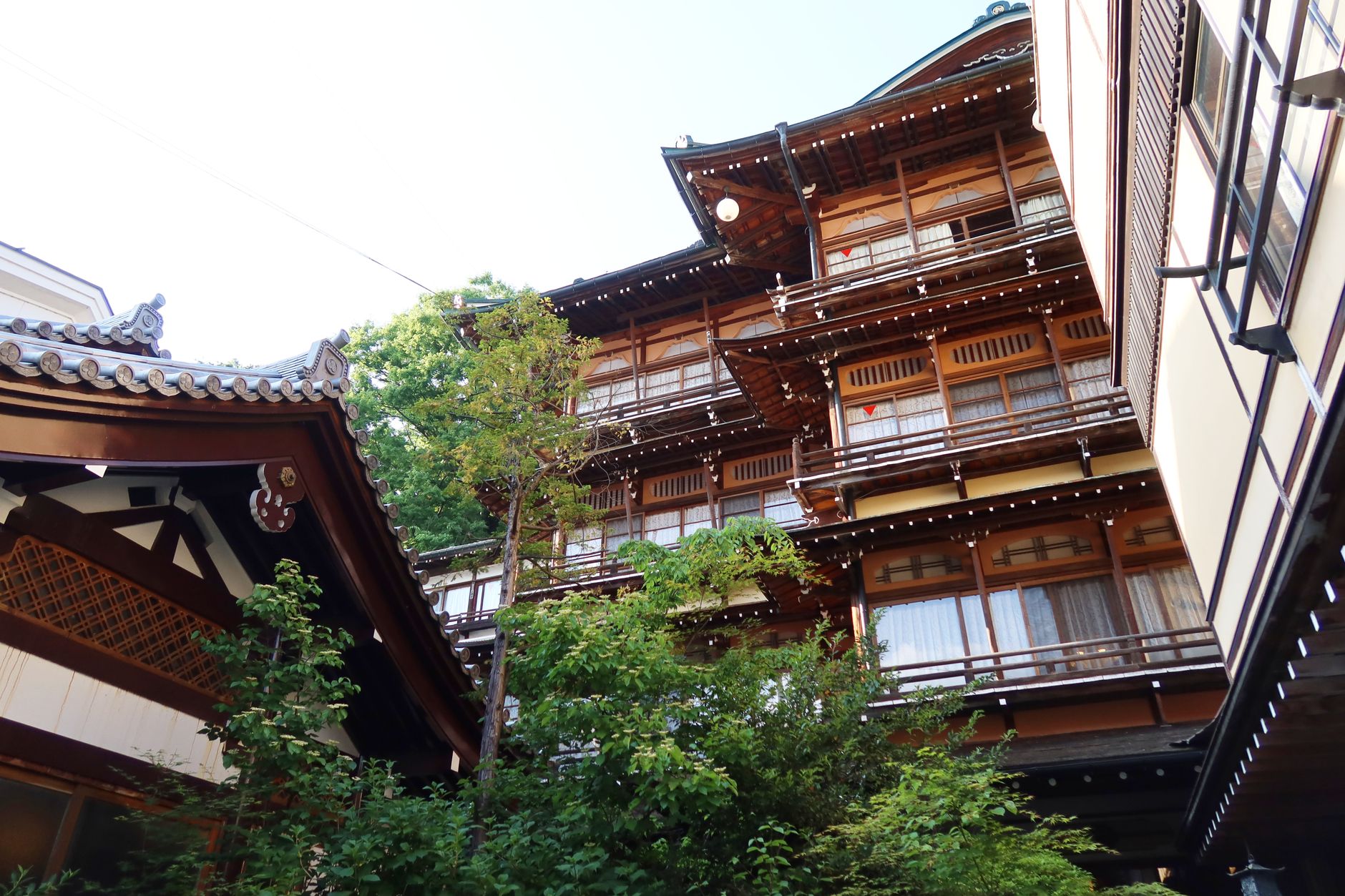
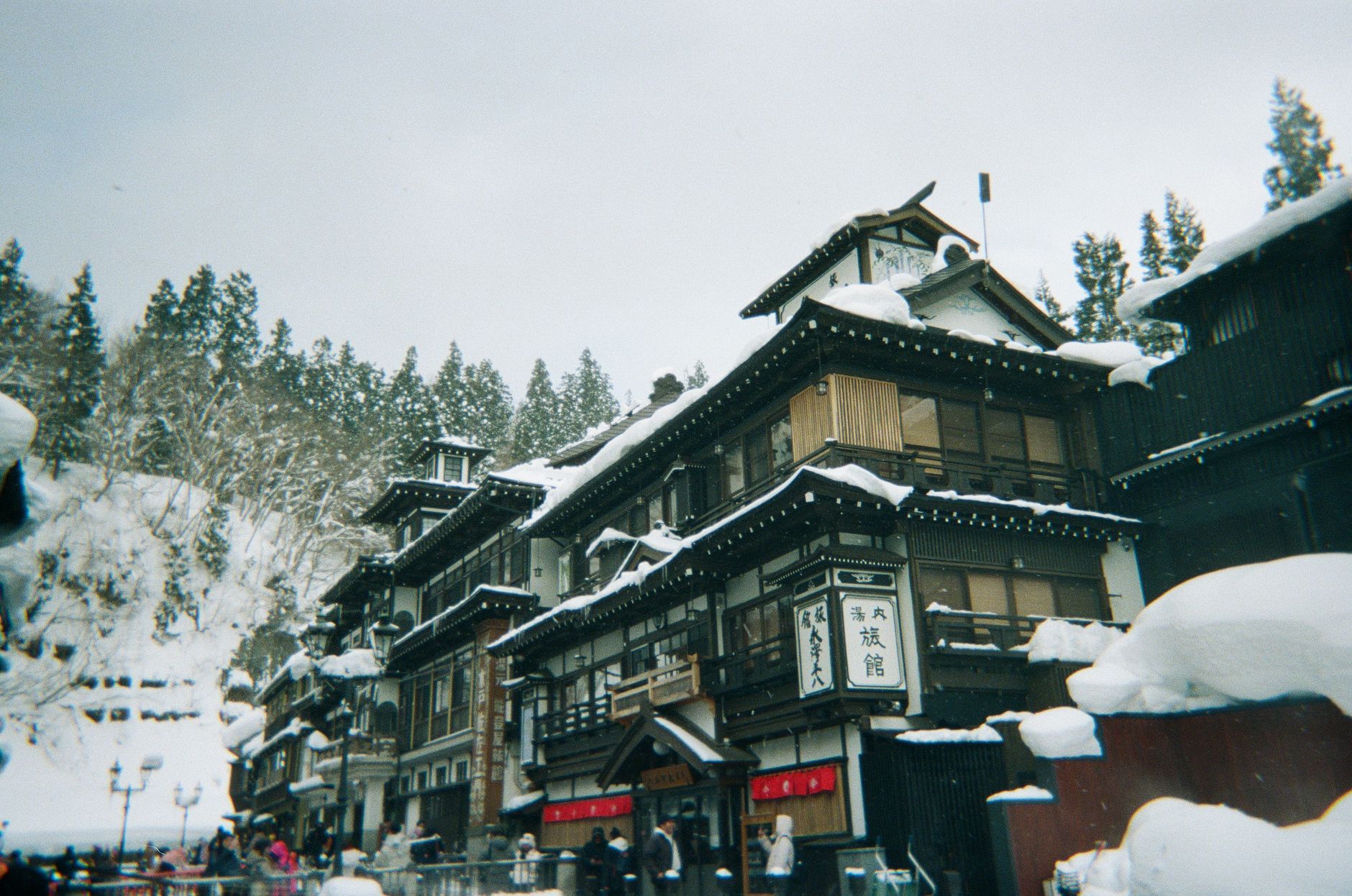

Shibu Onsen sits fifty minutes northeast of Nagano City via the Nagano Electric Railway to Yudanaka, followed by a short bus ride. The village is known for its stone-paved central lane lined with multi-storey timber ryokan and nine communal mineral bathhouses. Shibu Onsen is worth visiting if you want to wear yukata between public baths, soak in varying mineral waters, and sleep in century-old wooden inns. Look elsewhere if you need late-night bars, western hotel chains, or extensive indoor museums on rainy days.
Last updated 3 Nov 2026
Build a Shibu Onsen itinerary.
Choose up to 4 threads that pull you in. Your plan arrives organised around them.
The Bed
Where to stay in Shibu Onsen
Which part of town to book, and what each one costs you in walking, noise or quiet.
The Comparison
Shibu Onsen, or somewhere near it
The places you are realistically choosing between, and the honest case for each.
The Local Record
Where to read more about Shibu Onsen
The blogs, boards, guides and operators worth bookmarking.
What to do in Shibu Onsen Nagano Japan
The rhythm of Shibu Onsen belongs to the cobblestones. Guests pad along the narrow lane in cotton robes and geta sandals, master key in hand, opening the wooden doors of nine distinct hot-spring houses fed by separate volcanic sources. The river rushes below, steam rises from curbside drainage grates, and evening brings quiet soba dinners in tatami rooms. It suits unhurried walkers who value traditional Japanese innkeeping over resort polish.
24 hours in Shibu Onsen Nagano Japan
Arrive at noon, drop bags at your ryokan, and head to Tamagawa for a bowl of duck soba. Spend the afternoon working through the first five bathhouses along the lane. After an elaborate kaiseki dinner of local beef and river fish, finish the circuit at the cedar-panelled O-yu bathhouse before turning in. Select 1 Day above to see it.
2 days in Shibu Onsen Nagano Japan
A second day allows a morning walk up the river trail to Jigokudani Monkey Park before the tour buses arrive. Head down to neighbouring Yudanaka for a lunch of handmade oyaki, then spend the afternoon wandering the quiet grounds of Shibuyu Shrine and soaking in the iron-rich waters of Hatsu-yu. Choose 2 Days to expand the plan.
3 days in Shibu Onsen Nagano Japan
With three days, catch the morning bus into the highlands of Shiga Kogen for a circuit around Lake Onuma and the birch forests. Return to Shibu for a dinner of salt-grilled char, local Shinshu sake, and a final unhurried soak under the wooden eaves of Kanaguya.
Shibu Onsen Nagano Japan itineraries by interest
Public Baths in Shibu Onsen Nagano Japan
Clack down the lane in geta to unlock the nine soto-yu baths, from the iron-heavy Hatsu-yu to the steamy wood basin of O-yu.
Historic Architecture in Shibu Onsen Nagano Japan
Inspect Kanaguya, a four-storey wooden ryokan built in the 1930s with cedar beams, delicate plasterwork, and maze-like hallways.
Local Noodles in Shibu Onsen Nagano Japan
Order cold Shinshu soba made with local buckwheat flour, served alongside wild mountain vegetables like fuki and crispy taro.
Wildlife Watching in Shibu Onsen Nagano Japan
Walk thirty minutes up the forest path to Jigokudani to watch Japanese macaques groom and soak in the natural outdoor spring.
Street Snacks in Shibu Onsen Nagano Japan
Buy steamed onsen manju sweet red bean buns fresh from the bamboo steamers at soba shops and small bakeries along the main lane.
Temple Architecture in Shibu Onsen Nagano Japan
Climb the stone steps behind the village to Onsen-ji, a quiet hillside temple holding an ancient Yakushi Nyorai healing Buddha.
Regional Produce in Shibu Onsen Nagano Japan
Sample crisp Shinshu apples, pickled nozawana greens, and roasted oyaki dumplings stuffed with miso and wild mountain leeks.
Sake & Fermentation in Shibu Onsen Nagano Japan
Try dry, cold-climate junmai sake from northern Nagano breweries paired with river trout salted and grilled over charcoal.
Mountain Hiking in Shibu Onsen Nagano Japan
Take the trail past the Yokoyu River gorge up toward Shiga Kogen for highland birch forests and quiet subalpine crater lakes.
Traditional Inns in Shibu Onsen Nagano Japan
Book a tatami room at an Edo-era inn, sleep on thick futons, and dine on multi-course kaiseki featuring Shinshu beef on hot stone.
Craft Traditions in Shibu Onsen Nagano Japan
Collect ink stamps on your cotton tenugui cloth at all nine bathhouses, an old pilgrimage ritual that brings good fortune.
Alpine Excursions in Shibu Onsen Nagano Japan
Ride the local bus up to Shiga Kogen to walk through wetlands in summer or access high volcanic viewpoints near Mount Kusatsu-Shirane.