


Shirahone Onsen sits two hours west of Matsumoto by local train and bus, tucked along the forested ravine of the Northern Alps. It is known for calcium-rich, milky-white thermal waters that shift in tone with the weather, and a handful of historic ryokan serving mountain vegetables and hot-spring rice porridge. Shirahone Onsen is worth visiting if you want communal mineral soaking and multi-course kaiseki meals away from traffic. Look elsewhere if you want convenience stores, evening bars, or sights beyond the bath.
Last updated 8 Nov 2026
Build a Shirahone Onsen itinerary.
Choose up to 4 threads that pull you in. Your plan arrives organised around them.
The Bed
Where to stay in Shirahone Onsen
Which part of town to book, and what each one costs you in walking, noise or quiet.
The Comparison
Shirahone Onsen, or somewhere near it
The places you are realistically choosing between, and the honest case for each.
The Local Record
Where to read more about Shirahone Onsen
The blogs, boards, guides and operators worth bookmarking.
What to do in Shirahone Onsen Nagano Japan
Life here follows the steam rising off the river gorge. Shirahone is not a town of shops or sightseeing trails, but a quiet cluster of inns clinging to the valley walls above the Shibukawa. The day is structured entirely around soaking in opaque, mineral-heavy pools, changing into cotton yukata, and sitting down to seasonal mountain dinners. It suits independent travellers who value quiet, hot water, and honest regional cooking over an itinerary.
24 hours in Shirahone Onsen Nagano Japan
Arrive by noon on the bus from Shin-Shimashima. Soak first in the milky mixed-gender outdoor pool at Awanoyu, take a quiet walk along the river gorge, and check into your inn by four. Dinner is an unhurried parade of grilled char and simmered wild bracken, followed by an evening bath beneath the birch trees. Select 1 Day above to see it.
2 days in Shirahone Onsen Nagano Japan
A second day lets you catch the morning bus up to Norikura Kogen for a plate of hand-cut Shinshu buckwheat noodles and a hike around Zengoro Falls. Return to Shirahone in the afternoon for a long, quiet soak and an evening of local sake paired with Shinshu beef grilled over hoba leaves. Choose 2 Days to expand the plan.
3 days in Shirahone Onsen Nagano Japan
Three days gives you time for an early excursion into the Kamikochi valley, walking the flat gravel paths along the clear Azusa River before tour crowds arrive from Matsumoto. Head back up the mountain by mid-afternoon to rest your legs in the alkaline baths and read beside the valley fog.
Shirahone Onsen Nagano Japan itineraries by interest
Thermal Baths in Shirahone Onsen Nagano Japan
Soak in chalky, sulfurous spring water at Awanoyu or the public rotemburo, where calcium deposits turn wooden tubs pale white.
Mountain Cuisine in Shirahone Onsen Nagano Japan
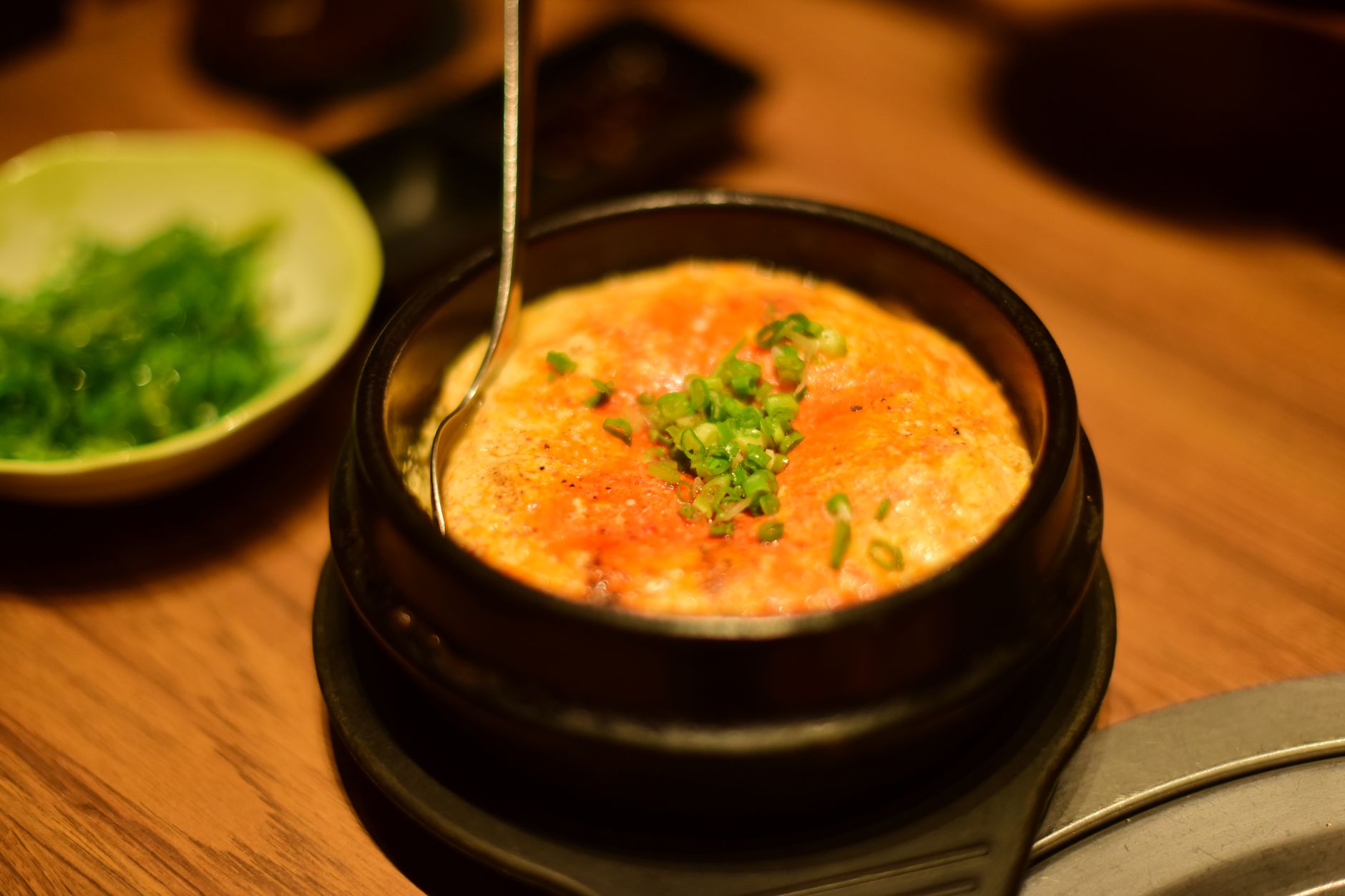
Eat sansai wild greens, grilled river char salted on skewers, and onsen-gayu rice porridge simmered in alkaline mineral spring water.
Forest Trails in Shirahone Onsen Nagano Japan
Walk the shaded paths along Yu River gorge and hike the gentle forest track connecting Shirahone with the Norikura Kogen plateau.
Traditional Ryokan in Shirahone Onsen Nagano Japan
Stay in century-old timber inns like Tsuruya or Katsurano Sato, sleeping on tatami mats with cedar bathhouse access included.
Autumn Foliage in Shirahone Onsen Nagano Japan
Watch beech and larch canopies turn ochre along the valley slopes from late October through early November right from your bath.
Alpine Landscapes in Shirahone Onsen Nagano Japan
Gaze at the rugged limestone cliffs and birch-lined gorges of the Chubu-Sangaku National Park rising straight from the riverbank.
Day Trips in Shirahone Onsen Nagano Japan
Take the 40-minute bus ride to Kamikochi valley for level alpine strolls between Taisho Pond and the wooden Kappa Bridge.
Winter Scenery in Shirahone Onsen Nagano Japan
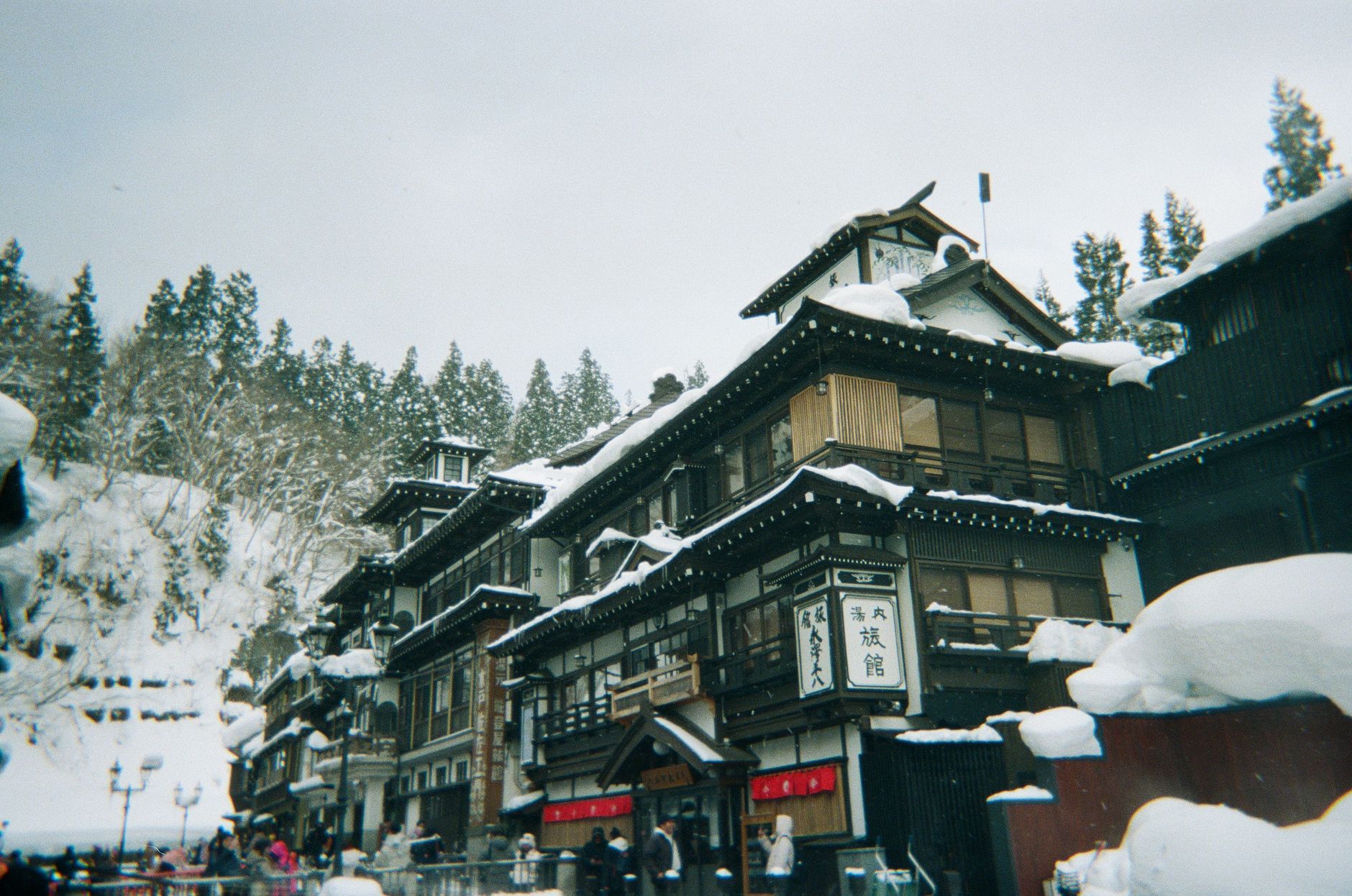
Visit from December to March when deep mountain snow cushions the cedar eaves and steam billows thick over outdoor thermal pools.
Local Agriculture in Shirahone Onsen Nagano Japan
Taste Shinshu soba made from local buckwheat flour, crisp Nagano apples, and fermented wasabi pickles produced in Azumino downstream.
Architecture in Shirahone Onsen Nagano Japan
Examine heavy post-and-beam carpenter joinery, slate roofs, and natural river stone masonry designed to withstand heavy alpine snow loads.
River Walks in Shirahone Onsen Nagano Japan
Follow the sound of the rushing Shibukawa stream past mossy stone retaining walls and mineral-streaked rock shelves below the inns.
Stargazing in Shirahone Onsen Nagano Japan
Step outside after dinner into near-total alpine darkness, where high elevation and zero streetlamps make constellations exceptionally sharp.