


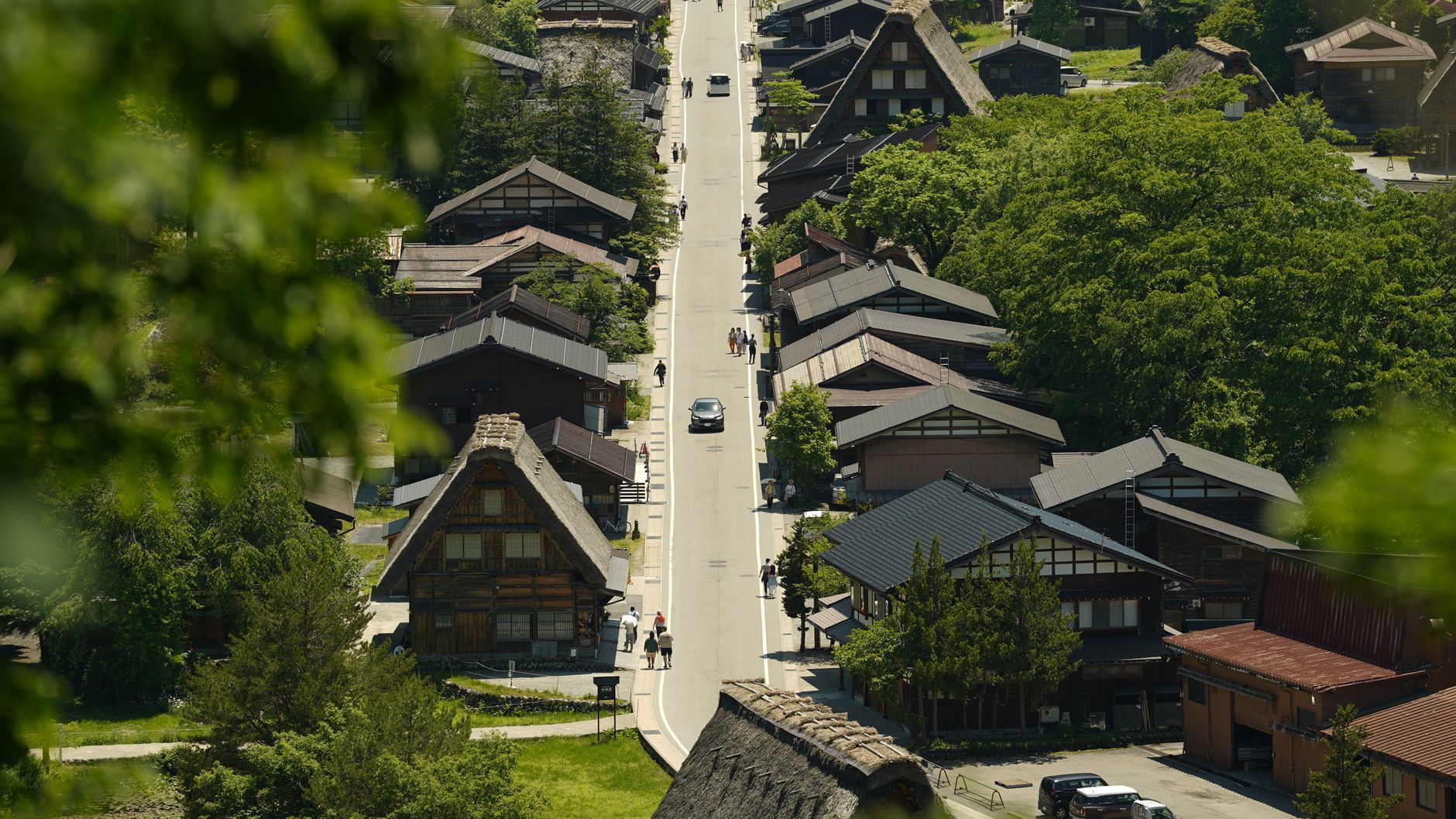
Shirakawa-gō sits in the Sho River valley, fifty minutes by express bus from Takayama or seventy-five from Kanazawa. The village is known for steep-pitched gassho-zukuri farmhouses built to endure mountain snows and support attic silk production. Shirakawa-gō is worth visiting if you want to inspect timber-framed alpine farmhouses and sleep on tatami in a preserved mountain hamlet. Look elsewhere if you seek late-night bars, modern hotels, or extensive indoor entertainment for rainy afternoons.
Last updated 21 Nov 2026
Build a Shirakawa-gō itinerary.
Choose up to 4 threads that pull you in. Your plan arrives organised around them.
The Bed
Where to stay in Shirakawa-gō
Which part of town to book, and what each one costs you in walking, noise or quiet.
The Comparison
Shirakawa-gō, or somewhere near it
The places you are realistically choosing between, and the honest case for each.
The Local Record
Where to read more about Shirakawa-gō
The blogs, boards, guides and operators worth bookmarking.
What to do in Shirakawa-gō Gifu Japan
Ogimachi, the main settlement of Shirakawa-gō, is a compact valley floor community laid out along the Sho River. Daily life revolves around the rhythm of day visitors arriving by morning bus and departing by late afternoon, leaving the gravel lanes quiet for evening walkers. It suits travellers who appreciate agrarian history, hand-hewn joinery, and the quiet ritual of an overnight stay in an unvarnished rural setting.
24 hours in Shirakawa-gō Gifu Japan
Arrive by nine to tour Wada House before tour buses pack the gravel. Grab a lunch of skewered iwana trout and miso soba along the main street, walk up to the old castle lookout, and settle into a thatched minshuku for an irori dinner before night falls. Select 1 Day above to see it.
2 days in Shirakawa-gō Gifu Japan
A second day lets you catch the early local bus to the quieter hamlet of Ainokura across the prefectural border in Toyama. Spend the afternoon learning washi papermaking by hand, then return to Ogimachi for a hot soak at Shirakawa-go no Yu and a bowl of local soba. Choose 2 Days to expand the plan.
3 days in Shirakawa-gō Gifu Japan
With three days, rent a car to drive the Hakusan Shirakawa-go White Road toward Ishikawa, stopping at Fukube Falls. Combine the mountain passes with a morning market visit in Hida-Furukawa or Takayama, sampling vintage sake and grilled beef skewers without rush.
Shirakawa-gō Gifu Japan itineraries by interest
Vernacular Architecture in Shirakawa-gō Gifu Japan
Tour Wada House and Nagase House to see multi-tier cedar framing, bound with rope instead of iron nails, engineered under thick thatch.
Regional Cooking in Shirakawa-gō Gifu Japan
Taste Hida beef simmered with wild mountain sansai on dried magnolia leaves over a clay burner, or char-grilled iwana river trout.
Mountain Walks in Shirakawa-gō Gifu Japan
Climb the walking trail past the rice paddies up to the Shiroyama Viewpoint for a clear view over the triangular roofs of Ogimachi.
Sacred Architecture in Shirakawa-gō Gifu Japan
Inspect Myozen-ji, a five-storey temple with a thatched bell tower gate and cedar-screened worship hall dating from the late Edo period.
Rural Heritage in Shirakawa-gō Gifu Japan
Visit the open-air Gassho-zukuri Minkaen to see relocated farmsteads, watermills, and tool sheds illustrating old mountain survival.
Local Agriculture in Shirakawa-gō Gifu Japan
Walk along the irrigation channels running between family rice fields and vegetable plots where locals still plant soba and turnip greens.
Day Trips in Shirakawa-gō Gifu Japan
Board the regional bus north into Toyama to explore the smaller, quieter thatched hamlets of Suganuma and Ainokura in the Gokayama valley.
Craft Traditions in Shirakawa-gō Gifu Japan
Watch craftsmen replace smoked cedar shingles and handle wild hemp cords, or visit Gokayama workshops making mulberry-bark washi paper.
Street Food in Shirakawa-gō Gifu Japan
Pick up skewers of skewered gohei mochi brushed with walnut miso, hot Hida beef croquettes, and cups of sweet warm sake from wooden kiosks.
Traditional Inns in Shirakawa-gō Gifu Japan
Reserve a night at a family-run minshuku like Nodaniya to eat home-cooked mountain dinners around a sunken irori hearth and sleep on futons.
Hot Springs in Shirakawa-gō Gifu Japan
Soak in mineral-rich outdoor baths at Shirakawa-go no Yu after walking the village paths, with views over the rocky banks of the Sho River.
Scenic Drives in Shirakawa-gō Gifu Japan
Navigate the winding Hakusan Shirakawa-go White Road in summer for views of plunging alpine waterfalls and beech forests near Mount Hakusan.