.jpeg)

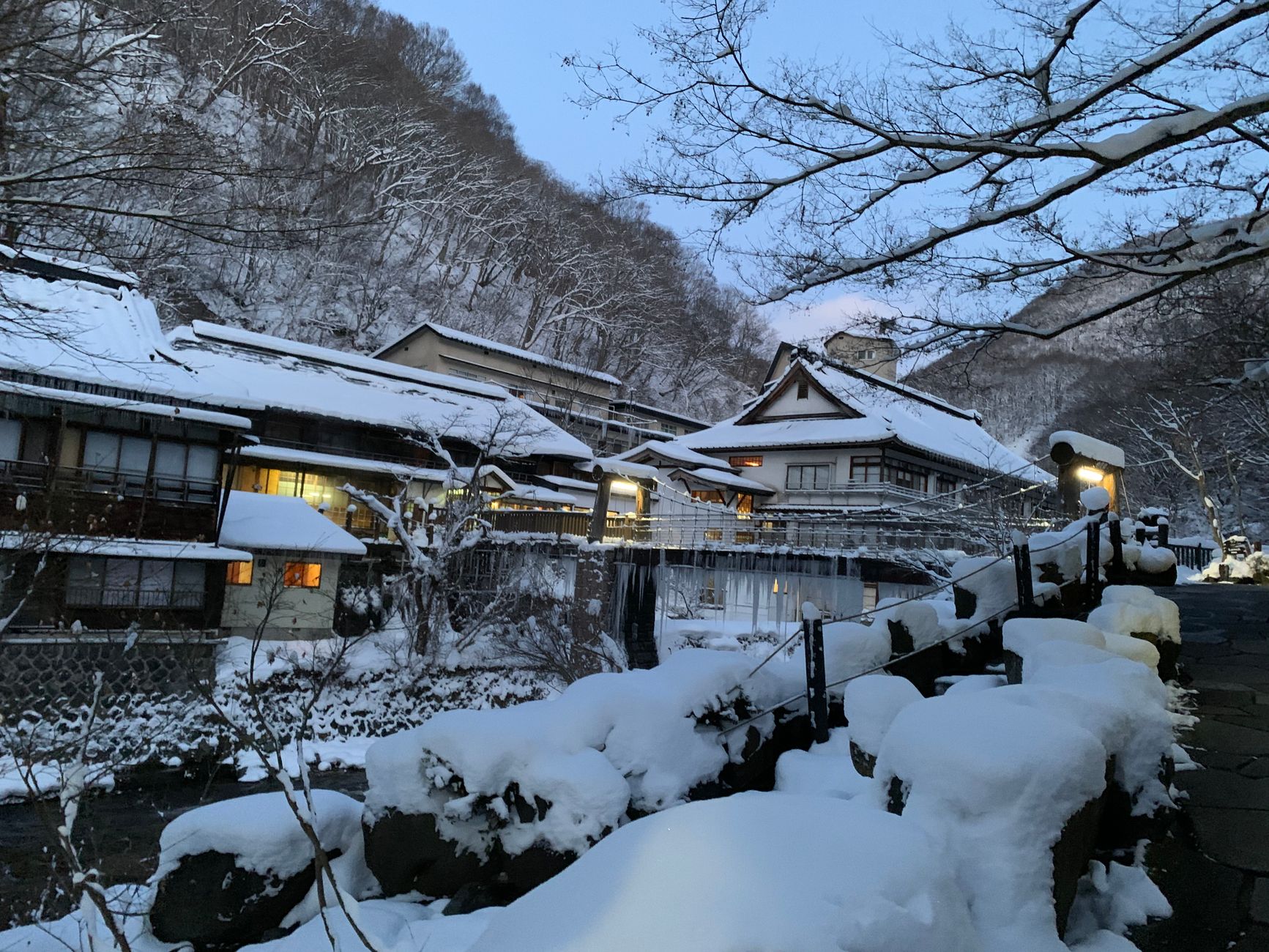
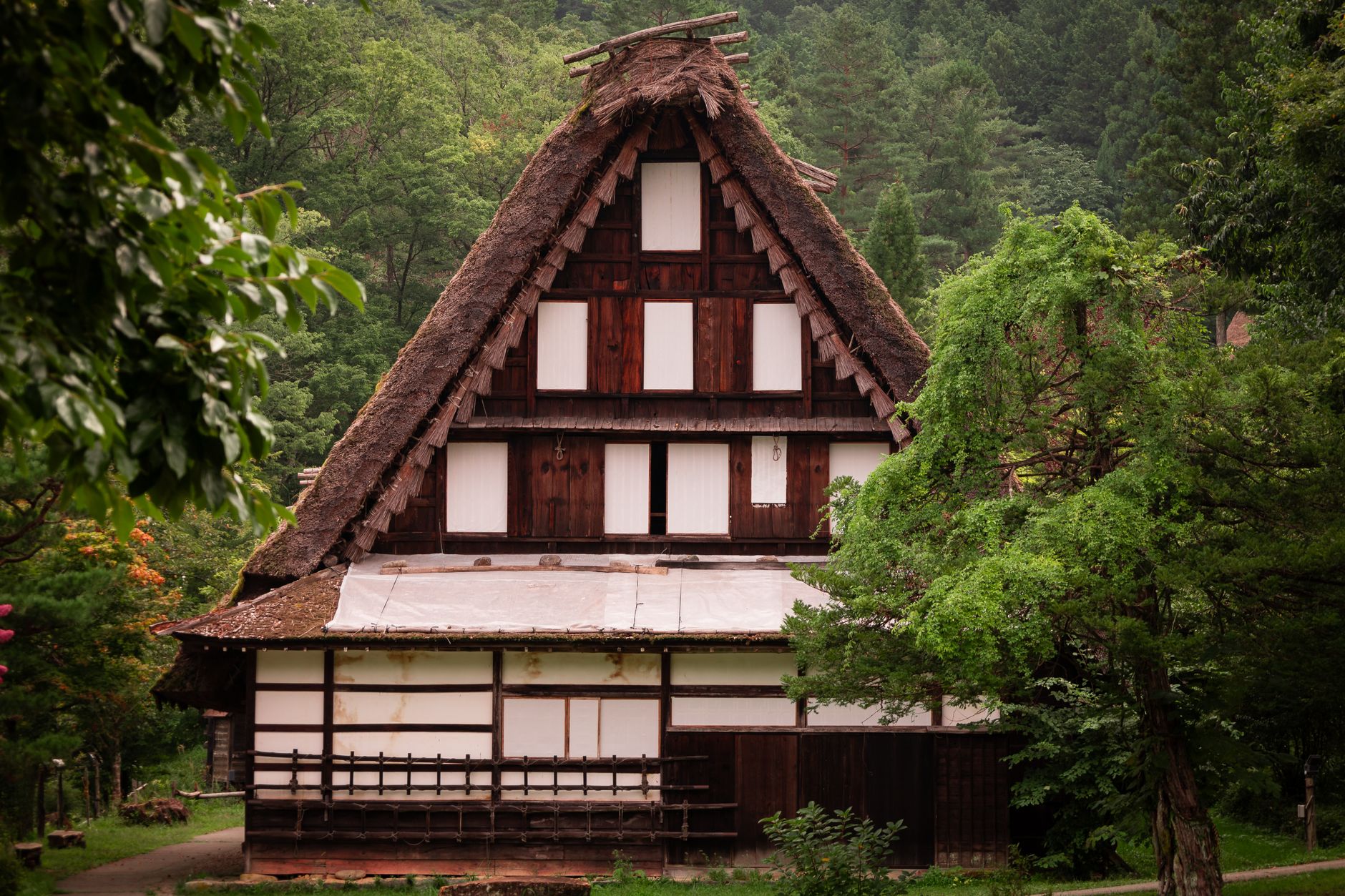
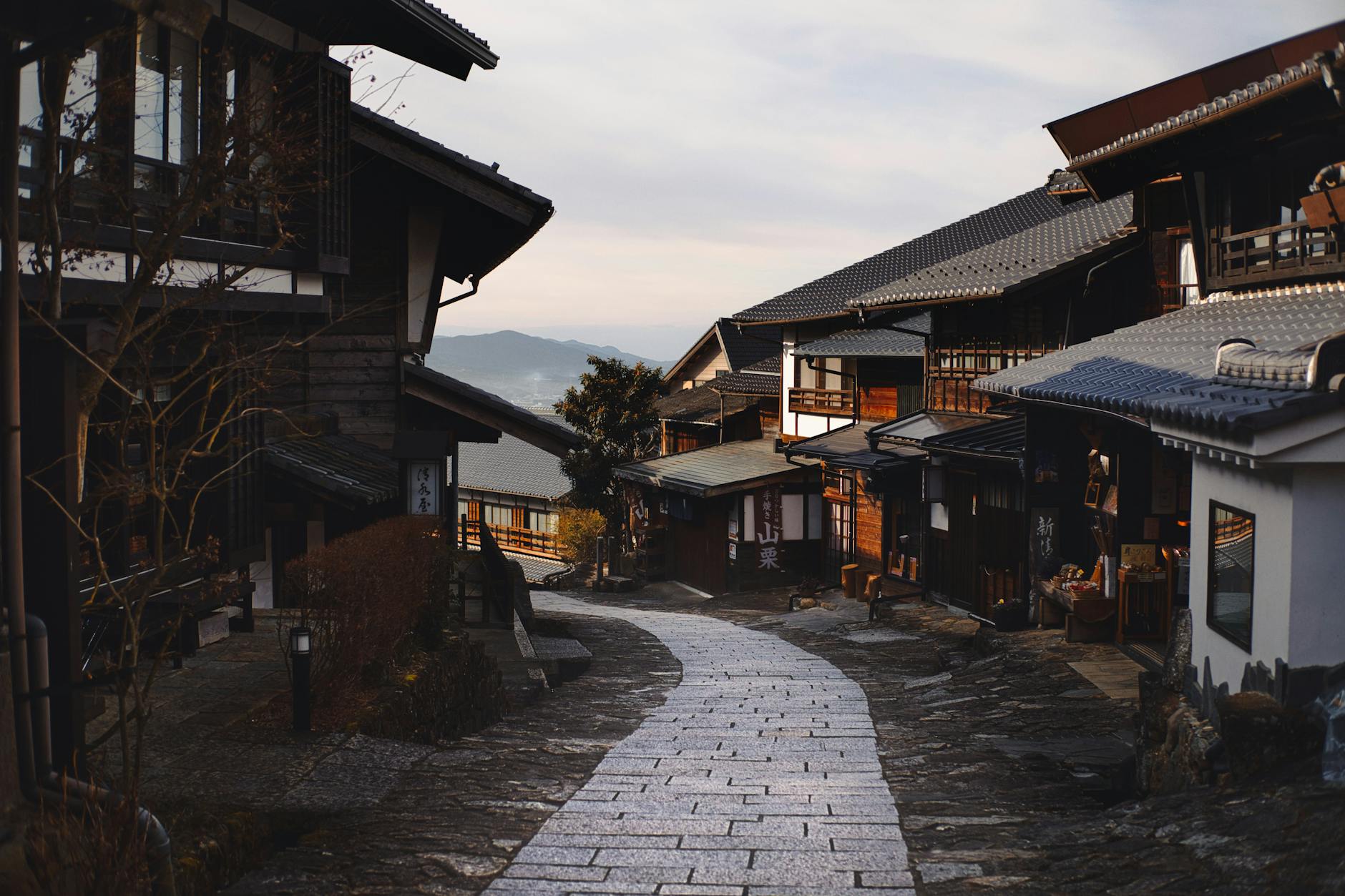

Cold Alpine river water cuts straight through the centre of town, rushing past dark timber latticework and sake breweries marked by fresh cedar balls above the doors. High in Gifu's mountains, Takayama survived the modern wrecking ball with its Edo-period grid intact. You come for the remarkably dense carpentry heritage, the morning market stalls along the Miyagawa, and marbled Hida beef grilled over magnolia leaves with sweet miso.
Last updated 28 Aug 2026
Build a Takayama itinerary.
Choose up to 4 threads that pull you in. Your plan arrives organised around them.
The Bed
Where to stay in Takayama
Which part of town to book, and what each one costs you in walking, noise or quiet.
The Comparison
Takayama, or somewhere near it
The places you are realistically choosing between, and the honest case for each.
The Local Record
Where to read more about Takayama
The blogs, boards, guides and operators worth bookmarking.
What to do in Takayama Chūbu Japan
Everything in Takayama revolves around the Miyagawa River and the dark-stained timber lanes of Sanmachi Suji. Days begin early at riverside market stalls and settle into leisurely strolls through Edo merchant quarters, sake tasting rooms, and hillside temple paths. It suits independent walkers, craft enthusiasts, and anyone who appreciates exceptional regional cooking served without pretension.
24 hours in Takayama Chūbu Japan
Start at 7:30 at the Miyagawa morning market for hot steamed buns, then explore the Kusakabe Heritage House before tour groups arrive. Lunch on Hida beef ramen near the red Nakabashi Bridge, spend the afternoon sampling sake on Kamisannomachi, and finish with beef simmered over hoba miso at an izakaya. Select 1 Day above to see it.
2 days in Takayama Chūbu Japan
A second day lets you wander the serene Higashiyama Walking Course through hillside temples and cedar groves. In the afternoon, take a ten-minute bus ride to the open-air Hida Folk Village to inspect steep thatched farmhouses, followed by a rustic meal of grilled mountain river trout and soba. Choose 2 Days to expand the plan.
3 days in Takayama Chūbu Japan
With three days, catch the morning Nohi Bus to the thatched settlement of Shirakawa-go or venture higher into the Okuhida Onsen valleys. You will have time for an unhurried soak in a mountain hot spring before returning to town for a final evening of grilled skewered beef and cold local ginjo sake.
Takayama Chūbu Japan itineraries by interest
Morning Markets in Takayama Chūbu Japan
Arrive at Miyagawa or Jinya-mae by seven in the morning for pickled daikon, fresh apples, mountain herbs, and quiet banter with elderly growers.
Sake Brewing in Takayama Chūbu Japan
Look for green sugidama cedar balls along Kamisannomachi to taste dry, alpine brews like Funasaka and Harada poured straight from chilled carafes.
Local Beef in Takayama Chūbu Japan
Hida beef served three ways across town: seared as nigiri on rice crackers, skewered over binchotan charcoal, or simmered in hoba miso over a clay stove.
Woodworking Traditions in Takayama Chūbu Japan
Hida carpenters built Kyoto's ancient palaces; see their joinery firsthand inside the Kusakabe Heritage House and Yoshijima Heritage House.
Historic Architecture in Takayama Chūbu Japan
Walk the narrow lanes of Sanmachi Suji early before shops open to study Edo-period merchant townhouses with narrow fronts and deep courtyards.
Noodle Culture in Takayama Chūbu Japan
Takayama ramen relies on curly egg noodles in a light chicken and bonito broth, finished with spring onions, tender chashu, and pickled bamboo.
Temple Walks in Takayama Chūbu Japan
Follow the quiet Higashiyama walking course through hillside Buddhist temples, Zen cemetery paths, and quiet moss gardens east of the centre.
Festival Heritage in Takayama Chūbu Japan
The Matsuri Yatai Kaikan displays immense, multi-tiered autumn festival floats featuring intricate mechanical karakuri puppets and gold leaf.
Traditional Inns in Takayama Chūbu Japan
Book a timber ryokan in the old quarter for tatami floors, private cypress baths, and elaborate multi-course kaiseki meals served in your room.
Rural Life in Takayama Chūbu Japan
Hida Folk Village gathers preserved steep-thatched gassho-zukuri farmhouses relocated from alpine valleys, with open hearths and hand looms.
Day Trips in Takayama Chūbu Japan
Ride the bus fifty minutes northwest to Shirakawa-go to see massive timber farmhouses standing beneath snow-capped Hida mountain peaks.
Hot Springs in Takayama Chūbu Japan
Head deep into the Okuhida Onsen villages along the Northern Alps for scalding outdoor river baths scented with mineral steam and cedar.