


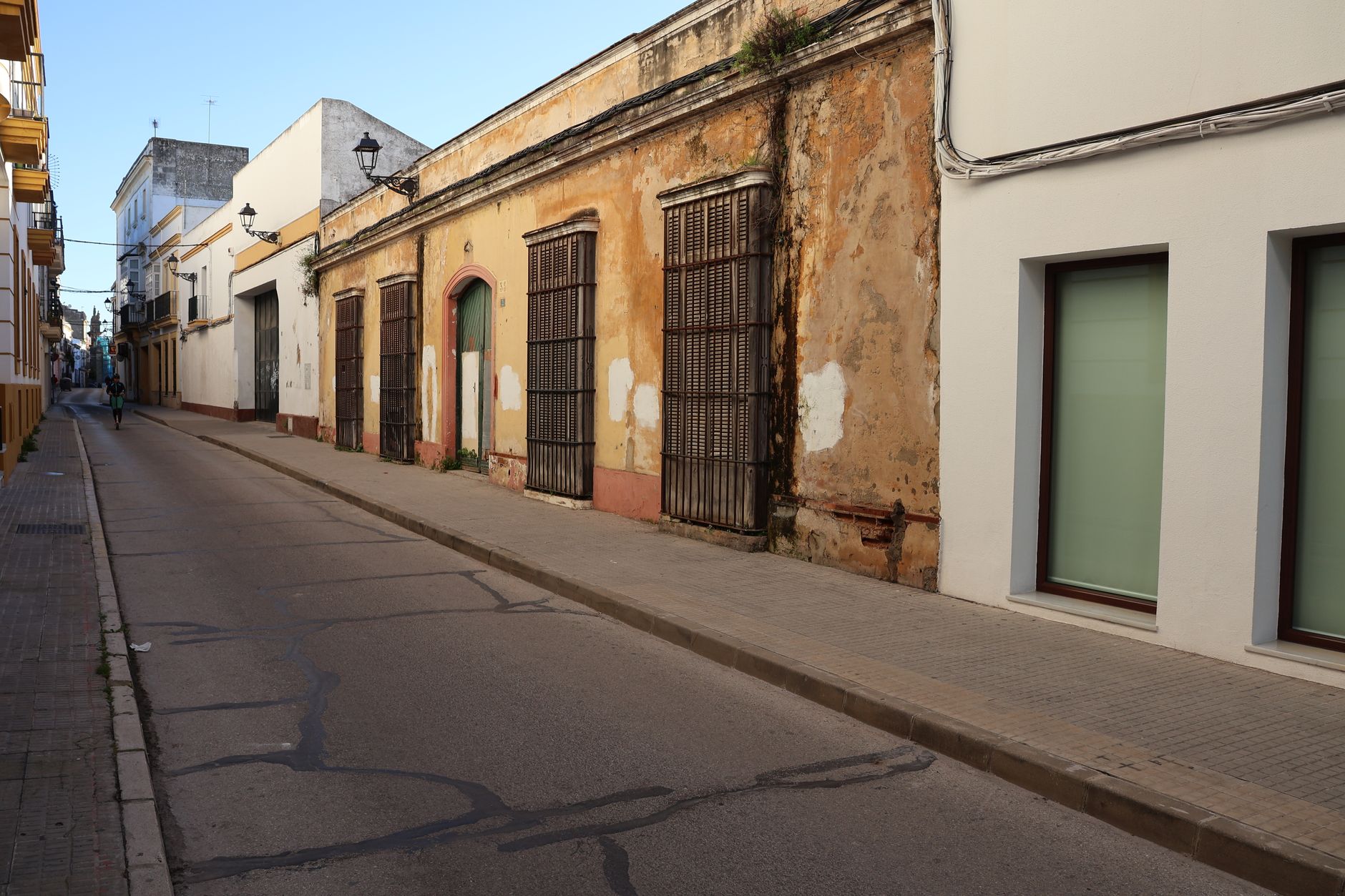
Torrox Pueblo sits forty-five minutes east of Málaga along the A-7 highway, perched four kilometres inland above the Costa del Sol. It is known for its intact Moorish street grid, whitewashed hillside houses, and a sunny microclimate that supports valley fruit orchards. Torrox Pueblo is worth visiting if you want to explore quiet labyrinthine streets, eat rustic semolina migas, and drink local dry Moscatel. Look elsewhere if you require direct beach access, lively late-night clubs, or flat walking routes.
Last updated 26 Oct 2026
Build a Torrox Pueblo itinerary.
Choose up to 4 threads that pull you in. Your plan arrives organised around them.
The Bed
Where to stay in Torrox Pueblo
Which part of town to book, and what each one costs you in walking, noise or quiet.
The Comparison
Torrox Pueblo, or somewhere near it
The places you are realistically choosing between, and the honest case for each.
The Local Record
Where to read more about Torrox Pueblo
The blogs, boards, guides and operators worth bookmarking.
What to do in Torrox Pueblo Andalusia Spain
Torrox Pueblo rises sharply along a southern ridge of the Axarquía, shaped around steep stairways, quiet plazas, and whitewashed houses with terracotta roofs. Days here settle into a steady rhythm of morning coffee on Plaza de la Constitución, unhurried walks through the Barrio Mudéjar, and long afternoon lunches. It suits travellers who prefer working residential villages and quiet mountain air to busy coastal strips.
24 hours in Torrox Pueblo Andalusia Spain
Start your morning with toasted mollete and tomato on Plaza de la Constitución before tackling the steep ascent of Calle Baja. Have lunch at a local mesón for migas and grilled pork, then spend the late afternoon visiting the sixteenth-century Encarnación church before watching the valley shadows lengthen from the Pontil viewpoint. Select 1 Day above to see it.
2 days in Torrox Pueblo Andalusia Spain
A second day lets you explore the surrounding countryside. Drive twenty minutes inland along the winding MA-5105 up to Cómpeta for dry Moscatel tastings, then return to Torrox Pueblo for dinner, pairing local salt cod and orange ensalada arriera with crisp fried aubergines drizzled with cane honey. Choose 2 Days to expand the plan.
3 days in Torrox Pueblo Andalusia Spain
Three days give you space to hike the rugged trails into the Sierra de Almijara foothills or wander down to Torrox Costa to see the Roman mosaics and lighthouse. You can also make the quiet drive to the whitewashed hamlets of Frigiliana and Acebuchal without having to watch the clock.
Torrox Pueblo Andalusia Spain itineraries by interest
Mountain Cooking in Torrox Pueblo Andalusia Spain
Order migas torroxeñas made with fried breadcrumbs or semolina, pork belly, arropía, and ensalada arriera of oranges and salt cod.
Moorish Heritage in Torrox Pueblo Andalusia Spain
Wander the Barrio Mudéjar along Calle Rincón, tracing narrow eighth-century stone lanes that follow the natural contours of the hill.
Local Wine in Torrox Pueblo Andalusia Spain
Taste dry and sweet Moscatel de Alejandría wines produced on the steep schist slopes across the surrounding Axarquía hill country.
Sacred Architecture in Torrox Pueblo Andalusia Spain
Visit sixteenth-century Iglesia de Nuestra Señora de la Encarnación and the quiet Ermita de Nuestra Señora de las Nieves on the lower ridge.
Scenic Viewpoints in Torrox Pueblo Andalusia Spain
Climb up to the Mirador de la Plaza del Pontil for clear sightlines over the Torrox River valley and the Sierra de Almijara range.
Subtropical Produce in Torrox Pueblo Andalusia Spain
Sample locally grown avocados, mangoes, and cherimoyas harvested directly from the irrigated terraces running down to the Mediterranean.
Village Life in Torrox Pueblo Andalusia Spain
Sit at Plaza de la Constitución beneath bright umbrellas for morning café con leche while neighbours gather around the town hall steps.
Hiking in Torrox Pueblo Andalusia Spain
Take the trail connecting Torrox Pueblo to Frigiliana across the Acebuchal gorge, or walk along the banks of the Rio Torrox.
Coastal Proximity in Torrox Pueblo Andalusia Spain
Drive ten minutes down the A-7207 to Torrox Costa for the Roman villa ruins, nineteenth-century lighthouse, and fresh grilled sardines.
Day Trips in Torrox Pueblo Andalusia Spain
Head fifteen minutes inland to Cómpeta for Bodegas Almijara or twenty minutes east to the dramatic sea cliffs of Nerja and Maro.
Traditional Bakeries in Torrox Pueblo Andalusia Spain
Seek out Panadería San Roque for hornazos and tortas de aceite baked with local extra virgin olive oil and fragrant aniseed.
Regional Festivals in Torrox Pueblo Andalusia Spain
Join the December Fiesta de las Migas, where cooks distribute thousands of plates of wood-fired migas paired with local country wine.