

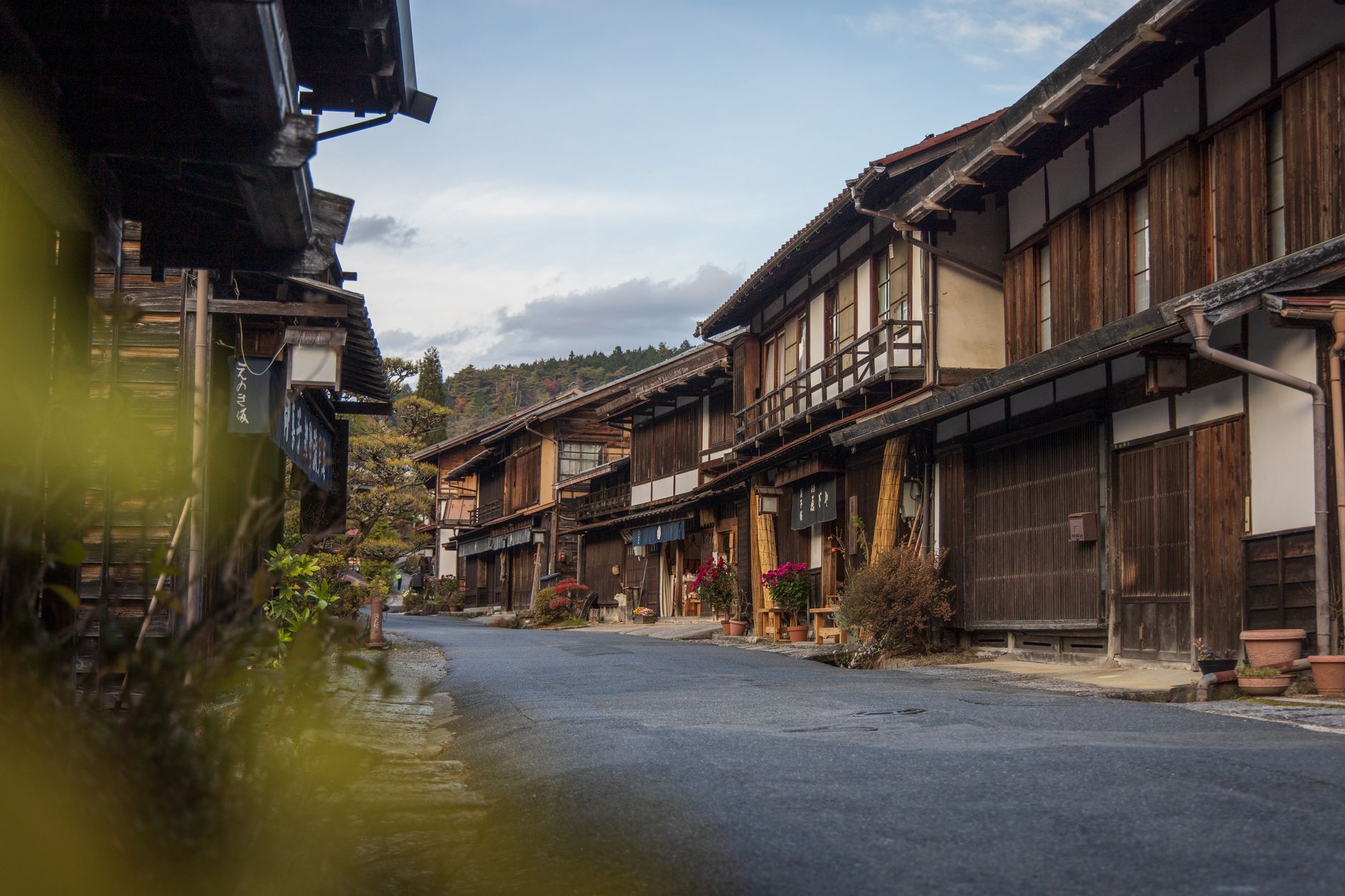


Tsumago sits in Nagano's Kiso Valley, roughly two hours northeast of Nagoya by JR Shinano train to Nagiso Station followed by a short bus ride. It was the forty-second post town on the ancient Nakasendo highway, famous for banning modern power lines and preserving its dark cypress townhouses. Tsumago is worth visiting if you want to walk historic mountain trails between post towns and sleep on tatami in centuries-old inns. Look elsewhere if you expect late-night dining, modern resort comforts, or rainy-day indoor attractions.
Last updated 31 Oct 2026
Build a Tsumago itinerary.
Choose up to 4 threads that pull you in. Your plan arrives organised around them.
The Bed
Where to stay in Tsumago
Which part of town to book, and what each one costs you in walking, noise or quiet.
The Comparison
Tsumago, or somewhere near it
The places you are realistically choosing between, and the honest case for each.
The Local Record
Where to read more about Tsumago
The blogs, boards, guides and operators worth bookmarking.
What to do in Tsumago Nagano Japan
Tsumago is a single quiet lane of dark wooden facades where cars are barred and utility poles do not exist. Days revolve around foot travel, quiet browsing of timber workshops, and early dinners at family-run inns. It suits walkers, history buffs, and travellers who appreciate the slow rhythm of tatami rooms, woodsmoke from open hearths, and the sound of mountain water rushing through stone drainage channels.
24 hours in Tsumago Nagano Japan
Arrive by noon, eat walnut-paste gohei mochi along Terashita street, and tour the Waki-Honjin Okuya timber inn. Walk up to Kotoku-ji temple before the day-trippers depart around four. Settle into a local minshuku for an evening meal of salt-grilled char, followed by a walk through the unlit, lantern-lit main street. Select 1 Day above to see it.
2 days in Tsumago Nagano Japan
Devote your second morning to the three-hour hike over Magome Pass to Magome-juku, stopping for tea at Tateba rest house. Eat cold soba overlooking the valley in Magome, take the local bus back to Nagiso, and explore the nearby Momosuke Bridge, a restored 1922 wooden suspension bridge over the Kiso River. Choose 2 Days to expand the plan.
3 days in Tsumago Nagano Japan
A third day allows you to catch the local train to Narai-juku or explore the emerald waters of Atera Gorge near Nojiri. You can rent a bicycle in Nagiso, linger over lacquerware in Kiso-Fukushima, or hike the quieter mountain paths through cedar stands without looking at your watch.
Tsumago Nagano Japan itineraries by interest
Historic Walking in Tsumago Nagano Japan
Walk the eight-kilometre Nakasendo trail over Magome Pass, following Edo-era stone cobbles past cedar groves, waterwheels, and roadside tea stations.
Edo Architecture in Tsumago Nagano Japan
Inspect the 1877 reconstruction of the Waki-Honjin Okuya, built from fragrant Hinoki cypress, featuring iron kettles over sunken hearth fire pits.
Noodle Traditions in Tsumago Nagano Japan
Slurp cold zaru soba ground from local buckwheat, dipped in dashi broth with fresh mountain wasabi at no-nonsense roadside noodle shops like Ebisuya.
Local Specialty Food in Tsumago Nagano Japan
Try grilled gohei mochi skewered rice cakes coated in walnut and miso paste, toasted over charcoal until the edges caramelise and turn fragrant.
Traditional Inns in Tsumago Nagano Japan
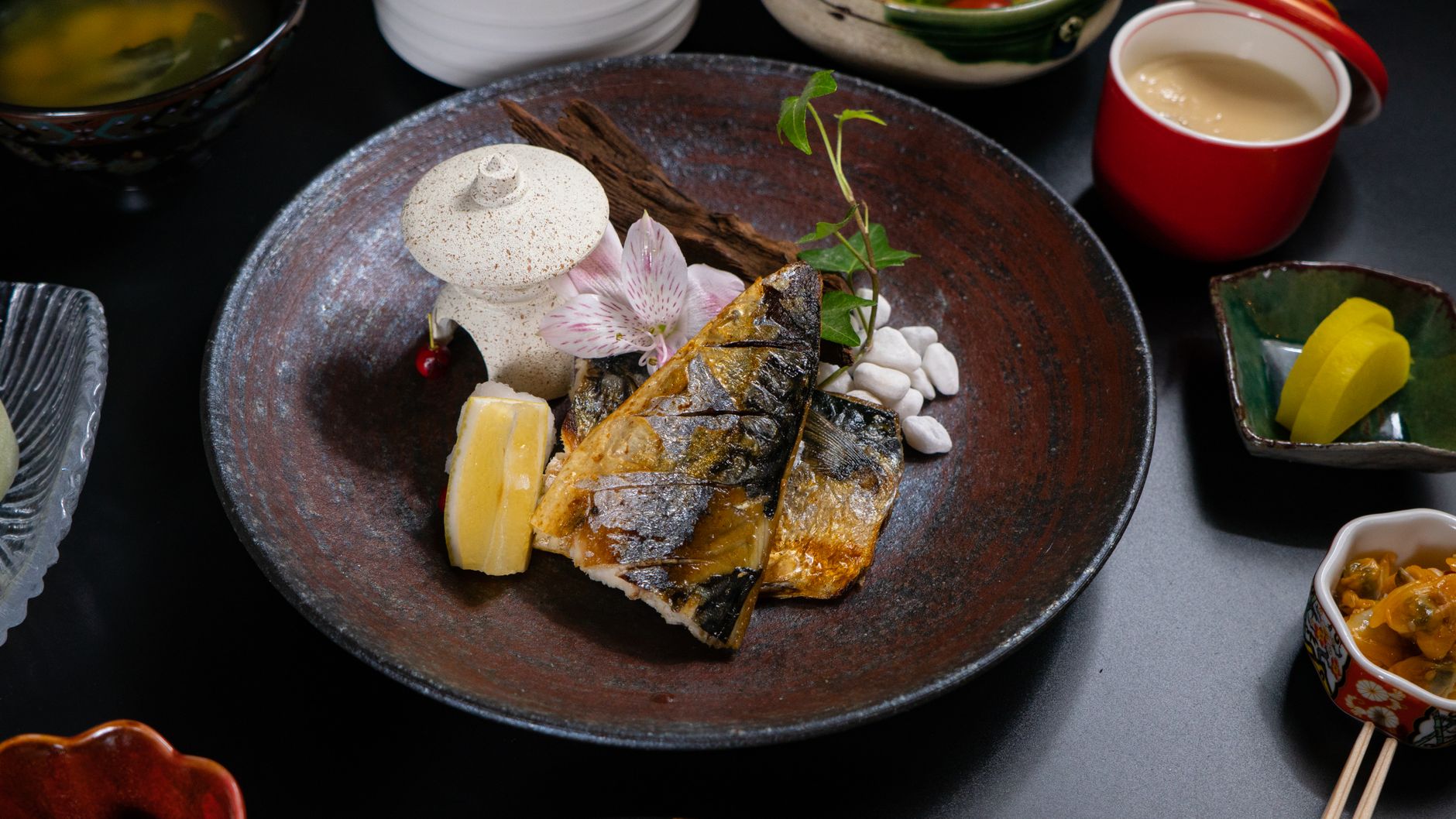
Stay at wooden minshuku like Daikichi or Hanaya, where hosts serve multi-course dinners of river trout and wild edible plants on tatami mats.
Woodworking & Crafts in Tsumago Nagano Japan
Watch artisans turn local Kiso lacquerware and hand-carved combs from minebari wood, a craft tradition unchanged in the valley since the Edo period.
River Fish in Tsumago Nagano Japan
Eat salt-grilled iwana char and ayu sweetfish caught in the Araragi River, roasted upright on bamboo skewers surrounding glowing charcoal pits.
Temple Architecture in Tsumago Nagano Japan
Climb stone steps to Kotoku-ji, a Zen temple dating to 1500 with a thatched roof, hand-carved transom work, and an unusual wooden singing floor.
Valley Day Trips in Tsumago Nagano Japan
Take the train north to Narai-juku to see lacquer workshops or south to Magome, comparing hillside post town layouts across the Kiso Valley.
Forest Trails in Tsumago Nagano Japan
Detour to Otaki and Metaki, the male and female twin waterfalls surrounded by deep forest off the main trail, ideal for quiet trail rest stops.
Regional Sake in Tsumago Nagano Japan
Sample dry Kiso Valley sake brewed with crisp mountain runoff at small bottle shops along Terashita street, served chilled in cedar masu boxes.
Rural Heritage in Tsumago Nagano Japan
Visit the Nagiso Town Museum and Honjin compound to see official shogunate edict boards, travel registers, and samurai travel paraphernalia.