

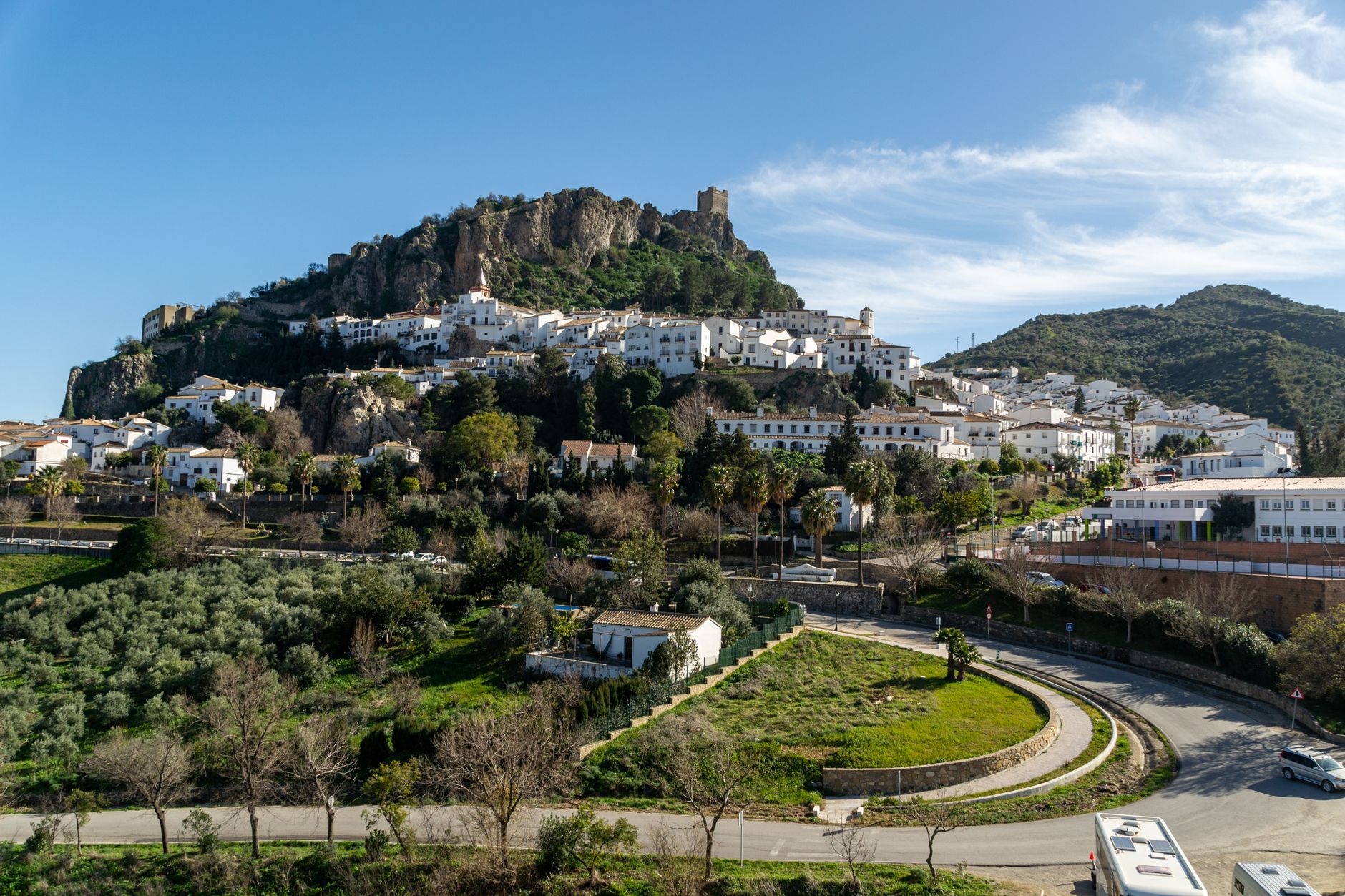
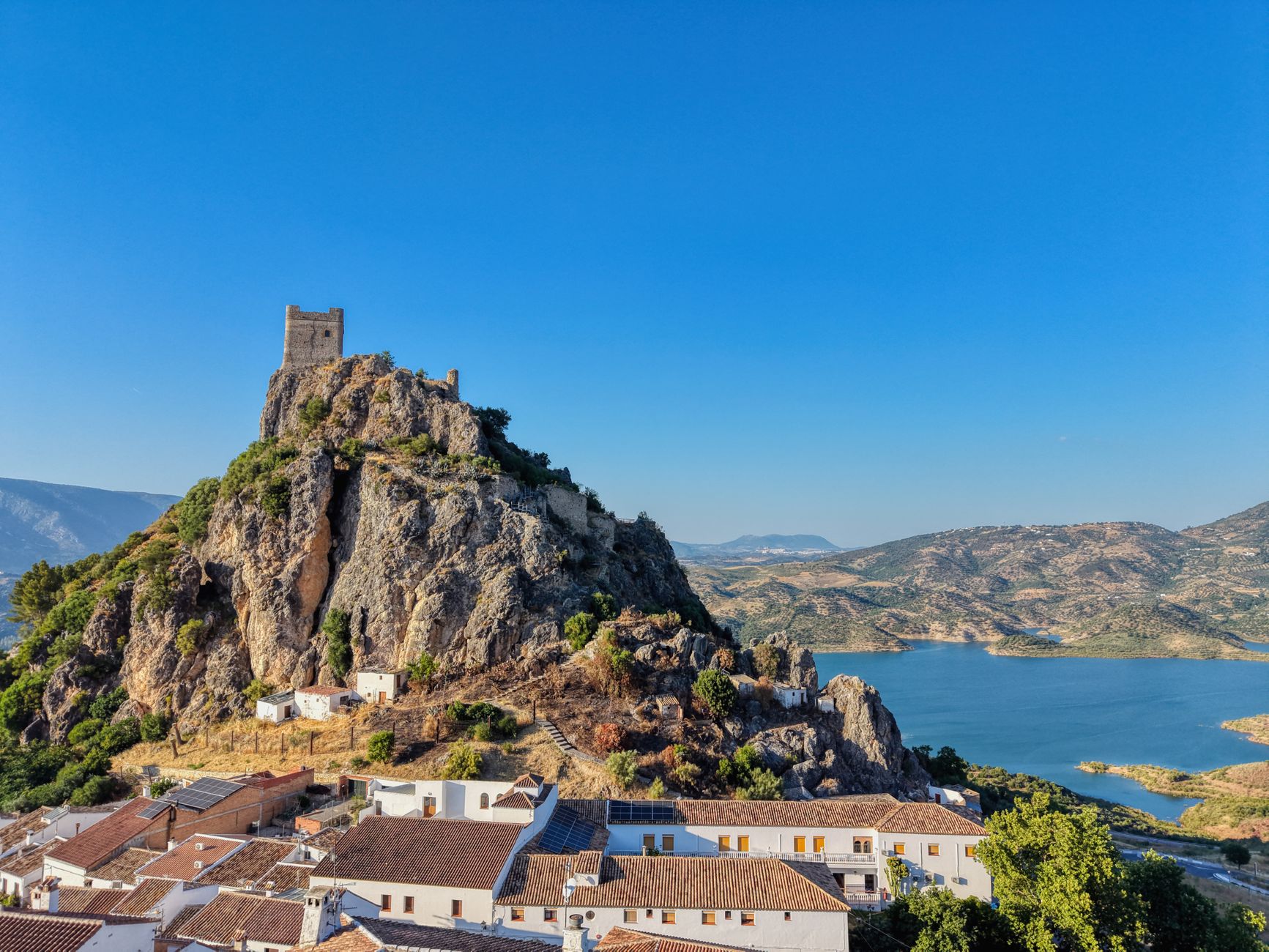

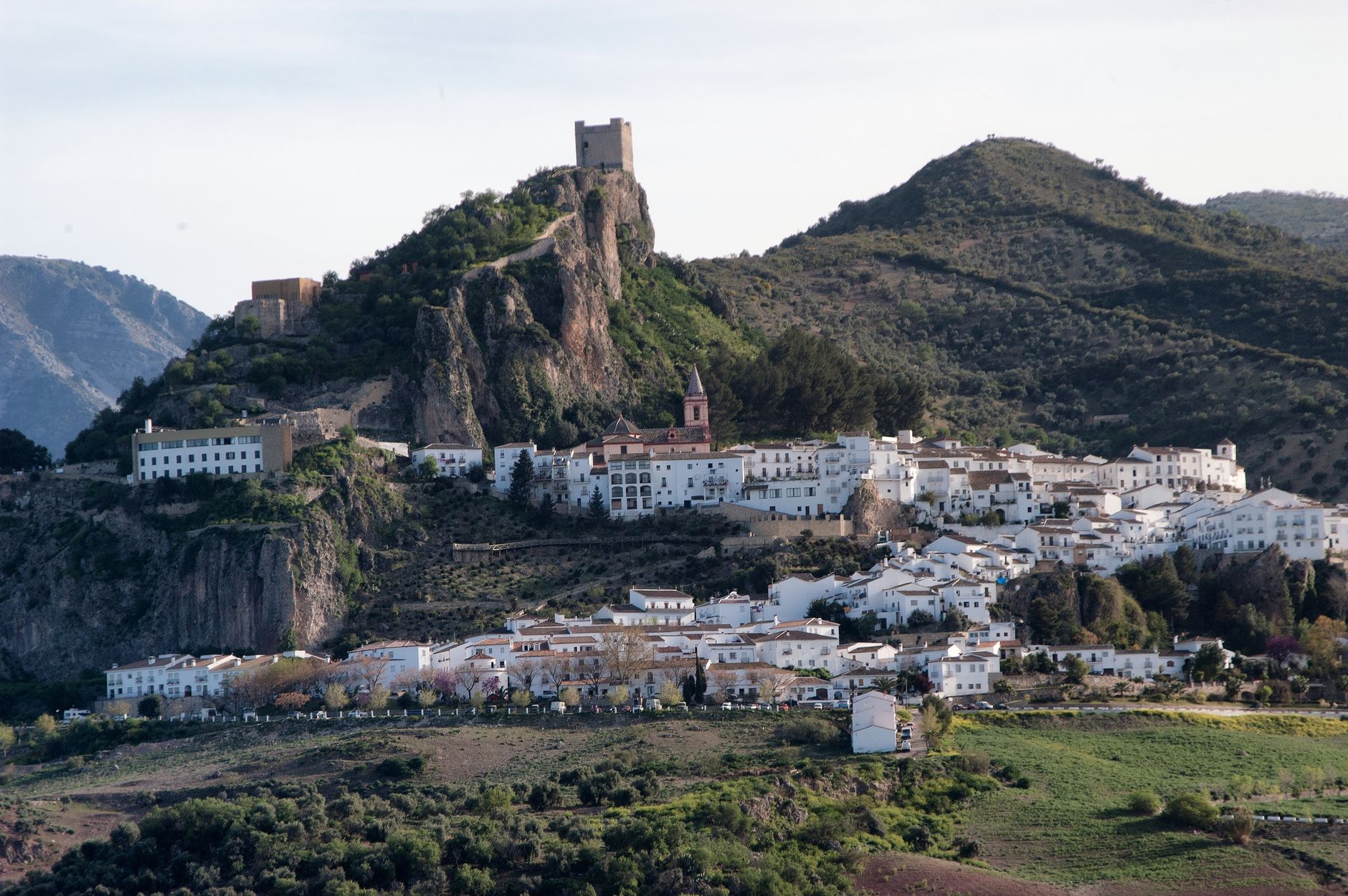
The asphalt twists up from the turquoise reservoir until the white houses rear up against limestone crags. Zahara climbs steeply around a jagged spur topped by an eighth-century Nasrid watchtower. You feel the gradient in your calves immediately on Calle Ronda. Up here, the air smells faintly of wild thyme and pressed Manzanilla olives, while the tavern chalkboards promise simmering bowls of sopa de tomate and braised venison.
Last updated 29 Aug 2026
Build a Zahara de la Sierra itinerary.
Choose up to 4 threads that pull you in. Your plan arrives organised around them.
The Bed
Where to stay in Zahara de la Sierra
Which part of town to book, and what each one costs you in walking, noise or quiet.
The Comparison
Zahara de la Sierra, or somewhere near it
The places you are realistically choosing between, and the honest case for each.
The Local Record
Where to read more about Zahara de la Sierra
The blogs, boards, guides and operators worth bookmarking.
What to do in Zahara de la Sierra Andalusia Spain
Life in this whitewashed mountain village revolves around vertical cobblestone streets, shaded plazas, and the shadow of its high castle keep. Zahara rewards walkers who do not mind steep inclines, lovers of rustic Andalusian stews, and road-trippers navigating the Sierra de Cádiz. Mornings begin over toasted molletes and strong coffee in Plaza del Rey before heat gathers on the limestone slopes.
24 hours in Zahara de la Sierra Andalusia Spain
Tackle the twenty-minute climb to the Torre del Homenaje before mid-morning heat settles in. Descend to Bar El Cortijo for revuelto de espárragos and Payoyo cheese, then spend the afternoon paddling the reservoir or wandering Calle San Juan before watching sunset with a cold Cruzcampo. Select 1 Day above to see it.
2 days in Zahara de la Sierra Andalusia Spain
Head down the valley to tour Molino El Vínculo for an olive oil tasting, then wind through the cork oaks to nearby Grazalema. Stop for a lunch of roast lamb at a roadside venta, returning to Zahara for an evening walk along the Alameda de Lepanto. Choose 2 Days to expand the plan.
3 days in Zahara de la Sierra Andalusia Spain
Permit in hand, hike the limestone gorge of Garganta Verde to spot nesting griffon vultures. Spend the afternoon exploring the Roman ruins of Acinipo or taking the winding mountain drive over Puerto de las Palomas, finishing with slow-cooked venison back in the village.
Zahara de la Sierra Andalusia Spain itineraries by interest
Castles & Fortresses in Zahara de la Sierra Andalusia Spain
Climb the steep path to the 13th-century Torre del Homenaje for panoramic views across the valley and defensive bastions built during the Nasrid era.
Regional Stews in Zahara de la Sierra Andalusia Spain
Order sopa de tomate with poached egg or potaje de tagarninas at traditional village ventas along the Calle San Juan.
Olive Oil in Zahara de la Sierra Andalusia Spain
Taste cold-pressed extra virgin oil made from ancient Manzanilla and Lechín groves at the historic Molino El Vínculo outside town.
Hiking Trails in Zahara de la Sierra Andalusia Spain
Walk the rugged Garganta Verde canyon or follow the Sendero de la Calzada Romana through dense oak scrub toward the valley floor.
Wild Game in Zahara de la Sierra Andalusia Spain
Sample slow-braised wild boar in rich Pedro Ximénez sauce and venison stew with mountain herbs at family-run Mesón Los Molinos.
Sacred Architecture in Zahara de la Sierra Andalusia Spain
Step into the 18th-century Iglesia de Santa María de la Mesa to see its ornate Churrigueresque retablo and calm whitewashed nave.
Reservoir Watersports in Zahara de la Sierra Andalusia Spain
Rent a kayak or paddleboard along the turquoise waters of Embalse de Zahara-El Gastor from the lakeside recreation area below.
Mountain Cheese in Zahara de la Sierra Andalusia Spain
Try firm, unpasteurised Payoyo goat and sheep cheeses cured in rosemary, lard, or paprika from the surrounding Sierra de Grazalema.
Viewpoints & Scenery in Zahara de la Sierra Andalusia Spain
Catch late afternoon light across the olive plains from Mirador de la Alameda de Lepanto near the shaded Plaza del Rey.
Sweet Baking in Zahara de la Sierra Andalusia Spain
Pick up quemones and honey-glazed quemaos pastries baked fresh at local panaderías near Plaza de la Constitución.
Village Squares in Zahara de la Sierra Andalusia Spain
Sit with a glass of crisp fino sherry under the citrus trees in Plaza Mayor as workers gather at dusk around the fountain.
Scenic Drives in Zahara de la Sierra Andalusia Spain
Drive the winding A-2300 ribbon road tracing the reservoir bank toward Algodonales and the craggy pass of Puerto de las Palomas.