.jpg)
.jpg)

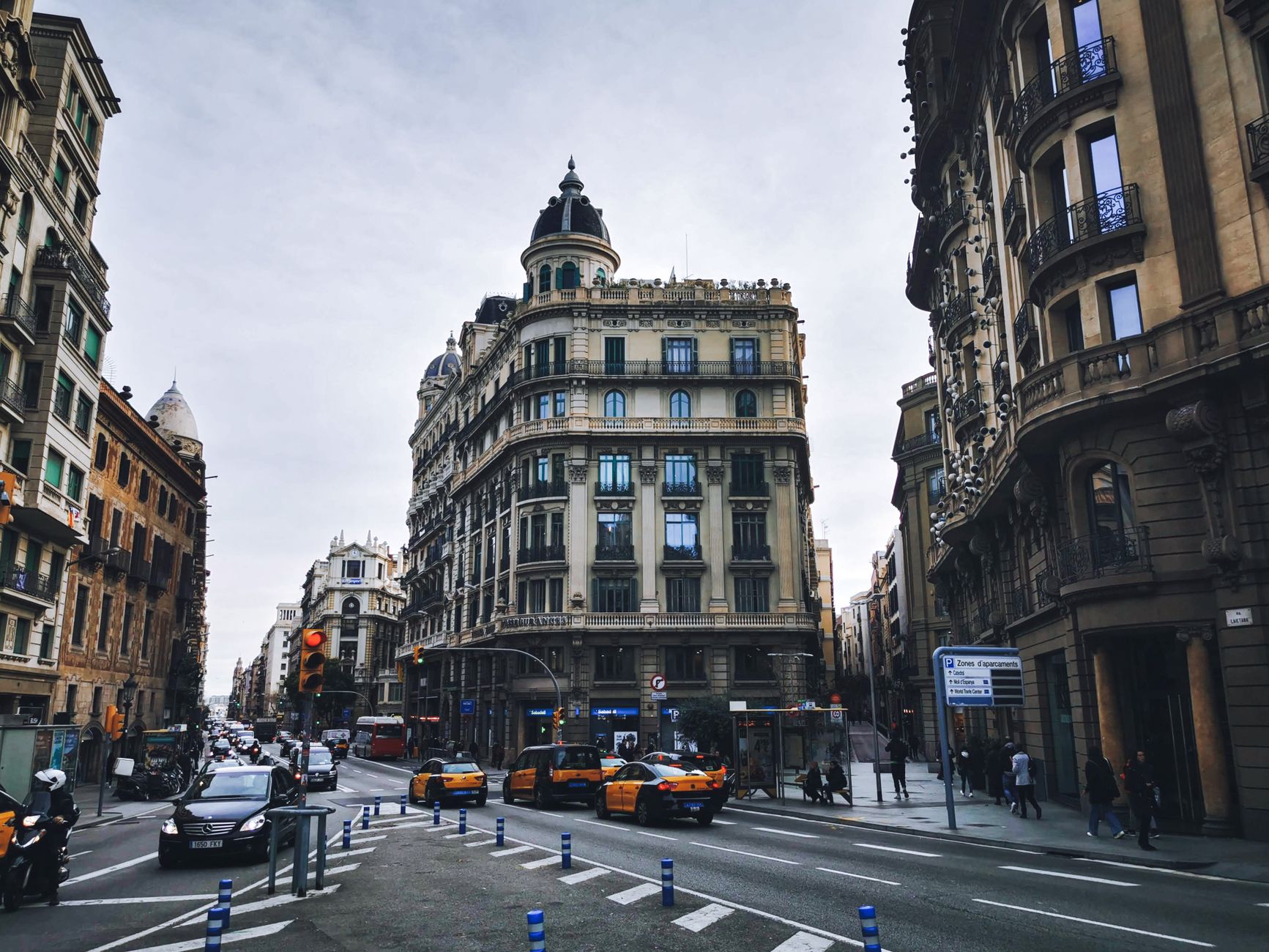
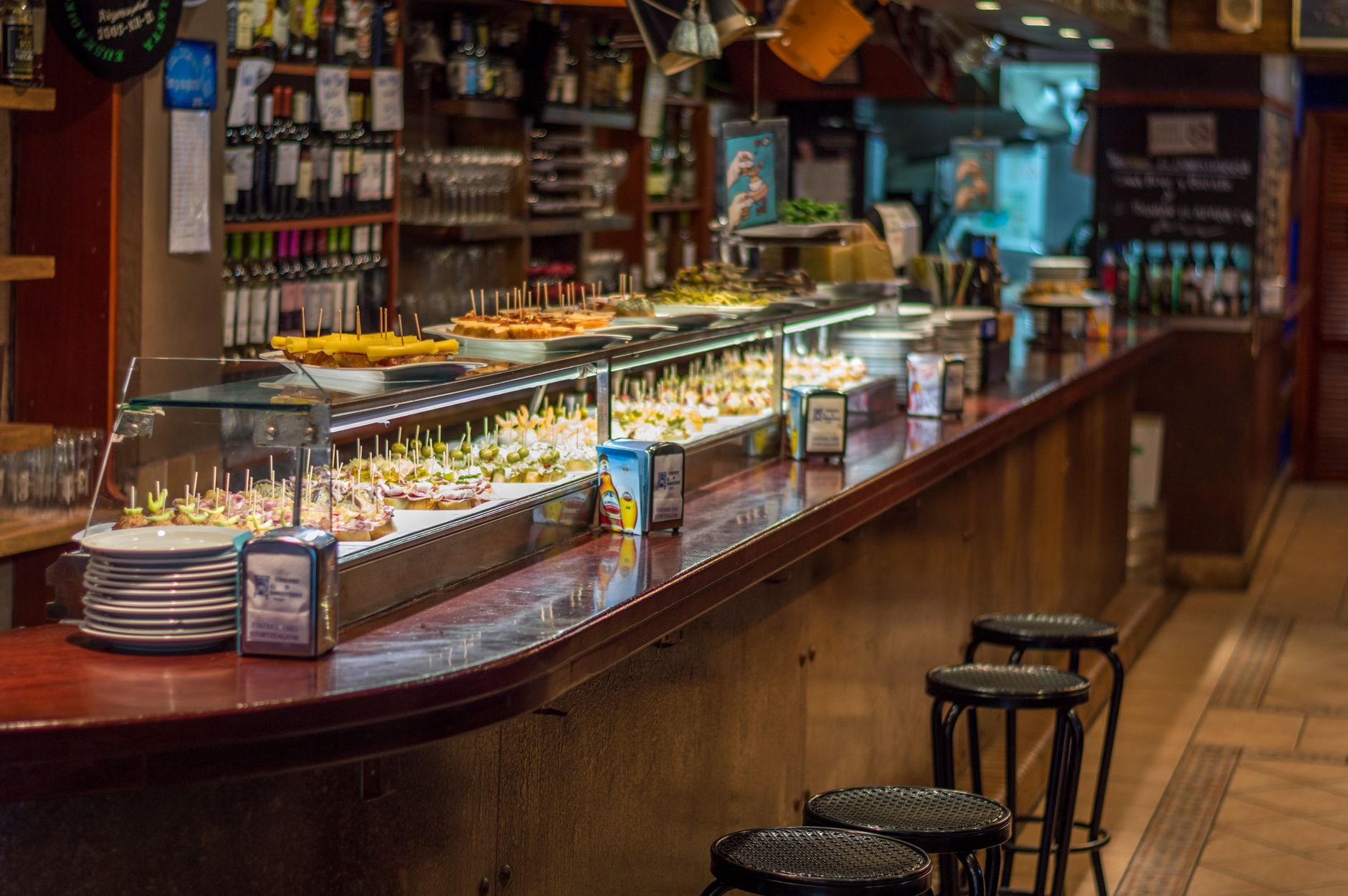
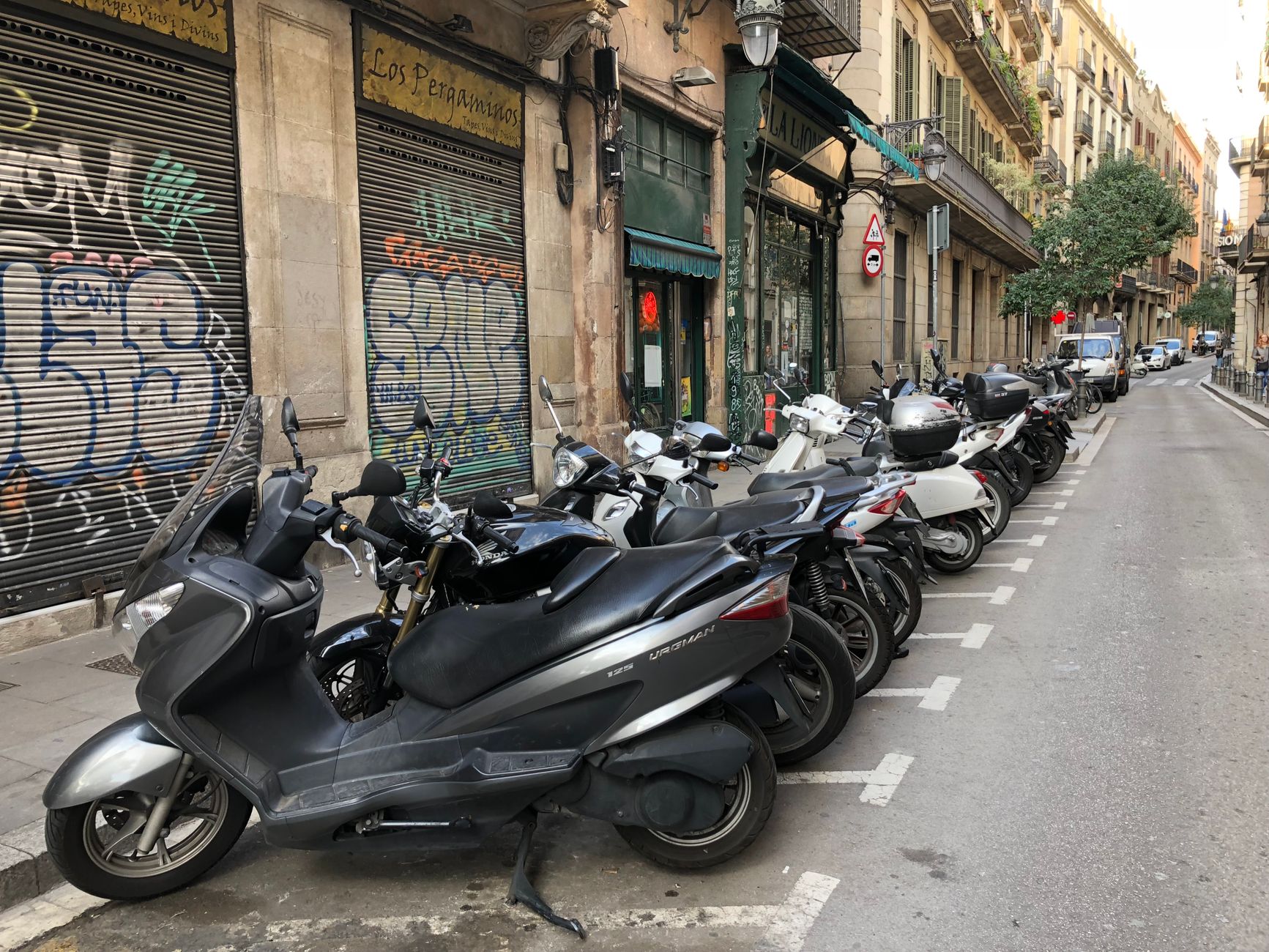
Morning begins with the rattle of iron shop shutters along Carrer de la Princesa and the hiss of an espresso machine. Built between the Collserola ridge and the sea, this Catalan capital runs on late lunches, nineteenth-century street plans, and radical architecture. You come for Antoni Gaudi's stone facades and the Gothic Quarter's medieval stone lanes, but the real reward is a cold glass of vermut and grilled cuttlefish at a neighbourhood counter.
Last updated 31 Aug 2026
Build a Barcelona itinerary.
Choose up to 4 threads that pull you in. Your plan arrives organised around them.
We'll craft a 4-lens plan for Barcelona, one collapsible strand per lens.
Coastal Promenades
Walk the boardwalk from Somorrostro Beach past the old docks of Port Vell to the W Hotel breakwater for open Mediterranean views.
Coastal Promenades
Walk the boardwalk from Somorrostro Beach past the old docks of Port Vell to the W Hotel breakwater for open Mediterranean views.
Midday Vermouth and Salt Fish
Bar La Plata
Walk south past the port edge to Carrer de la Mercè. Squeeze into the standing corner for fresh fried boquerones and draft red vermouth from the barrel for under ten euros.
Editor TipSince 1945, this corner bodega has served the same four tapas without compromise, honouring the Catalan vermut hour as an indispensable prelude to midday dining. Ask for house vermouth with a splash of seltz and an olive; do not bother asking for a menu.
Barceloneta Waterfront Stroll
Passeig Marítim de la Barceloneta
Walk the paved promenade from the sail-shaped hotel up to Port Olímpic. Plan for an easy sixty-minute wander; benches are frequent and the salt air is restorative.
Editor TipBefore the 1992 Olympics, this coastline was cut off by industrial rail lines; redevelopment restored the 18th-century fishing quarter to its proper Mediterranean edge. Skip the tourist-trap terrace cafes along the sand. Take a bench facing the water and save your thirst for the old quarter.
Pansa Blanca Coastal Tasting
Alta Alella
Walk twenty minutes uphill via Camí de Tiana. Reserve the estate tasting online in advance for thirty euros to sample crisp white wines overlooking the Mediterranean.
Editor TipDO Alella is among Spain's smallest appellations, shaped by sauló—decomposed white granite sand that drains rain rapidly and imparts distinct salinity into the native Pansa Blanca grapes. Wear sturdy shoes for the sandy terraced slopes, as the steep paths offer zero shade once the sun rises.
Malvasia Tasting in the Cloister
Centre d'Interpretació de la Malvasia de Sitges
Book a tour with tasting in the eighteenth-century hospital courtyard. Allow ninety minutes; tickets cost ten euros including three coastal pours.
Editor TipMalvasia de Sitges was rescued from extinction by a local diplomat in 1935, protecting a fragrant coastal grape grown along the Garraf cliffs since the fourteenth century. Sit under the shaded pergola and sip the dry Malvasia before trying the amber dessert vintage.
Catalan Wine
Order mineral Penedès whites, earthy Priorat reds, and crisp glasses of Cava paired with pan con tomate at neighbourhood wine bars.
Catalan Wine
Order mineral Penedès whites, earthy Priorat reds, and crisp glasses of Cava paired with pan con tomate at neighbourhood wine bars.
Market Counter Breakfast
El Quim de la Boqueria
Claim an empty metal stool without waiting for permission. Order the fried eggs with baby squid and a cortado; expect to spend twenty euros and finish within thirty minutes.
Editor TipThis is the Catalan ritual of esmorzar de forquilla, a hearty fork-breakfast born when farmers and market porters needed hot, solid sustenance at dawn before trading began. Sit at the kitchen curve where the plancha sizzles, not the edge facing the fruit stalls.
Sparkling Wine and Salted Anchovies
El Xampanyet
Stand at the blue-tiled bar for house cava and Cantabrian anchovies. No bookings exist; arrive at opening and budget twenty-five euros in cash per person.
Editor TipOpen on Carrer de Montcada since 1929, this family tavern preserves the ritual of pica-pica, serving cured sea produce alongside brisk Catalan sparkling wine. Do not wait politely at the door. Slide into the crowd shoulder-to-shoulder and catch the barman's eye with a clear order.
Morning Bomba and Grilled Sardines
La Cova Fumada
Squeeze onto a wooden stool and order whatever came off the boats today. Cash only, no reservations, and plates run about six euros each.
Editor TipMaria Pla invented the meat-stuffed potato bomba here in the 1950s to feed local dockworkers, and the kitchen still fries them over the same blackened grill. Look for the unmarked wooden doorway on Plaça del Poeta Boscà. Arrive at nine to beat the neighbourhood regulars for a seat.
Catalan Barrel Wine Tasting
Bodega Maestrazgo
Walk into this 1952 shop for a glass of crisp Penedès Xarel·lo or earthy Priorat tapped straight from oak casks. Tastings take forty-five minutes.
Editor TipNeighborhood bodegas historically sold bulk table wine by the litre from chestnut casks, anchoring daily community life well before modern tasting rooms existed. Ask the staff for a porrón to practice pouring directly into your mouth. Keep a napkin handy for your shirt.
Montsant Wine and Artisanal Conservas
Bodega Quimet
A wood-lined Gràcia tavern operating since the 1950s. Order a glass of Garnatxa from Montsant, a plate of smoked cecina, and some anchovy-stuffed olives.
Editor TipCatalonia's historic bodegas originated as bulk wine outlets where neighbours filled jugs from giant chestnut casks, anchoring village community life in Gràcia. Stand at the barrel tables near the front if the tiny back dining room is full. Nobody minds.
Neighbourhood Taverns
Drink house vermut on tap paired with canned razor clams, salted anchovies, and house-made bombas at century-old bodegas in Gràcia and Sants.
Neighbourhood Taverns
Drink house vermut on tap paired with canned razor clams, salted anchovies, and house-made bombas at century-old bodegas in Gràcia and Sants.
Fork Breakfast and Cured Meats
Celler Jordana
Catch bus 690 from El Masnou station to the village square. Take a counter stool, order botifarra with Santa Pau beans and crusty bread with tomato, and spend around twelve euros.
Editor TipThe esmorzar de forquilla—a hearty fork breakfast—sustained nineteenth-century agricultural labourers before a day among the vines, paired reliably with house red poured from a porró. Arrive before nine to secure a barrel table before the peloton of cyclists arrives from the city.
Tavern Tapas and House Vermouth
Bar El Cable
Walk in to this corner tavern running since 1940. Order the grilled cuttlefish, slow-braised snails, and draft vermouth. Expect twenty-five euros each; no reservations.
Editor TipFour generations of the same family run this lively tiled bar, serving unpretentious seafood tapas to locals who have gathered here every evening for over eighty years. Arrive at eight sharp to claim a high barrel table near the draft taps before the evening rush.
Note from the Editor
“Barcelona wakes up later than you think, but market traders do not. Arrive at La Boqueria before nine to claim a stool before the crowds clog the central aisle, then wander down toward the harbour.”
The Bed
Where to stay in Barcelona
Which part of town to book, and what each one costs you in walking, noise or quiet.
The Comparison
Barcelona, or somewhere near it
The places you are realistically choosing between, and the honest case for each.
The Local Record
Where to read more about Barcelona
The blogs, boards, guides and operators worth bookmarking.
What to do in Barcelona Catalonia Spain
Barcelona unfolds between the green ridges of Collserola and the open sea. Days settle into a gentle rhythm dictated by late meals, starting with mid-morning café con leche and peaking with afternoon tapas. It suits travellers who enjoy walking wide boulevards and narrow medieval alleys alike, balancing serious architecture with relaxed afternoons in sunlit plazas and old bodegas.
24 hours in Barcelona Catalonia Spain
Start with an early pre-booked slot at Sagrada Família to beat the midday rush. Walk south through the Eixample down to the Born for a lunch of botifarra sausage and beans. Spend your evening exploring the Gothic Quarter's quiet stone lanes before ordering vermouth and pan con tomate in Barceloneta. Select 1 Day above to see it.
2 days in Barcelona Catalonia Spain
A second day lets you climb the lush hillside of Montjuïc for the Miró Foundation and broad harbour panoramas. In the afternoon, explore the village-like squares of Gràcia, settling into Plaça del Sol for a late dinner of grilled squid, patatas bravas, and a carafe of chilled Penedès wine. Choose 2 Days to expand the plan.
3 days in Barcelona Catalonia Spain
Three days gives you time to ride the regional train an hour north to Girona's medieval quarter, or take the rack railway up the sheer limestone spires of Montserrat. Back in the city, spend an unhurried final afternoon browsing the quieter stalls of Mercat del Ninot.
Barcelona Catalonia Spain itineraries by interest
Local Architecture in Barcelona Catalonia Spain
Walk Passeig de Gràcia for Casa Batlló and Casa Milà before reserving timed morning entry at the unfinished Basilica de la Sagrada Família.
Neighbourhood Taverns in Barcelona Catalonia Spain
Drink house vermut on tap paired with canned razor clams, salted anchovies, and house-made bombas at century-old bodegas in Gràcia and Sants.
Markets & Produce in Barcelona Catalonia Spain
Skip the crowded front of La Boqueria and head to Mercat de Santa Caterina for cured jamón ibérico, escalivada, and seasonal wild mushrooms.
Seafood Traditions in Barcelona Catalonia Spain
Sit in the former fishermen's quarter of Barceloneta for fideuà noodles with allioli, grilled sardines, and suquet de peix monkfish stew.
Gothic Heritage in Barcelona Catalonia Spain
Navigate the fourteenth-century Santa Maria del Mar basilica, Roman wall fragments, and quiet courtyards tucked around the Plaça del Rei.
Modern Art in Barcelona Catalonia Spain
View early sketches at the Museu Picasso in El Born and explore Joan Miró's vivid surrealist canvases at his dedicated foundation on Montjuïc.
Urban Parks in Barcelona Catalonia Spain
Climb through the stone viaducts of Park Güell early, then stroll the orange groves and greenhouse paths of Parc de la Ciutadella.
Catalan Wine in Barcelona Catalonia Spain
Order mineral Penedès whites, earthy Priorat reds, and crisp glasses of Cava paired with pan con tomate at neighbourhood wine bars.
Coastal Promenades in Barcelona Catalonia Spain
Walk the boardwalk from Somorrostro Beach past the old docks of Port Vell to the W Hotel breakwater for open Mediterranean views.
Hilltop Views in Barcelona Catalonia Spain
Ride the Montjuïc cable car to the seventeenth-century military fortress, or catch the sunset over the city from the Bunkers del Carmel.
Pastry & Sweets in Barcelona Catalonia Spain
Stop at traditional granjas along Carrer de Petritxol for thick hot chocolate with crispy churros and classic crema catalana.
Day Trips in Barcelona Catalonia Spain
Take the R4 Rodalies train to the jagged peaks of Montserrat Abbey or ride north along the coast to the Roman ruins and beach at Sitges.