

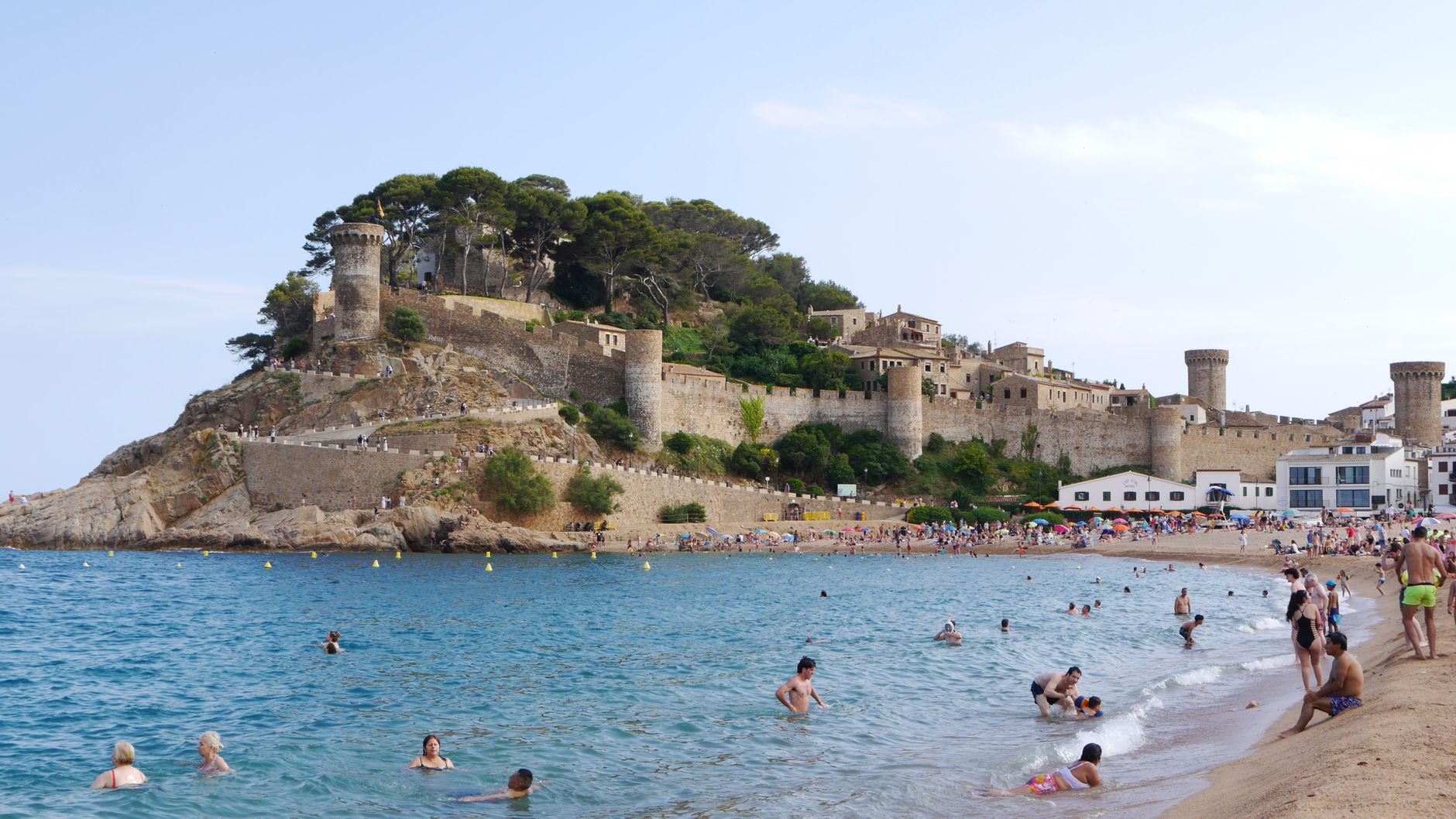

You arrive off the winding GI-682 road to the smell of pine resin and grilling sardines. Tossa de Mar is built around the Vila Vella, a twelfth-century fortified promontory of golden stone towers holding court over the Mediterranean. Down below, wooden dinghies rest on the coarse sand of Platja Gran while cooks reduce garlic and fish stock for cim i tomba. It is an unhurried Catalan working seaside town that manages to take its history and lunch equally seriously.
Last updated 22 Aug 2026
Build a Tossa de Mar itinerary.
Choose up to 4 threads that pull you in. Your plan arrives organised around them.
We'll craft a 3-lens plan for Tossa de Mar, one collapsible strand per lens.
Beaches & Coves
Claim a towel spot on the gravel of Platja d'es Codolar beneath the castle walls, or swim out to the rocky islets around sheltered Platja Mar Menuda.
Beaches & Coves
Claim a towel spot on the gravel of Platja d'es Codolar beneath the castle walls, or swim out to the rocky islets around sheltered Platja Mar Menuda.
Clifftop Coastal Trail Hike
Camí de Ronda North Trailhead
Follow the red-and-white GR 92 trail markers north from Platja Gran. The two-hour coastal path across the cliffs is free, moderately steep, and blessedly quiet early.
Editor TipCarved in the 19th century for coastal customs officers intercepting smugglers, the footpath winds through maritime pine forests above granite inlets fortified against Barbary pirates. Wear trail runners. Polished granite and loose pine needles will embarrass anyone attempting this in espadrilles.
Snorkelling Sheltered Rocky Coves
Cala Bona
Scramble down the pine ravine into this narrow sea fjord. Entry is free; bring your own mask and snorkel, as there are zero hire huts or commercial stalls here.
Editor TipThe sheltered rocky walls protect thick Posidonia oceanica meadows, harboring sea bream, octopus, and damselfish away from open-sea Mediterranean currents. Swim along the northern rock wall where morning sunlight hits the submerged sea caves.
Medieval Fortifications
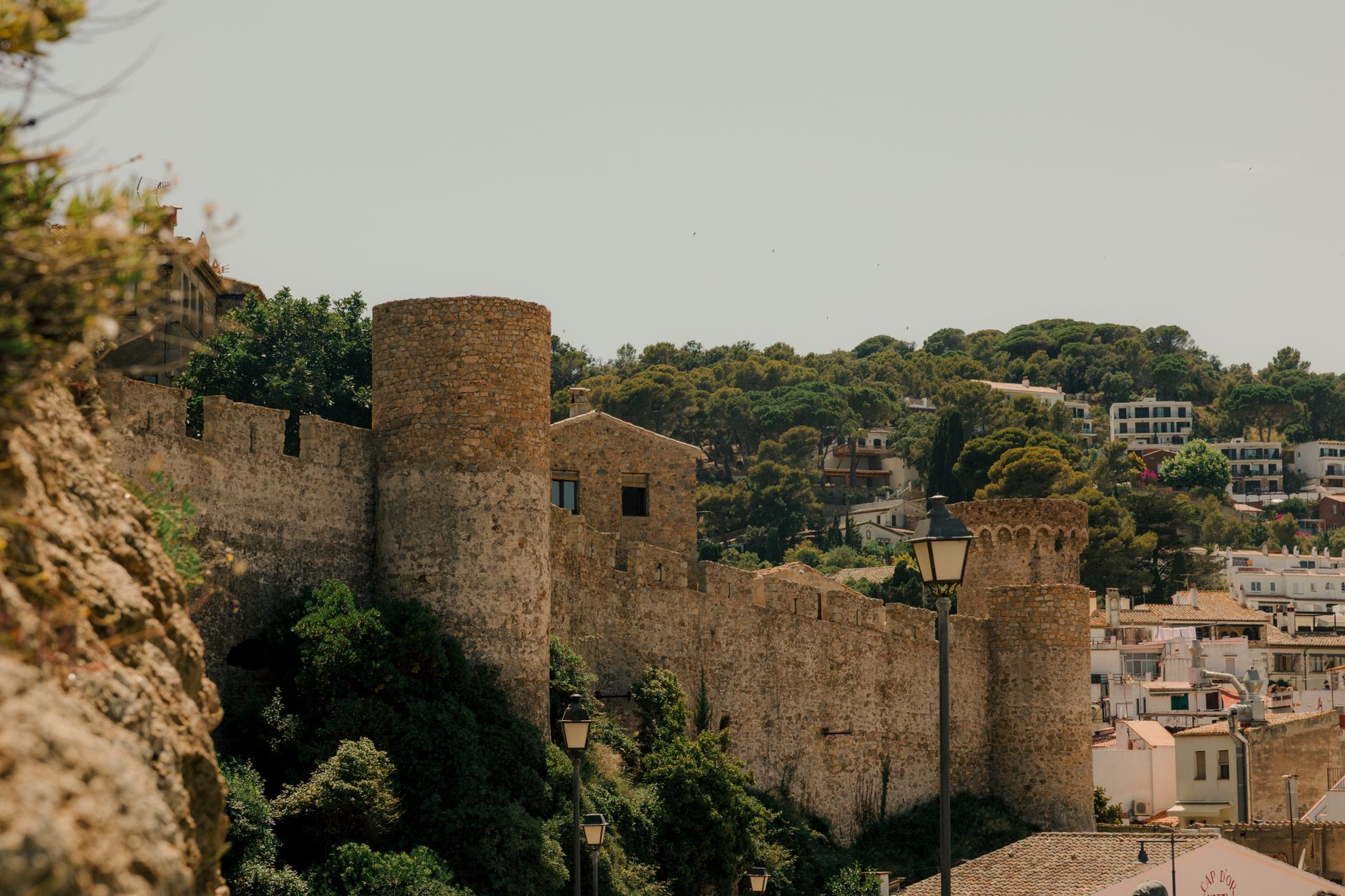
Walk the twelfth-century stone battlements of the Vila Vella, past the cylindrical towers of Codolar and Joanàs, watching waves crash below the ramparts.
Medieval Fortifications
Walk the twelfth-century stone battlements of the Vila Vella, past the cylindrical towers of Codolar and Joanàs, watching waves crash below the ramparts.
Walking the Twelfth-Century Ramparts
Vila Vella de Tossa de Mar
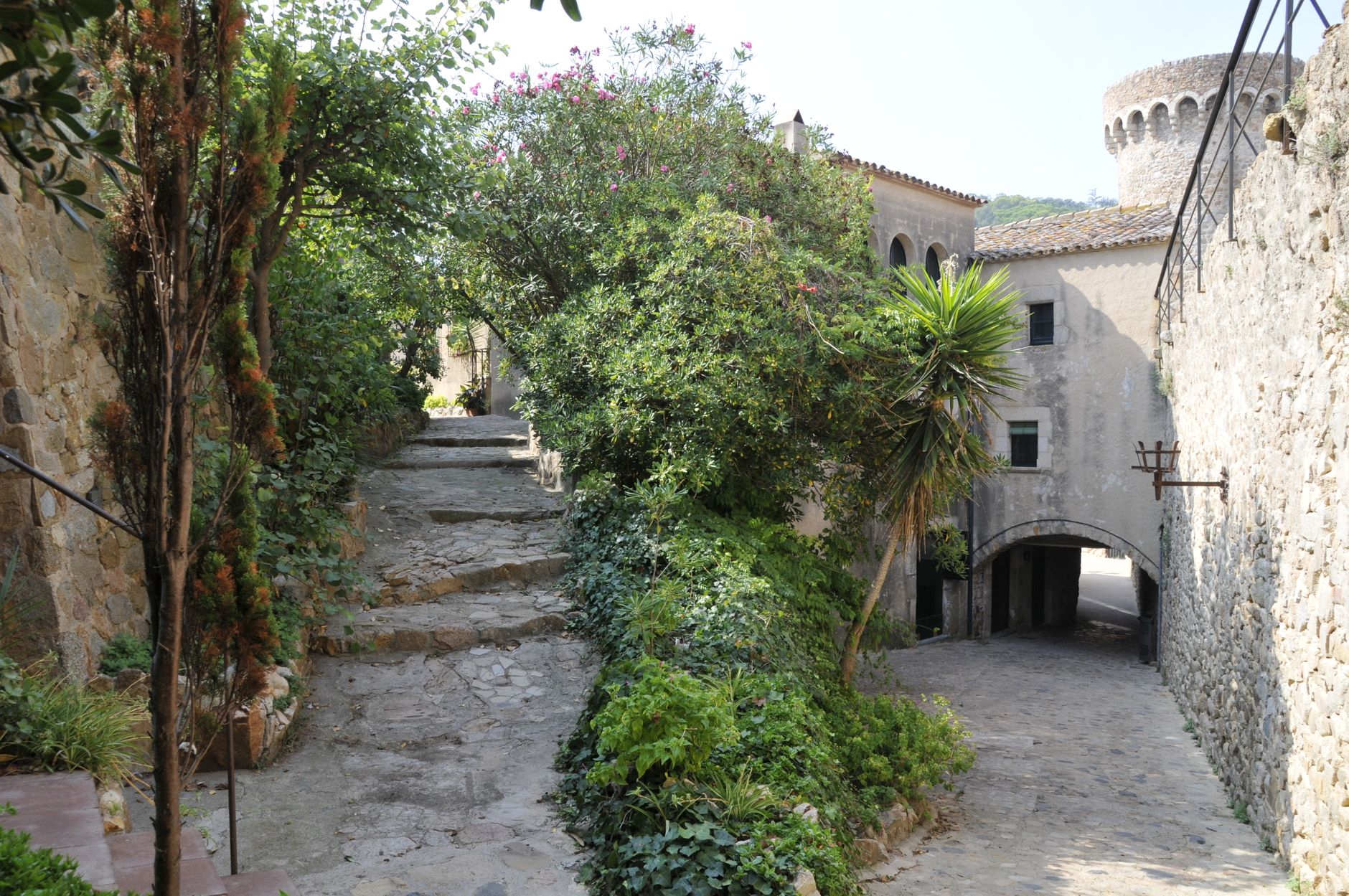
Enter freely through the Portal de les Hores. Spend an hour ascending the stone switchbacks up to the lighthouse before midday heat settles onto the open cobbles.
Editor TipBuilt in the 1180s by the Abbot of Ripoll, these granite curtain walls form the only surviving fortified medieval town perimeter along the entire Catalan coastline. Wear rubber-soled shoes; centuries of foot traffic have polished the river cobbles slicker than wet marble.
Morning Rampart Snorkel
Platja d'es Codolar
Slip through the arched stone portal in the medieval wall down to the coarse sand. Entry is free; allow forty-five minutes to skirt the submerged base of the towers.
Editor TipTucked directly beneath the 12th-century battlements, this narrow inlet served as the village's working fishing port long before sunbathers arrived. Head out before nine when the water is glass and the sea bream graze along the western rock ledge.
Sunset Across Fortified Ridges
Santuari de Sant Grau
Drive twenty minutes inland up the GI-6821 through the cork oak forests. The sanctuary grounds remain open until dusk, providing broad coastal views without admission fees.
Editor TipPerched high in the Massis de les Cadiretes, this medieval site provided a fortified vantage point against Barbary corsair raids before evolving into an isolated mountain hermitage. The mountain road has blind switchbacks; hold second gear and give descending cyclists plenty of room.
Snorkelling & Diving
Plunge into the posidonia seagrass meadows at Mar Menuda to spot octopuses, groupers, and sea bream navigating the calm underwater channels.
Snorkelling & Diving
Plunge into the posidonia seagrass meadows at Mar Menuda to spot octopuses, groupers, and sea bream navigating the calm underwater channels.
Snorkelling the Granite Coves
Platja Mar Menuda
Rent gear on the shore or bring your own mask. Spend two hours swimming out along the rocky ridge of Sa Banyera de Ses Dones where sea bream school in clear water.
Editor TipKnown locally as an open-water aquarium, this sheltered granite cove drops into meadows of Posidonia oceanica seagrass that shelter damselfish and juvenile octopuses. Enter from the flat northern rocks instead of the coarse gravel to avoid the breaker churn and keep your mask clear.
Simmered Monkfish Cim i Tomba
Restaurant Bahia
Book an outside table for dinner. Order the traditional cim i tomba with monkfish and potatoes, alongside a crisp DO Empordà white.
Editor TipTossa fishermen engineered this one-pot stew at sea using rough-cut potatoes, seasonal catch, and a crown of garlic aioli stirred into hot broth. Let the garlic aioli melt fully into the fish stock before diving in; the resulting broth demands bread.
Snorkelling Sheltered Granite Reefs
Cala Pola
Walk forty minutes north along the coastal path or drive the GI-682. The water is clear, cold, and free to enter; pack your own mask, snorkel, and sufficient drinking water.
Editor TipThis inlet cuts deep into pink granite, protecting vital posidonia seagrass meadows where octopus, painted comber, and two-banded sea bream thrive away from heavy offshore currents. Wear sturdy shoes for the descent; dry pine needles over polished sandstone make flip-flops a reckless gamble.
Note from the Editor
“The tour buses arrive from Barcelona around eleven. Climb up into the stone towers at eight with the morning mist still resting on the water, and you will have twelfth-century battlements entirely to yourself.”
The Bed
Where to stay in Tossa de Mar
Which part of town to book, and what each one costs you in walking, noise or quiet.
The Comparison
Tossa de Mar, or somewhere near it
The places you are realistically choosing between, and the honest case for each.
The Local Record
Where to read more about Tossa de Mar
The blogs, boards, guides and operators worth bookmarking.
What to do in Tossa de Mar Catalonia Spain
Life here centres on the curve between the medieval fortress of Vila Vella and the working fishing bay. Mornings are for quiet cove swims and cafe con leche along Carrer de la Guàrdia, while afternoons turn into slow, garlic-heavy seafood lunches. It suits independent travellers who prefer historic stone streets, crisp sea air, and walking trails over noisy resort strips, offering a steady, rewarding rhythm for three or four relaxed days.
24 hours in Tossa de Mar Catalonia Spain
Start early at Platja d'es Codolar before the sun heats the stone ramparts of the Vila Vella. Walk up to Far de Tossa for broad sea views, then take a table at Restaurant Bahía for monkfish cim i tomba. Finish with an evening stroll through Sa Roqueta as shopkeepers lower their awnings. Select 1 Day above to see it.
2 days in Tossa de Mar Catalonia Spain
Dedicate your morning to the Roman mosaics at Els Ametllers, followed by a coastal walk along the Camí de Ronda to Cala Pola. Pack water and fruit from the municipal market on Rambla Pau Casals. In the evening, share glasses of Empordà Garnatxa and grilled prawns in the old quarter. Choose 2 Days to expand the plan.
3 days in Tossa de Mar Catalonia Spain
Head inland into the Massís de les Cadiretes to see cork forests and the hermitage of Sant Grau. Drive the dramatic coastal corniche road to Sant Feliu de Guíxols, stopping at roadside viewpoints. End the day lingering over vermouth and anchovies on a shaded bench by Platja Gran.
Tossa de Mar Catalonia Spain itineraries by interest
Local Seafood in Tossa de Mar Catalonia Spain
Order cim i tomba, the classic fisherman stew of monkfish, potatoes, and thick alioli, simmered in cast iron alongside salted anchovies from nearby l'Escala.
Medieval Fortifications in Tossa de Mar Catalonia Spain
Walk the twelfth-century stone battlements of the Vila Vella, past the cylindrical towers of Codolar and Joanàs, watching waves crash below the ramparts.
Coastal Walks in Tossa de Mar Catalonia Spain
Follow the Camí de Ronda north toward Cala Pola and Cala Giverola, stepping through red pine needles on clifftops fifty metres above turquoise water.
Regional Wine in Tossa de Mar Catalonia Spain
Drink crisp DO Empordà whites made from Garnatxa Blanca and Macabeu, or robust Carinyena reds produced in the granite soils of the nearby hills.
Beaches & Coves in Tossa de Mar Catalonia Spain
Claim a towel spot on the gravel of Platja d'es Codolar beneath the castle walls, or swim out to the rocky islets around sheltered Platja Mar Menuda.
Ancient History in Tossa de Mar Catalonia Spain
Inspect the third-century mosaics and preserved heating hypocausts of the Roman villa of Els Ametllers, an easy five-minute walk from the town centre.
Lighthouse Heritage in Tossa de Mar Catalonia Spain
Climb the summit road to Far de Tossa, built on the former castle keep in 1917, housing a maritime museum with panoramic views across the bay.
Traditional Bakeries in Tossa de Mar Catalonia Spain
Pick up sweet, crunchy carquinyolis almond biscuits or a slab of anise-scented coca de recapte at Pastisseria Tomàs along Carrer dels Socors.
Snorkelling & Diving in Tossa de Mar Catalonia Spain
Plunge into the posidonia seagrass meadows at Mar Menuda to spot octopuses, groupers, and sea bream navigating the calm underwater channels.
Modern Art in Tossa de Mar Catalonia Spain
Visit the Museu Municipal within the governor palace to see Marc Chagall paintings from his 1934 stay, alongside Iberian pottery and Roman coins.
Neighbourhood Strolls in Tossa de Mar Catalonia Spain
Wander Sa Roqueta, the eighteenth-century fishermen quarter, where whitewashed houses, potted geraniums, and quiet taverns flank narrow cobbled alleys.
Forest Trails in Tossa de Mar Catalonia Spain
Hike inland into the Massís de les Cadiretes nature reserve, passing cork oak woods, granite megaliths, and the ruined hermitage of Sant Grau.